
- Physical Examination
- Surgical Examination
- Ophthalmology
- Clinical Skills
- Orthopedics
- Surgery Videos
- Laparoscopy
- Pediatrics
- Funny Videos
- Cardiothoracic Surgery
- Nursing Videos
- Plastic Surgery
- Otorhinolaryngology
- Histology and Histopathology
- Neurosurgery
- Dermatology
- Pediatric Surgery
- Urology
- Dentistry
- Oncology and Cancers
- Anatomy Videos
- Health and Fitness
- Radiology
- Anaesthesia
- Physical Therapy
- Pharmacology
- Interventional Radiology
- Cardiology
- Endocrinology
- Gynecology
- Emergency Medicine
- Psychiatry and Psychology
- Childbirth Videos
- General Medical Videos
- Nephrology
- Physiology
- Diet and Food Health
- Diabetes Mellitus
- Neurology
- Women Health
- Osteoporosis
- Gastroenterology
- Pulmonology
- Hematology
- Rheumatology
- Toxicology
- Nuclear Medicine
- Infectious Diseases
- Vascular Disease
- Reproductive Health
- Burns and Wound Healing
- Other
Surgery Videos
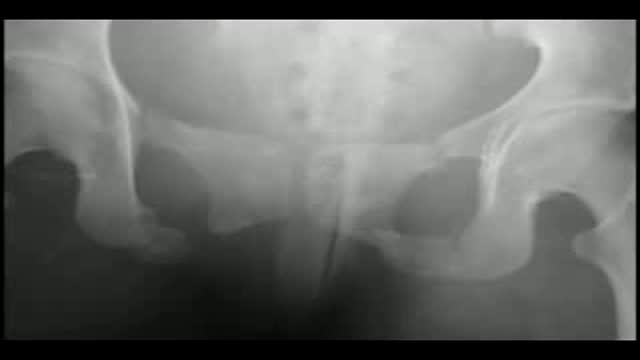

laparoscopy for repair of rupture of urinary bladder
Bladder and prostate injection- Botox

Endoscopic crushing of a bladder stone
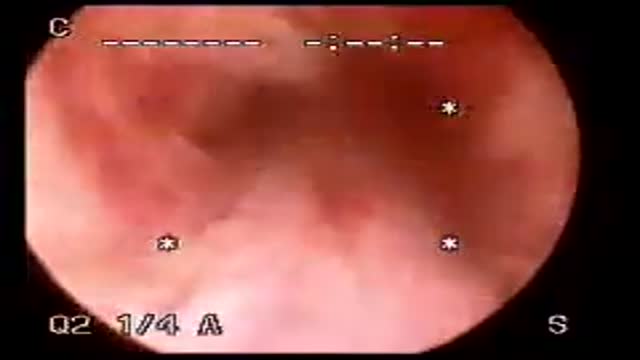
Cystoscopy
Minimally invasive kidney and ureteral stone surgery using holmium laser performed at El Camino Urology Medical Group,
Microsurgical varicocelectomy is performed for patients with a varicocele and impaired semen parameters, testicular atrophy or pain due to the varicocele.
Basic Surgical Instruments- Forceps, scissors.
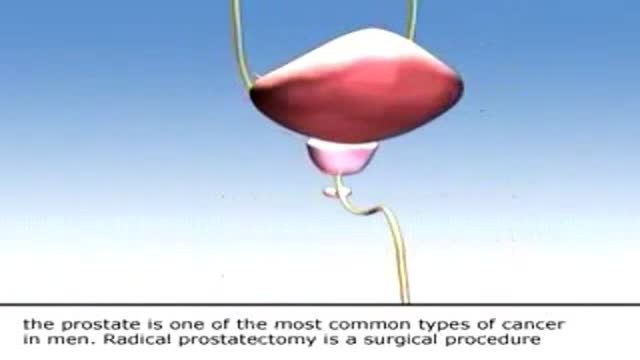
This is a educational video for the prostate cancer patient and their family. Depending on the individual patient, a radical prostatectomy, might a procedure that your urologist could recommend as treatment.
HoLEP (Holmium laser enucleation of prostate)

Incision of the bladder neck for a small prostate
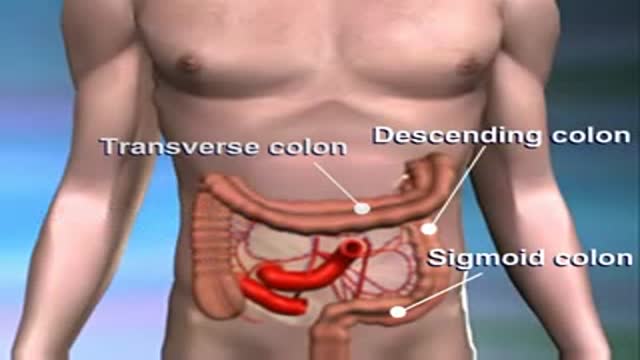
An animation illustrating carcinoma of the colon
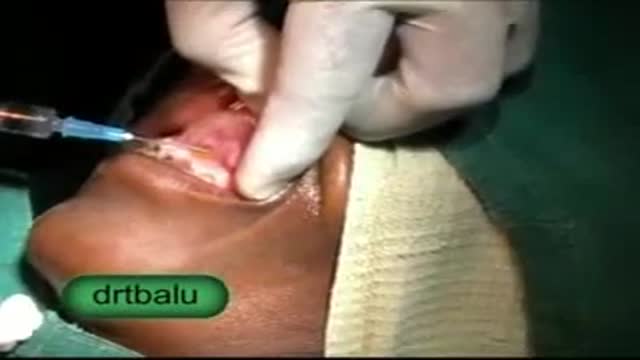
This video clip shows nasolabial cyst being excised under local anesthesia
This video shows submandibular gland being surgically removed.
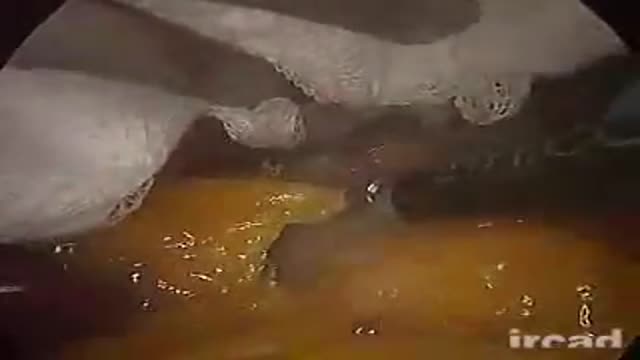
Technique was suggested by Nissen as a surgical treatment for the Gastro-Esophageal Reflux GERD and a 360 degrees wrap of fundus of the stomach is fashioned by means of 3 sutures around the lower end of esophagus.
Collis was the first to perform it laparoscopic.

What is Esophageal Dilation?
Esophageal dilation is a procedure that allows your doctor to dilate, or stretch, a narrowed area of your esophagus [swallowing tube]. Doctors can use various techniques for this procedure. Your doctor might perform the procedure as part of a sedated endoscopy. Alternatively, your doctor might apply a local anesthetic spray to the back of your throat and then pass a weighted dilator through your mouth and into your esophagus.
Why is it Done?
The most common cause of narrowing of the esophagus, or stricture, is scarring of the esophagus from reflux of acid occurring in patients with heartburn. Patients with a narrowed portion of the esophagus often have trouble swallowing; food feels like it is "stuck" in the chest region, causing discomfort or pain. Less common causes of esophageal narrowing are webs or rings (which are thin layers of excess tissue), cancer of the esophagus, scarring after radiation treatment or a disorder of the way the esophagus moves [motility disorder].
How Should I Prepare for the Procedure?
An empty stomach allows for the best and safest examination, so you should have nothing to drink, including water, for at least six hours before the examination. Your doctor will tell you when to start fasting.
Tell your doctor in advance about any medications you take, particularly aspirin products or anticoagulants (blood thinners). Most medications can be continued as usual, but you might need to adjust your usual dose before the examination. Your doctor will give you specific guidance. Tell your doctor if you have any allergies to medications as well as medical conditions such as heart or lung disease. Also, tell your doctor if you require antibiotics prior to dental procedures, because you might need antibiotics prior to esophageal dilation as well.
What Can I Expect during Esophageal Dilation?
Your doctor might perform esophageal dilation with sedation along with an upper endoscopy. Your doctor may spray your throat with a local anesthetic spray, and then give you sedatives to help you relax. Your doctor then will pass the endoscope through your mouth and into the esophagus, stomach and duodenum. The endoscope does not interfere with your breathing. At this point your doctor will determine whether to use a dilating balloon or plastic dilators over a guiding wire to stretch your esophagus. You might experience mild pressure in the back of your throat or in your chest during the procedure. Alternatively, your doctor might start by spraying your throat with a local anesthetic. Your doctor will then pass a tapered dilating instrument through your mouth and guide it into the esophagus.
What Can I Expect after Esophageal Dilation?
After the dilation is done, you will probably be observed for a short period of time and then allowed to return to your normal activities. You may resume drinking when the anesthetic no longer causes numbness to your throat, unless your doctor instructs you otherwise. Most patients experience no symptoms after this procedure and can resume eating the next day, but you might experience a mild sore throat for the remainder of the day.
If you received sedatives, you probably will be monitored in a recovery area until you are ready to leave. You will not be allowed to drive after the procedure even though you might not feel tired. You should arrange for someone to accompany you home, because the sedatives might affect your judgment and reflexes for the rest of the day.
What are the Potential Complications of Esophageal Dilation?
Although complications can occur even when the procedure is performed correctly, they are rare when performed by doctors who are specially trained. A perforation, or hole, of the esophagus lining occurs in a small percentage of cases and may require surgery. A tear of the esophagus lining may occur and bleeding may result. Complications from heart or lung diseases are potential risks
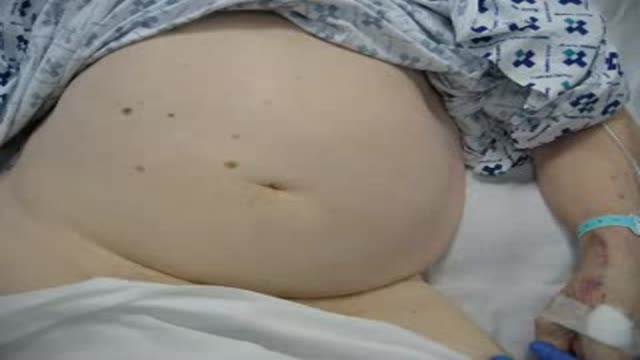
A video showing insertion of a percutaneous endoscopic colostomy in a frail patient with recurrent sigmoid volvulus.
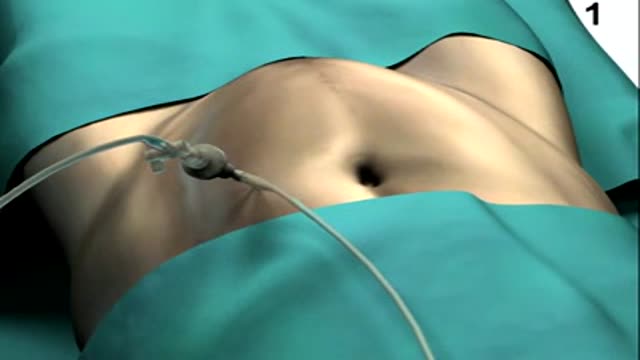
Modern technique of hernia's operations
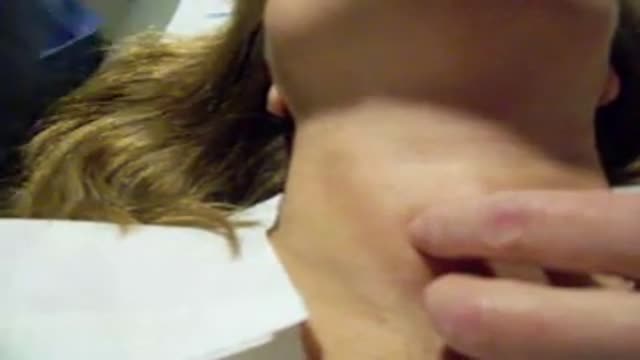
Video shows a fine needle biopsy with guided ultrasound of a thyroid nodule.
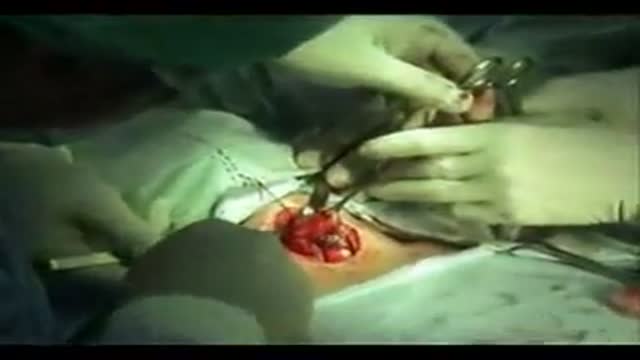
thyroid gland removal is the standard procedure for thyroid cancer treatment.
Total removal of the gland is therapeutic in most cases of thyroid cancer.
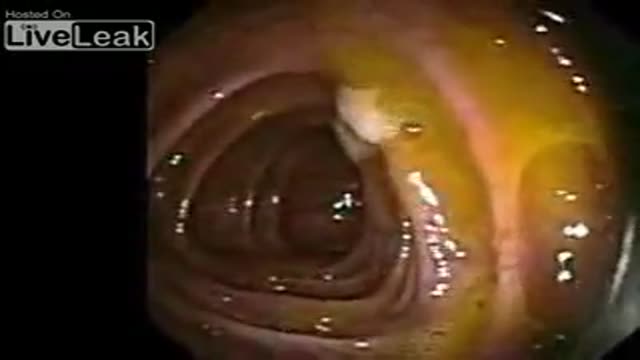
Moving Tape worm as seen by colonoscopy
