
- Physical Examination
- Surgical Examination
- Ophthalmology
- Clinical Skills
- Orthopedics
- Surgery Videos
- Laparoscopy
- Pediatrics
- Funny Videos
- Cardiothoracic Surgery
- Nursing Videos
- Plastic Surgery
- Otorhinolaryngology
- Histology and Histopathology
- Neurosurgery
- Dermatology
- Pediatric Surgery
- Urology
- Dentistry
- Oncology and Cancers
- Anatomy Videos
- Health and Fitness
- Radiology
- Anaesthesia
- Physical Therapy
- Pharmacology
- Interventional Radiology
- Cardiology
- Endocrinology
- Gynecology
- Emergency Medicine
- Psychiatry and Psychology
- Childbirth Videos
- General Medical Videos
- Nephrology
- Physiology
- Diet and Food Health
- Diabetes Mellitus
- Neurology
- Women Health
- Osteoporosis
- Gastroenterology
- Pulmonology
- Hematology
- Rheumatology
- Toxicology
- Nuclear Medicine
- Infectious Diseases
- Vascular Disease
- Reproductive Health
- Burns and Wound Healing
- Other
Pediatrics


Hypertrophic pyloric stenosis (HPS) causes a functional gastric outlet obstruction as a result of hypertrophy and hyperplasia of the muscular layers of the pylorus. In infants, HPS is the most common cause of gastric outlet obstruction and the most common surgical cause of vomiting.

Gastroschisis is a birth defect that develops in a baby while a woman is pregnant. This condition occurs when an opening forms in the baby's abdominal wall. The baby's bowel pushes through this hole. It then develops outside of the baby's body in the amniotic fluid.
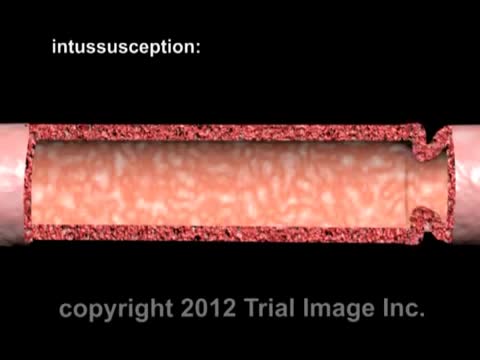
Intussusception (in-tuh-suh-SEP-shun) is a serious condition in which part of the intestine slides into an adjacent part of the intestine. This "telescoping" often blocks food or fluid from passing through. Intussusception also cuts off the blood supply to the part of the intestine that's affected, which can lead to a tear in the bowel (perforation), infection and death of bowel tissue.
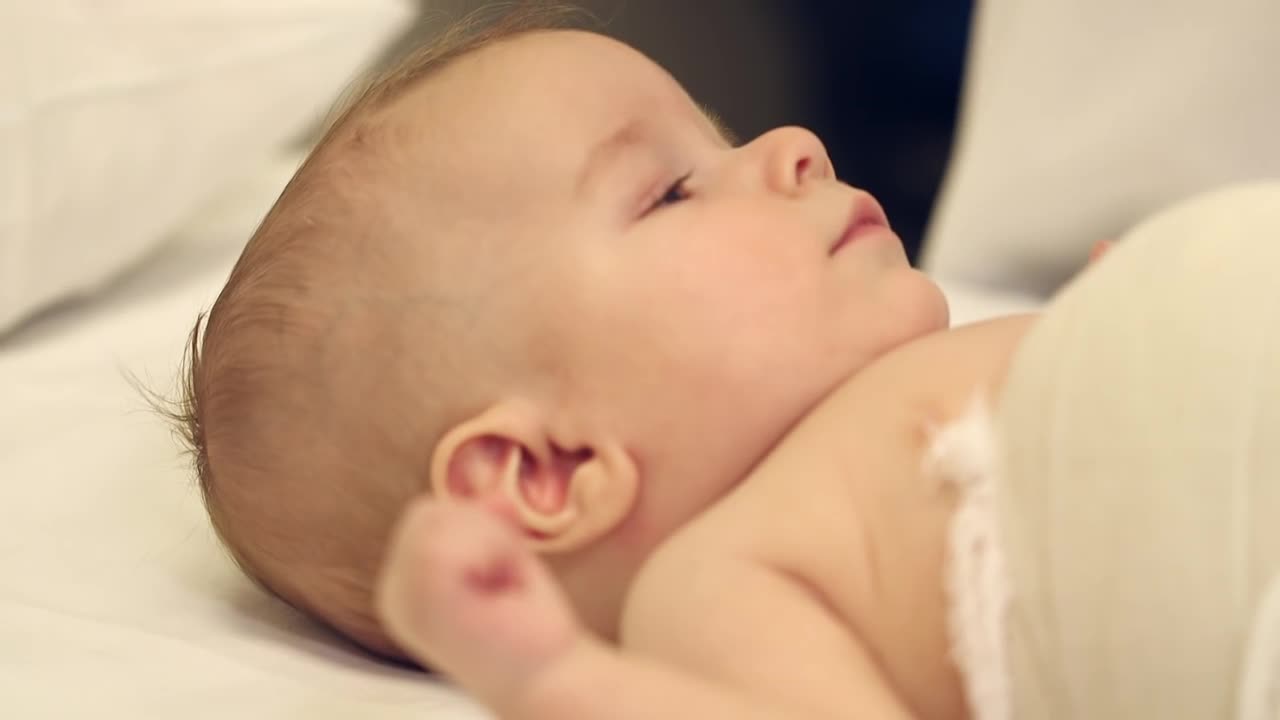
An omphalocele is a birth defect in which an infant's intestine or other abdominal organs are outside of the body because of a hole in the belly button (navel) area. The intestines are covered only by a thin layer of tissue and can be easily seen.
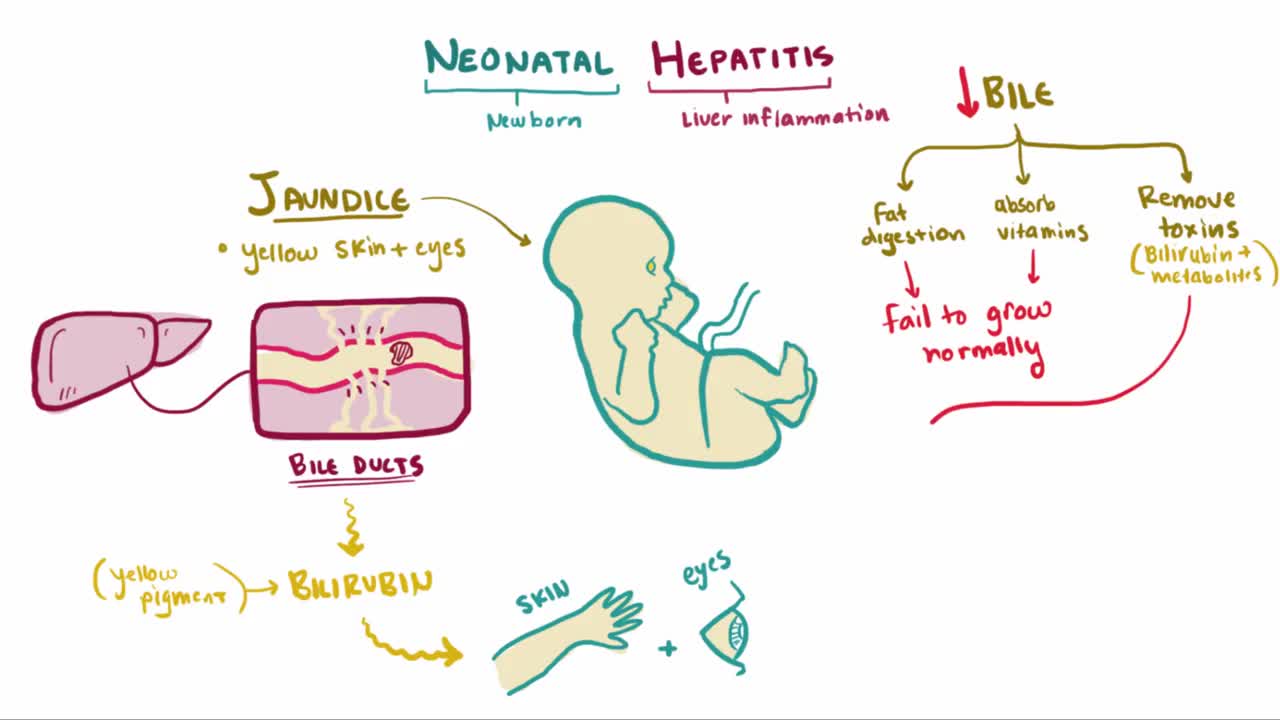
What is neonatal hepatitis? Neonatal hepatitis is an inflammation of an infant's liver just after birth, sometimes this inflammation is due to a virus but in most cases the cause is unknown, or idiopathic

Developmental Psychology Documentary on Brain and Intelligence Development in Babies SHOW MORE

Scientists have found that every baby has genius potential, a child's education must begin early in order to develop the potential it has. Pregnancy is not too early to start, as evidence indicating that the developing fetus can learn is ever mounting.
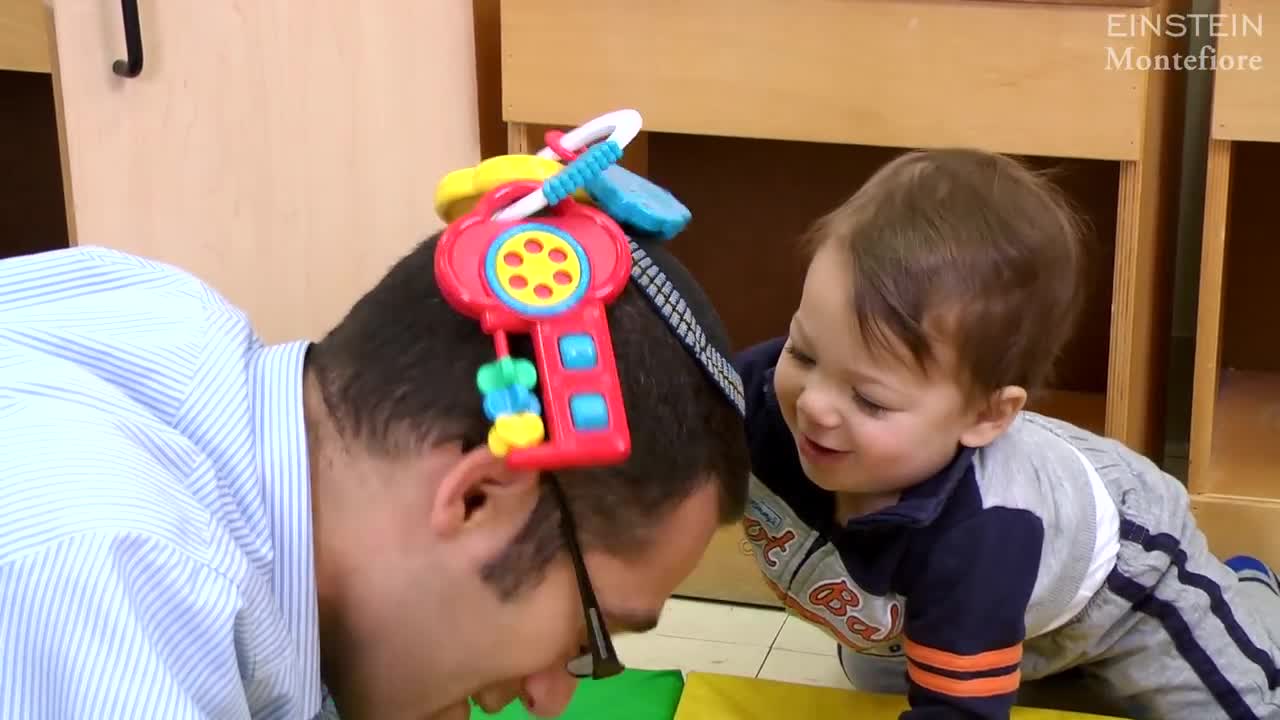
Developmental Milestones: Baby Talk from First Sounds to First Words
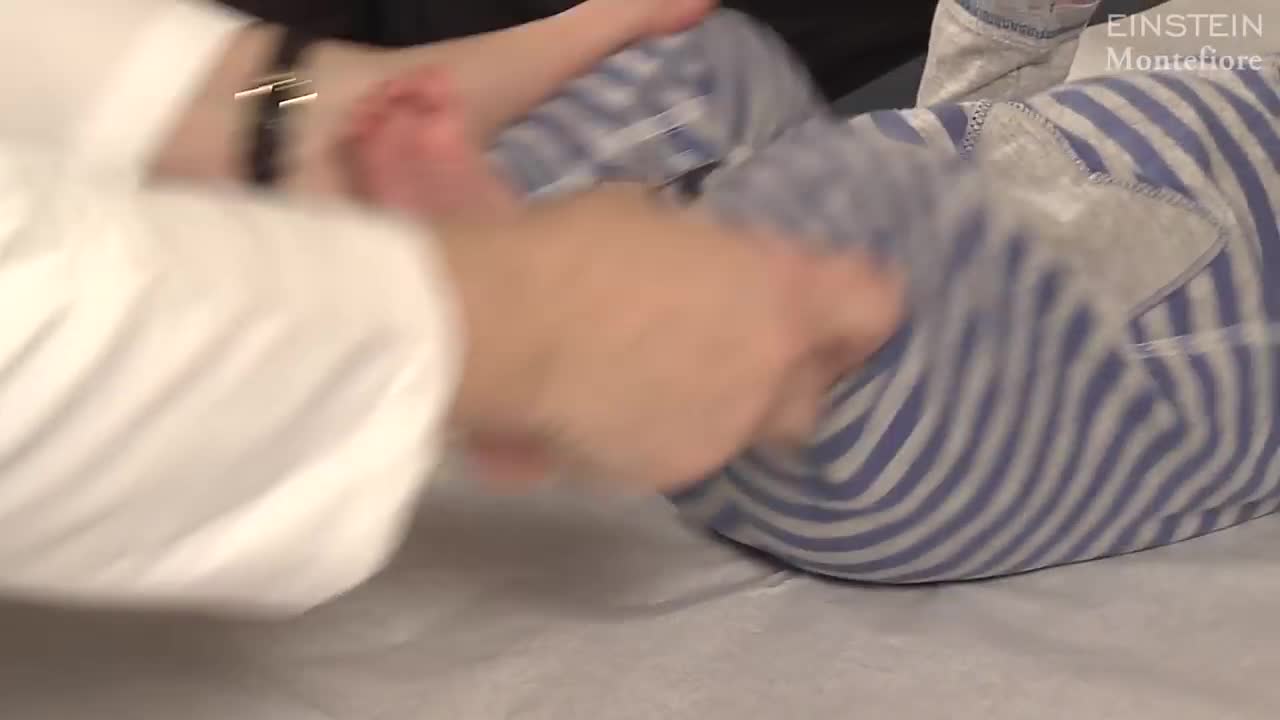
the motor milestones expected in typically developing babies, from head control to walking and what pediatricians look for during a well-baby visit. She also explains the specific types of motor control a baby must master before the next milestone can be achieved

Helping Babies Born with Drug Addiction. see to learn more

Each year, thousands of babies in the U.S. are born addicted to opiates. And the problem is getting worse.
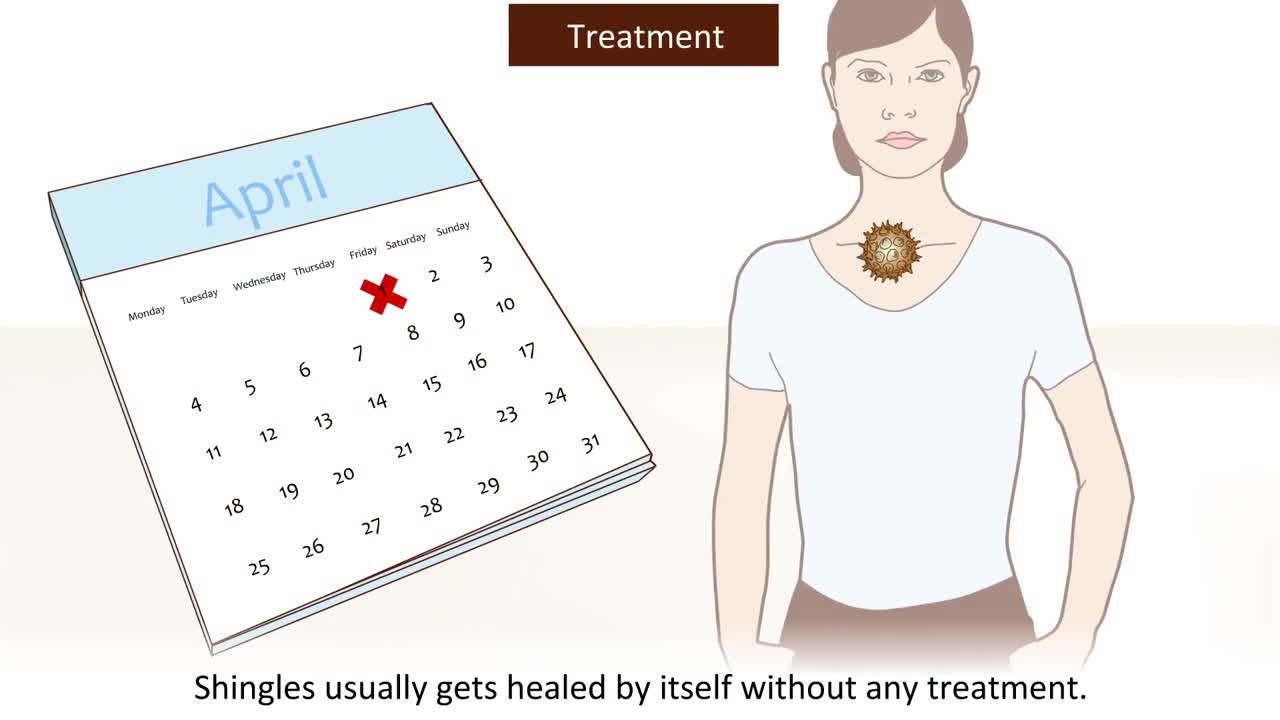
Shingles is a painful skin rash camera.gif. It is caused by the varicella zoster virus. Shingles usually appears in a band, a strip, or a small area on one side of the face or body. It is also called herpes zoster. Shingles is most common in older adults and people who have weak immune systems because of stress, injury, certain medicines, or other reasons. Most people who get shingles will get better and will not get it again. But it is possible to get shingles more than once.
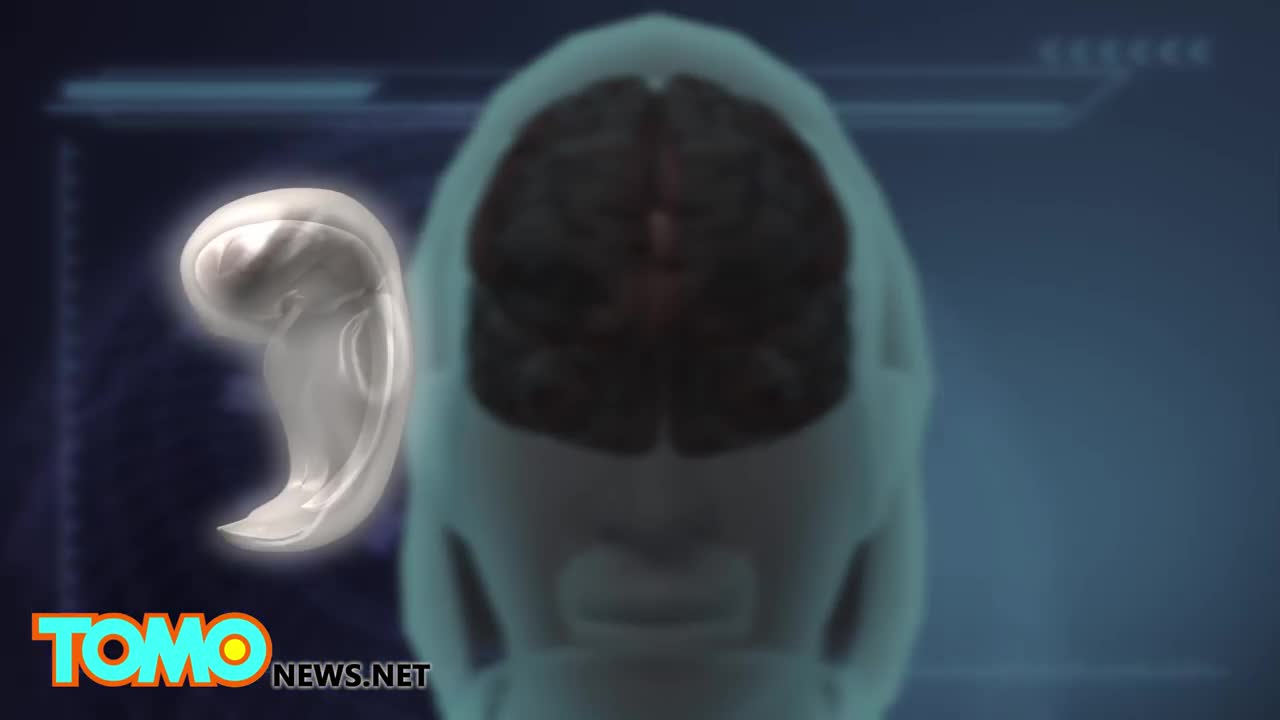
Parasitic twins: boy carrying dead twin inside him, giant tumor removed - tumors compilation

A blood test to measure calcium, phosphorous and vitamin D levels can usually confirm a diagnosis of rickets, although your child may also have some X-rays or possibly a bone density scan (DEXA scan). This is a type of X-ray that measures the calcium content in bones.
Down syndrome is a set of physical and mental traits caused by a gene problem that happens before birth. Children who have Down syndrome tend to have certain features, such as a flat face and a short neck. They also have some degree of intellectual disability. This varies from person to person. But in most cases it is mild to moderate.

Down’s Syndrome Twins Are One In A Million

Smallpox disease is a serious, highly contagious, and often life-threatening infection marked by a rash of round pox (blisters) on the face, arms, and legs. It is caused by the Variola virus. The last case of smallpox in the United States was in 1949.

Wetness. Even the most absorbent diaper leaves some moisture on your child's skin. And when your child's urine mixes with bacteria from his stool, it breaks down into ammonia, which can be very harsh on the skin. That's why children with frequent bowel movements or diarrhea are more prone to diaper rash.

Classical PKU is an autosomal recessive disorder, caused by mutations in both alleles of the gene for phenylalanine hydroxylase (PAH), found on chromosome 12. In the body, phenylalanine hydroxylase converts the amino acid phenylalanine to tyrosine, another amino acid.

PKU is inherited in families in an autosomal recessive pattern. Autosomal recessive inheritance means that a person has two copies of the gene that is altered. Usually, each parent of an individual who has PKU carries one copy of the altered gene. ... Gene alterations (mutations) in the PAH gene cause PKU.
