
- Physical Examination
- Surgical Examination
- Ophthalmology
- Clinical Skills
- Orthopedics
- Surgery Videos
- Laparoscopy
- Pediatrics
- Funny Videos
- Cardiothoracic Surgery
- Nursing Videos
- Plastic Surgery
- Otorhinolaryngology
- Histology and Histopathology
- Neurosurgery
- Dermatology
- Pediatric Surgery
- Urology
- Dentistry
- Oncology and Cancers
- Anatomy Videos
- Health and Fitness
- Radiology
- Anaesthesia
- Physical Therapy
- Pharmacology
- Interventional Radiology
- Cardiology
- Endocrinology
- Gynecology
- Emergency Medicine
- Psychiatry and Psychology
- Childbirth Videos
- General Medical Videos
- Nephrology
- Physiology
- Diet and Food Health
- Diabetes Mellitus
- Neurology
- Women Health
- Osteoporosis
- Gastroenterology
- Pulmonology
- Hematology
- Rheumatology
- Toxicology
- Nuclear Medicine
- Infectious Diseases
- Vascular Disease
- Reproductive Health
- Burns and Wound Healing
- Other
Pharmacology




Acetaminophen and ibuprofen are both good medicines, and both provide the same basic relief from fever and pain, even though they have different chemical structures and side effects

You should not use aspirin if you have a bleeding disorder such as hemophilia, a recent history of stomach or intestinal bleeding, or if you are allergic to an NSAID (non-steroidal anti-inflammatory drug) such as Advil, Motrin, Aleve, Orudis, Indocin, Lodine, Voltaren, Toradol, Mobic, Relafen, Feldene, and others. Do not give this medication to a child or teenager with a fever, flu symptoms, or chicken pox. Salicylates can cause Reye's syndrome, a serious and sometimes fatal condition in children.
Aspirin is a salicylate (sa-LIS-il-ate). It works by reducing substances in the body that cause pain, fever, and inflammation. Aspirin is used to treat pain, and reduce fever or inflammation. It is sometimes used to treat or prevent heart attacks, strokes, and chest pain (angina).
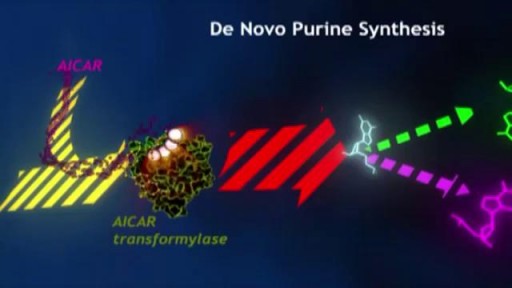
Methotrexate anti-tumor activity is a result of the inhibition of folic acid reductase, leading to inhibition of DNA synthesis and inhibition of cellular replication. The mechanism involved in its activity against rheumatoid arthritis is not known.
Beta-blockers, also known as beta antagonists, beta-adrenergic blocking agents, or beta-adrenergic antagonists, are drugs that are prescribed to treat several different types of conditions, including hypertension (high blood pressure), angina, some abnormal heart rhythms, heart attack (myocardial infarction), anxiety, migraine, glaucoma, and overactive thyroid symptoms.
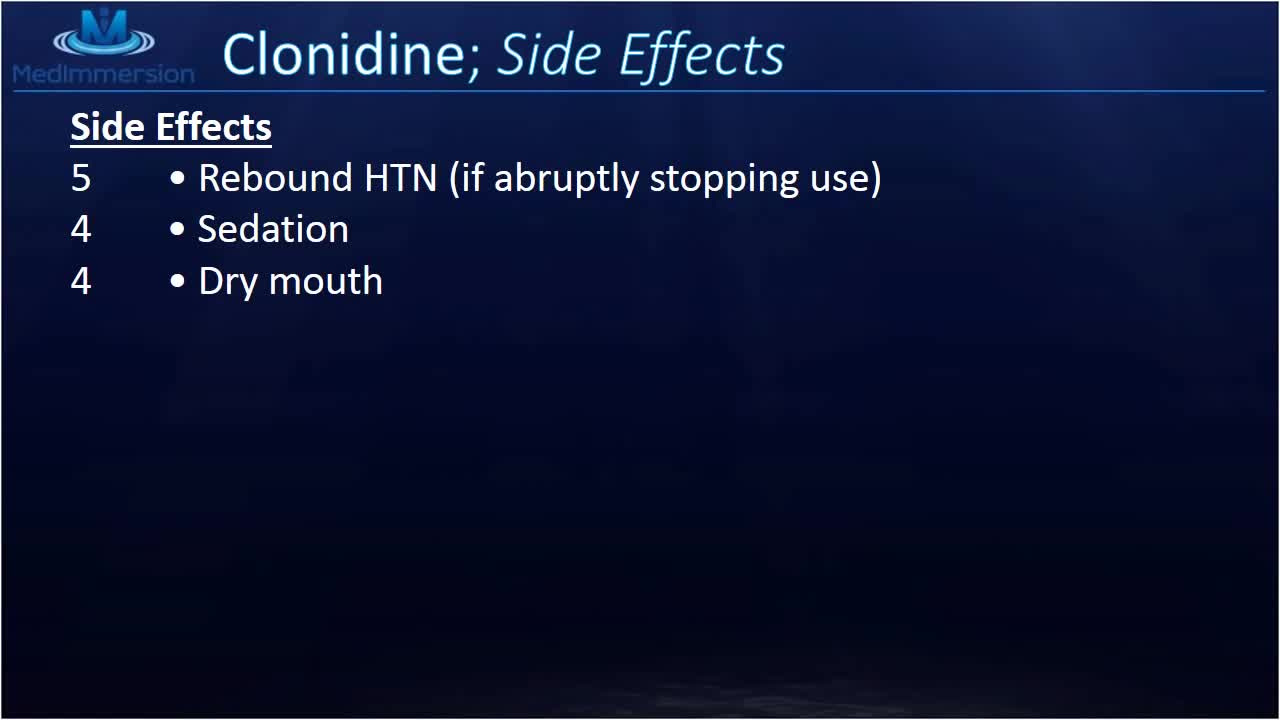
Clonidine lowers blood pressure by decreasing the levels of certain chemicals in your blood. This allows your blood vessels to relax and your heart to beat more slowly and easily. The Catapres brand of clonidine is used to treat hypertension (high blood pressure). The Kapvay brand is used to treat attention deficit hyperactivity disorder (ADHD). Clonidine is sometimes given with other medications
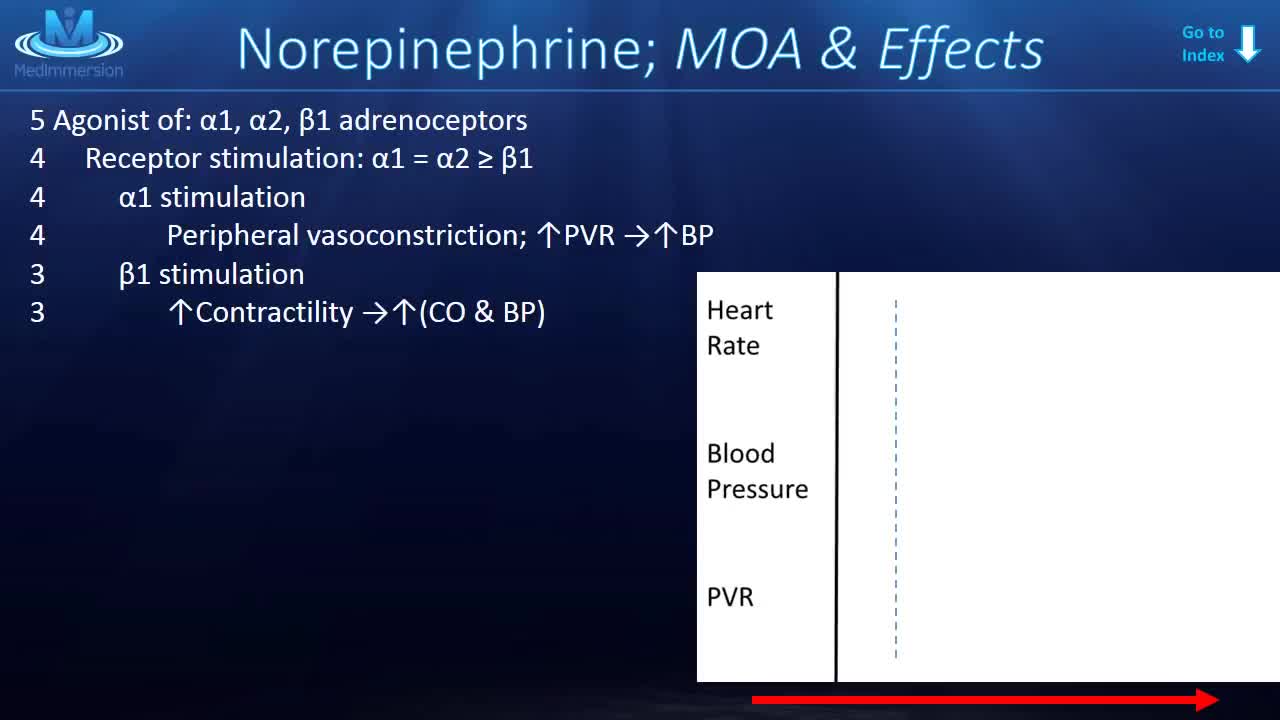
Norepinephrine is synthesized from dopamine by dopamine β-hydroxylase.[7] It is released from the adrenal medulla into the blood as a hormone, and is also a neurotransmitter in the central nervous system and sympathetic nervous system where it is released from noradrenergic neurons.
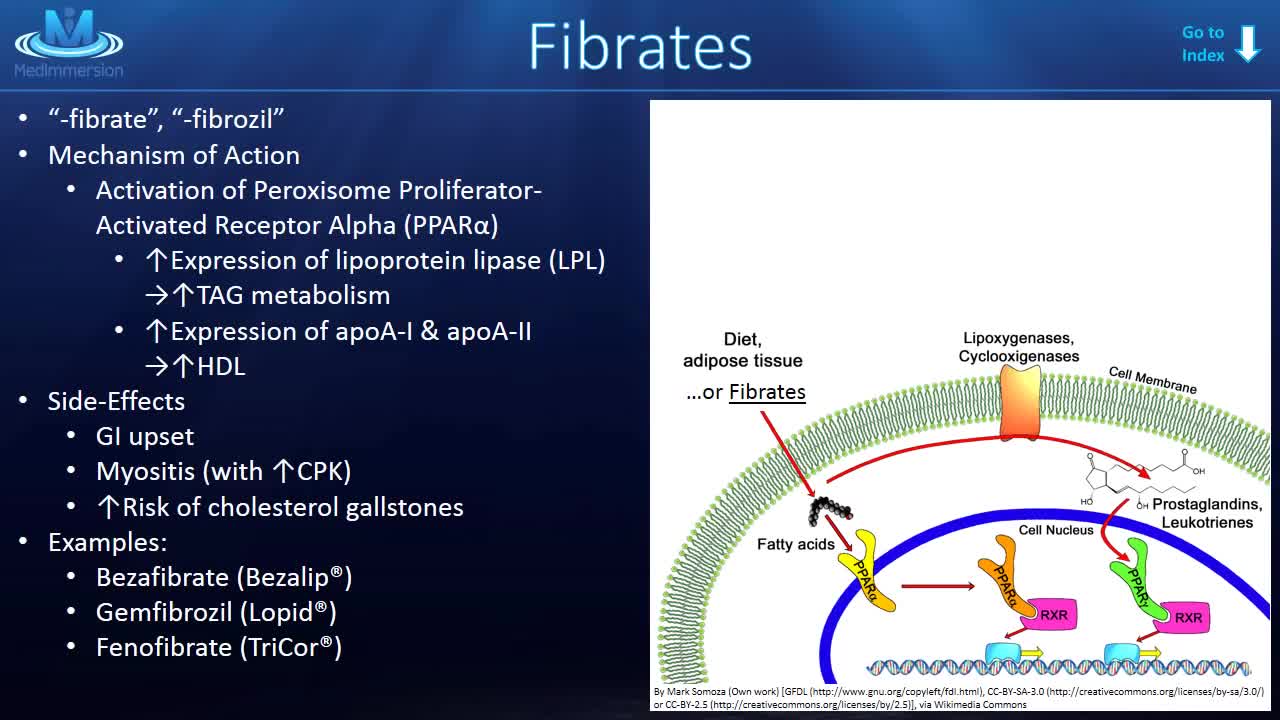
Lipid-Lowering Agents HMG-CoA reductase inhibitors (statins) These agents inhibit the rate-limiting step in cholesterol biosynthesis by competitively inhibiting HMG-CoA reductase. Note the following: Low-density lipoprotein (LDL) reduction of 25%-60% Examples include Atorvastatin, fluvastatin, lovastatin, pitavastatin, pravastatin, rosuvastatin, simvastatin Contraindications include hypersensitivity, active liver disease, pregnancy, lactation, coadministration with strong CYP3A4 inhibitors (selected statins) Vitamin B3 Vitamin B3 inhibits very-low-density lipoprotein (VLDL) synthesis. Note the following: LDL reduction of 10% High-density lipoprotein (HDL) increase of 20% Example includes Niacin (nicotinic acid) Contraindications include hypersensitivity, liver disease, active peptic ulcer, severe hypotension, arterial bleeding Fibrates Fibrates enhance lipoprotein lipase, resulting in increased VLDL catabolism, fatty acid oxidation, and triglycerides elimination. They decrease hepatic extraction of free fatty acids. Note the following: LDL reduction of 15% Triglyceride reduction of 35% Examples include Gemfibrozil, fenofibrate, fenofibrate (micronized), fenofibric acid Contraindications include active liver disease, renal disease, primary biliary cirrhosis, gallbladder disease 2-Azetidiones These agents inhibit sterol transporter at brush border and, consequently, intestinal absorption of cholesterol. LDL reduction of 15% Example includes Ezetimibe Contraindications include hypersensitivity, coadministration with statins (if active liver disease) Bile acid sequestrants These agents lower cholesterol and LDL via bile duct sequestration. Note the following: LDL reduction of 15% Examples include Cholestyramine, colesevelam, colestipol Contraindications include biliary/bowel obstruction, serum triglycerides >300-500 mg/dL, history of hypertriglyceridemia-induced pancreatitis
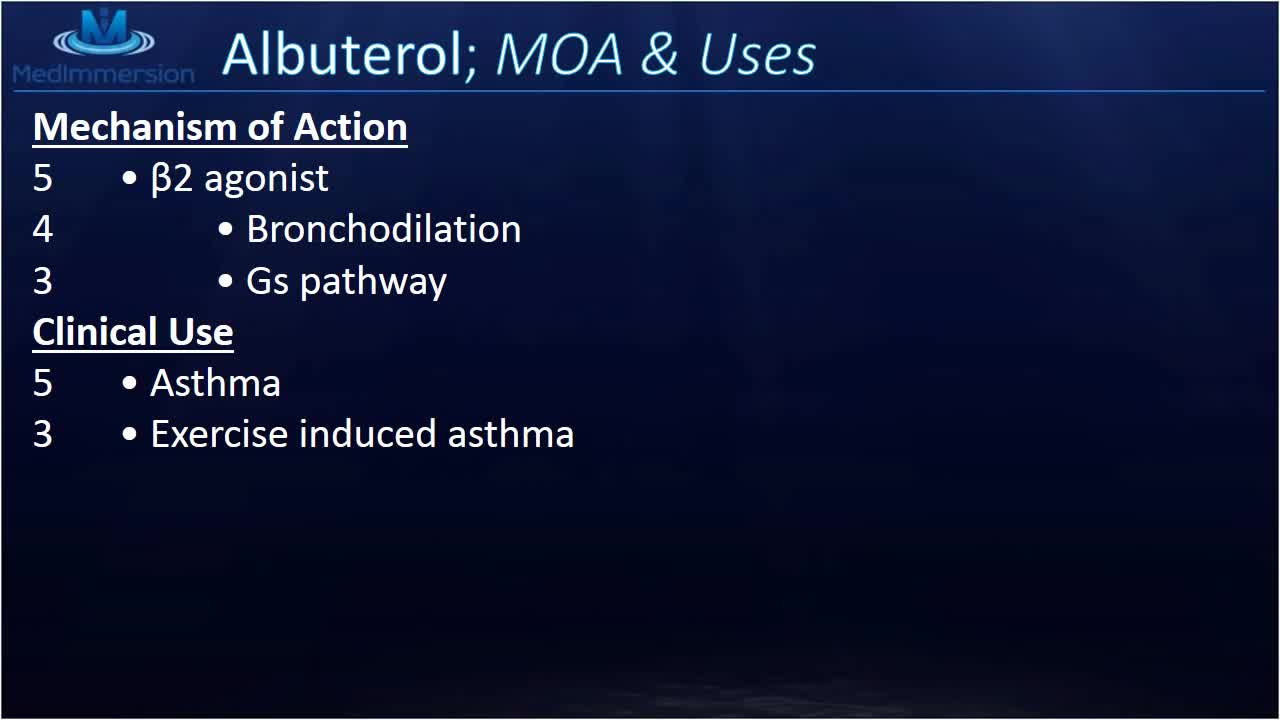
A short lecture on albuterol for self-study or review.
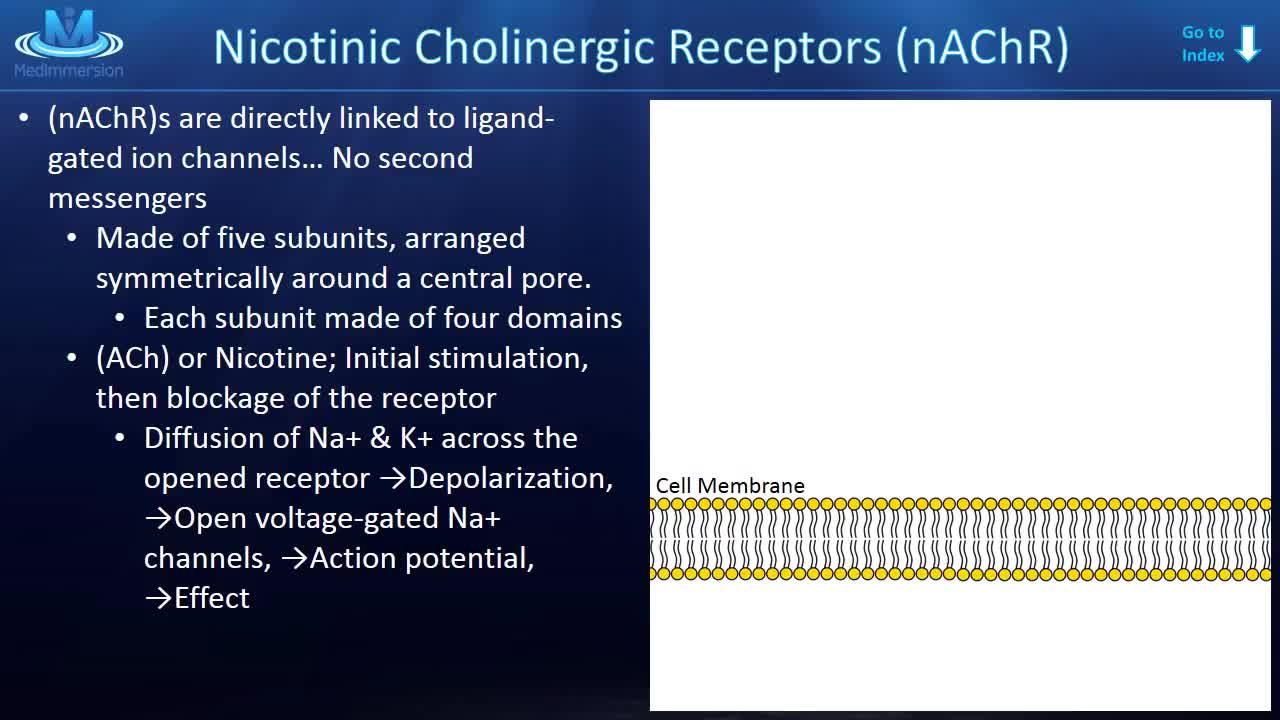
Understand the cholinergic receptors once and for all!
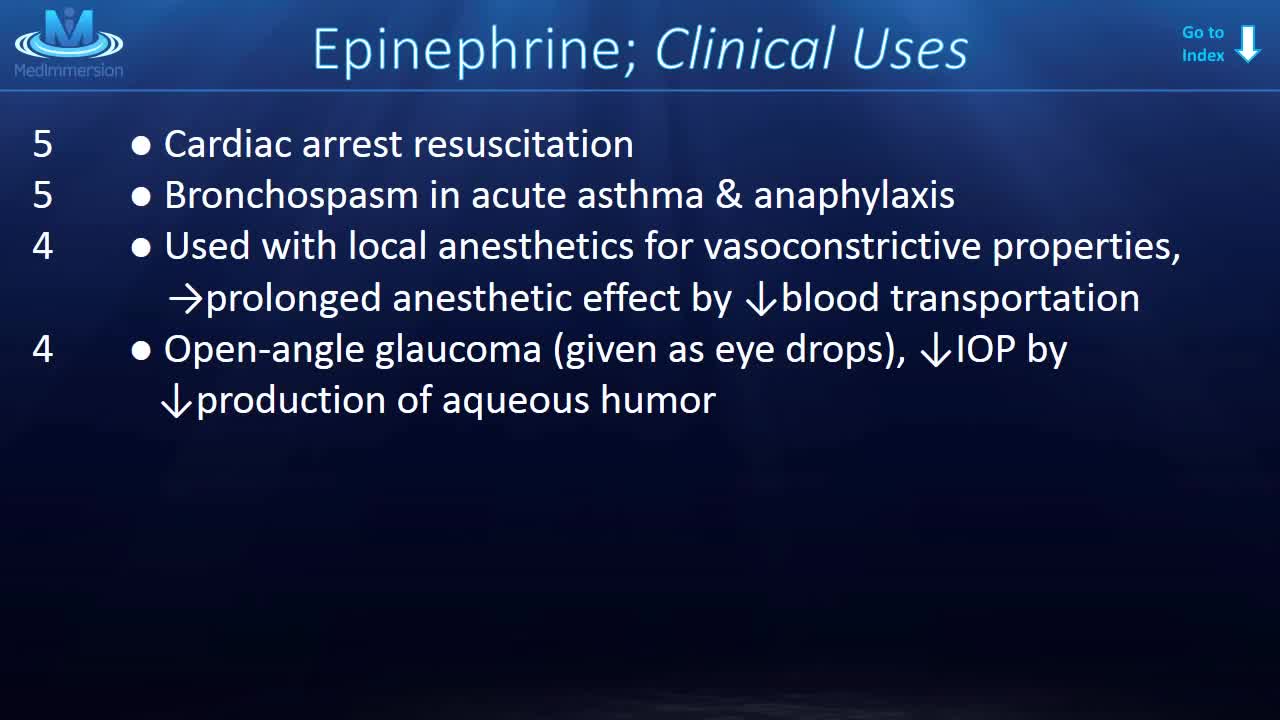
This medication is used in emergencies to treat very serious allergic reactions to insect stings/bites, foods, drugs, or other substances. Epinephrine acts quickly to improve breathing, stimulate the heart, raise a dropping blood pressure, reverse hives, and reduce swelling of the face, lips, and throat.
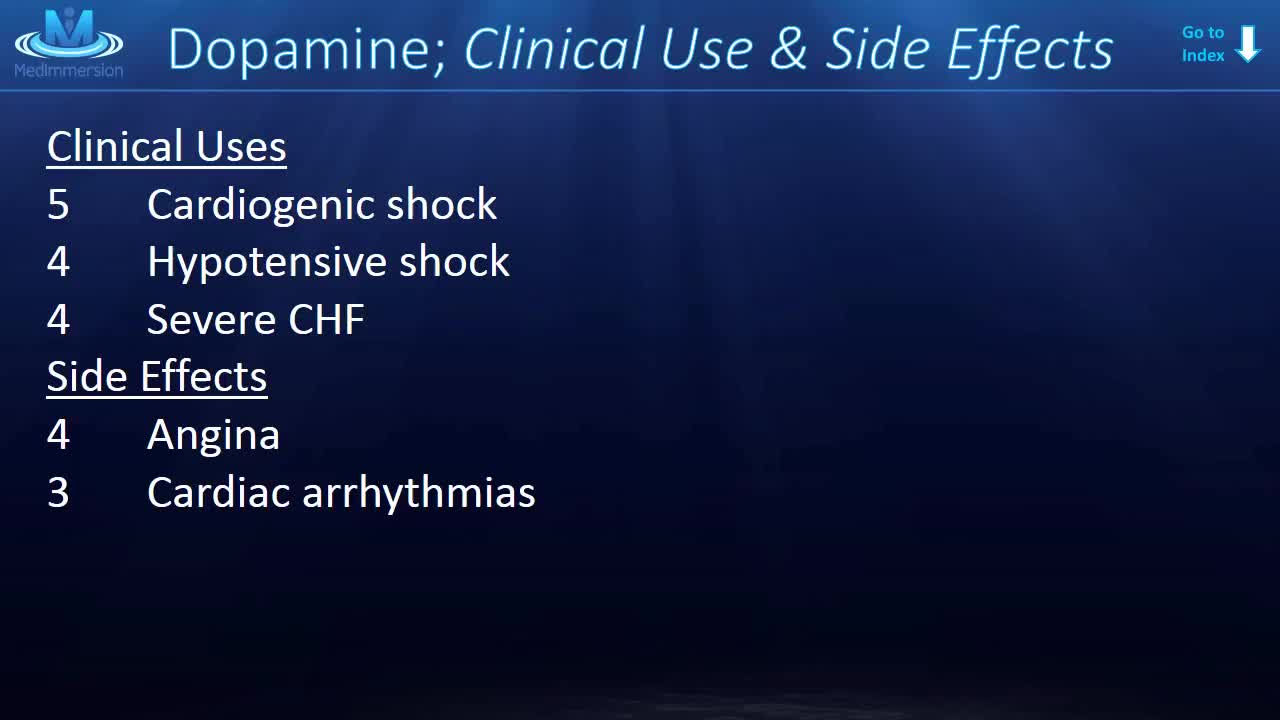
Dopamine is the one neurotransmitter that everyone seems to know about. Vaughn Bell once called it the Kim Kardashian of molecules, but I don’t think that’s fair to dopamine. Suffice it to say, dopamine’s big. And every week or so, you’ll see a new article come out all about dopamine.
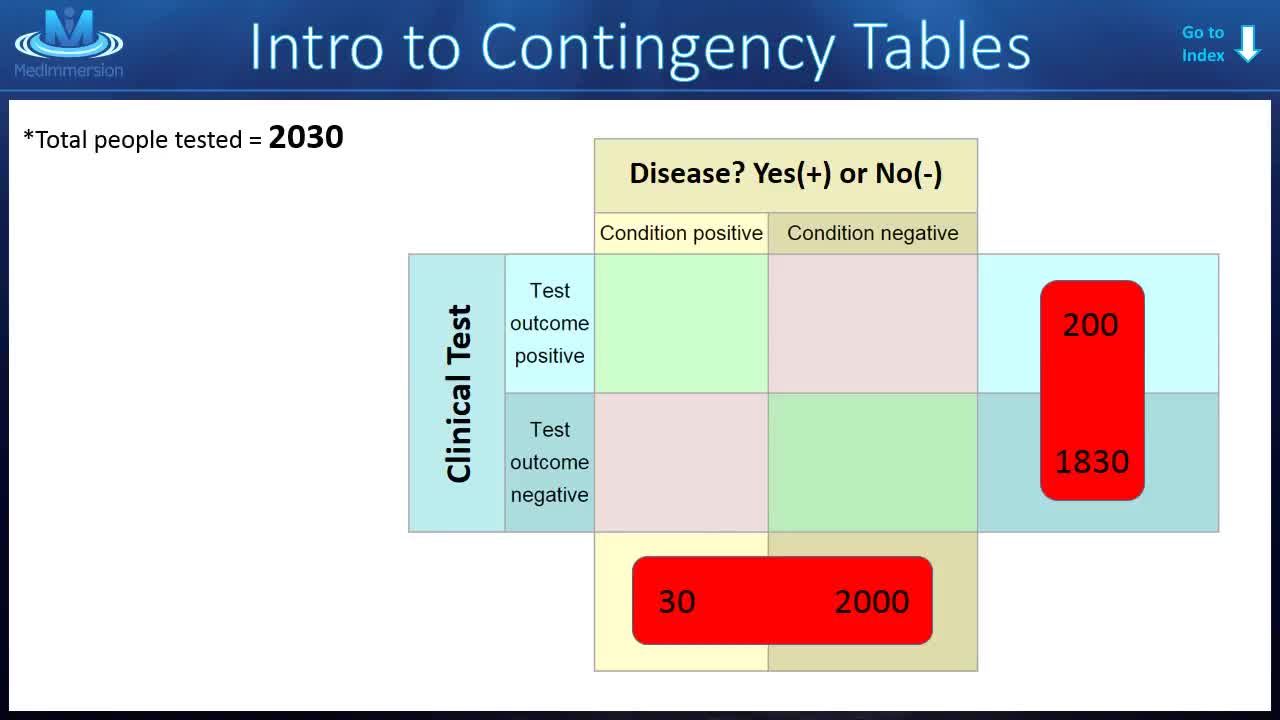
Easily understand the concepts of SENSITIVITY and SPECIFICITY! These two words can be confusing when you are first learning the basics of biostatistics. -Don't be confused..watch this lecture and understand it once and for all!

Understanding the adrenergic receptors is fundamental to a solid grasp of adrenergic pharmacology!

ACE Inhibitor Mechanisms. Angiotensin converting enzyme (ACE) inhibitors are agents used to relax blood vessels and lower blood pressure. They prevent an enzyme from producing angiotensin II, which narrows blood vessels and raises blood pressure, meaning the heart has to work harder to pump blood around the body.

This animated video covers statins, fibrates, niacin, bile resins, and ezetimibe. We will discuss mechanisms of action, which part of the lipid profile is affected by each drug, and common side effects.

Beta-blockers, also known as beta antagonists, beta-adrenergic blocking agents, or beta-adrenergic antagonists, are drugs that are prescribed to treat several different types of conditions, including hypertension (high blood pressure), angina, some abnormal heart rhythms, heart attack (myocardial infarction), anxiety, ...Jul 27, 2015
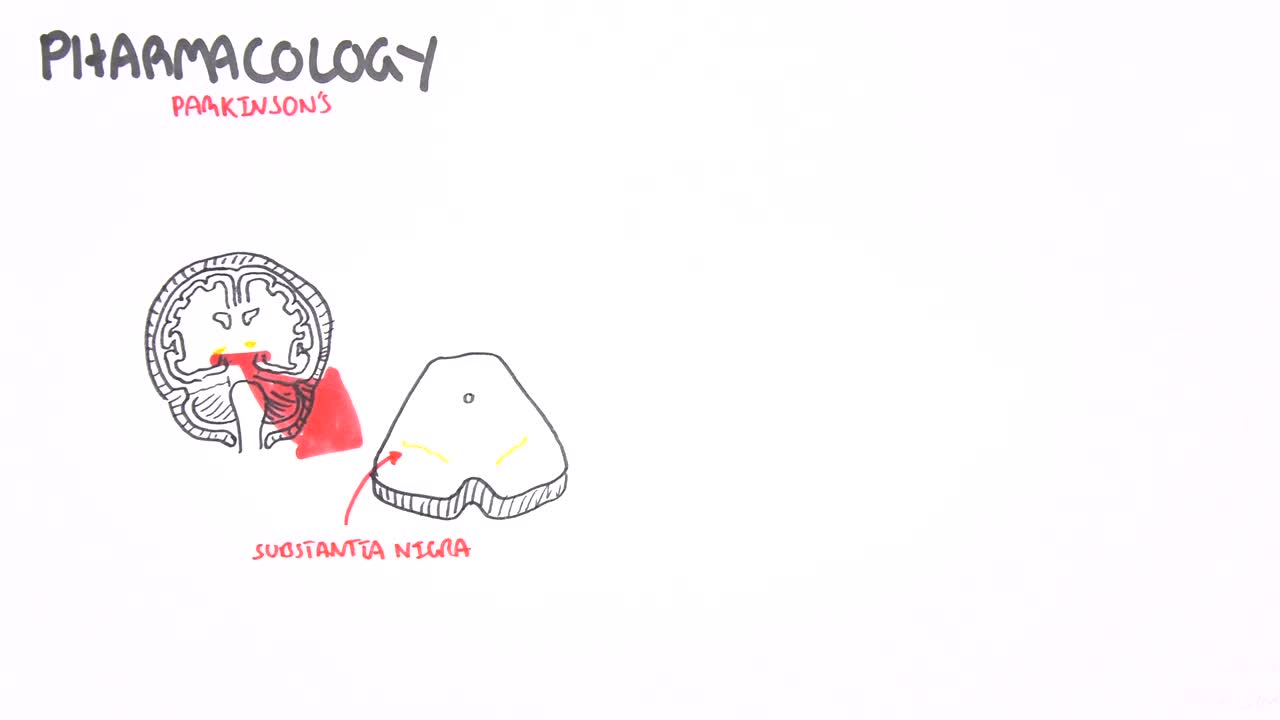
There have been rapid and remarkable changes over the recent past in treating Parkinson's disease. The development of new drugs and an understanding of how best to use them and the older drugs have significantly improved the quality of life of people with the disease. There are two general approaches to the treatment of Parkinson's disease with medication. The first approach attempts to increase the levels of dopamine in the brain and the second approach attempts to improve the symptoms of Parkinson's disease by other means. Most patients with Parkinson's disease can initially be treated with drugs that adequately alleviate their symptoms. If or when medications are not sufficiently effective, new, highly effective and safe surgical treatments are also available.
