
- Physical Examination
- Surgical Examination
- Ophthalmology
- Clinical Skills
- Orthopedics
- Surgery Videos
- Laparoscopy
- Pediatrics
- Funny Videos
- Cardiothoracic Surgery
- Nursing Videos
- Plastic Surgery
- Otorhinolaryngology
- Histology and Histopathology
- Neurosurgery
- Dermatology
- Pediatric Surgery
- Urology
- Dentistry
- Oncology and Cancers
- Anatomy Videos
- Health and Fitness
- Radiology
- Anaesthesia
- Physical Therapy
- Pharmacology
- Interventional Radiology
- Cardiology
- Endocrinology
- Gynecology
- Emergency Medicine
- Psychiatry and Psychology
- Childbirth Videos
- General Medical Videos
- Nephrology
- Physiology
- Diet and Food Health
- Diabetes Mellitus
- Neurology
- Women Health
- Osteoporosis
- Gastroenterology
- Pulmonology
- Hematology
- Rheumatology
- Toxicology
- Nuclear Medicine
- Infectious Diseases
- Vascular Disease
- Reproductive Health
- Burns and Wound Healing
- Other
Latest videos
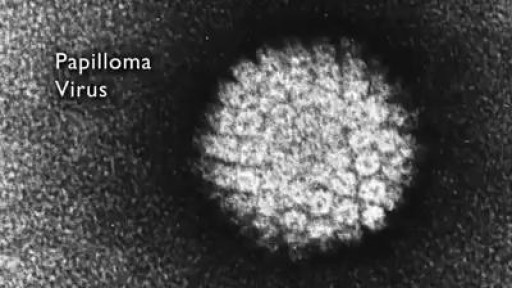

A short story about Warts, Are they contagious?
This is the future of medicine

The first transplant of a bionic eye on a patient with a rare disease.

how to calm a crying baby everytime

This coating prevents blood from sticking on medical devices
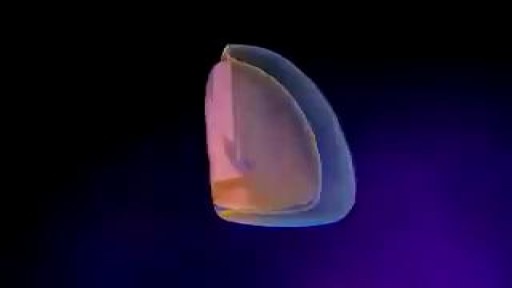
A pneumothorax occurs when some of the tiny air sacs (alveoli) in a baby's lung become overinflated and burst. This causes air to leak into the space between the lung and chest wall (pleural space). The most common cause of pneumothorax is respiratory distress syndrome. This is a condition that occurs in babies who are born too early (premature). The baby's lungs lack the slippery substance (surfactant) that helps them stay open. Therefore, the tiny air sacs are not able to expand as easily. If the baby is put on a breathing machine (mechanical ventilator), there is extra pressure on the baby's lungs, which can sometimes burst the air sacs.
If you could stand in someone else's shoes...Hear what they hear See what they see Feel what they fell Would you treat them differently?
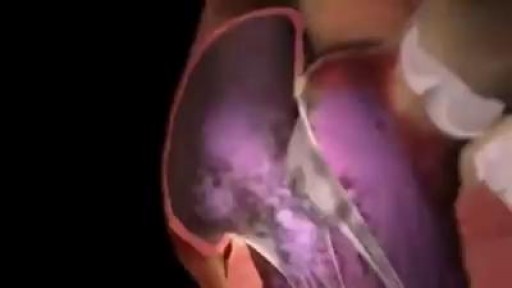
To understand congenital heart defects, it's helpful to know how a healthy heart works. Your child's heart is a muscle about the size of his or her fist. The heart works like a pump and beats 100,000 times a day. The heart has two sides, separated by an inner wall called the septum. The right side of the heart pumps blood to the lungs to pick up oxygen. The left side of the heart receives the oxygen-rich blood from the lungs and pumps it to the body. The heart has four chambers and four valves and is connected to various blood vessels. Veins are blood vessels that carry blood from the body to the heart. Arteries are blood vessels that carry blood away from the heart to the body.
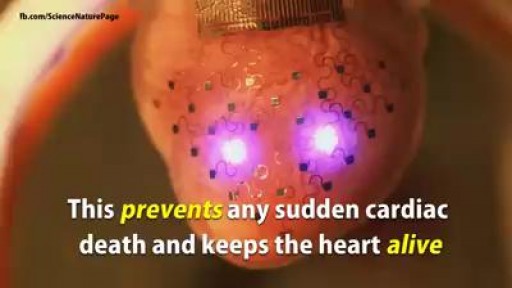
This membrane could prevent heart attacks and keep the heart alive.
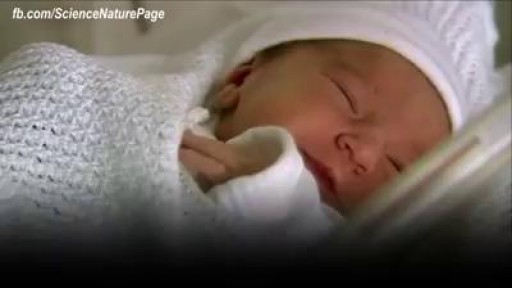
Check out the remarkable bond between the mother and her baby.
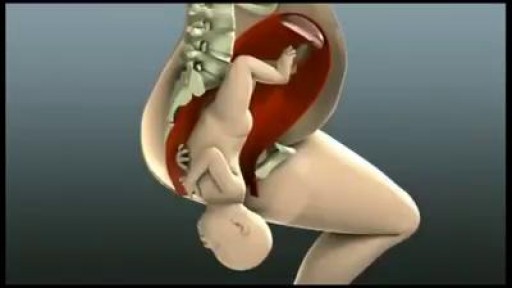
A natural, unmedicated approach to labor and birth will suit you best if you want to remain in control of your body as much as possible, be an active participant throughout labor, and have minimal routine interventions such as continuous electronic monitoring. If you choose to go this route, you accept the potential for pain and discomfort as part of giving birth. But with the right preparation and support, women often feel empowered and deeply satisfied by natural childbirth.
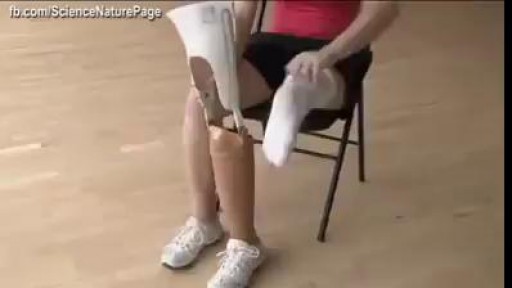
This surgical procedure helps children defeat bone cancer.
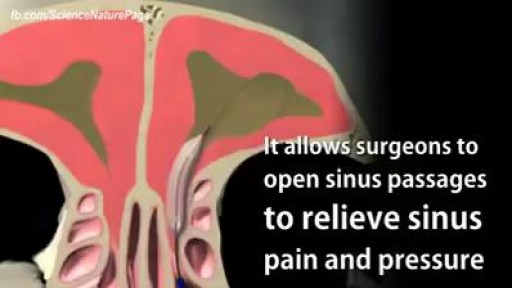
Balloon Sinuplasty for Sinus Infection
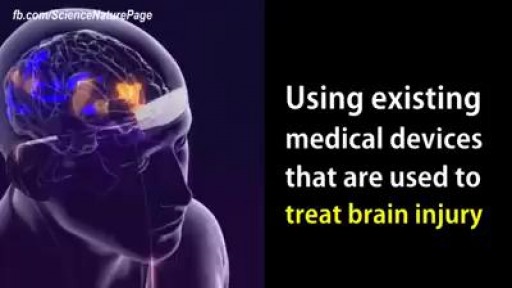
Researchers have received approval to bring 20 brain-dead humans back to life

This upgraded ultrasound device allows you to see your organs with the help of augmented reality glasses
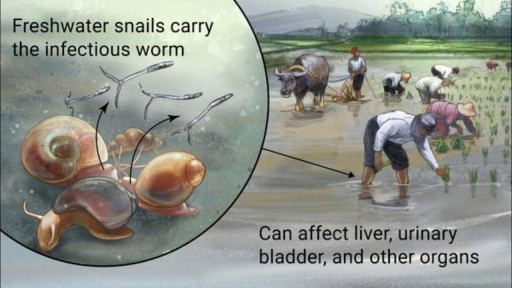
Schistosomiasis is a parasitic disease caused by flukes (trematodes) of the genus Schistosoma. After malaria and intestinal helminthiasis, schistosomiasis is the third most devastating tropical disease in the world, being a major source of morbidity and mortality for developing countries in Africa, South America, the Caribbean, the Middle East, and Asia. (See Epidemiology and Prognosis.) [1] More than 207 million people, 85% of who live in Africa, are infected with schistosomiasis, [1] and an estimated 700 million people are at risk of infection in 76 countries where the disease is considered endemic, as their agricultural work, domestic chores, and recreational activities expose them to infested water. [1, 2] Globally, 200,000 deaths are attributed to schistosomiasis annually. [3] Transmission is interrupted in some countries. [2] (See Etiology and Epidemiology.)
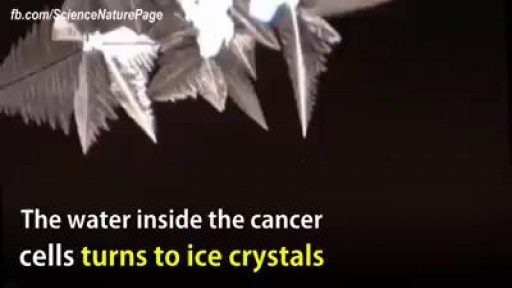
This device can freeze breast cancer.
This device could prevent migraine headaches.
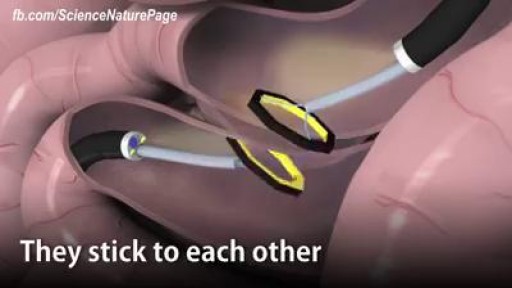
This system treats type 2 diabetes by promoting weight loss.
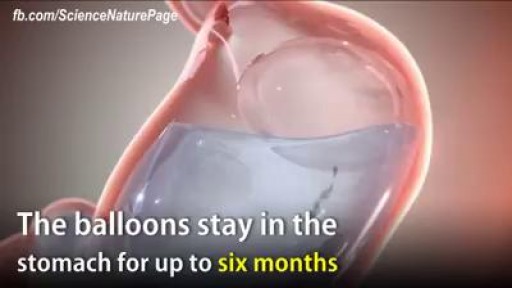
Interesting method to help obese patients lose weight.
