
- Physical Examination
- Surgical Examination
- Ophthalmology
- Clinical Skills
- Orthopedics
- Surgery Videos
- Laparoscopy
- Pediatrics
- Funny Videos
- Cardiothoracic Surgery
- Nursing Videos
- Plastic Surgery
- Otorhinolaryngology
- Histology and Histopathology
- Neurosurgery
- Dermatology
- Pediatric Surgery
- Urology
- Dentistry
- Oncology and Cancers
- Anatomy Videos
- Health and Fitness
- Radiology
- Anaesthesia
- Physical Therapy
- Pharmacology
- Interventional Radiology
- Cardiology
- Endocrinology
- Gynecology
- Emergency Medicine
- Psychiatry and Psychology
- Childbirth Videos
- General Medical Videos
- Nephrology
- Physiology
- Diet and Food Health
- Diabetes Mellitus
- Neurology
- Women Health
- Osteoporosis
- Gastroenterology
- Pulmonology
- Hematology
- Rheumatology
- Toxicology
- Nuclear Medicine
- Infectious Diseases
- Vascular Disease
- Reproductive Health
- Burns and Wound Healing
- Other
Latest videos


James Burke Fine DMD by James Burke Fine DMD Periodontal disease is a gum condition caused by the buildup of bacteria along and below the teeth's gumline. Acute forms are usually associated with pain from oral tissue gone bad – also known as necrotizing gingivitis or trench mouth – whereas chronic forms are painless but have a more long-term impact on your overall, systemic health. The most common chronic form is gingivitis, whose bleeding, puffiness and redness comes from an organized mass of bacteria called plaque. You may know it can advance into a form called periodontitis. If these conditions are left untreated, however, it can also lead to infections within other parts of the body, such as the lungs.

Pulmonary fibrosis is a condition in which the tissue deep in your lungs becomes scarred over time. This tissue gets thick and stiff. That makes it hard for you to catch your breath, and your blood may not get enough oxygen. Causes of pulmonary fibrosis include environmental pollutants, some medicines, some connective tissue diseases, and interstitial lung disease. Interstitial lung disease is the name for a large group of diseases that inflame or scar the lungs. In most cases, the cause cannot be found. This is called idiopathic pulmonary fibrosis
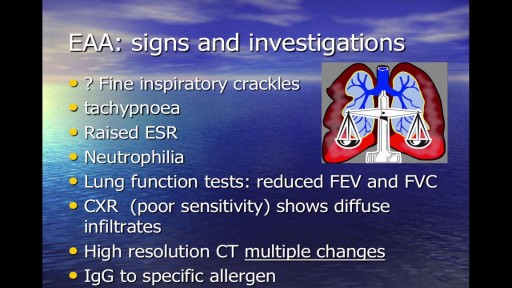
Occupational respiratory disease is any lung condition you get at work. Certain workplaces lend themselves to disease. The most common are coalmines and factories or areas with high amounts of toxins. These include asbestos and silica dust, as well as smoke, fumes, gases, and other particles. Types of occupational respiratory disease include: coal workers’ pneumoconiosis, also known as Black Lung Disease asbestosis silicosis farmers’ lung, also known as allergic alveolitis. It also includes forms of asthma, bronchitis, or emphysema.
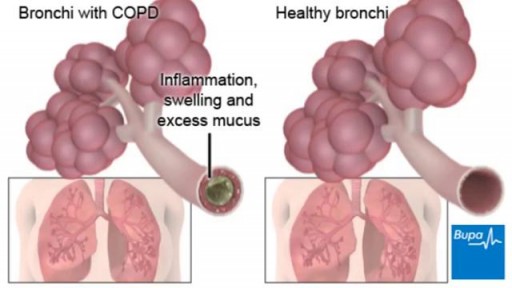
COPD (chronic obstructive pulmonary disease) makes it hard for you to breathe. The two main types are chronic bronchitis and emphysema. The main cause of COPD is long-term exposure to substances that irritate and damage the lungs. This is usually cigarette smoke. Air pollution, chemical fumes, or dust can also cause it. At first, COPD may cause no symptoms or only mild symptoms. As the disease gets worse, symptoms usually become more severe. They include A cough that produces a lot of mucus Shortness of breath, especially with physical activity Wheezing Chest tightness Doctors use lung function tests, imaging tests, and blood tests to diagnose COPD. There is no cure. Treatments may relieve symptoms. They include medicines, oxygen therapy, surgery, or a lung transplant. Quitting smoking is the most important step you can take to treat COPD.

Obstructive lung diseases include conditions that make it hard to exhale all the air in the lungs. People with restrictive lung disease have difficulty fully expanding their lungs with air. Obstructive and restrictive lung disease share the same main symptom: shortness of breath with exertion.

Bovine respiratory disease (BRD) has a multifactorial etiology and develops as a result of complex interactions between environmental factors, host factors, and pathogens. Environmental factors (eg, weaning, transport, commingling, crowding, inclement weather, dust, and inadequate ventilation) serve as stressors that adversely affect the immune and nonimmune defense mechanisms of the host. In addition, certain environmental factors (eg, crowding and inadequate ventilation) can enhance the transmission of infectious agents among animals. Many infectious agents have been associated with BRD. An initial pathogen (eg, a virus) may alter the animal’s defense mechanisms, allowing colonization of the lower respiratory tract by bacteria.

The Irish Thoracic Society speak about the importance of Exercise with Chronic or Acute Respiratory illnesses/ Diseases and respiratory distress
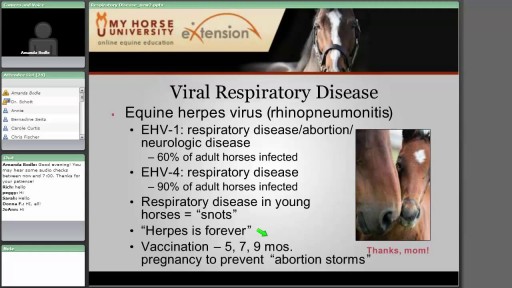
These air sacs make up most of the lung tissue. Lung diseases affecting the alveoli include: Pneumonia: An infection of the alveoli, usually by bacteria. Tuberculosis: A slowly progressive pneumonia caused by the bacteria Mycobacterium tuberculosis. Chronic respiratory diseases are chronic diseases of the airways and other structures of the lung. Some of the most common are: asthma, chronic obstructive pulmonary disease, occupational lung diseases and pulmonary hypertension.

A peak flow meter is an inexpensive, portable, handheld device for those with asthma that is used to measure how well air moves out of your lungs. Measuring your peak flow using this meter is an important part of managing your asthma symptoms and preventing an asthma attack.

Everything You Need To Know about injections

The Irish Thoracic Society explain the Active Cycle of Breathing Technique for patients with acute and chronic respiratory illnesses and diseases and respiratory distress
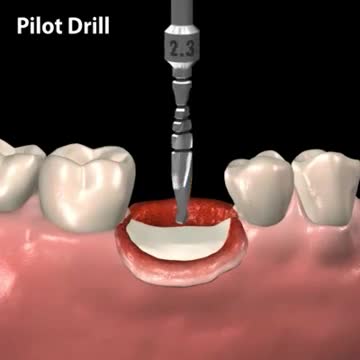
Dental implant surgery is a procedure that replaces tooth roots with metal, screwlike posts and replaces damaged or missing teeth with artificial teeth that look and function much like real ones. Dental implant surgery can offer a welcome alternative to dentures or bridgework that doesn't fit well. How dental implant surgery is performed depends on the type of implant and the condition of your jawbone. Dental implant surgery may involve several procedures. The major benefit of implants is solid support for your new teeth — a process that requires the bone to heal tightly around the implant. Because this healing requires time, the process can take many months.
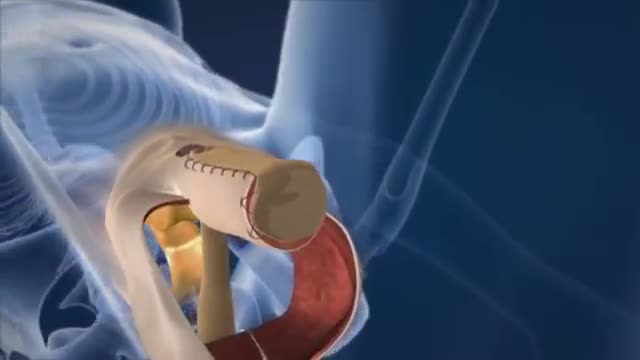
Sex reassignment surgery for male-to-female involves reshaping the male genitals into a form with the appearance of, and, as far as possible, the function of female genitalia. Prior to any surgeries, patients usually undergo hormone replacement therapy (HRT), and, depending on the age at which HRT begins, facial hair removal. There are associated surgeries patients may elect to, including facial feminization surgery, breast augmentation, and various other procedures.

CMV is a common virus in the same family as herpesvirus, and it can infect anyone. CMV is spread by direct contact of body fluids, such as saliva, blood, urine, semen, vaginal fluids, and breast milk. Thus breastfeeding, blood transfusions, organ transplants, and sexual contact are possible modes of transmission. Most healthy people do not experience any symptoms when infected with CMV, and it does not pose a serious health concern. A majority of adults have antibodies consistent with past infection. Most healthy children and adults who do have symptoms will recover from CMV infection without complications and do not require antiviral treatment. However, in those with a weakened immune system, CMV can cause serious disease (retinitis, hepatitis, colitis, pneumonia, or encephalitis).

Epstein-Barr is the virus that causes mononucleosis. You might know this disease better by its nickname, "mono." It's also called the "kissing disease" because of one way you can spread it to someone else. Even though Epstein-Barr virus (EBV) isn't a household name, you've probably been infected without knowing it. Lots of people carry the virus but don't get sick
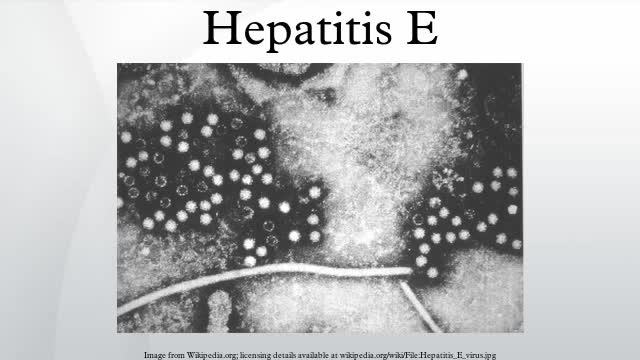
Hepatitis E is a virus that can infect the liver. Unlike other forms of hepatitis, the hepatitis E virus usually doesn't lead to long-term illness or serious liver damage. Most people get well within a few months.

Hepatitis D, also known as the delta virus, is an infection that causes the liver to become inflamed. This swelling can impair liver function and cause long-term liver problems, including liver scarring and cancer. The condition is caused by the hepatitis D virus (HDV). This virus is rare in the United States, but it’s fairly common in the following regions: South America West Africa Russia Pacific islands Central Asia the Mediterranean

Hepatitis B is a liver infection caused by the Hepatitis B virus (HBV). Hepatitis B is transmitted when blood, semen, or another body fluid from a person infected with the Hepatitis B virus enters the body of someone who is not infected. This can happen through sexual contact; sharing needles, syringes, or other drug-injection equipment; or from mother to baby at birth. For some people, hepatitis B is an acute, or short-term, illness but for others, it can become a long-term, chronic infection. Risk for chronic infection is related to age at infection: approximately 90% of infected infants become chronically infected, compared with 2%–6% of adults. Chronic Hepatitis B can lead to serious health issues, like cirrhosis or liver cancer. The best way to prevent Hepatitis B is by getting vaccinated.

The hepatitis A virus, which causes the infection, usually is spread when a person ingests even tiny amounts of contaminated fecal matter. The hepatitis A virus infects liver cells and causes inflammation. The inflammation can impair liver function and cause other signs and symptoms of hepatitis A. Hepatitis A virus can be transmitted several ways, such as: Eating food handled by someone with the virus who doesn't thoroughly wash his or her hands after using the toilet Drinking contaminated water Eating raw shellfish from water polluted with sewage Being in close contact with a person who's infected — even if that person has no signs or symptoms Having sex with someone who has the virus

Hepatitis A signs and symptoms, which typically don't appear until you've had the virus for a few weeks, may include: Fatigue Nausea and vomiting Abdominal pain or discomfort, especially in the area of your liver on your right side beneath your lower ribs Clay-colored bowel movements Loss of appetite Low-grade fever Dark urine Joint pain Yellowing of the skin and eyes (jaundice) If you have hepatitis A, you may have a mild illness that lasts a few weeks or a severe illness that lasts several months. Not everyone with hepatitis A develops signs or symptoms.
