
- Physical Examination
- Surgical Examination
- Ophthalmology
- Clinical Skills
- Orthopedics
- Surgery Videos
- Laparoscopy
- Pediatrics
- Funny Videos
- Cardiothoracic Surgery
- Nursing Videos
- Plastic Surgery
- Otorhinolaryngology
- Histology and Histopathology
- Neurosurgery
- Dermatology
- Pediatric Surgery
- Urology
- Dentistry
- Oncology and Cancers
- Anatomy Videos
- Health and Fitness
- Radiology
- Anaesthesia
- Physical Therapy
- Pharmacology
- Interventional Radiology
- Cardiology
- Endocrinology
- Gynecology
- Emergency Medicine
- Psychiatry and Psychology
- Childbirth Videos
- General Medical Videos
- Nephrology
- Physiology
- Diet and Food Health
- Diabetes Mellitus
- Neurology
- Women Health
- Osteoporosis
- Gastroenterology
- Pulmonology
- Hematology
- Rheumatology
- Toxicology
- Nuclear Medicine
- Infectious Diseases
- Vascular Disease
- Reproductive Health
- Burns and Wound Healing
- Other
Top videos

USMLE Step 2 CS - LGIB This is just preview video. To get full access please visit our website : www.usmletutoring.com
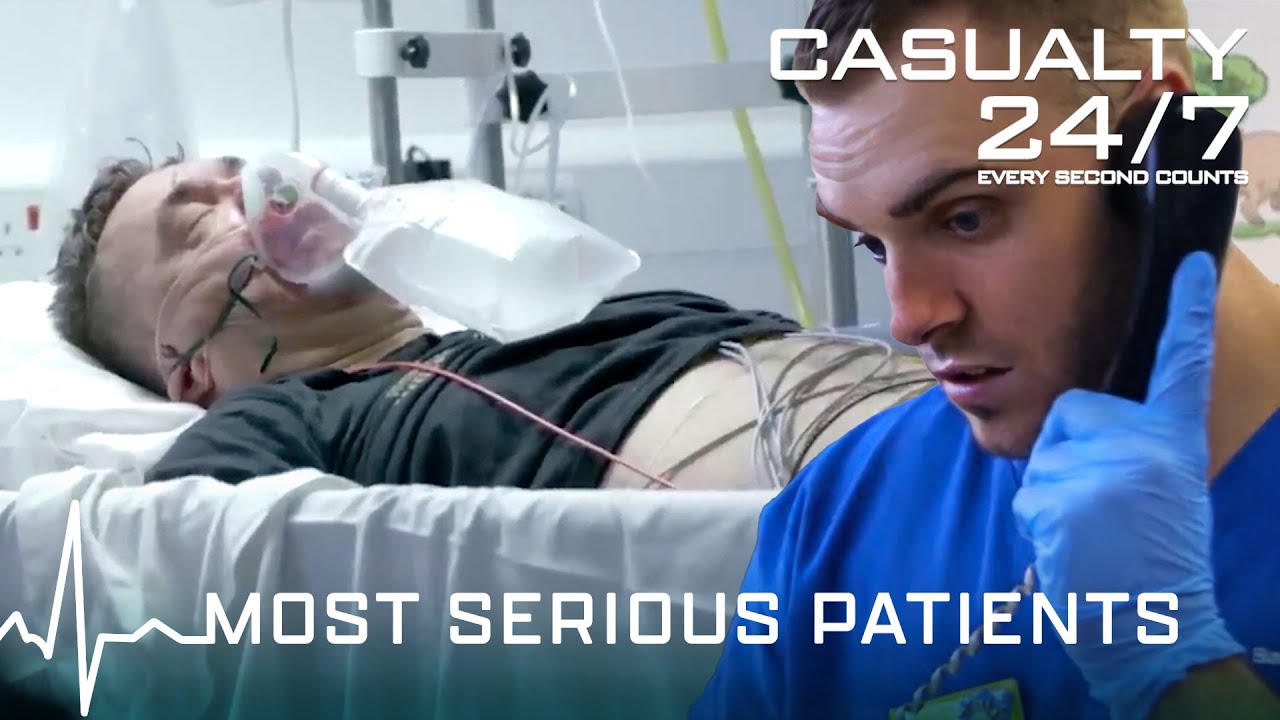
In this compilation, Barnsley Hospital is facing a very busy day with a high number of patients being treated, the doctors and nurses face some of their toughest shifts when they treat critical patients and rare illnesses as well as making tough decisions.
⌚️Timecodes:
00:00 Season 2 Episode 1
08:56 Season 4 Episode 1
16:53 Season 3 Episode 10
30:36 Season 3 Episode 13
37:45 Season 2 Episode 9
46:51 Season 1 Episode 2
52:52 Season 1 Episode 3
58:02 Season 2 Episode 2
01:09:39 Season 2 Episode 11
01:18:37 Season 2 episode 12
🟦 Click Link below to subscribe: https://www.youtube.com/channe....l/UCHPgATT2HtFrxmueq
About Casualty 24/7:
Casualty 24/7 shows how the doors of Barnsley A&E department are open every hour, of every day. They allow a peek inside their medical emergency teams, and how they deal with critical situations revolving around people's lives and illnesses. The team are close-knit and exchange typical Yorkshire humour to get them through their often long and tough days.
Watch our playlists:
🔵 Season 1 Full Episodes | Casualty 24/7:
https://www.youtube.com/playli....st?list=PLWrY8x74oDM
🔵 Season 2 Full Episodes | Casualty 24/7:
https://www.youtube.com/playli....st?list=PLWrY8x74oDM
🔵 Season 3 Full Episodes | Casualty 24/7:
https://www.youtube.com/playli....st?list=PLWrY8x74oDM
🔵 Season 4 Full Episodes | Casualty 24/7:
https://www.youtube.com/playli....st?list=PLWrY8x74oDM
🔵 Compilation Videos of Casualty 24/7:
https://www.youtube.com/playli....st?list=PLWrY8x74oDM
#SeriousIllness #Casualty247 #EmergencyServices #AandE #BHNFT #OurFutureSouthYorkshire

Histology of all the different types of cartilage. This video is a part of our Histology Video Course (https://youtube.com/playlist?l....ist=PLnr1l7WuQdDynxT
All Histology Videos: https://youtube.com/playlist?l....ist=PLnr1l7WuQdDynxT
Thank you to our sponsor Doc2Doc Lending, the Personal Lending platform designed for Doctors, by Doctors. Check out https://doc2doclending.com/davinci to learn more today.
Additional YouTube Content
Biochemistry videos: https://youtube.com/playlist?l....ist=PLnr1l7WuQdDzCUC
Anatomy Videos: https://youtube.com/playlist?l....ist=PLnr1l7WuQdDz2dK
DaVinci Cases Videos: https://youtube.com/playlist?l....ist=PLnr1l7WuQdDyJUl
The DaVinci Hour Podcast: https://youtube.com/playlist?l....ist=PLnr1l7WuQdDwSm9
DaVinci Academy Website: https://www.dviacademy.com/
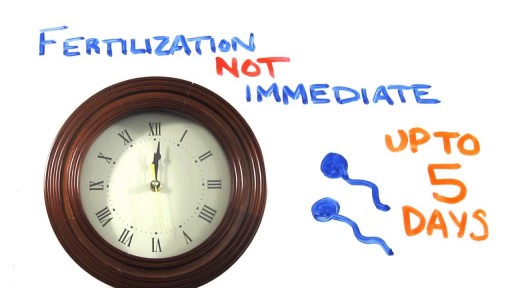
Emergency contraception is a method of birth control you can use if you had sex without using birth control or if your birth control method did not work correctly. You must use emergency contraception as soon as possible after unprotected sex. Emergency contraception pills are different from the abortion pill. If you are already pregnant, emergency contraception pills do not stop or harm your pregnancy. Emergency contraception has also been called the "morning-after pill," but you do not need to wait until the morning after unprotected sex to take it. Emergency contraception is not meant to be used for regular birth control. Talk to your doctor or nurse about regular birth control to help prevent pregnancy. Nearly half of all pregnancies in the United States are unplanned.1
Try our MULTIPLE CHOICE QUESTIONS and WATCH MORE VIDEOS at www.boxmedicine.com!
Inguinal and femoral hernias need not be confusing. In this tutorial you will be presented with colourful diagrams and animations to cover important areas, such as the anatomy of what goes on in these two conditions, the examination of groin hernias and a simple explanation of the difference between incarceration, strangulation and obstruction, in and amongst a systematic look at the clinical topic. More tutorials at www.boxmedicine.com.
Vasculitis is an inflammation of your blood vessels. It causes changes in the walls of blood vessels, including thickening, weakening, narrowing and scarring. These changes restrict blood flow, resulting in organ and tissue damage. There are many types of vasculitis, and most of them are rare. Vasculitis might affect just one organ, such as your skin, or it may involve several. The condition can be short term (acute) or long lasting (chronic). Vasculitis can affect anyone, though some types are more common among certain groups. Depending on the type you have, you may improve without treatment. Or you will need medications to control the inflammation and prevent flare-ups. Vasculitis is also known as angiitis and arteritis.
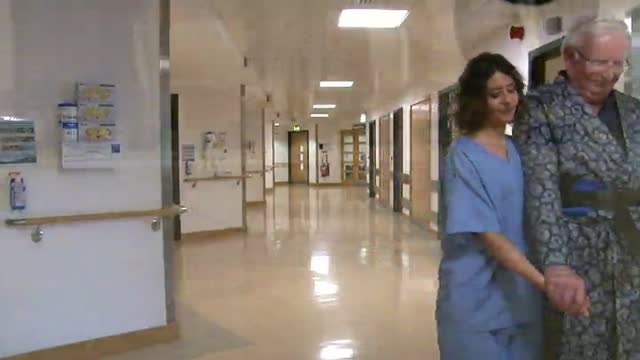
The 30 minute DVD:
introduces moving and handling of people
describes safer people handling practices
features specialist guidance from a chartered physiotherapist
outlines the process for people handling risk assessments
sets out the principles of safer handling
demonstrates the key safer handling techniques:
rolling a person
inserting and removing sliding sheets
repositioning people using sliding sheets
assisting people to stand and walk with handling belts
the use of roll boards in lateral transfers
using hoists
highlights the important role you play in safer people handling
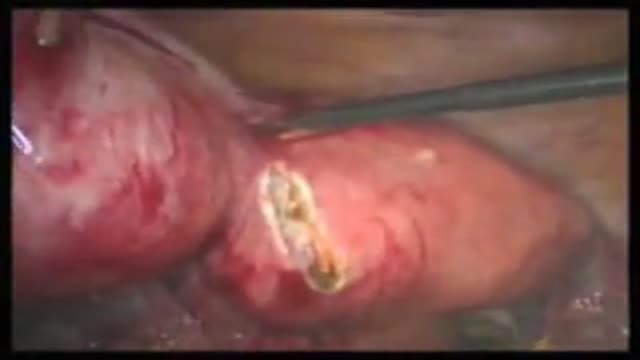
Myomectomy means the surgical removal of just the fibroid, with reconstruction and repair of the uterus. There are now a number of techniques used to perform myomectomy: through an abdominal incision, vaginal incision, with a laparoscope
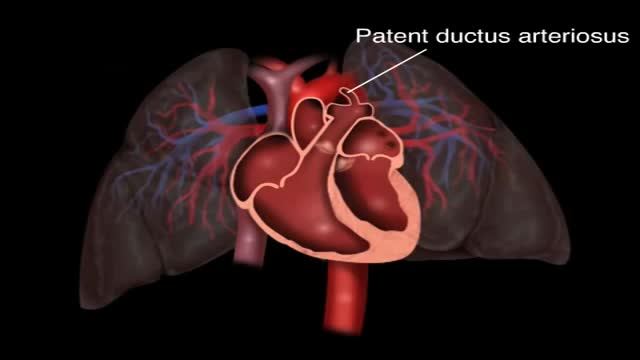
Patent ductus arteriosus (PDA) is a persistent opening between two major blood vessels leading from the heart. The opening, called the ductus arteriosus, is a normal part of a baby's circulatory system before birth that usually closes shortly after birth. If it remains open, however, it's called a patent ductus arteriosus.
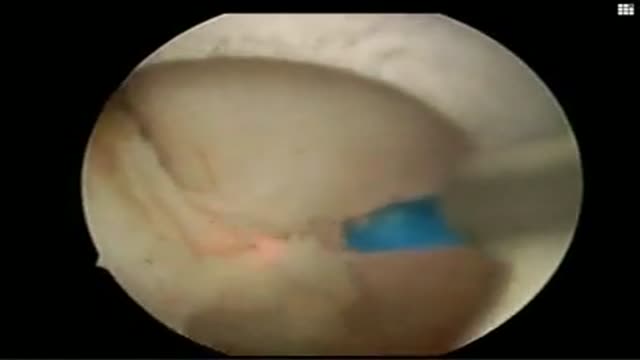
HoLEP (Holmium laser enucleation of prostate)
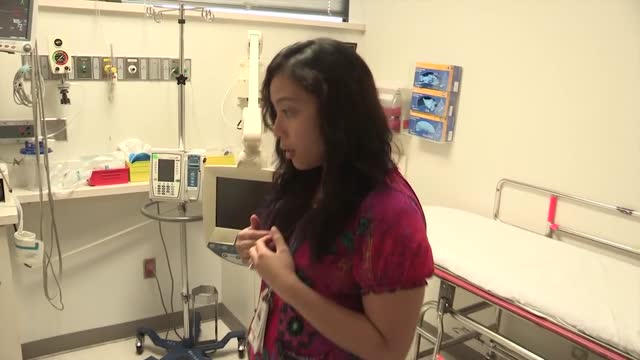
Many children receive MRIs at the hospital, and it can often be a scary experience if they are unprepared or don't know what to expect.
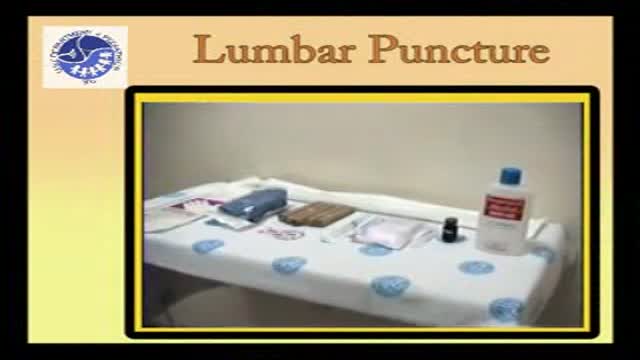
Pediatric Lumbar puncture
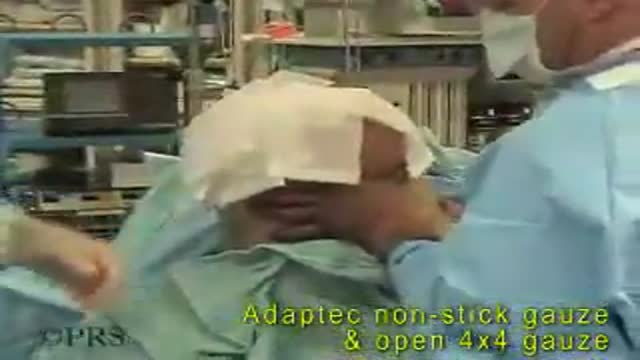
Bandaging a freshly above the knee amputated limb
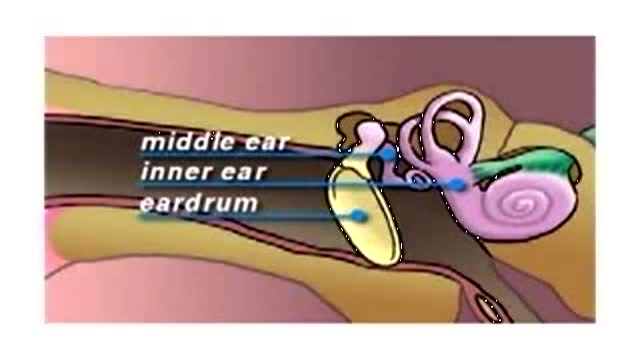
Myringotomy is the surgery to place tubes in the ear. This animated video reviews the anatomy of the ear and what happens after frequent infection. As well as treatment with tubes in the ear or myringotomy.
Sialadenitis is an infection of the salivary glands. It is usually caused by a virus or bacteria . The parotid (in front of the ear) and submandibular (under the chin) glands are most commonly affected. Sialadenitis may be associated with pain, tenderness, redness, and gradual, localized swelling of the affected area.
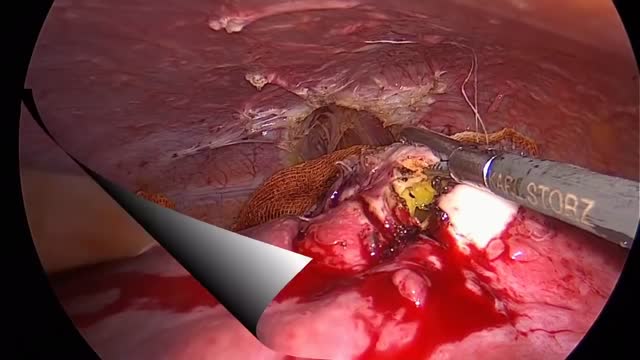
, Liver hydatid cysts of the liver was treated with laparoscopic intervantion . The cysts was located in the eight segment of the liver.
How are seizures and epilepsy treated? What should I do if someone has a seizure? When seizure medications don't work, what else can be tried? These are just a few of the questions that you'll find answered here. Some treatment goals are common to everyone. Everyone should know what to do when a person is having a seizure. All people with seizures and their families should know that the real goal of treating epilepsy is to stop seizures or control them as best as possible. But you are more than just a seizure and how epilepsy affects you and your family may be different from someone else. Don't forget the most important goal of the Epilepsy Foundation - helping people with seizures and their families lead full and unrestricted lives according to their own wishes. Patient and doctor discussing treatment options"No seizures, no side effects" is the motto for epilepsy treatment. Not every person will reach that goal right now, but research and getting the "right care at the right time" can help more people achieve it each year. You may learn things here that can help you right away or later on. While seizure medicines are the mainstay of epilepsy treatment, there are other approaches to think about too. We hope these sections will help you learn about different treatments and get the help you need. Learn about the basics of Treatment 101 to help you get started. Look at Receiving Quality Care to see what to expect when you have just been diagnosed or after you have already started treatment. Then learn about specific treatments, what to do if seizures don't stop, and how to develop your health care team. You'll also find tools to help you manage your epilepsy or learn about research studies in other sections, so don't stop here!
This case study video from www.5thavesurgery.com shows a 19 year old patient getting breast reduction surgery in NYC. This surgery made a tremendous difference in the life of this young woman, see how it can do the same for you.
Can Marijuana Treat Alzheimer's Disease?
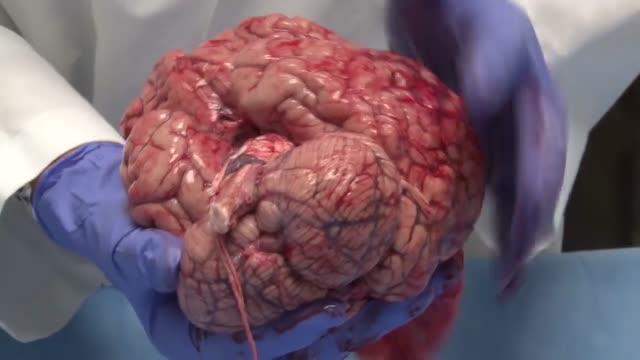
The human brain is the command center for the human nervous system. It receives input from the sensory organs and sends output to the muscles. The human brain has the same basic structure as other mammal brains, but is larger in relation to body size than any other brains.
