
- Physical Examination
- Surgical Examination
- Ophthalmology
- Clinical Skills
- Orthopedics
- Surgery Videos
- Laparoscopy
- Pediatrics
- Funny Videos
- Cardiothoracic Surgery
- Nursing Videos
- Plastic Surgery
- Otorhinolaryngology
- Histology and Histopathology
- Neurosurgery
- Dermatology
- Pediatric Surgery
- Urology
- Dentistry
- Oncology and Cancers
- Anatomy Videos
- Health and Fitness
- Radiology
- Anaesthesia
- Physical Therapy
- Pharmacology
- Interventional Radiology
- Cardiology
- Endocrinology
- Gynecology
- Emergency Medicine
- Psychiatry and Psychology
- Childbirth Videos
- General Medical Videos
- Nephrology
- Physiology
- Diet and Food Health
- Diabetes Mellitus
- Neurology
- Women Health
- Osteoporosis
- Gastroenterology
- Pulmonology
- Hematology
- Rheumatology
- Toxicology
- Nuclear Medicine
- Infectious Diseases
- Vascular Disease
- Reproductive Health
- Burns and Wound Healing
- Other
Top videos
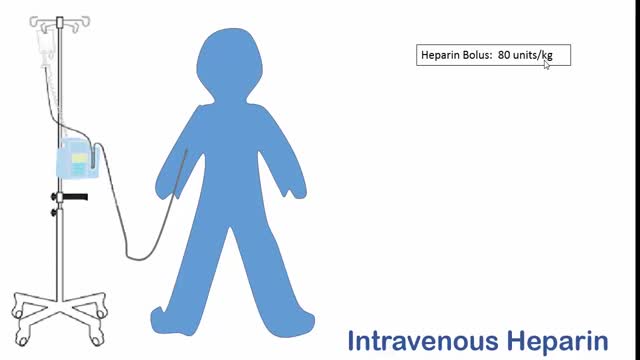

What is heparin injection? Heparin is an anticoagulant (blood thinner) that prevents the formation of blood clots. Heparin is used to treat and prevent blood clots in the veins, arteries, or lung. It is also used before surgery to reduce the risk of blood clots. Heparin works by inactivating thrombin in the clotting process. This stops the formation of fibrin and so stops blood clots forming. Heparin is used to treat blood clots that have formed abnormally inside the blood vessels. It can also be used to prevent these types of dangerous blood clots.

Examination of Varicose Veins
Osteochondral Allograft

This shows a full Abdominoplasty surgery performed by Dr. Art Foley in Olympia Washington. Abdominoplasty is also commonly referred to as a "Tummy Tuck." Tummy tuck is a surgical procedure also known as abdominoplasty to remove excess skin and fat from the middle and lower abdomen and to tighten the muscles of the abdominal wall. The procedure can dramatically reduce the appearance of a protruding abdomen. But bear in mind, it does produce a permanent scar.

Fibroma Excision in the Cheek

Its technical name is selective laser trabeculoplasty or SLT. It's a virtually painless, minimally invasive procedure that provides several benefits over conventional treatments for glaucoma. ~ Detroit Medical Center
Myasthenia gravis is a chronic autoimmune neuromuscular disease characterized by varying degrees of weakness of the skeletal (voluntary) muscles of the body. The name myasthenia gravis, which is Latin and Greek in origin, literally means "grave muscle weakness."
Totally Laparoscopic Collis-Nissen Fundoplication
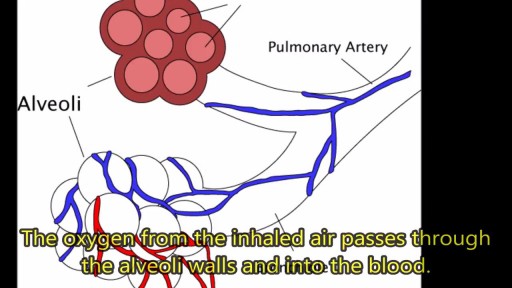
ECMO is used in infants who are sick due to breathing or heart problems. The purpose of ECMO is to provide enough oxygen to the baby while allowing time for the lungs and heart to rest or heal. The most common conditions that may require ECMO are: Congenital diaphragmatic hernia (CDH) Birth defects of the heart Meconium aspiration syndrome (MAS) Severe pneumonia Severe air leak problems Severe high blood pressure in the arteries of the lungs (PPHN)
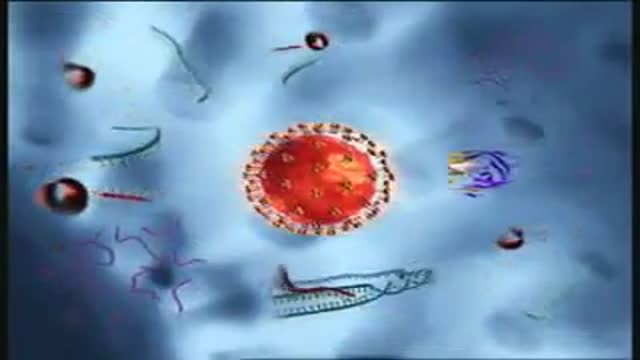
Binding and Fusion: HIV begins its life cycle
when it binds to a CD4 receptor and one of two
co-receptors on the surface of a CD4+
Tlymphocyte. The virus then fuses with the host
cell. After fusion, the virus releases RNA, its
genetic material, into the host cell.
Reverse Transcription: An HIV enzyme
called reverse transcriptase converts the singlestranded HIV RNA to double-stranded HIV DNA.
Integration: The newly formed HIV DNA
enters the host cell's nucleus, where an HIV
enzyme called integrase "hides" the HIV DNA
within the host cell's own DNA. The integrated
HIV DNA is called provirus. The provirus may
remain inactive for several years, producing few or
no new copies of HIV
Transcription: When the host cell receives a
signal to become active, the provirus uses a host
enzyme called RNA polymerase to create copies of
the HIV genomic material, as well as shorter
strands of RNA called messenger RNA (mRNA).
The mRNA is used as a blueprint to make long
chains of HIV proteins.
Assembly: An HIV enzyme called protease cuts
the long chains of HIV proteins into smaller
individual proteins. As the smaller HIV proteins
come together with copies of HIV's RNA genetic
material, a new virus particle is assembled.
Budding: The newly assembled virus pushes out
("buds") from the host cell. During budding, the new
virus steals part of the cell's outer envelope. This
envelope, which acts as a covering, is studded with
protein/sugar combinations called HIV
glycoproteins. These HIV glycoproteins are
necessary for the virus to bind CD4 and coreceptors. The new copies of HIV can now move
on to infect other cells.

The Role and Function of Nursing

Watch that video to see how black salve left inch-wide hole in man's face

A Dutch patient talks about his knee replacement experience in India. Oxinium knee replacement performed for him by Dr.Venkatachalam of www.kneeindia.com
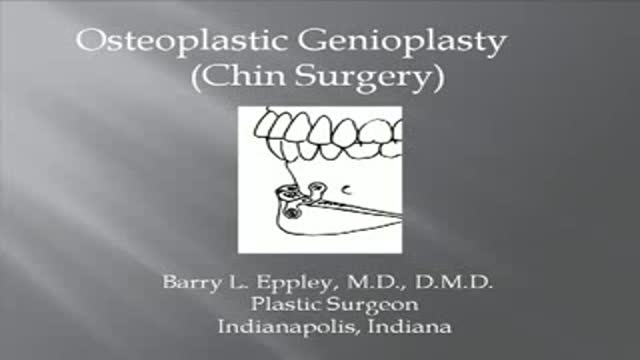
Plastic Surgery of the Chin
TV Interview with Dr. Mostafa Yakoot, MD about the novel Influenza H1N1 (Swine Flu)
Updates in triage and management.
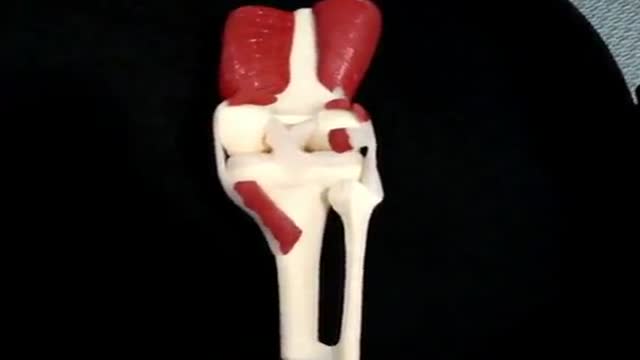
The knee joint is the largest joint in the body, consisting of 4 bones and an extensive network of ligaments and muscles. Injuries to the knee joint are amongst the most common in sporting activities and understanding the anatomy of the joint is fundamental in understanding any subsequent pathology.

Inguinal hernia repair without mesh, Desarda Repair, no recurrence, pain, no mesh hernia surgery, hernia operation, no mesh, without mesh, hernia operation, hernia surgery, new method. http://www.desarda.com

Coronary Artery Bypass Surgery CABG Heart HD

Recommendations for clipping in endoscopic stomach surgery
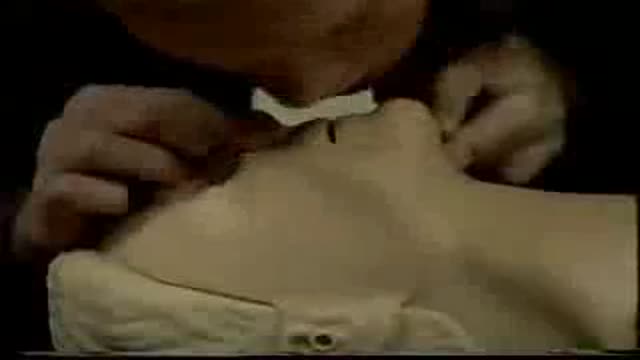
A video showing Unresponsive Airway Obstruction and how to deal with it
