
- Physical Examination
- Surgical Examination
- Ophthalmology
- Clinical Skills
- Orthopedics
- Surgery Videos
- Laparoscopy
- Pediatrics
- Funny Videos
- Cardiothoracic Surgery
- Nursing Videos
- Plastic Surgery
- Otorhinolaryngology
- Histology and Histopathology
- Neurosurgery
- Dermatology
- Pediatric Surgery
- Urology
- Dentistry
- Oncology and Cancers
- Anatomy Videos
- Health and Fitness
- Radiology
- Anaesthesia
- Physical Therapy
- Pharmacology
- Interventional Radiology
- Cardiology
- Endocrinology
- Gynecology
- Emergency Medicine
- Psychiatry and Psychology
- Childbirth Videos
- General Medical Videos
- Nephrology
- Physiology
- Diet and Food Health
- Diabetes Mellitus
- Neurology
- Women Health
- Osteoporosis
- Gastroenterology
- Pulmonology
- Hematology
- Rheumatology
- Toxicology
- Nuclear Medicine
- Infectious Diseases
- Vascular Disease
- Reproductive Health
- Burns and Wound Healing
- Other
Top videos
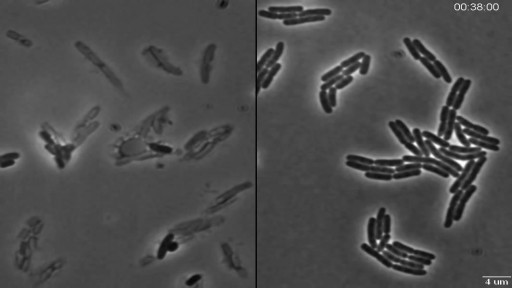

Lysis of E. Coli bacteria with penicillin
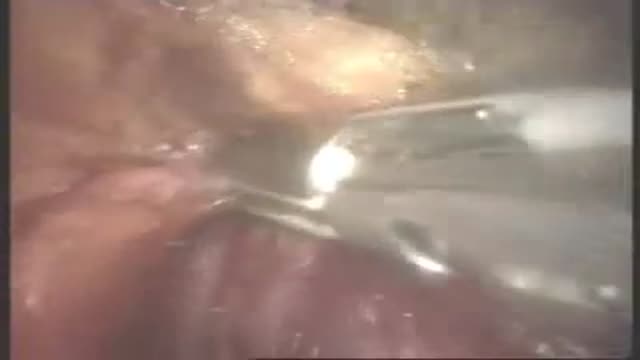
Splenectomy surgery video
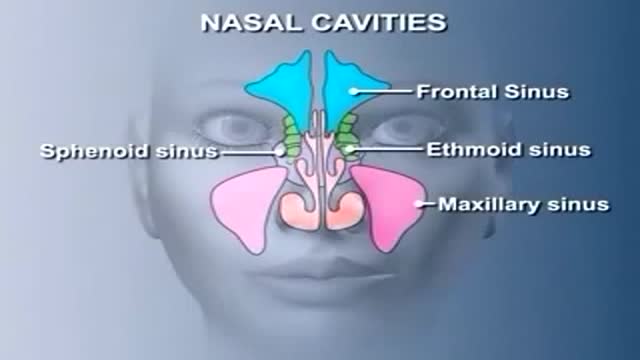
Nose Anatomy
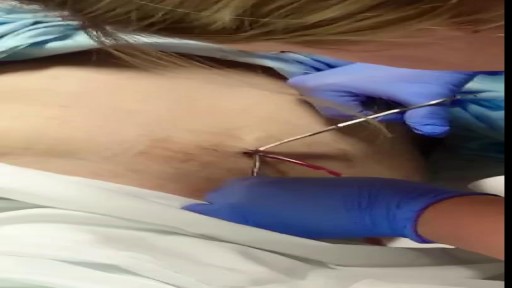
Removal of drain tube after spleen surgery
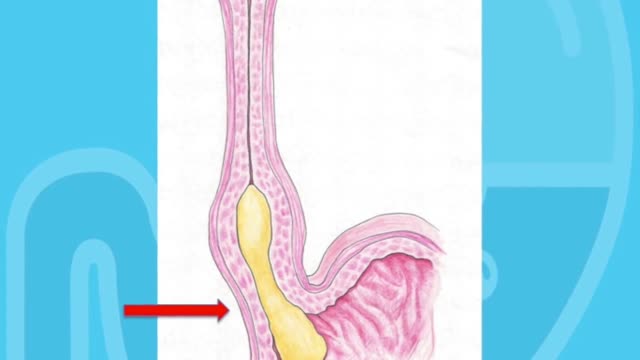
Achalasia is a neurogenic esophageal motility disorder characterized by impaired esophageal peristalsis and a lack of lower esophageal sphincter relaxation during swallowing. Symptoms are slowly progressive dysphagia, usually to both liquids and solids, and regurgitation of undigested food. Evaluation typically includes manometry, barium swallow, and endoscopy. Treatments include dilation, chemical denervation, surgical myotomy, and peroral endoscopic myotomy.
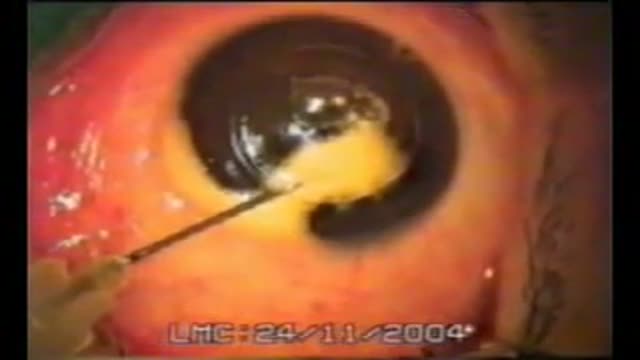
Big Bubble Technique

Pediatric febrile seizures, which represent the most common childhood seizure disorder, exist only in association with an elevated temperature. Evidence suggests, however, that they have little connection with cognitive function, so the prognosis for normal neurologic function is excellent in children with febrile seizures. [1] Epidemiologic studies have led to the division of febrile seizures into 3 groups, as follows: Simple febrile seizures Complex febrile seizures Symptomatic febrile seizures Essential update: Starting MMR/MMRV vaccination earlier may reduce seizure risk In a case-series analysis of a cohort of 323,247 US children born from 2004 to 2008, Hambidge et al found that delaying the first dose of measles-mumps-rubella (MMR) or measles-mumps-rubella-varicella (MMRV) vaccine beyond the age of 15 months may more than double the risk of postvaccination seizures in the second year of life. [2, 3] In infants, there was no association between vaccination timing and postvaccination seizures. [3] In the second year of life, however, the incident rate ratio (IRR) for seizures within 7-10 days was 2.65 (95% confidence interval [CI], 1.99-3.55) after first MMR doses at 12-15 months of age, compared with 6.53 (95% CI, 3.15-13.53) after first MMR doses at 16-23 months. For the MMRV vaccine, the IRR for seizures was 4.95 (95% CI, 3.68-6.66) after first doses at 12-15 months, compared with 9.80 (95% CI, 4.35-22.06) for first doses at 16-23 months.

Carpal Tunnel Syndrome Information
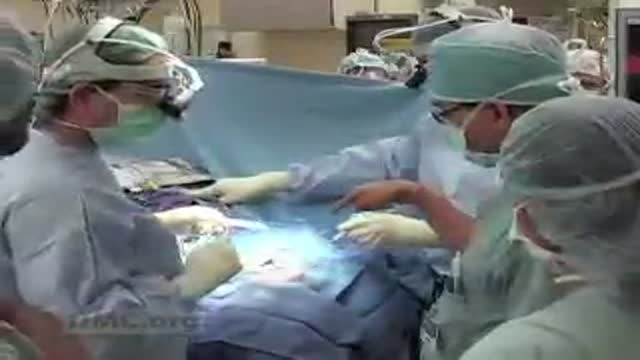
DMC Neurosurgeon Sandeep Mittal maps the brain and performs delicate surgery to remove epileptic tissue, and stop a patient's seizures. ~ Detroit Medical Center

Red blood cells, most white blood cells, and platelets are produced in the bone marrow, the soft fatty tissue inside bone cavities. Two types of white blood cells, T and B cells (lymphocytes), are also produced in the lymph nodes and spleen, and T cells are produced and mature in the thymus gland.

Hammer toes and bunions are common foot problems in the western population. An Iraqi patient chose medical tourism to get this treatment in India.

Re-educating the legs to walk again is the ultimate goal of this therapy for those who have suffered a stroke. ~ Detroit Medical Center
Intramedullary nailing of the tibia with suprapatellar entry and semi-extended positioning makes it technically easier to nail the proximal and distal fractures. The purpose of this article was to describe a simple method for suprapatellar nailing (SPN). A step-by-step run through of the surgical technique is described, including positioning of the patient. There are as yet only a few clinical studies that illustrate the complications with this method, and there has been no increased frequency of intraarticular damage. Within the body of the manuscript, information is included about intraarticular damage and comments with references about anterior knee pain.
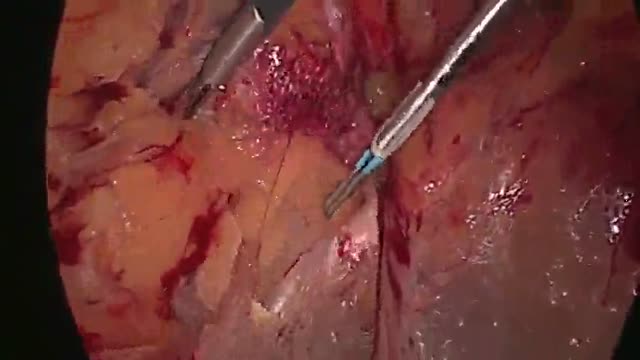
A high definition medical video showing the Laparoscopic inguinal hernia repair
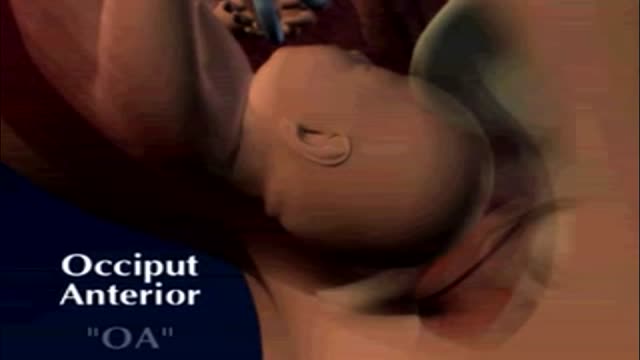
fetal position in womb at 34 weeks fetal position in womb week by week fetal position in womb at 19 weeksUnborn babies toss and turn and hold many different positions within the womb during the gestation period; pregnant women everywhere will attest to the fact that their children always start up the gymnastics at bedtime.

A DMC patient suffering from an artery blockage is helped by Intravascular Ultrasound (IVUS), new technology that reveals the condition of the artery and may prevent heart attacks. ~ Detroit Medical Center
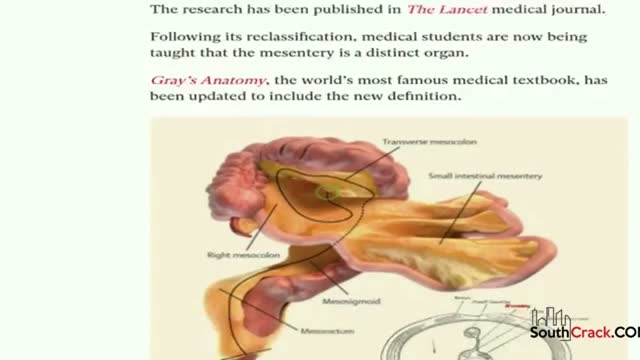
an. 4, 2017 -- Scientists say they've identified a new organ in the body -- a swath of tissue dubbed the mesentery that connects the intestine to the abdomen and holds everything in place. For years, anatomical experts have thought the organ was composed of several different segments of tissue, as opposed to being one single structure, according to Discover magazine. Since an organ must be one structure that performs a vital function, it was not deemed worthy of organ status. But recent research from doctors at the University Hospital Limerick in Ireland shows that the mesentery is actually one single band of tissue, the magazine reported Tuesday. It begins at the pancreas and wraps around the small intestine and colon. Its purpose: to hold these organs in position so they can perform their respective functions. "Without it you can't live," lead researcher Dr. J. Calvin Coffey, a colorectal surgeon at Limerick, told the magazine. "There are no reported instances of a Homo sapien living without a mesentery." "Understanding how and why our digestive system is arranged the way it is could be crucial to our understanding of diseases like Crohn's and irritable bowel syndrome," Coffey added. "There are a lot of diseases that we are stalled on, and we need to refresh our approach to these diseases," Coffey said. "Now that we've clarified its [the mesentery's] structure, we can systematically examine it. We're at a very exciting place right now." The discovery was published recently in the Lancet Gastroenterology & Hepatology journal.
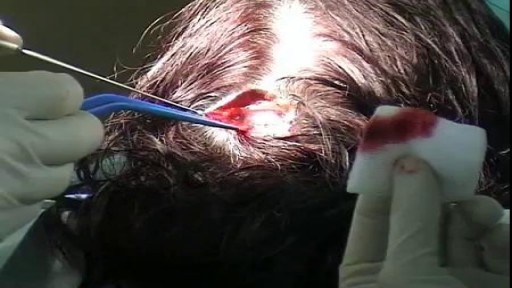
Facial Skin Cancer Surgery
Contact Lens Safety and complications

vidio
