
- Physical Examination
- Surgical Examination
- Ophthalmology
- Clinical Skills
- Orthopedics
- Surgery Videos
- Laparoscopy
- Pediatrics
- Funny Videos
- Cardiothoracic Surgery
- Nursing Videos
- Plastic Surgery
- Otorhinolaryngology
- Histology and Histopathology
- Neurosurgery
- Dermatology
- Pediatric Surgery
- Urology
- Dentistry
- Oncology and Cancers
- Anatomy Videos
- Health and Fitness
- Radiology
- Anaesthesia
- Physical Therapy
- Pharmacology
- Interventional Radiology
- Cardiology
- Endocrinology
- Gynecology
- Emergency Medicine
- Psychiatry and Psychology
- Childbirth Videos
- General Medical Videos
- Nephrology
- Physiology
- Diet and Food Health
- Diabetes Mellitus
- Neurology
- Women Health
- Osteoporosis
- Gastroenterology
- Pulmonology
- Hematology
- Rheumatology
- Toxicology
- Nuclear Medicine
- Infectious Diseases
- Vascular Disease
- Reproductive Health
- Burns and Wound Healing
- Other
Top videos
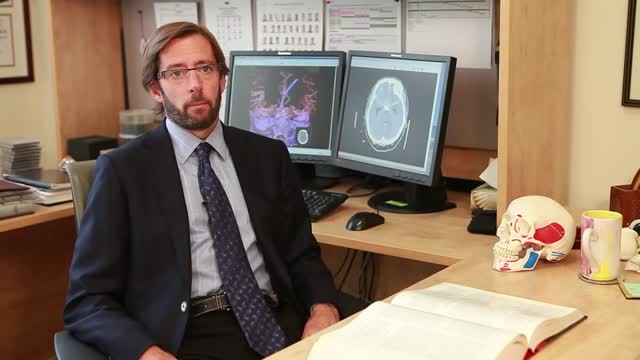

The term subarachnoid hemorrhage (SAH) refers to extravasation of blood into the subarachnoid space between the pial and arachnoid membranes. SAH constitutes half of all spontaneous atraumatic intracranial hemorrhages; the other half consists of bleeding that occurs within the brain parenchyma. Subarachnoid hemorrhage occurs in various clinical contexts, the most common being head trauma. However, the familiar use of the term SAH refers to nontraumatic (or spontaneous) hemorrhage, which usually occurs in the setting of a ruptured cerebral aneurysm or arteriovenous malformation (AVM).

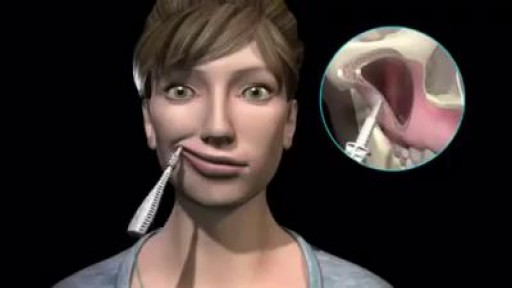
A salivary gland stone -- also called salivary duct stone -- is a calcified structure that may form inside a salivary gland or duct. It can block the flow of saliva into the mouth. The majority of stones affect the submandibular glands located at the floor of the mouth.
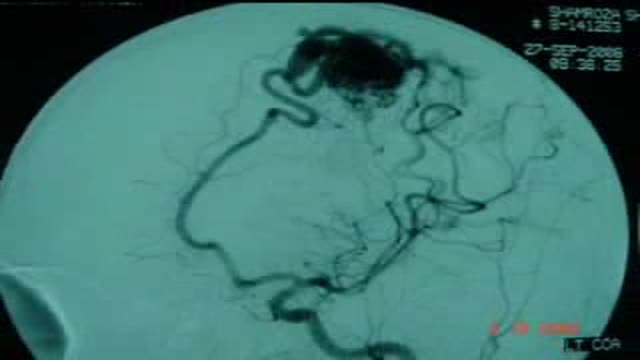
Removing ArterioVenous Malformation in Brain
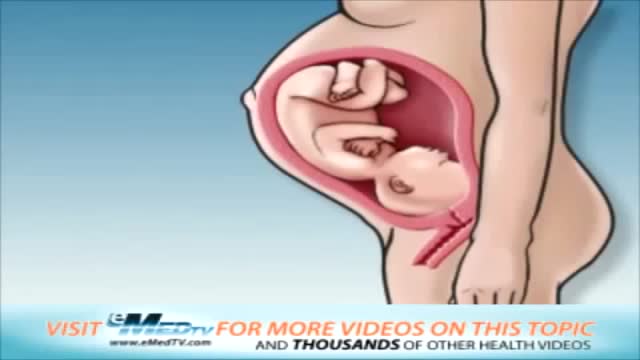
Your baby is still tiny, but already your body is changing. Your breasts start to swell and may feel tender. Tiredness, nausea, and a frequent need to pee are common pregnancy symptoms. In your second trimester, your growing uterus gradually rises up out of your pelvis.

This video shows the heart transplant surgery
Sinus infections caused by viruses can use home (over-the-counter, OTC) treatments such as pain and fever medications (acetaminophen [Tylenol]), decongestants, and mucolytics. In addition, some health-care professionals suggest nasal irrigation or a sinus rinse solution to help relieve symptoms of sinus infections, even chronic sinusitis symptoms.
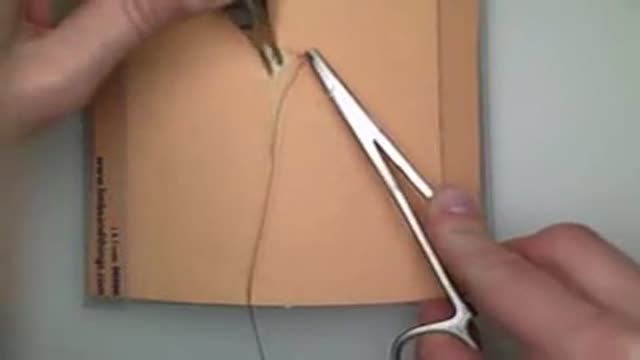
Demonstration of deep dermal suturing technique for laceration repair or wound closure in the operating room.

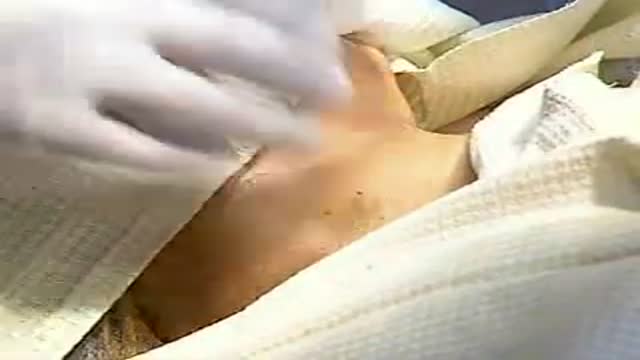
Central venous access is essential in providing quality medical care to many patients for whom intensive therapy is required. In many situations, a semipermanent tunneled central line is preferred (see Indications). An anterior approach to the internal jugular vein (IJV) is the best option in this situation because it offers the easiest route with a low risk of complications. In this procedure, a tunneled catheter is surgically inserted into a vein in the neck or chest and passed under the skin. Only the end of the catheter is brought through the skin; medicines and intravenous (IV) fluid can be administered through this catheter; other tasks, such as blood sampling, can also be performed. The fact that the catheter is passed under the skin helps secure the catheter, reduces the rate of infection, and permits free movement of the catheter port. The placement of a tunneled catheter should be carried out by practitioners with specific experience in the procedure.
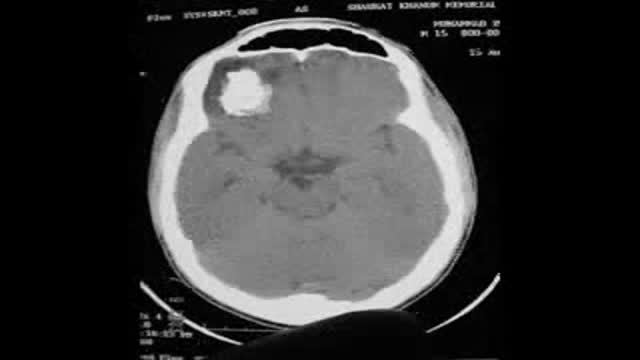
Calcified Brain Abscess complete removal
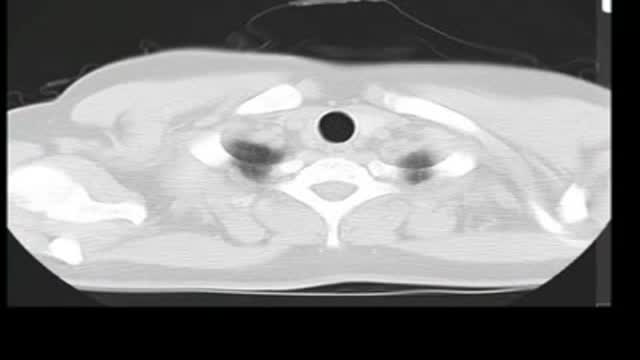
Pulmonary alveolar proteinosis. Please see disclaimer on my website. www.academyofprofessionals.com. MCQs are also available.
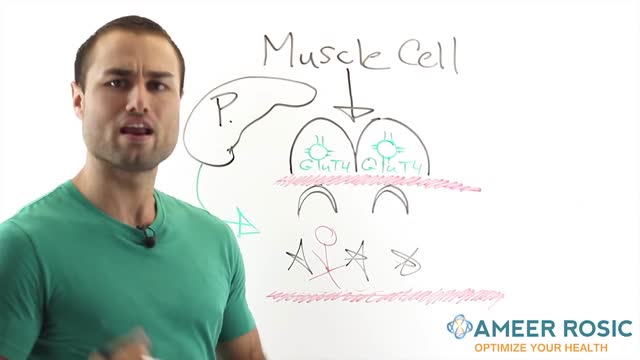
Insulin is a hormone made by the pancreas that allows your body to use sugar (glucose) from carbohydrates in the food that you eat for energy or to store glucose for future use. Insulin helps keeps your blood sugar level from getting too high (hyperglycemia) or too low (hypoglycemia). The cells in your body need sugar for energy. However, sugar cannot go into most of your cells directly. After you eat food and your blood sugar level rises, cells in your pancreas (known as beta cells) are signaled to release insulin into your bloodstream. Insulin then attaches to and signals cells to absorb sugar from the bloodstream. Insulin is often described as a “key,” which unlocks the cell to allow sugar to enter the cell and be used for energy.
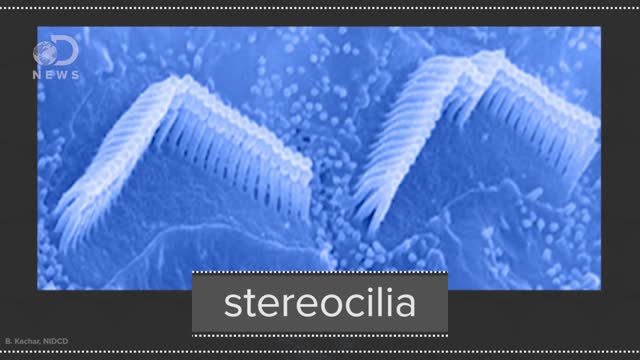
There are a number of different causes of vertigo. Vertigo can be defined based upon whether the cause is peripheral or central. Central causes of vertigo arise in the brain or spinal cord while peripheral vertigo is due to a problem within the inner ear. The inner ear can become inflamed because of illness, or small crystals or stones found normally within the inner ear can become displaced and cause irritation to the small hair cells within the semicircular canals, leading to vertigo. This is known as benign paroxysmal positional vertigo (BPPV).
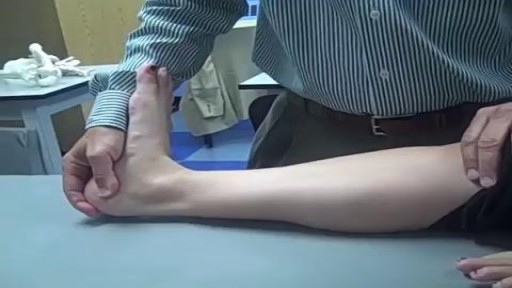
Homan’s sign test also called dorsiflexon sign test is a physical examination procedure that is used to test for Deep Vein Thrombosis (DVT). A positive Homan’s sign in the presence of other clinical signs may be a quick indicator of DVT. Clinical evaluation alone cannot be relied on for patient management, but when carefully performed, it remains useful in determining the need for additional testing (like D-dimer test, ultrasonography, multidetector helical computed axial tomography (CT), and pulmonary angiography) [1][2].
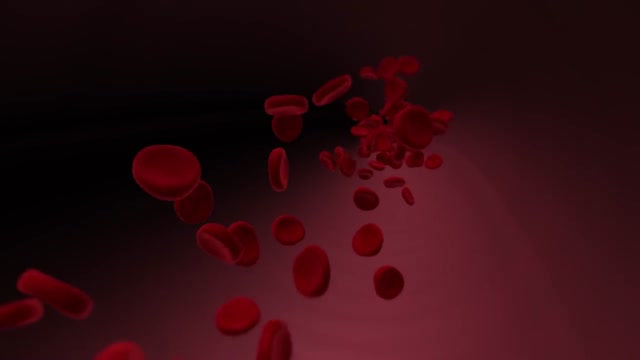
Chronic angina is a prevalent manifestation of cardiovascular disease and is most commonly due to insufficient oxygen supply from fixed epicardial lesions in the coronary arteries.
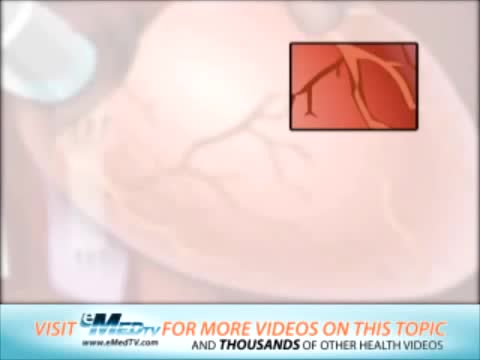
Coronary artery bypass grafting (CABG) is a type of surgery that improves blood flow to the heart. Surgeons use CABG to treat people who have severe coronary heart disease (CHD). CHD is a disease in which a waxy substance called plaque (plak) builds up inside the coronary arteries.
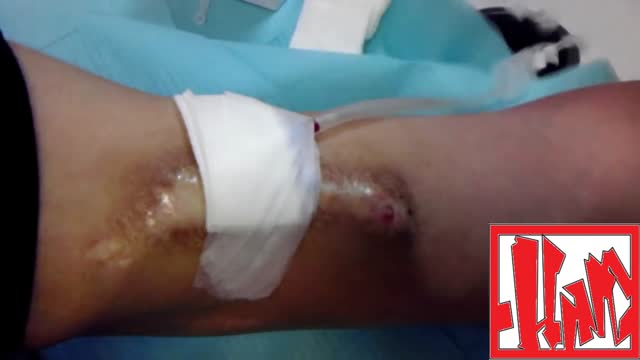
Hemodialysis is a process that uses a membrane (dialyzer) to: Remove wastes, such as urea, from the blood. Restore the proper balance of electrolytes in the blood. Eliminate extra fluid from the body.

Ankle and Foot Clinical Examination - Clinical Skills - Dr Gill
When it comes to joints of the body, the ankle is one of the joints most commonly injured. This is vitally important to be able to effectively examine a patient who is complaining of pain in the ankle and foot.
In this video we will perform a demonstration of the ankle and foot examination.
Examination of the foot, and the ankle joint, follows the standard orthopaedic approach of look, feel, move.
There is a connected video to the foot and ankle examination, on the causes of carpal tunnel syndrome - here
https://youtu.be/aXx6NfBWDSs
________
Please note that there is no ABSOLUTE way to perform a clinical examination. Different institutions and even clinicians will have differing degrees of variations - the aim is the effectively identify medically relevant signs.
However during OSCE assessments. Different medical schools, nursing colleges, and other health professional courses will have their own preferred approach to a clinical assessment - you should concentrate on THEIR marks schemes for your assessments.
The examination demonstrated here is derived from Macleod's Clinical Examination - a recognized standard textbook for clinical skills.
#footpain #clinicalexamination #DrGill
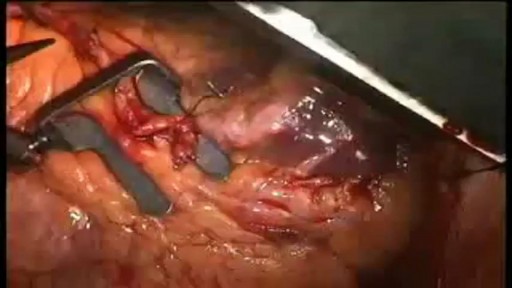
When your arteries cannot supply enough blood to your heart, your doctor may recommend coronary artery bypass graft (CABG) surgery. One of the most common heart surgeries in the United States, CABG surgery restores blood flow to your heart. Approximately every 10 minutes, someone has beating heart or "off-pump" bypass surgery1. Beating heart bypass surgery is — in simple terms — bypass surgery that is performed on your heart while it is beating. Your heart will not be stopped during surgery. You will not need a heart-lung machine. Your heart and lungs will continue to perform during your surgery. Surgeons use a tissue stabilization system to immobilize the area of the heart where they need to work. Beating heart bypass surgery is also called Off Pump Coronary Artery Bypass Surgery (OPCAB). Both OPCAB and conventional on-pump surgery restore blood flow to the heart. However, off-pump bypass surgery has proven to reduce side effects in certain types of patients.
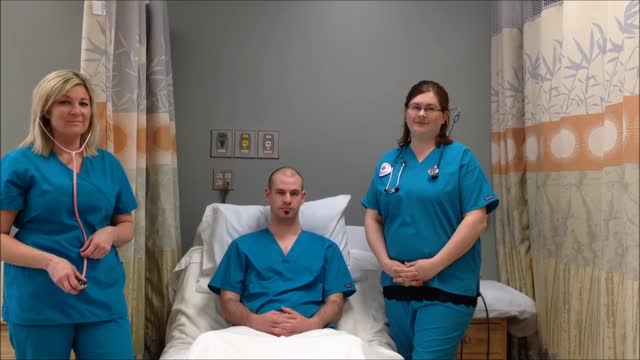
Breath sounds can be either normal or abnormal. These sounds come from the lungs when you breathe in or out. These sounds can be heard using a stethoscope or simply when breathing. Abnormal breath sounds can indicate a lung problem, such as: an obstruction inflammation an infection fluid in the lungs asthma Listening to breath sounds is an important part of diagnosing many different medical conditions.
