
- Physical Examination
- Surgical Examination
- Ophthalmology
- Clinical Skills
- Orthopedics
- Surgery Videos
- Laparoscopy
- Pediatrics
- Funny Videos
- Cardiothoracic Surgery
- Nursing Videos
- Plastic Surgery
- Otorhinolaryngology
- Histology and Histopathology
- Neurosurgery
- Dermatology
- Pediatric Surgery
- Urology
- Dentistry
- Oncology and Cancers
- Anatomy Videos
- Health and Fitness
- Radiology
- Anaesthesia
- Physical Therapy
- Pharmacology
- Interventional Radiology
- Cardiology
- Endocrinology
- Gynecology
- Emergency Medicine
- Psychiatry and Psychology
- Childbirth Videos
- General Medical Videos
- Nephrology
- Physiology
- Diet and Food Health
- Diabetes Mellitus
- Neurology
- Women Health
- Osteoporosis
- Gastroenterology
- Pulmonology
- Hematology
- Rheumatology
- Toxicology
- Nuclear Medicine
- Infectious Diseases
- Vascular Disease
- Reproductive Health
- Burns and Wound Healing
- Other
Top videos


Feeding Tube
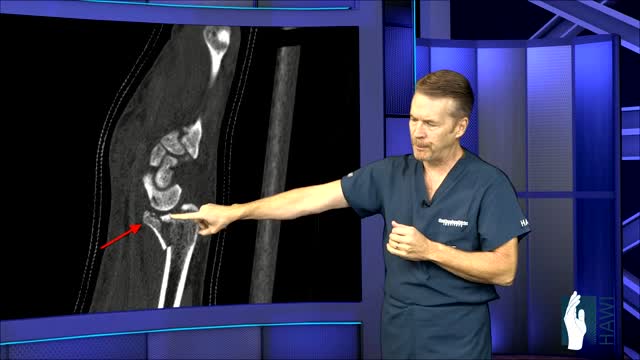
A distal radius fracture almost always occurs about 1 inch from the end of the bone. The break can occur in many different ways, however. One of the most common distal radius fractures is a Colles fracture, in which the broken fragment of the radius tilts upward. This fracture was first described in 1814 by an Irish surgeon and anatomist, Abraham Colles -- hence the name "Colles" fracture.
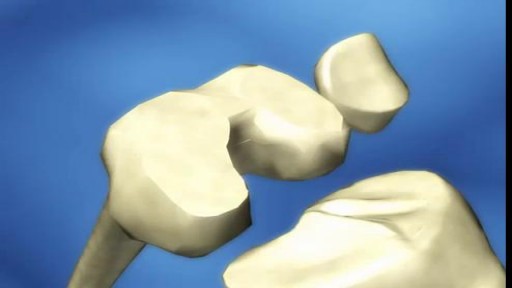
Knee replacement, also known as knee arthroplasty, is a surgical procedure to replace the weight-bearing surfaces of the knee joint to relieve pain and disability.
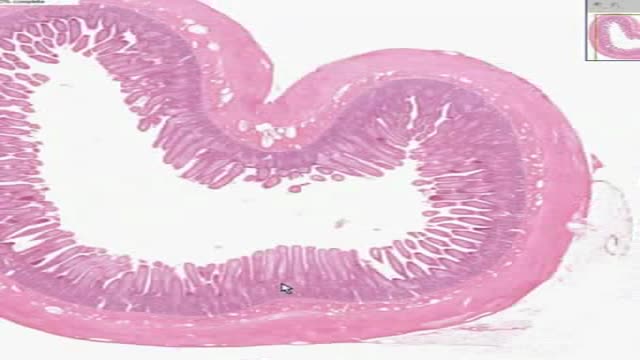
Histology of Small Intestine Jejunum
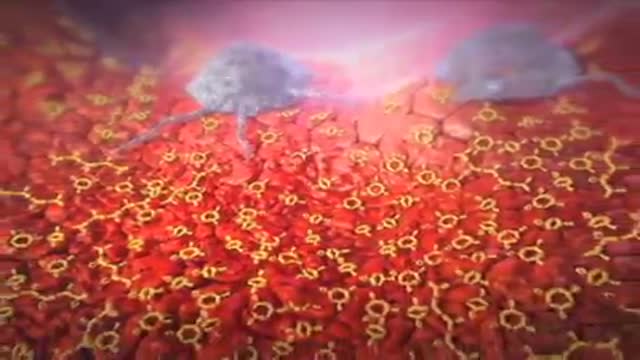
Targeting a new way of life.
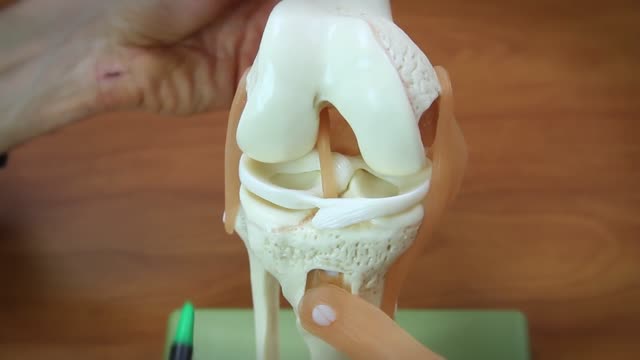
A torn meniscus is one of the most common knee injuries. Any activity that causes you to forcefully twist or rotate your knee, especially when putting your full weight on it, can lead to a torn meniscus. Each of your knees has two menisci — C-shaped pieces of cartilage that act like a cushion between your shinbone and your thighbone. A torn meniscus causes pain, swelling and stiffness. You also might feel a block to knee motion and have trouble extending your knee fully. Conservative treatment — such as rest, ice and medication — is sometimes enough to relieve the pain of a torn meniscus and give the injury time to heal on its own. In other cases, however, a torn meniscus requires surgical repair.
Toilet Phobia Cure Bathroom Anxiety Phobia Of Public Toilets, Paruresis Shy Bladder.
http://paruresistreatment.plus101.com .
Shy bladder syndrome is a type of phobia in which the sufferers are unable to urinate in the presence of other people such as in a public restroom.
In other words, shy bladder is the fear of not being able to urinate without complete privacy.
How common is paruresis?
While there is no way for certain to know how many people suffer from paruresis, surveys done over the last several decades indicate that the numbers could range from less than one percent to more than 25 percent of Americans.
there is a new solution for those people who want to learn to overcome their shy bladder within a few weeks. Click Here to Learn More! http://paruresistreatment.plus101.com
Subscribe to Our Channel
http://www.youtube.com/watch?v=aVrTVCKrfC0
Toilet Phobia Cure, Bathroom Anxiety, Phobia Of Public Toilets, Paruresis Shy Bladder,
Treatment System
bashful bladder
bashful kidneys
bladder shyness
bladder shyness men
bladder shyness women
creeping pee pee
getting over stage fright
how to get rid of a phobia
how to stop stage fright
mental cloggery
overcoming stage fright
pee fright
pee shyness
public piss syndrome
shy bladder syndrom
shy bladder syndrome
stage fright
the slow dribbles
urophobia
Overcome Shy Bladder
How To Overcome Shy Bladder
can t urinate
pauresis
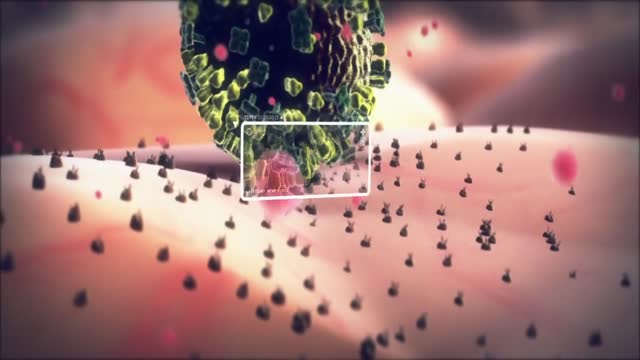
Influenza is a viral infection that attacks your respiratory system — your nose, throat and lungs. Influenza, commonly called the flu, is not the same as stomach "flu" viruses that cause diarrhea and vomiting. For most people, influenza resolves on its own. But sometimes, influenza and its complications can be deadly. People at higher risk of developing flu complications include: Young children under 5, and especially those under 2 years Adults older than 65 Residents of nursing homes and other long-term care facilities Pregnant women and women up to two weeks postpartum People with weakened immune systems People who have chronic illnesses, such as asthma, heart disease, kidney disease and diabetes People who are very obese, with a body mass index (BMI) of 40 or higher Your best defense against influenza is to receive an annual vaccination.
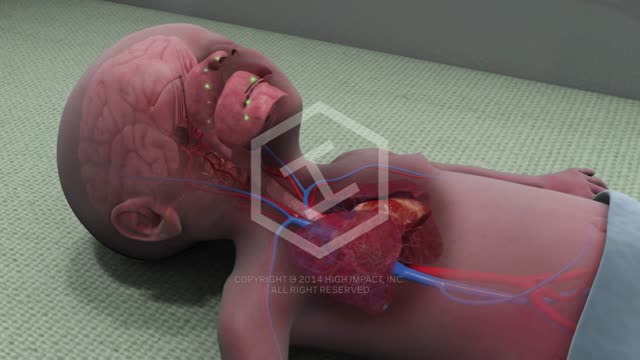
Pulmonary surfactant is a mixture of lipids and proteins that is produced by alveolar type II epithelial cells (AEC2) and secreted into the airspaces. Phospholipids are the major component of surfactant by weight, and are essential for lowering surface tension at the air-liquid interface, which prevents alveolar collapse at end-expiration. Four proteins highly expressed in the lung and found in surfactant are designated surfactant proteins (SP) A, B, C, and D. Additional proteins including ABCA3 and NKX2.1 are also important for the production of functional surfactant. The surfactant proteins are developmentally regulated, such that their expression increases in later gestation

The lumps may be hard or rubbery and can appear as a single breast lump that may be large or small. Fibrocystic changes also can appear as thickening of the breast tissue. Fibrocystic changes can occur in one or both breasts and are the most common cause of benign breast lumps in women age 35 to 50.

Both selegiline and rasagiline can improve the symptoms of Parkinson's disease, although their effects are small compared with levodopa. They can be used alongside levodopa or dopamine agonists. MAO-B inhibitors are generally very well tolerated, but can occasionally cause side effects, including: nausea.
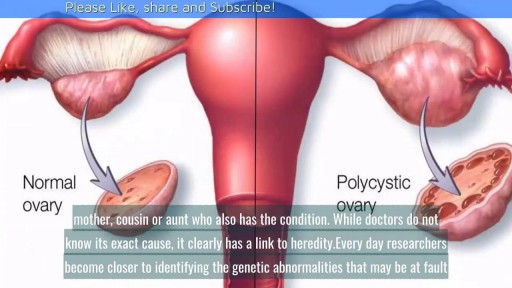
Causes of Polycystic Ovarian Syndrome|| Common gynaecological problems in women Polycystic ovarian syndrome, or PCOS, is a condition where a woman's ovaries and adrenal glands produce more androgens than normal, resulting in increased body hair, acne and irregular periods. While researchers are not certain of the exact cause of PCOS, it is known that an imbalance of the endocrine system is responsible for many of the changes associated with it. However, it is still not known exactly what causes those changes.
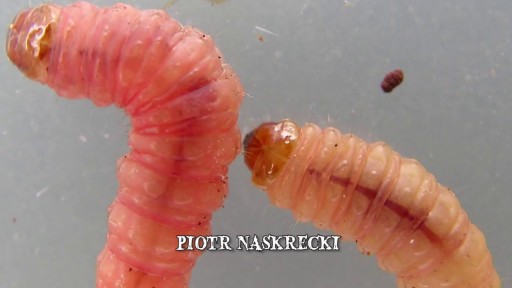
Watch that video to know When Botflies Attack
USMLE Step 2 CS - Insurance Check up This is just preview video. To get full access please visit our website : www.usmletutoring.com
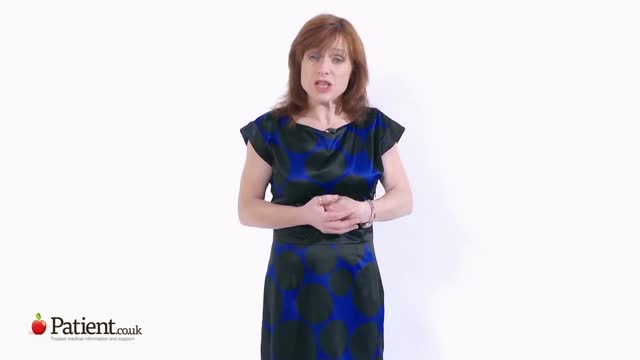
Symptoms Burning stomach pain Feeling of fullness, bloating or belching Fatty food intolerance Heartburn Nausea The most common peptic ulcer symptom is burning stomach pain. Stomach acid makes the pain worse, as does having an empty stomach. The pain can often be relieved by eating certain foods that buffer stomach acid or by taking an acid-reducing medication, but then it may come back. The pain may be worse between meals and at night. Nearly three-quarters of people with peptic ulcers don't have symptoms. Less often, ulcers may cause severe signs or symptoms such as: Vomiting or vomiting blood — which may appear red or black Dark blood in stools, or stools that are black or tarry Trouble breathing Feeling faint Nausea or vomiting Unexplained weight loss Appetite changes
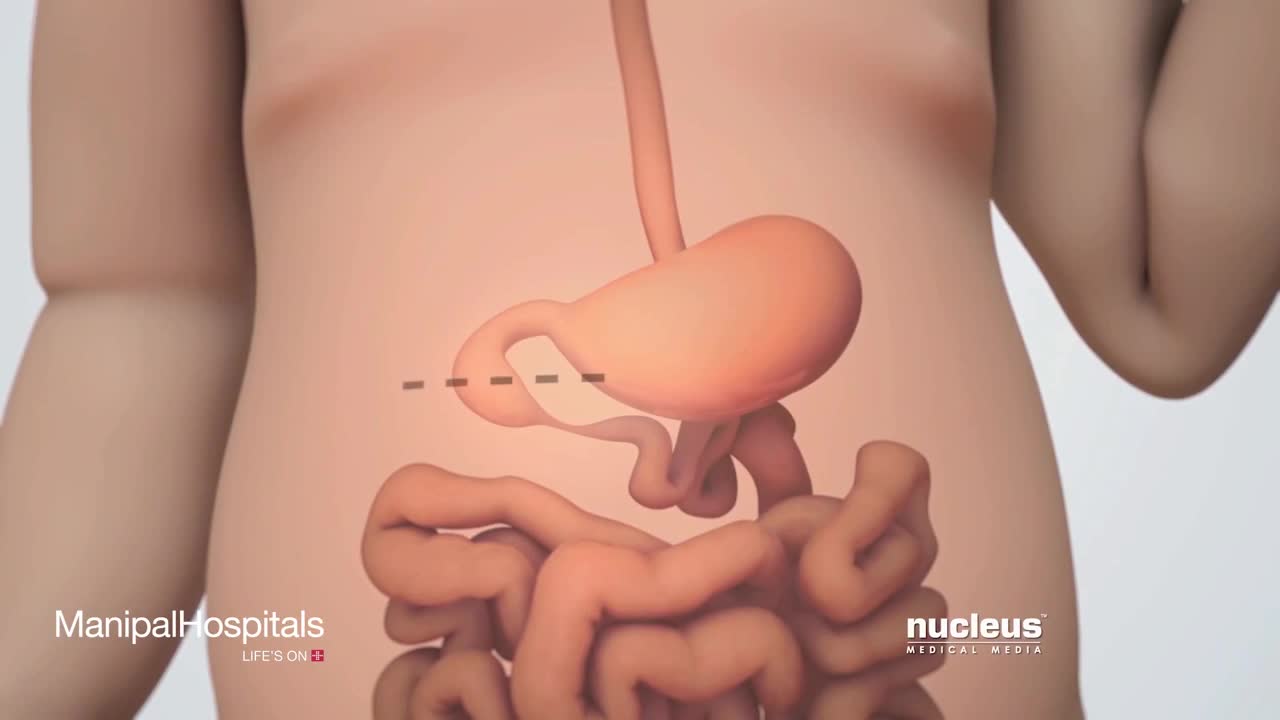
Duodenal atresia, also known as duodenojejunal atresia, is the congenital absence or complete closure of a portion of the lumen of the duodenum. It causes increased levels of amniotic fluid during pregnancy (polyhydramnios) and intestinal obstruction in newborn babies.

Gastroparesis -- literally “paralyzed stomach” -- is a serious condition manifested by delayed emptying of stomach contents into the small intestine after a meal. There is no cure for gastroparesis, but treatment can speed gastric emptying and relieve gastrointestinal symptoms such as nausea and vomiting.
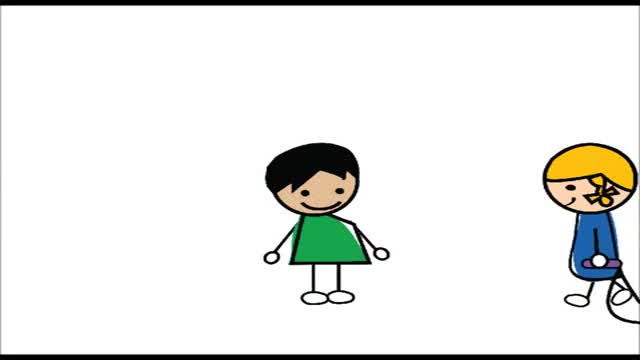
A very simplified method giving information about cystic fibrosis
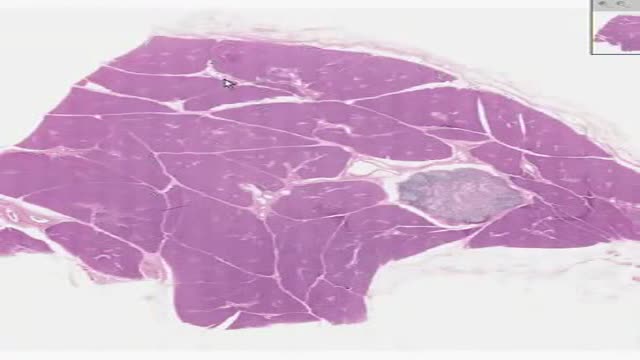
Histology of Parotid Gland
