
- Physical Examination
- Surgical Examination
- Ophthalmology
- Clinical Skills
- Orthopedics
- Surgery Videos
- Laparoscopy
- Pediatrics
- Funny Videos
- Cardiothoracic Surgery
- Nursing Videos
- Plastic Surgery
- Otorhinolaryngology
- Histology and Histopathology
- Neurosurgery
- Dermatology
- Pediatric Surgery
- Urology
- Dentistry
- Oncology and Cancers
- Anatomy Videos
- Health and Fitness
- Radiology
- Anaesthesia
- Physical Therapy
- Pharmacology
- Interventional Radiology
- Cardiology
- Endocrinology
- Gynecology
- Emergency Medicine
- Psychiatry and Psychology
- Childbirth Videos
- General Medical Videos
- Nephrology
- Physiology
- Diet and Food Health
- Diabetes Mellitus
- Neurology
- Women Health
- Osteoporosis
- Gastroenterology
- Pulmonology
- Hematology
- Rheumatology
- Toxicology
- Nuclear Medicine
- Infectious Diseases
- Vascular Disease
- Reproductive Health
- Burns and Wound Healing
- Other
Top videos
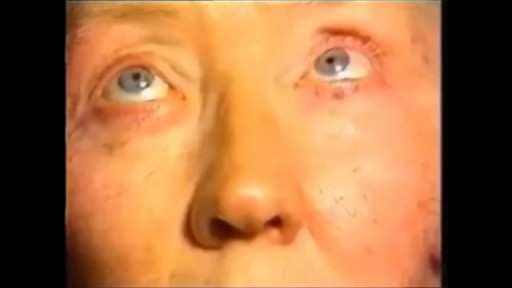

Nystagmus is a vision condition in which the eyes make repetitive, uncontrolled movements. These movements often result in reduced vision and depth perception and can affect balance and coordination. These involuntary eye movements can occur from side to side, up and down, or in a circular pattern.
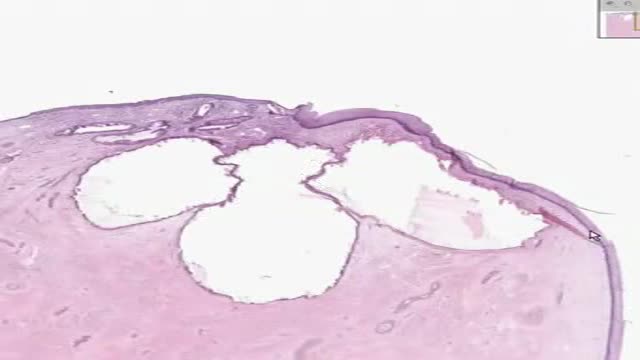
Histology of Cervix
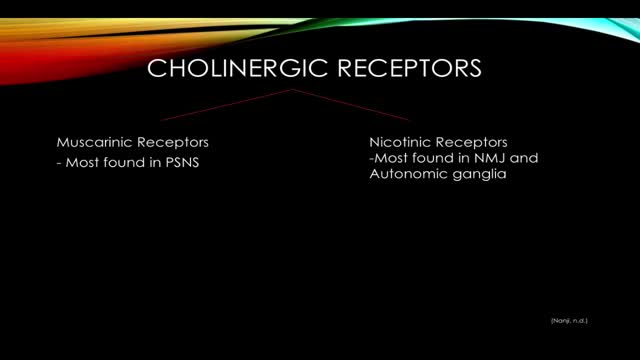
Organophosphate poisoning results from exposure to organophosphates (OPs), which cause the inhibition of acetylcholinesterase (AChE), leading to the accumulation of acetylcholine (ACh) in the body. Organophosphate poisoning most commonly results from exposure to insecticides or nerve agents.
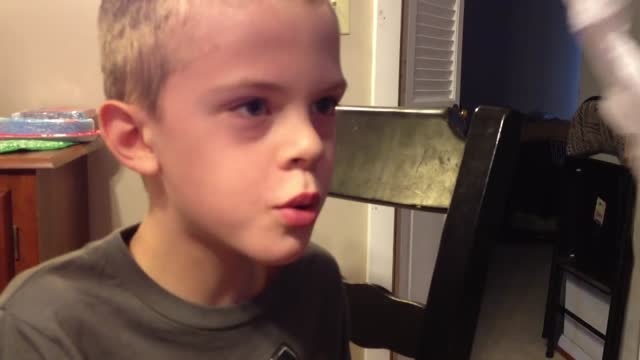
Absence seizures involve brief, sudden lapses of consciousness. They're more common in children than adults. Someone having an absence seizure may look like he or she is staring into space for a few seconds. This type of seizure usually doesn't lead to physical injury. Absence seizures usually can be controlled with anti-seizure medications. Some children who have them also develop other seizures. Many children outgrow absence seizures in their teens.
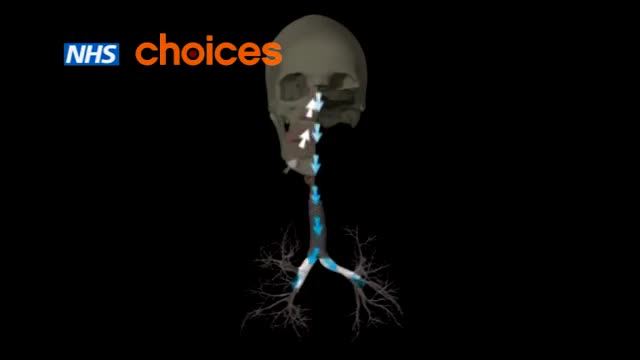
Asthma is a condition in which your airways narrow and swell and produce extra mucus. This can make breathing difficult and trigger coughing, wheezing and shortness of breath. For some people, asthma is a minor nuisance. For others, it can be a major problem that interferes with daily activities and may lead to a life-threatening asthma attack. Asthma can't be cured, but its symptoms can be controlled. Because asthma often changes over time, it's important that you work with your doctor to track your signs and symptoms and adjust treatment as needed.
Nelson syndrome refers to a spectrum of symptoms and signs arising from an adrenocorticotropin (ACTH)–secreting pituitary macroadenoma after a therapeutic bilateral adrenalectomy. The spectrum of clinical features observed relates to the local effects of the tumor on surrounding structures, the secondary loss of other pituitary hormones, and the effects of the high serum concentrations of ACTH on the skin. [1] The first case was reported by Nelson et al in 1958. [2]
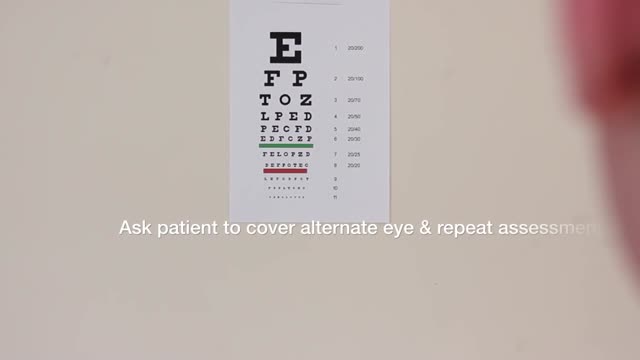
Examination of the Eyes and Vision

What are the best positions for labour? When your labour starts, you'll probably feel restless and want to move around and keep busy. Just take care that you don't get over-tired before your labour is properly under way. s your contractions get stronger, concentrate on them. Focus on what's happening to your body and your baby, and practise your breathing and relaxation exercises. Now is the time to find the positions and movements that help you to cope with your contractions. Your midwife should encourage and help you to keep moving around and find comfortable positions, preferably ones that are upright. You may think that you'll be most comfortable lying on the bed. But keeping as upright as possible will help: you to cope with your contractions you and your baby to cope better during labour You'll be able to keep moving by shifting your weight from one foot to another, or by rocking your pelvis. Some positions make it easier for your birth partner to massage your back, or breathe with you through the contractions. You could: Lean on a work surface, or on the back of a chair. Put your arms around your partner's neck or waist, and lean on him. Lean on the bed, with the height adjusted for your comfort, or on a window-sill. Kneel on a large cushion or pillow on the floor, and lean forwards on to the seat of a chair. Sit astride a chair, resting on a pillow placed across the top. Sit on the toilet, leaning forwards, or sit astride, leaning on to the cistern. Go on to all fours. Kneel on one leg, with the other leg bent..
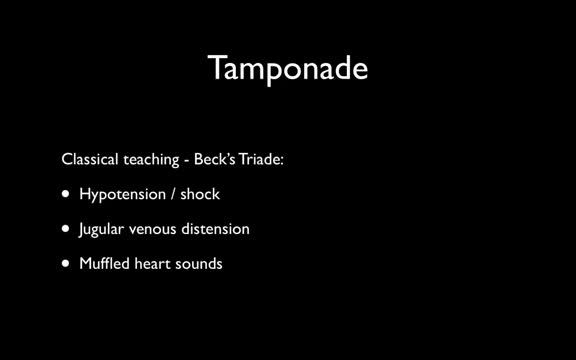
Cardiac tamponade is a medical emergency that requires urgent drainage of the pericardial fluid. Preferably, patients should be monitored in an intensive care unit. All patients should receive the following: Oxygen Volume expansion with blood, plasma, dextran, or isotonic sodium chloride solution, as necessary, to maintain adequate intravascular volume - Sagristà-Sauleda et al noted significant increase in cardiac output after volume expansion [24] (see the Cardiac Output calculator) Bed rest with leg elevation - This may help increase venous return Positive-pressure mechanical ventilation should be avoided because it may decrease venous return and aggravate signs and symptoms of tamponade. Inpatient care After pericardiocentesis, leave the intrapericardial catheter in place after securing it to the skin using sterile procedure and attaching it to a closed drainage system via a 3-way stopcock. Periodically check for reaccumulation of fluid, and drain as needed. The catheter can be left in place for 1-2 days and can be used for pericardiocentesis. Serial fluid cell counts can be useful for helping to discover an impending bacterial catheter infection, which could be catastrophic. If the white blood cell (WBC) count rises significantly, the pericardial catheter must be removed immediately. A Swan-Ganz catheter can be left in place for continuous monitoring of hemodynamics and to assess the effect of reaccumulation of pericardial fluid. A repeat echocardiogram and a repeat chest radiograph should be performed within 24 hours.

Remedios Caseros Para La Migraña, Causas De Dolores De Cabeza, Como Controlar La Migraña
http://Curar-Dolor-De-Cabeza.Good-Info.Co
Un Millón De Maneras De Adquirir Un Dolor De Cabeza
Y Cómo Curarlos A Todos
Hoy En Día, Hay Un Montón De Maneras, Un Millón De Hecho, Para Adquirir Un Dolor De Cabeza.
Usted Puede Obtener Un Dolor De Cabeza Cuando Se Golpea Su Cabeza Con Algo, Cuando Se Le Olvida Su Consumo De Cafeína, Cuando Come Un Helado Demasiado Rápido, Cuando Está Demasiado Estresado, Demasiado Cansado, O Cuando Se Enferma.
Sólo En Los Estados Unidos, Aproximadamente 1 De Cada 6 Personas Sufre De Dolores De Cabeza Crónicos Y Migrañas. Ellos Sufren De Forma Infrecuente,
for more information
http://Curar-Dolor-De-Cabeza.Good-Info.Co
subscribe to our channel
https://www.youtube.com/watch?v=DGcvq5u9TXQ
Visit our Blog
Remedios Caseros Para La Migraña, Causas De Dolores De Cabeza, Como Controlar La Migraña, dolor del cuero cabelludo, para dolores de cabeza, dolores fuertes de cabeza, remedios para dolores de cabeza, muchos dolores de cabeza, dolor lado izquierdo cabeza, porque duele la cabeza cuando tomas, medicina para la cabeza, dolor cabeza nuca, molestias en el cuero cabelludo, dolor cabeza lado izquierdo, dolor de cabez, remedio para la migraña, como aliviar el dolor,
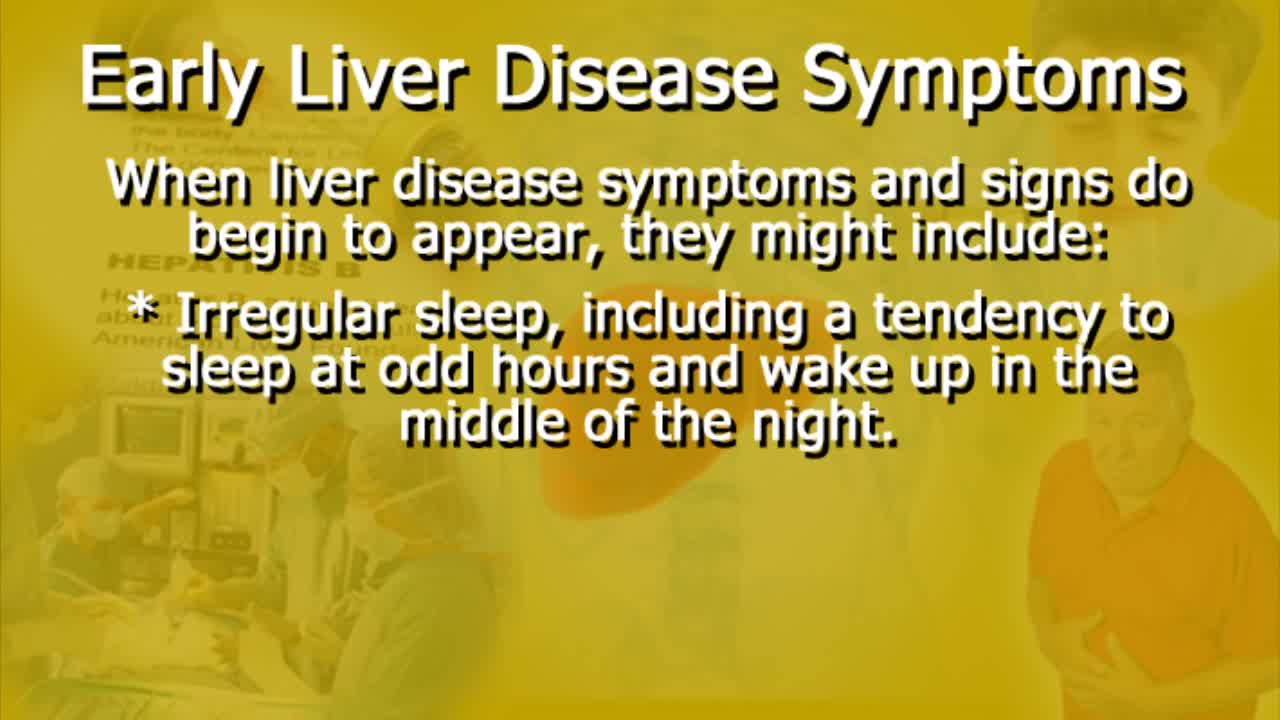
As the liver becomes more severely damaged, more obvious and serious symptoms can develop, such as: yellowing of the skin and whites of the eyes (jaundice) swelling in the legs, ankles and feet, due to a build-up of fluid (oedema) swelling in your abdomen, due to a build-up of fluid known as ascites.
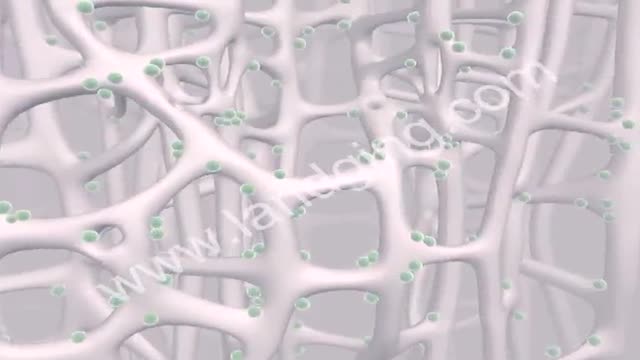
http://www.landging.com/skeletal-system-animation-knee-surgery.html
This skeletal system animation demonstrates the new concept of knee surgery procedure.
Malaria is a serious and sometimes fatal disease caused by a parasite that commonly infects a certain type of mosquito which feeds on humans. People who get malaria are typically very sick with high fevers, shaking chills, and flu-like illness.
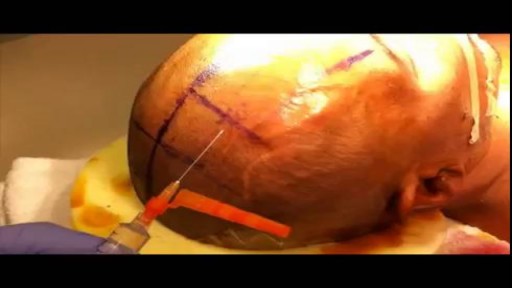
This video describes, step by step, how to place an external ventricular drain. This is a common neurosurgical procedure used to relieve intracranial pressure.
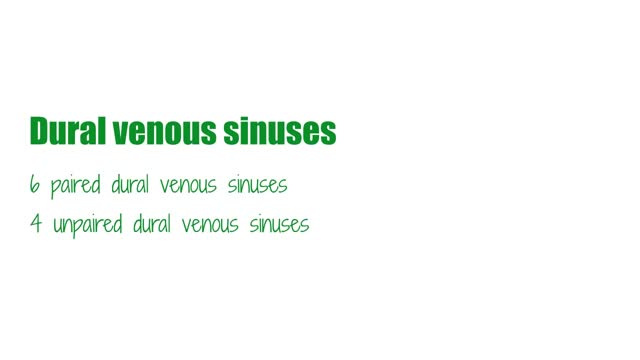
The superior sagittal sinus (also known as the superior longitudinal sinus), within the human head, is an unpaired area along the attached margin of falx cerebri. It allows blood to drain from the lateral aspects of anterior cerebral hemispheres to the confluence of sinuses.

Here's Why Your Skin Doesn't Rip Easily
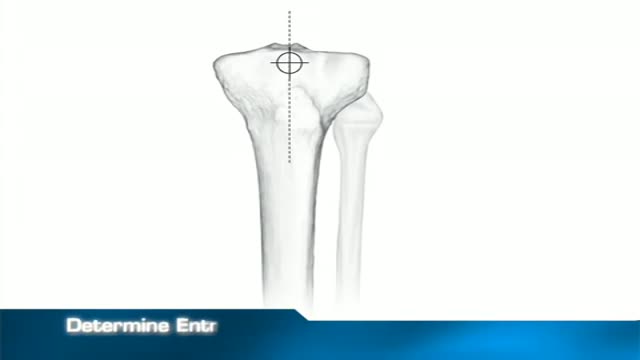
fixation of a tibial fracture utilizing the Titanium Cannulated Tibial Nail
Claudication is pain caused by too little blood flow, usually during exercise. Sometimes called intermittent claudication, this condition generally affects the blood vessels in the legs, but claudication can affect the arms, too. At first, you'll probably notice the pain only when you're exercising, but as claudication worsens, the pain may affect you even when you're at rest. Although it's sometimes considered a disease, claudication is technically a symptom of a disease. Most often, claudication is a symptom of peripheral artery disease, a potentially serious but treatable circulation problem in which the vessels that supply blood flow to your legs or arms are narrowed. Fortunately, with treatment, you may be able to maintain an active lifestyle without pain.

Make A Girl Squirt Fact
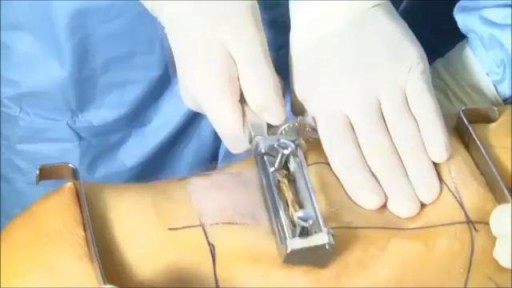
kin grafting is a type of graft surgery involving the transplantation of skin. The transplanted tissue is called a skin graft. Skin grafting is often used to treat: Extensive wounding or trauma Burns Areas of extensive skin loss due to infection such as necrotizing fasciitis or purpura fulminans[2] Specific surgeries that may require skin grafts for healing to occur - most commonly removal of skin cancers Skin grafts are often employed after serious injuries when some of the body's skin is damaged. Surgical removal (excision or debridement) of the damaged skin is followed by skin grafting. The grafting serves two purposes: reduce the course of treatment needed (and time in the hospital), and improve the function and appearance of the area of the body which receives the skin graft.
