
- Physical Examination
- Surgical Examination
- Ophthalmology
- Clinical Skills
- Orthopedics
- Surgery Videos
- Laparoscopy
- Pediatrics
- Funny Videos
- Cardiothoracic Surgery
- Nursing Videos
- Plastic Surgery
- Otorhinolaryngology
- Histology and Histopathology
- Neurosurgery
- Dermatology
- Pediatric Surgery
- Urology
- Dentistry
- Oncology and Cancers
- Anatomy Videos
- Health and Fitness
- Radiology
- Anaesthesia
- Physical Therapy
- Pharmacology
- Interventional Radiology
- Cardiology
- Endocrinology
- Gynecology
- Emergency Medicine
- Psychiatry and Psychology
- Childbirth Videos
- General Medical Videos
- Nephrology
- Physiology
- Diet and Food Health
- Diabetes Mellitus
- Neurology
- Women Health
- Osteoporosis
- Gastroenterology
- Pulmonology
- Hematology
- Rheumatology
- Toxicology
- Nuclear Medicine
- Infectious Diseases
- Vascular Disease
- Reproductive Health
- Burns and Wound Healing
- Other
Top videos
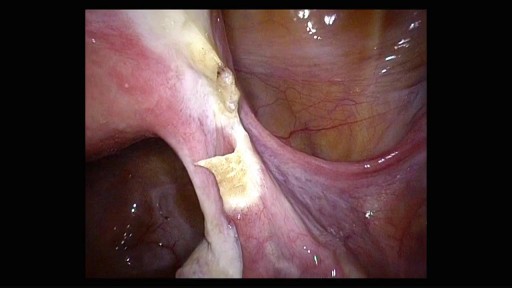

40 years old patient, Parity 3, wanted to have a sterilization. The surgery was perfomed laparoscopically with coagulation technique. This video is not edited and presented in full length.
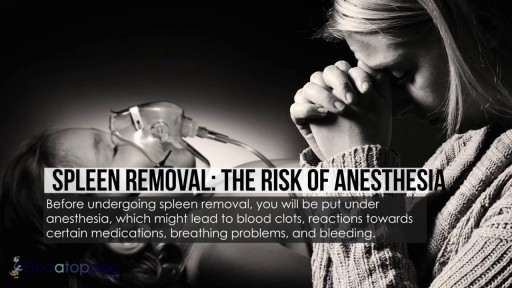
There are several reasons that your doctor may recommend that you have your spleen removed. These include having: a spleen that’s damaged from injury an enlarged spleen or ruptured spleen, which can occur from trauma certain rare blood disorders cancer or large cysts of the spleen infection

Come Alzare Il Colesterolo Buono, Colesterolo Hdl, Abbassare Il Colesterolo
http://abbassare-colesterolo.info-pro.co
COME EFFICACEMENTE ABBASSARE IL COLESTEROLO
senza prendere farmaci!
Il colesterolo è una sostanza molle, cerosa che si trova in tutte le cellule del tuo corpo. Il tuo corpo ha bisogno del colesterolo per funzionare correttamente. Il tuo corpo utilizza il colesterolo per tenere insieme le cellule. Inoltre il tuo corpo usa il colesterolo per creare gli ormoni, la vitamina D, e sostanze che aiutano a digerire gli alimenti.
Tuttavia, se troppo colesterolo entra nel sangue può causare problemi. Questo è noto come il colesterolo alto.
Se hai il colesterolo alto, e non fai nulla per abbassarlo, sarai ad un maggior rischio di gravi problemi di salute, come ad esempio un attacco di cuore o ictus. Pertanto, l'abbassamento del colesterolo è una questione importante per la salute generale di tutti.
Per saperne di più su come si può seguire un piano scientificamente provato per sconfiggere il colesterolo, visita il sito:
http://abbassare-colesterolo.info-pro.co
Clicca sul link sottostante per fare il check out
http://abbassare-colesterolo.info-pro.co
Iscriviti al nostro canale
http://www.youtube.com/user/viveresano01
https://www.youtube.com/watch?v=BWojp9nfdsU
Come Alzare Il Colesterolo Buono, Colesterolo Hdl, Abbassare Il Colesterolo,
colesterolo,
alimenti colesterolo,
colesterolo ldl basso,
colesterolo alimenti da evitare,
colesterolo e trigliceridi alti,
alimenti contro il colesterolo,
dieta x colesterolo,
cause colesterolo alto,
cosa mangiare per abbassare il colesterolo,
alimenti ricchi di colesterolo,
cibi contro il colesterolo
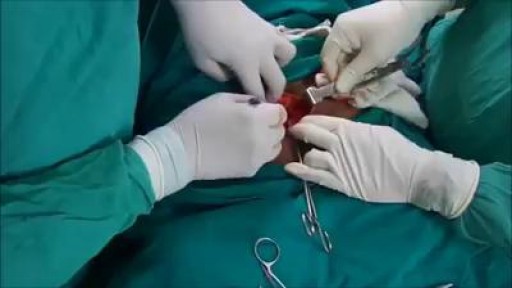
A Pfannenstiel incision /ˈfɑːnᵻnʃtiːl/ is a type of abdominal surgical incision that allows access to the abdomen. It is used for gynecologic and orthopedics surgeries, and it is the most common method for performing Caesarian sections today.
Empyema can develop after you have pneumonia. Many different types of bacteria may cause pneumonia, but the two most common are Streptococcus pneumoniae and Staphylococcus aureus. Occasionally, empyema may happen after you've had surgery on your chest. Medical instruments can transfer bacteria into your pleural cavity
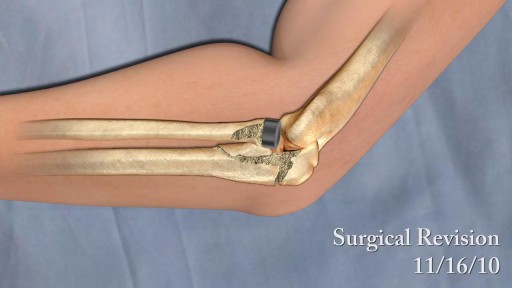
Tennis elbow is caused by doing the same forceful arm movements over and over. It creates small, painful tears in the tendons in your elbow. This injury can be caused by tennis, other racquet sports, and activities such as turning a wrench, prolonged typing, or chopping with a knife. The outside (lateral) elbow tendon is most commonly injured. The inside (medial) and backside (posterior) tendons can also be affected. This article discusses surgery to repair tennis elbow
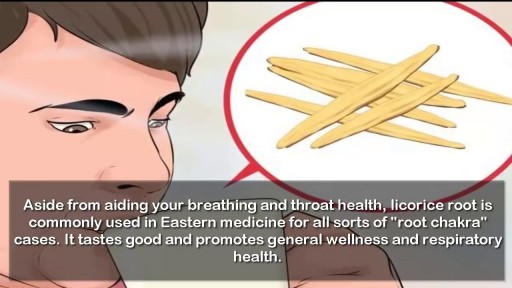
Wet dreams occur when you ejaculate during your sleep. The medical term for a wet dream is “nocturnal emission.“ Most wet dreams are reported in teenage boys and young men, and sometimes they occur well into adulthood.

Eating a high-protein breakfast has been shown to reduce cravings and calorie intake throughout the day (16, 17). Avoid sugary drinks and fruit juice. These are the most fattening things you can put into your body, and avoiding them can help you lose weight (18, 19). Drink water a half hour before meals.
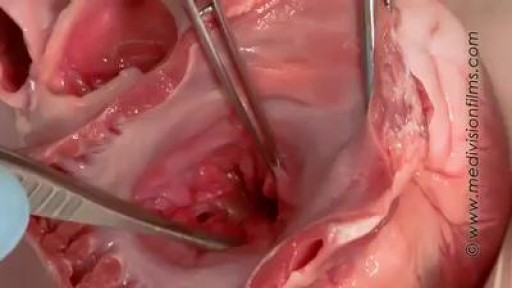
The heart weighs between 7 and 15 ounces (200 to 425 grams) and is a little larger than the size of your fist. By the end of a long life, a person's heart may have beat (expanded and contracted) more than 3.5 billion times. In fact, each day, the average heart beats 100,000 times, pumping about 2,000 gallons. Your heart is located between your lungs in the middle of your chest, behind and slightly to the left of your breastbone (sternum). A double-layered membrane called the pericardium surrounds your heart like a sac. The outer layer of the pericardium surrounds the roots of your heart's major blood vessels and is attached by ligaments to your spinal column, diaphragm, and other parts of your body. The inner layer of the pericardium is attached to the heart muscle. A coating of fluid separates the two layers of membrane, letting the heart move as it beats. Your heart has 4 chambers. The upper chambers are called the left and right atria, and the lower chambers are called the left and right ventricles. A wall of muscle called the septum separates the left and right atria and the left and right ventricles. The left ventricle is the largest and strongest chamber in your heart. The left ventricle's chamber walls are only about a half-inch thick, but they have enough force to push blood through the aortic valve and into your body.
Exercises. Light exercises in which you move your affected limb may encourage lymph fluid drainage and help prepare you for everyday tasks, such as carrying groceries. ...
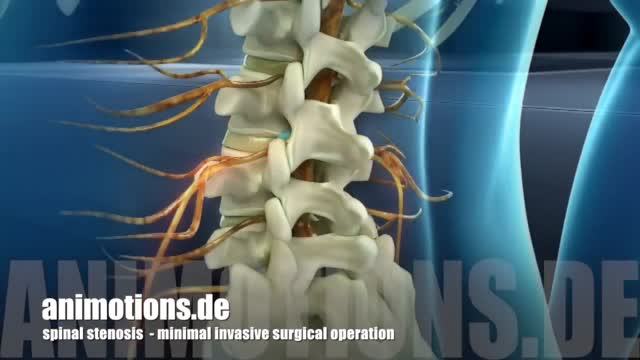
Surgery is done to relieve pressure on the nerve roots. This can help reduce pain, numbness, and weakness in your legs. Surgery may be recommended if: Your pain, numbness, or weakness is so bad that it gets in the way of normal daily activities and hurts your quality of life. You are in otherwise good health. The goal of surgery is to relieve pain, numbness, or weakness in the legs-not to relieve back pain. People who have surgery only for back pain are less satisfied with the results than are those who have surgery for nerve root symptoms and pain in both the back and legs. Also, numbness, weakness, and pain may return after surgery.
Therapeutic anticoagulation is recommended for all women with acute VTE; prophylactic anticoagulation is recommended for women at risk, such as those with a past history of thrombosis or thrombophilia or with a mechanical heart valve. The preferred anticoagulants during pregnancy are the heparin compounds.
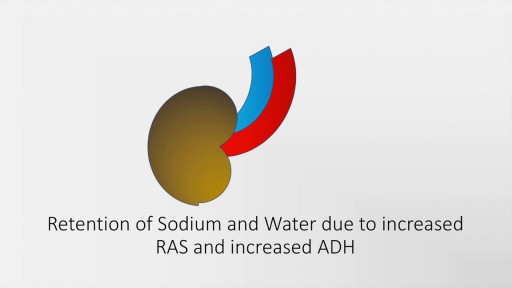
A detailed discussion of the pathophysiology, diagnostic criteria, clinical features and management of hepatorenal syndrome.

Best facial cosmetic surgeons Best facial plastic surgeon
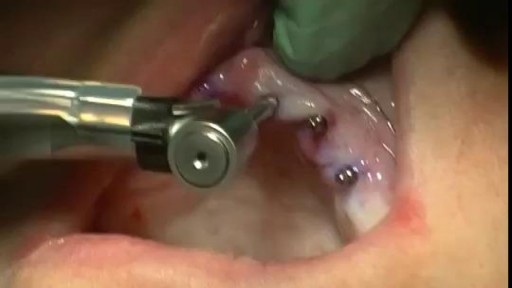
A Beautiful Smile at Lake Pointe is Sugar Land premier dentistry practice. Dr. Lance Jue has been serving patients' preventive, restorative and cosmetic dental needs here in Sugar Land for over 19 years. Book an appointment online now with Dr. Lance Jue
Mastitis is an infection of the breast tissue that results in breast pain, swelling, warmth and redness. You also might have fever and chills. Mastitis most commonly affects women who are breast-feeding (lactation mastitis), although sometimes this condition can occur in women who aren't breast-feeding. In most cases, lactation mastitis occurs within the first six to 12 weeks after giving birth (postpartum), but it can happen later during breast-feeding. The condition can cause you to feel run down, making it difficult to care for your baby. Sometimes mastitis leads a mother to wean her baby before she intends to, but continuing to breast-feed, even while taking an antibiotic for the mastitis, is better for you and your baby.
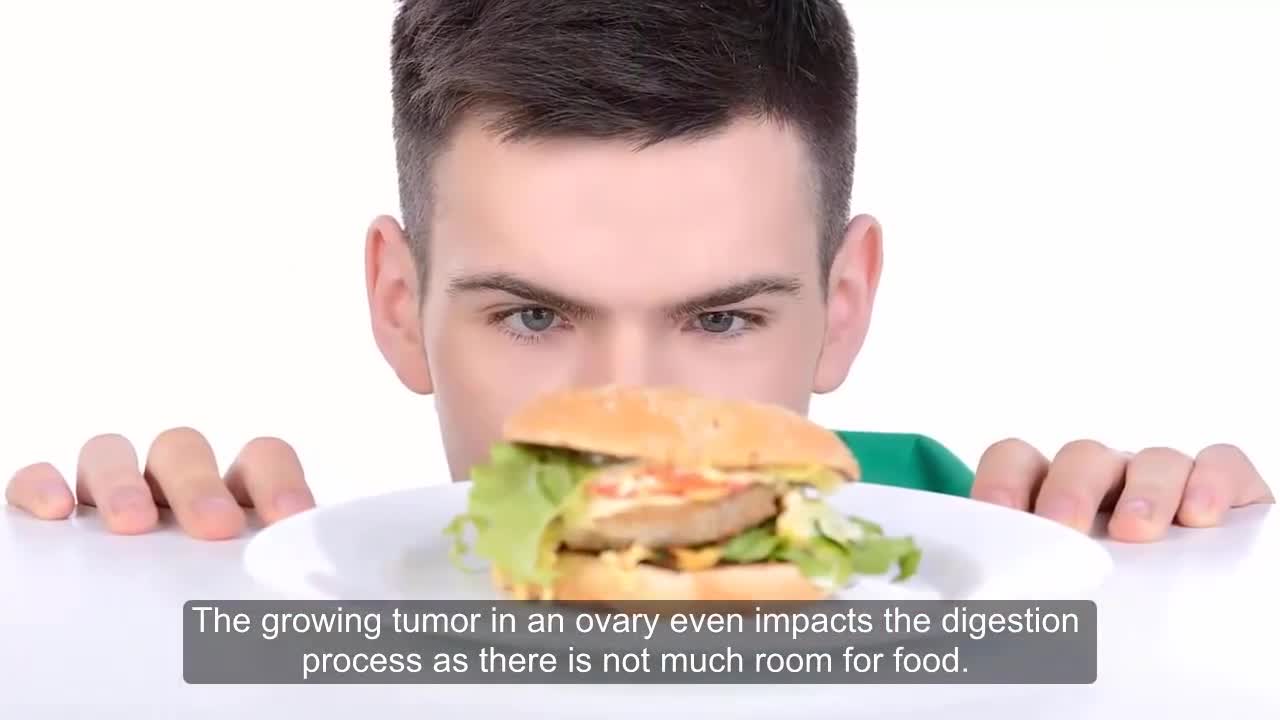
Ovarian cancer warning signs include ongoing pain or cramps in the belly or back, abnormal vaginal bleeding, nausea, and bloating. Depending on the cancer stage, ovarian cancer treatment includes surgery and chemotherapy.
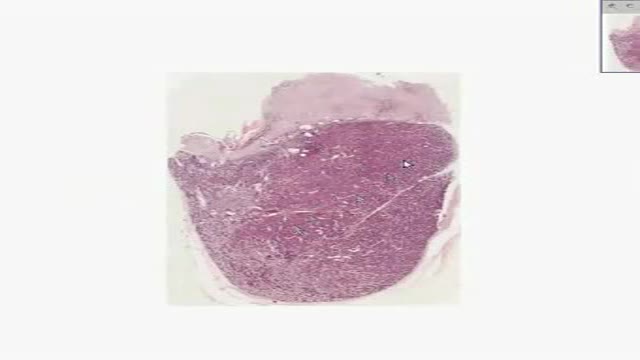
Histology of Pituitary
In breech position, the baby's bottom is down. There are a few types of breech: Complete breech means the baby is bottom-first, with knees bent. Frank breech means the baby's legs are stretched up, with feet near the head. Footling breech means one leg is lowered over the mother's cervix. You are more likely to have a breech baby if you: Go into early labor Have an abnormally shaped uterus, fibroids, or too much amniotic fluid Have more than one baby in your womb Have placenta previa (when the placenta is on the lower part of the uterine wall, blocking the cervix)
