
- Physical Examination
- Surgical Examination
- Ophthalmology
- Clinical Skills
- Orthopedics
- Surgery Videos
- Laparoscopy
- Pediatrics
- Funny Videos
- Cardiothoracic Surgery
- Nursing Videos
- Plastic Surgery
- Otorhinolaryngology
- Histology and Histopathology
- Neurosurgery
- Dermatology
- Pediatric Surgery
- Urology
- Dentistry
- Oncology and Cancers
- Anatomy Videos
- Health and Fitness
- Radiology
- Anaesthesia
- Physical Therapy
- Pharmacology
- Interventional Radiology
- Cardiology
- Endocrinology
- Gynecology
- Emergency Medicine
- Psychiatry and Psychology
- Childbirth Videos
- General Medical Videos
- Nephrology
- Physiology
- Diet and Food Health
- Diabetes Mellitus
- Neurology
- Women Health
- Osteoporosis
- Gastroenterology
- Pulmonology
- Hematology
- Rheumatology
- Toxicology
- Nuclear Medicine
- Infectious Diseases
- Vascular Disease
- Reproductive Health
- Burns and Wound Healing
- Other
Top videos


Pregnancy occurs when an egg is fertilized by a sperm, grows inside a woman's uterus (womb), and develops into a baby. In humans, this process takes about 264 days from the date of fertilization of the egg, but the obstetrician will date the pregnancy from the first day of the last menstrual period (280 days 40 weeks).

Syringomyelia (sih-ring-go-my-E-lee-uh) is the development of a fluid-filled cyst (syrinx) within your spinal cord. Over time, the cyst may enlarge, damaging your spinal cord and causing pain, weakness and stiffness, among other symptoms. Syringomyelia has several possible causes, though the majority of cases are associated with a condition in which brain tissue protrudes into your spinal canal (Chiari malformation). Other causes of syringomyelia include spinal cord tumors, spinal cord injuries and damage caused by inflammation around your spinal cord. If syringomyelia isn't causing any problems, monitoring the condition may be all that's necessary. But if you're bothered by symptoms, you may need surgery.
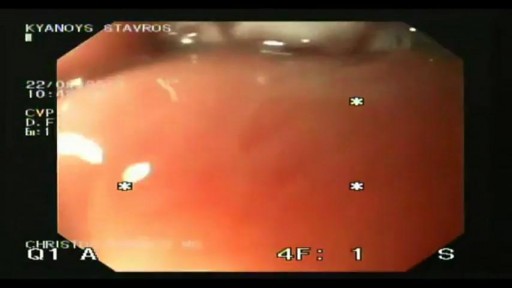
Barrett's esophagus is a complication of chronic (long lasting) and usually severe gastrointestinal reflux disease (GERD), but occurs in only a small percentage of patients with GERD. Criteria are needed for screening patients with GERD for Barrett's esophagus. Until validated criteria are available, it seems reasonable to do screening endoscopies in GERD patients who cannot be taken off acid suppression therapy after two to three years. The diagnosis of Barrett's esophagus rests upon seeing (at endoscopy) a pink esophageal lining that extends a short distance (usually less than 2.5 inches) up the esophagus from the gastroesophageal junction and finding intestinal type cells (goblet cells) on biopsy of the lining. There is a small but definite increased risk of cancer of the esophagus (adenocarcinoma) in patients with Barrett's esophagus.
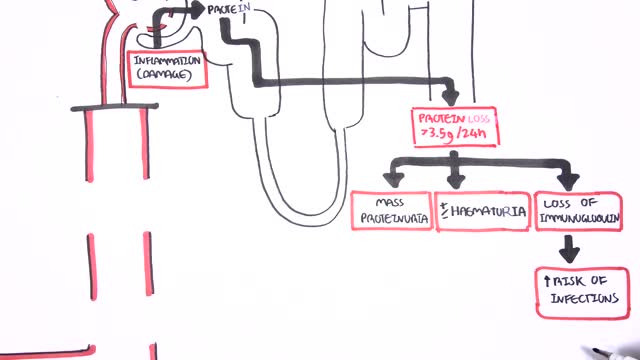
Nephrotic syndrome is a kidney disorder that causes your body to excrete too much protein in your urine. Nephrotic syndrome is usually caused by damage to the clusters of small blood vessels in your kidneys that filter waste and excess water from your blood. Nephrotic syndrome causes swelling (edema), particularly in your feet and ankles, and increases the risk of other health problems. Treatment for nephrotic syndrome includes treating the underlying condition that's causing it and taking medications. Nephrotic syndrome can increase your risk of infections and blood clots. Your doctor may recommend medications and dietary changes to prevent these and other complications of nephrotic syndrome.

Is There A Way To Know If I Have An Aortic Aneurysm Before It Ruptures?

A Texas baby, born with part of her heart outside her body ( Ectopia Cordis) , defies the odds and leaves hospital following a successful surgery.
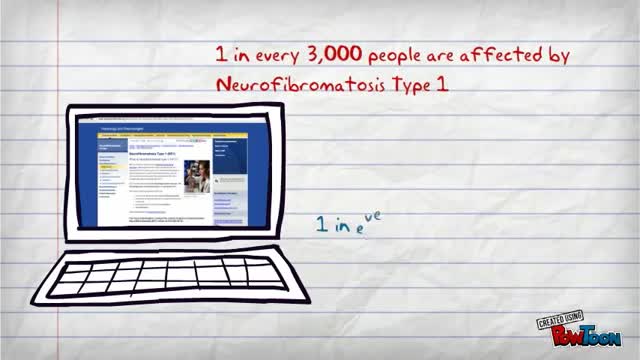
-Hypopigmented spots, in combination with a family history of bilateral deafness, strongly suggest neurofibromatosis type 2 (NF-2), an autosomal-dominant disorder. The spots described actually represent cafe-au-lait spots that are usually hypopigmented (unlike the hyperpigmented cafe-au-lait spots found in NF-1 ). Deafness is caused by bilateral acoustic neuromas, a characteristic neurologic manifestation of the syndrome.
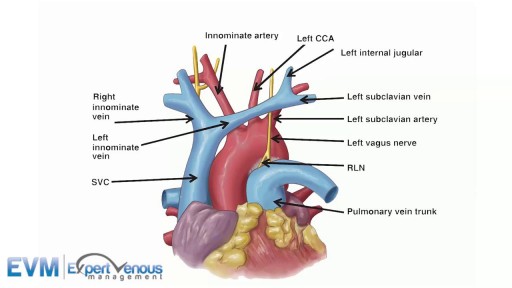
The superior vena cava (SVC, also known as the cava or cva) is a short, but large diameter vein located in the anterior right superior mediastinum.
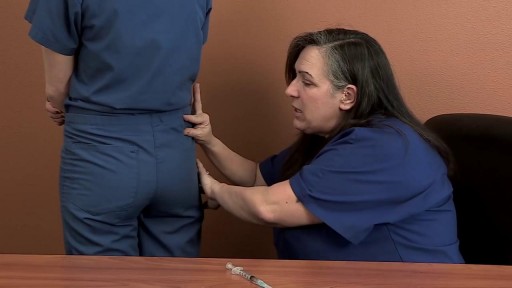
This video demonstrates the process for preparing and administering an intramuscular injection (IM)

A craniotomy involves making an incision in the scalp and creating a hole known as a bone flap in the skull. The hole and incision are made near the area of the brain being treated. During open brain surgery, your surgeon may opt to: remove tumors. clip off an aneurysm

Lewy body dementia, also known as dementia with Lewy bodies, is the second most common type of progressive dementia after Alzheimer's disease dementia. Protein deposits, called Lewy bodies, develop in nerve cells in the brain regions involved in thinking, memory and movement (motor control). Lewy body dementia causes a progressive decline in mental abilities. People with Lewy body dementia may experience visual hallucinations, and changes in alertness and attention. Other effects include Parkinson's disease-like symptoms such as rigid muscles, slow movement and tremors.

TransMedics’ proprietary Organ Care System (OCS) is the first commercial and portable warm blood perfusion organ transport system. With the OCS, doctors are able to perform “living organ transplants,” where organs are kept warm and functioning in a controlled environment from the time they are recovered to the moment they are placed in the recipient’s body.

Interventional Nephrology is a new and emerging subspecialty of Nephrology that mainly deals with ultrasonography of kidneys and ultrasound-guided renal biopsy, insertion of peritoneal dialysis catheters, tunneled dialysis catheters as a vascular access for patients undergoing hemodialysis as well as percutaneous ...
This is a video which discusses the Vioptix tOX system of near infrared spectroscopy for the monitoring of free tissue transfer. Having information as to the health of the microvascular anastomosis is critical to improved patient outcome and free tissue survival. With better monitoring, supplementing clinical evaluation, surgeons are able to assess the health of the free tissue better and potentially improve patient outcome. The example in this video is of a free breast reconstruction where the tOX system was used to remotely monitor the free flap. The surgeon can follow the flap real time and more importantly follow trend lines to help predict flap complications.
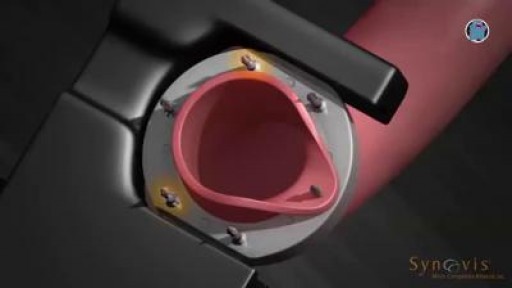
Although techniques of vascular anastomosis after trauma are numerous in type and form, most surgeons will default to the one associated with the greatest comfort and ease. This report offers a rapid and reliable repair using a conceptually and operationally simple technique. Its methodology is appropriate for all repairs, including cases mandating the insertion of vascular conduit. We have employed this technique for the past 15 years in nearly all patients with vascular injuries, regardless of the site and size of the vessel. This has included vessels of the neck, torso, upper and lower extremities. There have been no obvious complications associated with its use. Major advantages include: 1) the operating system is always oriented towards the surgeon, 2) the posterior row of sutures is placed as both ends are readily visualized, avoiding the need for potentially obscuring traction stitches, and 3) flushing is easily performed prior to completing the anterior suture row.
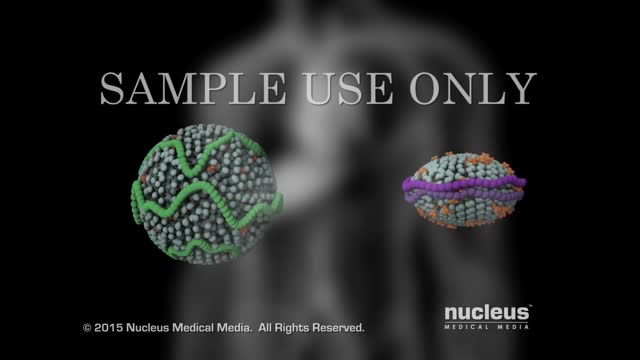
LDL (Bad) Cholesterol LDL cholesterol is considered the “bad” cholesterol because it contributes to plaque, a thick, hard deposit that can clog arteries and make them less flexible. This condition is known as atherosclerosis. If a clot forms and blocks a narrowed artery, heart attack or stroke can result. Another condition called peripheral artery disease can develop when plaque buildup narrows an artery supplying blood to the legs. View an animation of cholesterolHDL (Good) Cholesterol HDL cholesterol is considered “good” cholesterol because it helps remove LDL cholesterol from the arteries. Experts believe HDL acts as a scavenger, carrying LDL cholesterol away from the arteries and back to the liver, where it is broken down and passed from the body. One-fourth to one-third of blood cholesterol is carried by HDL. A healthy level of HDL cholesterol may also protect against heart attack and stroke, while low levels of HDL cholesterol have been shown to increase the risk of heart disease.
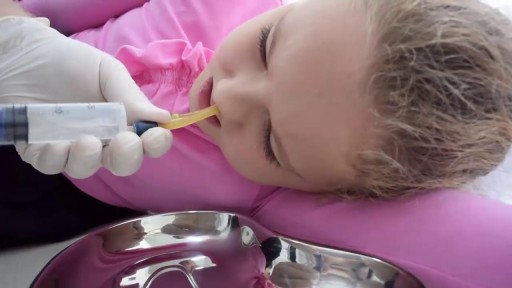
Antibiotic therapy is the mainstay of medical treatment for pediatric rhinosinusitis.] Because of increasing prevalence of beta-lactam–resistant bacteria in the community, administer antibiotics only for suspected infection as based on a careful history and physical examination. Direct the therapeutic regimen against the prevalent pathogens in the community and carefully consider suspicion for highly resistant bacteria. Typically, uncomplicated cases of acute sinusitis are responsive to amoxicillin. Most patients respond to this initial regimen. For children allergic to penicillin, a second- or third-generation cephalosporin can be used (only if the allergic reaction is not a type 1 hypersensitivity reaction). In cases of serious allergic reaction, a macrolide or clindamycin can be used.

Phencyclidine (PCP) was developed in the 1950s as an intravenous anesthetic but, due to the side effects of confusion and delirium, its development for human medical use was discontinued. In its pure form, it is a white crystalline powder that readily dissolves in water or alcohol and has a distinctive bitter chemical taste. On the illicit drug market, Phencyclidine contains a number of contaminants as a result of makeshift manufacturing, causing the color to range from tan to brown, and the consistency to range from powder to a gummy mass. It is available in a variety of tablets, capsules, and colored powders, which are either taken orally or snorted. The liquid form of phencyclidine is actually phencyclidine base dissolved most often in ether, a highly flammable solvent. For smoking, phencyclidine is typically sprayed onto leafy material such as mint, parsley, oregano, or marijuana.
Down syndrome is a set of physical and mental traits caused by a gene problem that happens before birth. Children who have Down syndrome tend to have certain features, such as a flat face and a short neck. They also have some degree of intellectual disability. This varies from person to person. But in most cases it is mild to moderate.
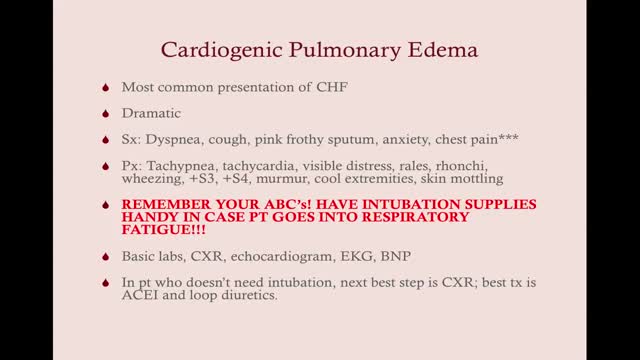
Pulmonary edema is a condition caused by excess fluid in the lungs. This fluid collects in the numerous air sacs in the lungs, making it difficult to breathe. In most cases, heart problems cause pulmonary edema. But fluid can accumulate for other reasons, including pneumonia, exposure to certain toxins and medications, trauma to the chest wall, and exercising or living at high elevations. Pulmonary edema that develops suddenly (acute pulmonary edema) is a medical emergency requiring immediate care. Although pulmonary edema can sometimes prove fatal, the outlook improves when you receive prompt treatment for pulmonary edema along with treatment for the underlying problem. Treatment for pulmonary edema varies depending on the cause but generally includes supplemental oxygen and medications.
