
- Physical Examination
- Surgical Examination
- Ophthalmology
- Clinical Skills
- Orthopedics
- Surgery Videos
- Laparoscopy
- Pediatrics
- Funny Videos
- Cardiothoracic Surgery
- Nursing Videos
- Plastic Surgery
- Otorhinolaryngology
- Histology and Histopathology
- Neurosurgery
- Dermatology
- Pediatric Surgery
- Urology
- Dentistry
- Oncology and Cancers
- Anatomy Videos
- Health and Fitness
- Radiology
- Anaesthesia
- Physical Therapy
- Pharmacology
- Interventional Radiology
- Cardiology
- Endocrinology
- Gynecology
- Emergency Medicine
- Psychiatry and Psychology
- Childbirth Videos
- General Medical Videos
- Nephrology
- Physiology
- Diet and Food Health
- Diabetes Mellitus
- Neurology
- Women Health
- Osteoporosis
- Gastroenterology
- Pulmonology
- Hematology
- Rheumatology
- Toxicology
- Nuclear Medicine
- Infectious Diseases
- Vascular Disease
- Reproductive Health
- Burns and Wound Healing
- Other
Top videos

There are four major blood groups determined by the presence or absence of two antigens – A and B – on the surface of red blood cells: Group A – has only the A antigen on red cells (and B antibody in the plasma) Group B – has only the B antigen on red cells (and A antibody in the plasma) Group AB – has both A and B antigens on red cells (but neither A nor B antibody in the plasma) Group O – has neither A nor B antigens on red cells (but both A and B antibody are in the plasma)
How To Reduce Sweating, How To Stop Underarm Sweat, Causes Of Sweating, How To Decrease Sweating.-- http://sweating-cure.info-pro.co/ -- Excessive Sweating Solution = the NEW You Embarrassed by Excessive Sweating? #1 Secret to Stop Sweating – Take Back Your Life Don’t spend another minute wasting your precious time on sweat solutions that bring your no results. This action plan will set your mind at ease once and for all. There’s a simple, paint by numbers formula to end sweating systematically and it can be working for you in just minutes. Take back your emotional balance AND your life! http://sweating-cure.info-pro.co/
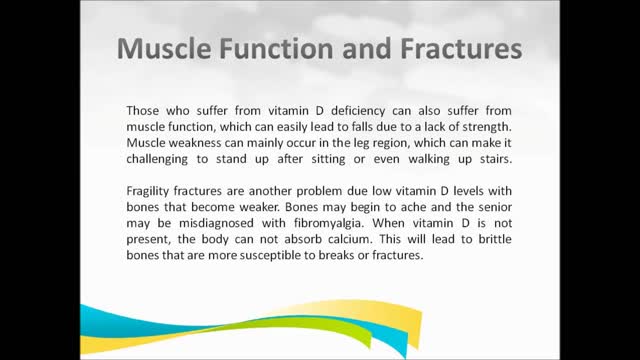
For the elderly, consuming a healthy diet is important to maintaining a strong body and increasing longevity. Many seniors can suffer from vitamin D deficiency due to a lack of exposure to sunlight and by avoiding certain foods. Without enough vitamin D, there are several effects that it can have on both the body and mind for those who are over the age of 50.
http://www.homecareassistancechicago.com/
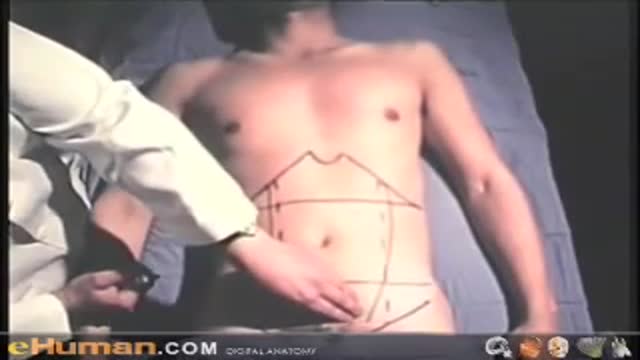
Clinical Anatomy Lecture Illustrate The Anatomy Of The Abdominal Wall

Kiki Challenge
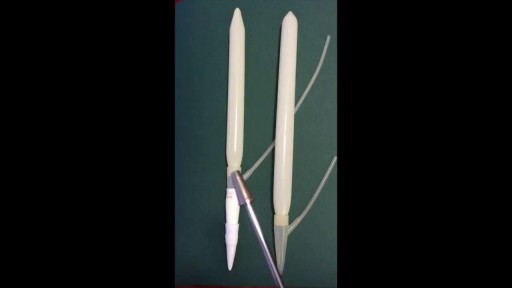
What are the effects of rear tip extenders?
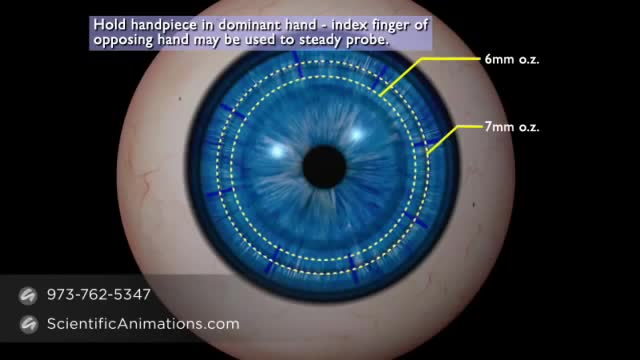
Keratoplasty is the procedure whereby abnormal corneal tissue is replaced by a healthy donor cornea.
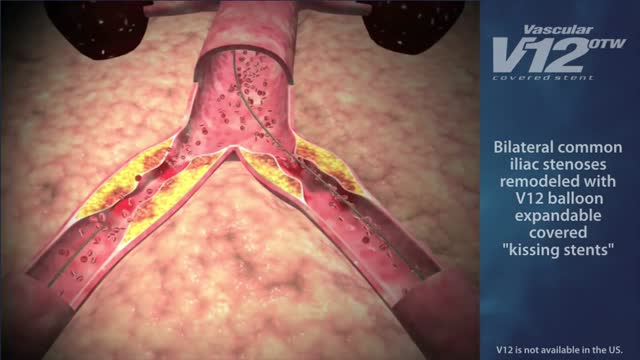
Indications for endovascular repair of the iliac artery are: Stenosis or (short-segment) occlusion of iliac artery (TASC type A and B, TASC C lesions are controversial) with ipsilateral lower extremity ischemia (lifestyle-limiting, progressive claudication, rest pain, gangrene). Patients with asymptomatic aneurysm greater than 4 cm in diameter. An iliac aneurysm which has also increased in size by 0.5 cm in last six months. Symptomatic iliac artery aneurysms mandate endovascular (or open) repair regardless of size. Patients with long occluded lesions/poor run-off/acute limb ischemia are poor endovascular candidates.
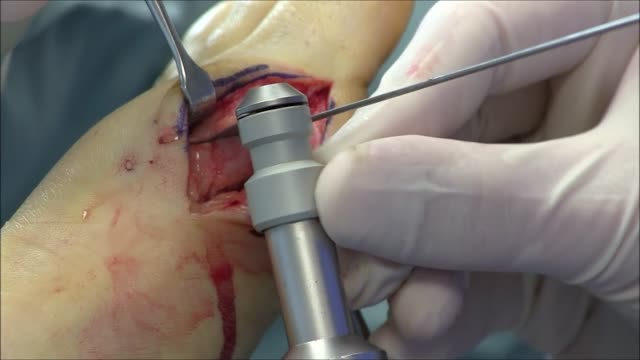
Bunions can be very painful. ... Bunion removal is a surgical procedure that corrects a deformed area of the foot near the big toe. Bunion removal is sometimes called a bunionectomy, bunion surgery, or hallux valgus correction. Hallux valgus is a Latin phrase that means “foot deformity

Orchitis (or-KIE-tis) is an inflammation of one or both testicles. It is usually caused by a bacterial infection or by the mumps virus. Bacterial orchitis can be caused by sexually transmitted infections (STIs), particularly gonorrhea or chlamydia. Bacterial orchitis often results from epididymitis, an inflammation of the coiled tube (epididymis) at the back of the testicle that stores and carries sperm. In that case, it's called epididymo-orchitis. Orchitis causes pain and can affect fertility. Medication can treat the causes of bacterial orchitis and can ease some signs and symptoms of viral orchitis. But it may take several weeks for scrotal tenderness to disappear.
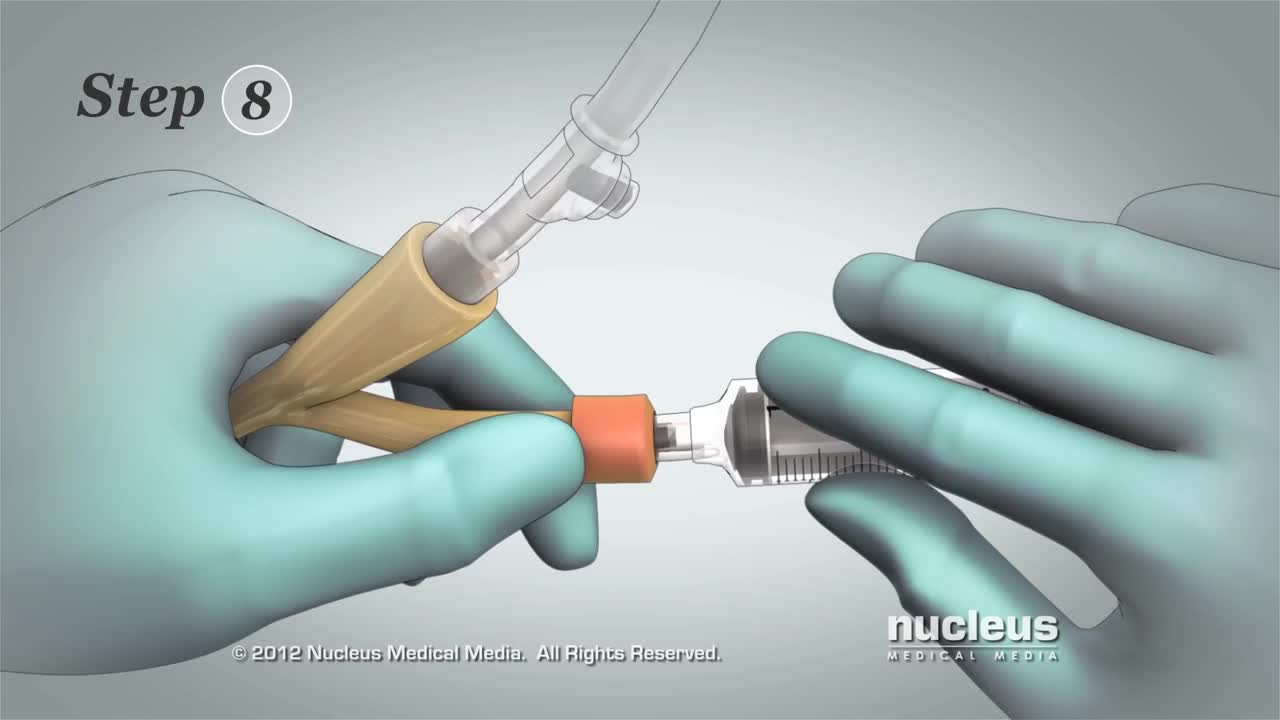
This 3D medical animation contains the discharge instructions for removal of a Foley catheter from a man. The step-by-step procedures for emptying the Foley bag and removing the Foley catheter are shown. Symptoms requiring a follow-up call to the surgeon are listed.
Pericardiocentesis is the aspiration of fluid from the pericardial space that surrounds the heart. This procedure can be life saving in patients with cardiac tamponade, even when it complicates acute type A aortic dissection and when cardiothoracic surgery is not available. [1] Cardiac tamponade is a time sensitive, life-threatening condition that requires prompt diagnosis and management. Historically, the diagnosis of cardiac tamponade has been based on clinical findings. Claude Beck, a cardiovascular surgeon, described 2 triads of clinical findings that he found associated with acute and chronic cardiac tamponade. The first of these triads consisted of hypotension, an increased venous pressure, and a quiet heart. It has come to be recognized as Beck's triad, a collection of findings most commonly produced by acute intrapericardial hemorrhage. Subsequent studies have shown that these classic findings are observed in only a minority of patients with cardiac tamponade. [2] The detection of pericardial fluid has been facilitated by the development and continued improvement of echocardiography. [3] Cardiac ultrasound is now accepted as the criterion standard imaging modality for the assessment of pericardial effusions and the dynamic findings consistent with cardiac tamponade. With echocardiography, the location of the effusion can be identified, the size can be estimated (small, medium, or large), and the hemodynamic effects can be examined by assessing for abnormal septal motion, right atrial or right ventricular inversion, and decreased respiratory variation of the diameter of the inferior vena cava
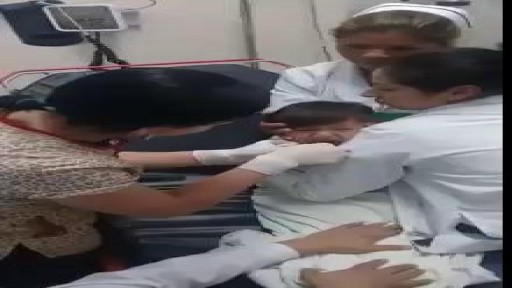
The kid swallowed a coin. Just watch how professionally a doctor extracts it, while another hospital might even perform a surgery and empty the parent's...
MENTAL STATUS EXAMINATION
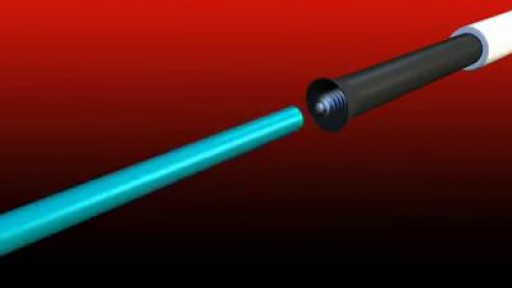
Ureteral stents are one of the most common devices used by urologists. They are placed with cystoscopic guidance in an operating room setting. Ureteral stents are used to relieve ureteral obstruction, promote ureteral healing following surgery, and to assist with ureteral identification during pelvic surgery. Ureteral stent placement is associated with some degree of morbidity in the majority of patients that ranges from generalized urinary discomfort to urinary tract infection or obstruction. Much of the morbidity is related to the biocompatibility of the materials used to fashion the stent and, to some extent, their design; unfortunately, the ideal stent has yet to be discovered.
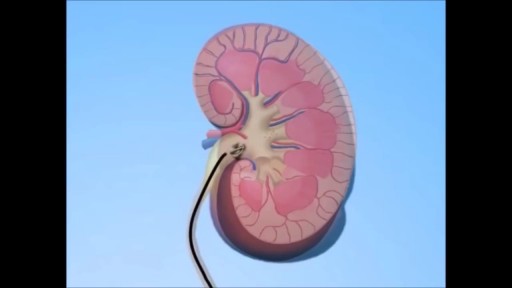
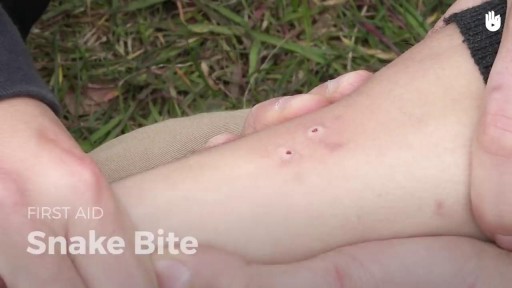
Move the person beyond striking distance of the snake. Have the person lie down with wound below the heart. Keep the person calm and at rest, remaining as still as possible to keep venom from spreading. Cover the wound with loose, sterile bandage

A new approach to health care working with patients and doctors to streamline the process and makes it easier and more efficient to get health care they need.
