
Najbolji videi
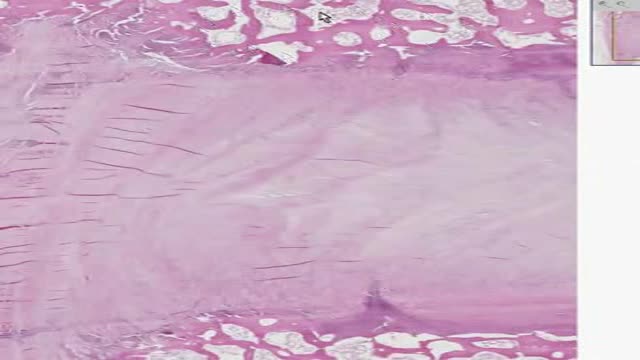

Histology of Intervertebral Disk
AL EMADI HOSPITAL-QATAR-DOHA AMERICAN BOARD CERTIFICATE AESTHETIC MEDICINE
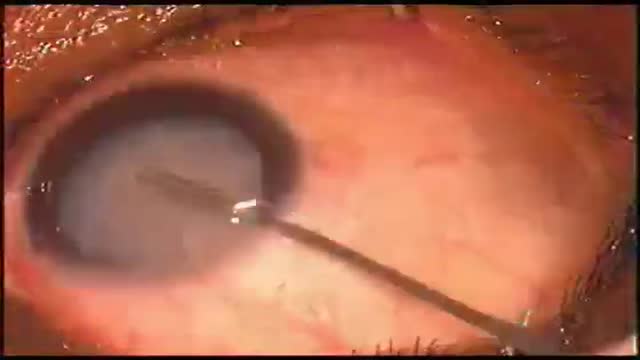
Eye Phacoemulsification
Temporal Arteritis: what is it? how to treat it? follow up?

TV interview with Dr. Mostafa Yakoot, MD discussing the published study for efficacy of a new local cream for diabetic foot ulcers. دكتور مصطفى ياقوت علاج جديد للقدم السكرى

Shannon, who recently underwent gastric bypass surgery, discusses her hopes and aspirations for life after her upcoming abdominoplasty surgery in Austin. Abdominoplasty, more commonly known as tummy tuck surgery, is a procedure which removes excess skin from the midsection and tightens the abdominal muscles for a more sculpted, leaner appearance. Please visit http://www.personique.com/tummy-tuckabdominoplasty.php to learn more about abdominoplasty in Austin.

Brain Concussion Recognize and Report
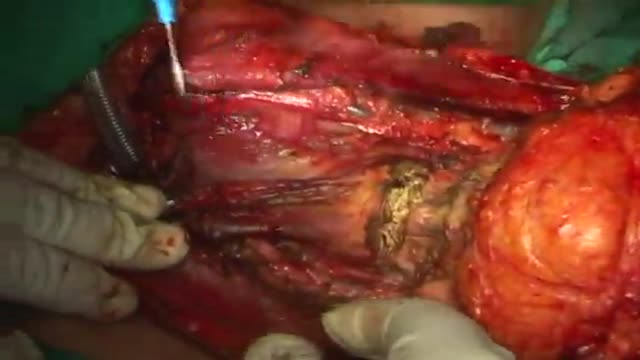
Laringectomia total ampliada en carcinoma laringeo avanzado T4a. Hospital Dr Sotero del Rio
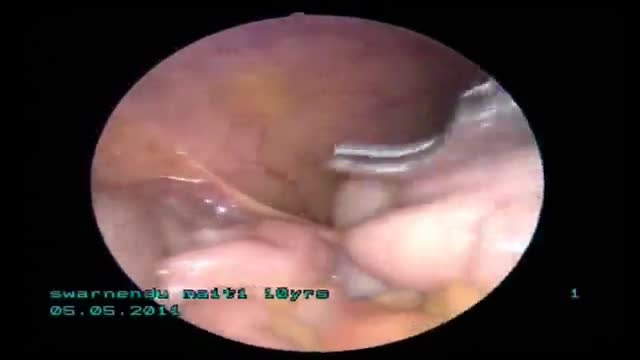
Intestinal malrotation is a developmental anomaly that occasionally causes an unusual array of symptoms in adults. The delay in diagnosis that is common in patients with malrotation frequently results in a ruptured appendix. Appendicitis should be considered when characteristic signs and symptoms are present, even if the location of abdominal pain is atypical.
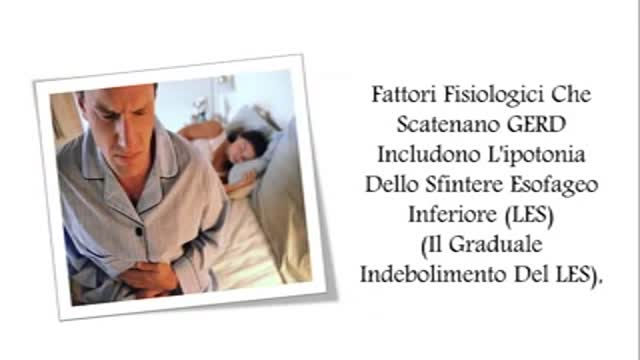
Mal Di Stomaco Rimedi, Bruciore All Esofago, Come Combattere L Acidita Di Stomaco
http://reflusso-acido-rimedi.good-info.co
Le cause del reflusso acido
La sindrome da reflusso acido, nota anche come sindrome da reflusso gastro-esofageo (GERD), si verifica a causa della coesistenza di diversi disturbi medici e di stile di vita.
Fattori fisiologici che scatenano GERD includono l'ipotonia dello sfintere esofageo inferiore (LES) (il graduale indebolimento del LES), insieme con il flusso retrogrado del contenuto dello stomaco nell'esofago, e il livello di sensibilità del muco esofagea al contenuto riflusso.
Clicca sul link sottostante per fare il check out
http://reflusso-acido-rimedi.good-info.co
Iscriviti al nostro canale
http://reflusso-acido-rimedi.blogspot.com/
https://www.youtube.com/watch?v=InjDBmCwkUg
Mal Di Stomaco Rimedi, Bruciore All Esofago, Come Combattere L Acidita Di Stomaco
Mal Di Stomaco Rimedi,
rimedi contro reflusso,
bruciori di stomaco continui,
acidità e reflusso,
reflusso acido sintomi,
rimedi naturali per bruciore stomaco,
acidità stomaco sintomi,
sintomi ulcera stomaco,
cura del reflusso gastroesofageo,
dieta per il reflusso gastro esofageo,
bruciori stomaco,
reflusso di bile cause,
reflusso acido notturno,
reflusso gastroesofageo notturno,
alleviare il bruciore di stomaco,

Dr. Arthur Handal discusses how injectable fillers can be used to restore a patient's youth.

Toxic shock syndrome is a rare, life-threatening complication of certain types of bacterial infections. Often toxic shock syndrome results from toxins produced by Staphylococcus aureus (staph) bacteria, but the condition may also be caused by toxins produced by group A streptococcus (strep) bacteria. Toxic shock syndrome historically has been associated primarily with the use of superabsorbent tampons. However, since manufacturers pulled certain types of tampons off the market, the incidence of toxic shock syndrome in menstruating women has declined. Toxic shock syndrome can affect men, children and postmenopausal women. Risk factors for toxic shock syndrome include skin wounds and surgery.
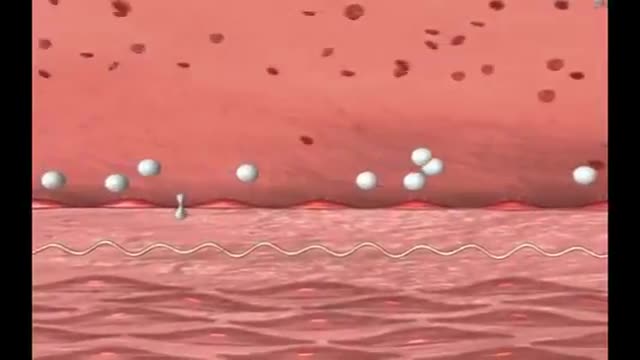
Kawasaki disease is a condition that causes inflammation in the walls of medium-sized arteries throughout the body, including the coronary arteries, which supply blood to the heart muscle. Kawasaki disease is also called mucocutaneous lymph node syndrome because it also affects lymph nodes, skin, and the mucous membranes inside the mouth, nose and throat. Signs of Kawasaki disease, such as a high fever and peeling skin, can be frightening. The good news is that Kawasaki disease is usually treatable, and most children recover from Kawasaki disease without serious problems.

Primary infection with herpes simplex viruses (HSVs) is clinically more severe than recurrent outbreaks. However, most primary HSV-1 and HSV-2 infections are subclinical and may never be clinically diagnosed. Orolabial herpes Herpes labialis (eg, cold sores, fever blisters) is most commonly associated with HSV-1 infection. Oral lesions caused by HSV-2 have been identified, usually secondary to orogenital contact. Primary HSV-1 infection often occurs in childhood and is usually asymptomatic. Primary infection Symptoms of primary herpes labialis may include a prodrome of fever, followed by a sore throat and mouth and submandibular or cervical lymphadenopathy. In children, gingivostomatitis and odynophagia are also observed. Painful vesicles develop on the lips, the gingiva, the palate, or the tongue and are often associated with erythema and edema. The lesions ulcerate and heal within 2-3 weeks. Recurrences The disease remains dormant for a variable amount of time. HSV-1 reactivation in the trigeminal sensory ganglia leads to recurrences in the face and the oral, labial, and ocular mucosae. Pain, burning, itching, or paresthesia usually precedes recurrent vesicular lesions that eventually ulcerate or form a crust. The lesions most commonly occur in the vermillion border, and symptoms of untreated recurrences last approximately 1 week. Recurrent erythema multiforme lesions have been associated with orolabial HSV-1 recurrences. A recent study reported that HSV-1 viral shedding had a median duration of 48-60 hours from the onset of herpes labialis symptoms. They did not detect any virus beyond 96 hours of symptom onset.[7] Genital herpes HSV-2 is identified as the most common cause of herpes genitalis. However, HSV-1 has been increasingly identified as the causative agent in as many as 30% of cases of primary genital herpes infections likely secondary to orogenital contact. Recurrent genital herpes infections are almost exclusively caused by HSV-2. Primary infection Primary herpes genitalis occurs within 2 days to 2 weeks after exposure to the virus and has the most severe clinical manifestations. Symptoms of the primary episode typically last 2-3 weeks. In men, painful, erythematous, vesicular lesions that ulcerate most commonly occur on the penis, but they can also occur on the anus and the perineum. In women, primary herpes genitalis presents as vesicular/ulcerated lesions on the cervix and as painful vesicles on the external genitalia bilaterally. They can also occur on the vagina, the perineum, the buttocks, and, at times, the legs in a sacral nerve distribution. Associated symptoms include fever, malaise, edema, inguinal lymphadenopathy, dysuria, and vaginal or penile discharge. Females may also have lumbosacral radiculopathy, and as many as 25% of women with primary HSV-2 infections may have associated aseptic meningitis. Recurrences After primary infection, the virus may be latent for months to years until a recurrence is triggered. Reactivation of HSV-2 in the lumbosacral ganglia leads to recurrences below the waist. Recurrent clinical outbreaks are milder and often preceded by a prodrome of pain, itching, tingling, burning, or paresthesia. Individuals who are exposed to HSV and have asymptomatic primary infections may experience an initial clinical episode of genital herpes months to years after becoming infected. Such an episode is not as severe as a true primary outbreak. More than one half of individuals who are HSV-2 seropositive do not experience clinically apparent outbreaks. However, these individuals still have episodes of viral shedding and can transmit the virus to their sexual partners. Other HSV infections Localized or disseminated eczema herpeticum is also known as Kaposi varicelliform eruption. Caused by HSV-1, eczema herpeticum is a variant of HSV infection that commonly develops in patients with atopic dermatitis, burns, or other inflammatory skin conditions. Children are most commonly affected. Herpes whitlow, vesicular outbreaks on the hands and the digits, was most commonly due to infection with HSV-1. It usually occurred in children who sucked their thumbs and, prior to the widespread use of gloves, in dental and medical health care workers. The occurrence of herpes whitlow due to HSV-2 is increasingly recognized, probably due to digital-genital contact. Herpes gladiatorum is caused by HSV-1 and is seen as papular or vesicular eruptions on the face, arms, or torsos of athletes in sports involving close physical contact (classically wrestling). Disseminated HSV infection can occur in females who are pregnant and in individuals who are immunocompromised. These patients may present with atypical signs and symptoms of HSV, and the condition may be difficult to diagnose. Herpetic sycosis, a follicular infection with HSV, may present as a vesiculopustular eruption on the beard area. This infection often results from autoinoculation after shaving through a recurrent herpetic outbreak. Classically caused by HSV-1, there have been rare reports of relapsing beard folliculitis caused by type 2 HSV.[8] Neonatal HSV HSV-2 infection in pregnancy can have devastating effects on the fetus. Neonatal HSV usually manifests within the first 2 weeks of life and clinically ranges from localized skin, mucosal, or eye infections to encephalitis, pneumonitis, disseminated infection, and demise. Most women who deliver infants with neonatal HSV had no prior history, signs, or symptoms of HSV infection. Risk of transmission is highest in pregnant women who are seronegative for both HSV-1 and HSV-2 and acquire a new HSV infection in the third trimester of pregnancy. Factors that increase the risk of transmission from mother to baby include the type of genital infection at the time of delivery (higher risk with active primary infection), active lesions, prolonged rupture of membranes, vaginal delivery, and an absence of transplacental antibodies. The mortality rate for neonates is extremely high (>80%) if untreated.
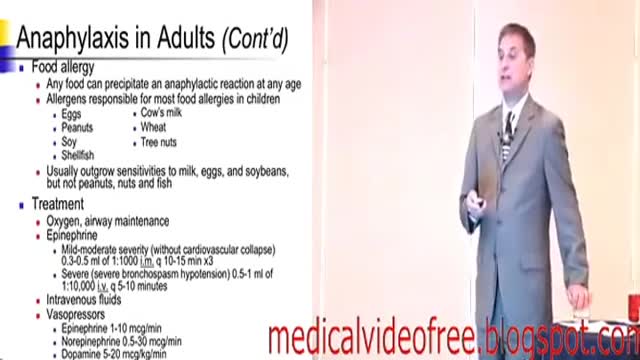
A drug allergy is the abnormal reaction of your immune system to a medication. Any medication — over-the-counter, prescription or herbal — is capable of inducing a drug allergy. However, a drug allergy is more likely with certain medications. The most common signs and symptoms of drug allergy are hives, rash or fever. A drug allergy may cause serious reactions, including anaphylaxis, a life-threatening condition that affects multiple body systems. A drug allergy is not the same as drug side effects, the known possible reactions that are listed on a drug label. A drug allergy is also distinct from drug toxicity caused by an overdose of medication.
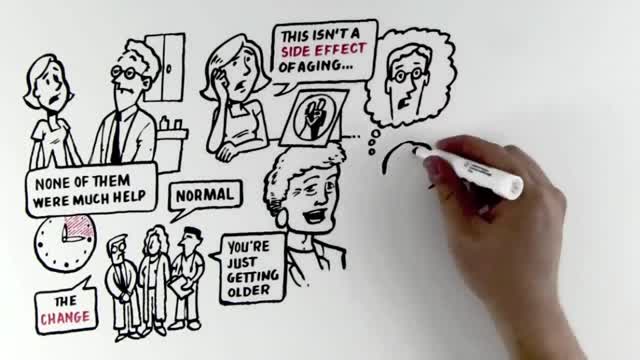
Hypothyroidism is a condition in which the body lacks sufficient thyroid hormone. Since the main purpose of thyroid hormone is to "run the body's metabolism," it is understandable that people with this condition will have symptoms associated with a slow metabolism. The estimates vary, but approximately 10 million Americans have this common medical condition. In fact, as many as 10% of women may have some degree of thyroid hormone deficiency. Hypothyroidism is more common than you would believe, and millions of people are currently hypothyroid and don't know it.
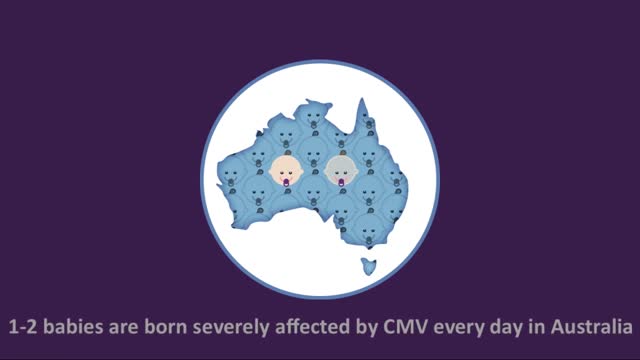
Cytomegalovirus (CMV) is a common virus that can infect almost anyone. Most people don't know they have CMV because it rarely causes symptoms. However, if you're pregnant or have a weakened immune system, CMV is cause for concern. Once infected with CMV, your body retains the virus for life. However, CMV usually remains dormant if you're healthy. CMV spreads from person to person through body fluids, such as blood, saliva, urine, semen and breast milk. CMV spread through breast milk usually doesn't make the baby sick. However, if you are pregnant and develop an active infection, you can pass the virus to your baby.
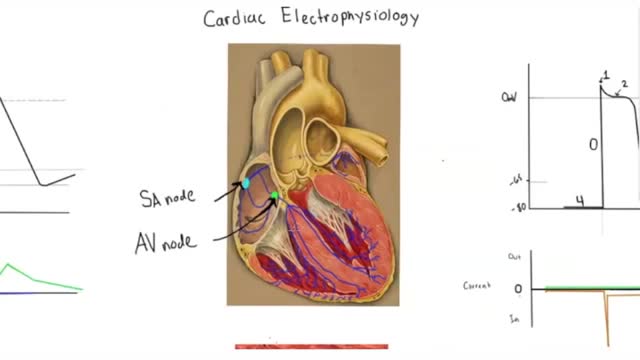
Electrophysiology studies test the electrical activity of your heart to find where an arrhythmia (abnormal heartbeat) is coming from. These results can help you and your doctor decide whether you need medicine, a pacemaker, an implantable cardioverter defibrillator (ICD), cardiac ablation or surgery.
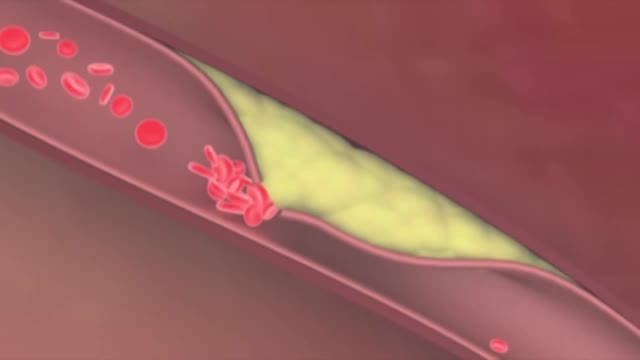
Use lifestyle changes Quit smokingQuit smoking. Avoid secondhand smoke too. ... Exercise . There are lots of ways that exercise boosts your heart health. ... Eat a heart-healthy diet . The way you eat can help you control your cholesterol and blood pressure. Stay at a healthy weight .

My Skin Could Kill Me
