
- Physical Examination
- Surgical Examination
- Ophthalmology
- Clinical Skills
- Orthopedics
- Surgery Videos
- Laparoscopy
- Pediatrics
- Funny Videos
- Cardiothoracic Surgery
- Nursing Videos
- Plastic Surgery
- Otorhinolaryngology
- Histology and Histopathology
- Neurosurgery
- Dermatology
- Pediatric Surgery
- Urology
- Dentistry
- Oncology and Cancers
- Anatomy Videos
- Health and Fitness
- Radiology
- Anaesthesia
- Physical Therapy
- Pharmacology
- Interventional Radiology
- Cardiology
- Endocrinology
- Gynecology
- Emergency Medicine
- Psychiatry and Psychology
- Childbirth Videos
- General Medical Videos
- Nephrology
- Physiology
- Diet and Food Health
- Diabetes Mellitus
- Neurology
- Women Health
- Osteoporosis
- Gastroenterology
- Pulmonology
- Hematology
- Rheumatology
- Toxicology
- Nuclear Medicine
- Infectious Diseases
- Vascular Disease
- Reproductive Health
- Burns and Wound Healing
- Other
Top videos


Post-streptococcal GN is a form of glomerulonephritis. It is caused by an infection with a type of streptococcus bacteria. The infection does not occur in the kidneys, but in a different part of the body, such as the skin or throat. The strep bacterial infection causes the tiny blood vessels in the filtering units of the kidneys (glomeruli) to become inflamed. This makes the kidneys less able to filter the urine. Post-streptococcal GN is uncommon today because infections that can lead to the disorder are commonly treated with antibiotics. The disorder may develop 1 to 2 weeks after an untreated throat infection, or 3 to 4 weeks after a skin infection. It may occur in people of any age, but it most often occurs in children ages 6 through 10. Although skin and throat infections are common in children, post-streptococcal GN is a rare complication of these infections. Risk factors include: Strep throat Streptococcal skin infections (such as impetigo)
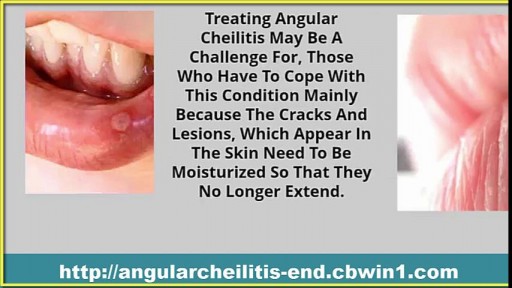
Cracked Lip Corners, Angular Cheilitis Treatment, Angular Cheilitis Home Remedies, Angular Cheilitis--- http://angularcheilitis-end.cbwin1.com --- A Balance Diet Can Help You Defeat Angular Cheilitis Much Faster. There are numerous medicines available on the market, which claim to heal you faster and easier of Angular Cheilitis. There are also numerous homemade recipes whose authors say that you will get rid of cheilosis in no time. Yet, when they are put to test, none of them proves to be as effective as they previously claimed. This is why, if you want to get rid of Angular Cheilitis in a short period of time you will have to start combining your normal treatment (which is applied on the affected area) with a treatment which will strengthen your body, thus helping the skin to recover quicker from this condition. The best way in which you can fortify your body and increase the resistance of your immune system is by changing your unhealthy and disorganized diet with a healthy one, filled with foods containing lots of vitamins and minerals. Such a diet should include vegetables, fruits, cereals, fish, lean meat and dairy products, all of them in moderate quantities, as no exaggeration is good for your body. A healthy diet is good for every individual, but is even better for those who have suffered from Angular Cheilitis and are always under the threat that this condition may come back. With a strong immune system, there will be no way that cheilosis will ever come back. Even if it does, in no more than one week you will get rid of it as your body will have the necessary resources to fight back! If you no longer want to have those anesthetic and painful cracks around your mouth, if you want to eat, drink and speak normally without experiencing any pain when opening your mouth, then check out this new and revolutionary treatment! It will get you rid of Angular Cheilitis in just a few days and you will be able to enjoy life to its fullest again, without worrying about those otiose cracks Click Here. http://angularcheilitis-end.cbwin1.com

Dumping syndrome is a condition that can develop after surgery to remove all or part of your stomach or after surgery to bypass your stomach to help you lose weight. Also called rapid gastric emptying, dumping syndrome occurs when food, especially sugar, moves from your stomach into your small bowel too quickly.Diet: Eating too much sugar can cause sugars to pass into the colon, making the bacteria there get all excited and cause diarrhea. Other things like sorbitol, a sweetener in some sugarless candy, can also cause diarrhea through osmosis. Malabsorption: Some people don't digest sugars or fats properly.
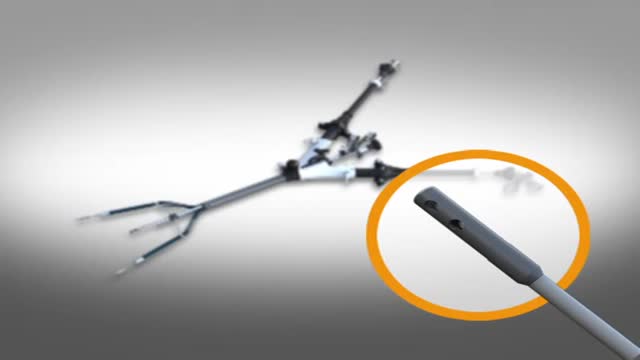
SPIDER Surgery-- Single Incision Gallbladder Removal

The video is about taking care of your plaster cast and the after care. What you should do if you have a problem. Your questions answered.
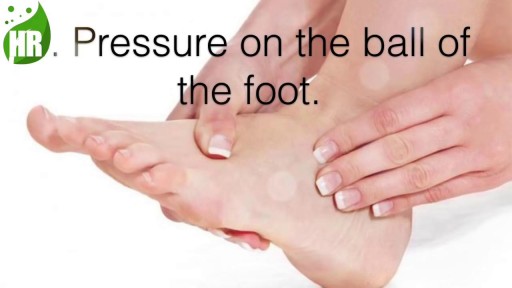
Forty-nine percent of women, ages 18- 24, wear high heels. The percentage only goes down slightly to 42 percent for women aged 20- 49, reports The List.
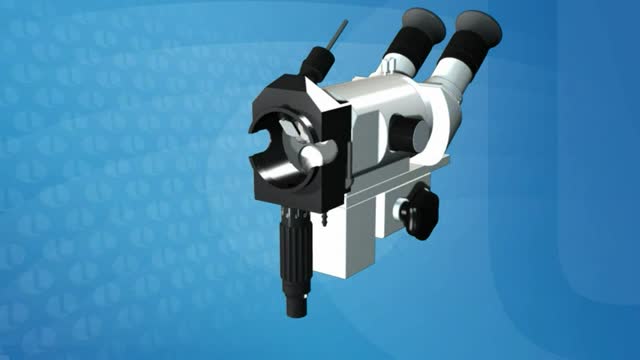
Colposcopy (kol-POS-kuh-pee) is a procedure to closely examine your cervix, vagina and vulva for signs of disease. During colposcopy, your doctor uses a special instrument called a colposcope. Your doctor may recommend colposcopy if your Pap test has shown abnormal results.
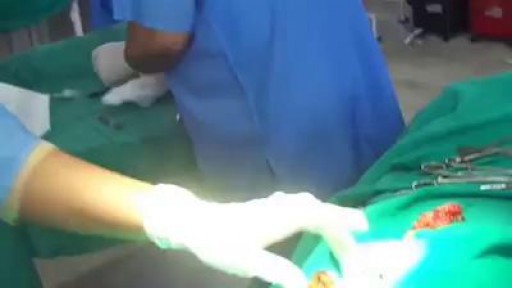
Lipomas are single or multiple, benign subcutaneous tumors that are easily recognized because they are soft, rounded, or lobulated and movable against the overlying skin. Many lipomas are small but may also enlarge to 6 cm. They occur especially on the neck, trunk, and on the extremities but can occur anywhere on the body. Lipomas are composed of fat cells that have the same morphology as normal fat cells, and there is a connective tissue framework. Angiolipomas have a vascular component and may be tender in cold ambient temperature. These often require excision, whereas other lipomas should be excised only when considered disfiguring. Liposuction can also be performed when liposomas are soft and thus have only a minor connective tissue component.
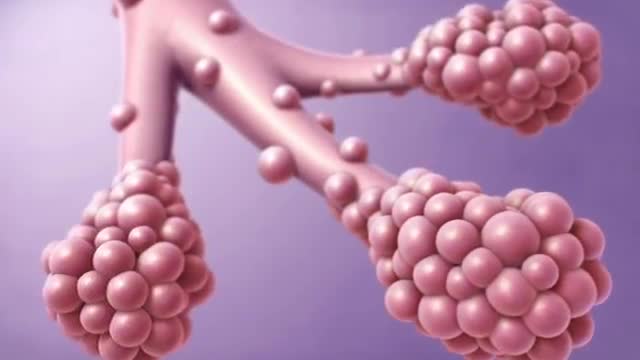
Idiopathic pulmonary fibrosis (IPF) is defined as a specific form of chronic, progressive fibrosing interstitial pneumonia of unknown cause, primarily occurring in older adults, limited to the lungs, and associated with the histopathologic and/or radiologic pattern of usual interstitial pneumonia (UIP).[1] Signs and symptoms The clinical symptoms of idiopathic pulmonary fibrosis are nonspecific and can be shared with many pulmonary and cardiac diseases. Most patients present with a gradual onset (often >6 mo) of exertional dyspnea and/or a nonproductive cough. Approximately 5% of patients have no presenting symptoms when idiopathic pulmonary fibrosis is serendipitously diagnosed.
How do you assess cerebellar function? Ask them to do this as fast as possible while you slowly move your finger. Repeat the test with the other hand. Perform the heel-to-shin test. Have the patient lying down for this and get them to run the heel of one foot down the shin of the other leg, and then to bring the heel back up to the knee and start again.

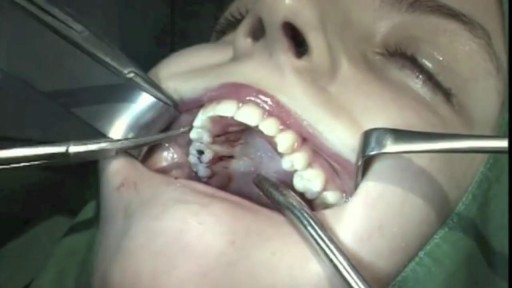
Simply put, there isn’t enough room for wisdom teeth because our jaws don’t grow to be big enough to have enough space for them to come in. Since there isn’t enough room for them to erupt properly, wisdom teeth tend to come in at an angle or they don’t fully emerge, which causes problems for the rest of the mouth. Third molars (the wisdom teeth) routinely damage the teeth right next door, called second molars. Dentists recommend removing wisdom teeth before they become a problem and to avoid a more complicated surgery. Read more at Ask the Dentist: https://askthedentist.com/wisdom-teeth-removal/
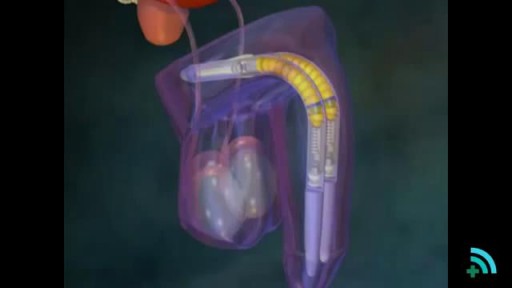
enile implants are devices placed inside the penis to allow men with erectile dysfunction (ED) to get an erection. Penile implants are typically recommended after other treatments for ED fail. There are two main types of penile implants, semirigid and inflatable.
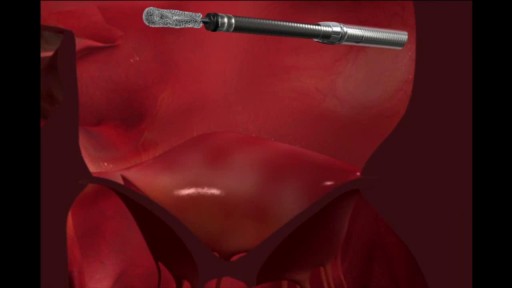
Certain high-surgical-risk patients with severe degenerative mitral regurgitation (DMR) now have a minimally invasive treatment option. MitraClip® therapy is a minimally-invasive transcatheter mitral valve repair (TMVr) procedure that has been established as a proven option with demonstrated safety and clinically important improvements. Used in more than 25,000 patients worldwide, MitraClip® is a well-established therapy. The MitraClip® device received CE Mark approval in Europe in 2008 and U.S. FDA approval in 2013, and has been approved for commercial use in 50 countries throughout the world.

The surgical procedure uses your own fat, so it is the most natural way to augment your buttocks. Over the last few years, the buttocks have received more press coverage than ever before. People of all ages and body types are having the Brazilian Butt Lift procedure.

Amazing Medical Technology

Best facial cosmetic surgeons B
Schizophreniform disorder is a mental disorder diagnosed when symptoms of schizophrenia are present for a significant portion of the time within a one-month period, but signs of disruption are not present for the full six months required for the diagnosis of schizophrenia.

How to keep those creepy crawly lice from pestering your family’s scalps– tips on prevention and removal.
http://www.handalplasticsurgery.com/ 561-912-9888
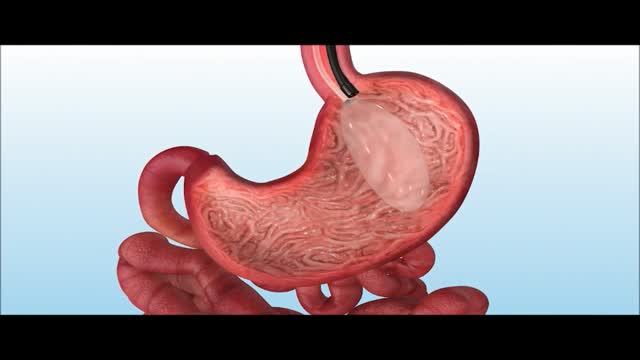
Dr. Arthur G Handal M.D., F.A.C.S. Offers ORBERA™ Intragastric Balloon procedure for weight loss at Handal Plastic Surgery in Boca Raton FL
