
- Physical Examination
- Surgical Examination
- Ophthalmology
- Clinical Skills
- Orthopedics
- Surgery Videos
- Laparoscopy
- Pediatrics
- Funny Videos
- Cardiothoracic Surgery
- Nursing Videos
- Plastic Surgery
- Otorhinolaryngology
- Histology and Histopathology
- Neurosurgery
- Dermatology
- Pediatric Surgery
- Urology
- Dentistry
- Oncology and Cancers
- Anatomy Videos
- Health and Fitness
- Radiology
- Anaesthesia
- Physical Therapy
- Pharmacology
- Interventional Radiology
- Cardiology
- Endocrinology
- Gynecology
- Emergency Medicine
- Psychiatry and Psychology
- Childbirth Videos
- General Medical Videos
- Nephrology
- Physiology
- Diet and Food Health
- Diabetes Mellitus
- Neurology
- Women Health
- Osteoporosis
- Gastroenterology
- Pulmonology
- Hematology
- Rheumatology
- Toxicology
- Nuclear Medicine
- Infectious Diseases
- Vascular Disease
- Reproductive Health
- Burns and Wound Healing
- Kidney Zone Podcast
- Other
Top videos


Obesity is one of the most pervasive, chronic diseases in need of new strategies for medical treatment and prevention. As a leading cause of United States mortality, morbidity, disability, healthcare utilization and healthcare costs, the high prevalence of obesity continues to strain the United States healthcare system. Obesity is defined as excess adipose tissue. There are several different methods for determining excess adipose (fat) tissue; the most common being the Body Mass Index (BMI) (see below). A fat cell is an endocrine cell and adipose tissue is an endocrine organ. As such, adipose tissue secretes a number of products, including metabolites, cytokines, lipids, and coagulation factors among others. Significantly, excess adiposity or obesity causes increased levels of circulating fatty acids and inflammation. This can lead to insulin resistance, which in turn can lead to type 2 diabetes.
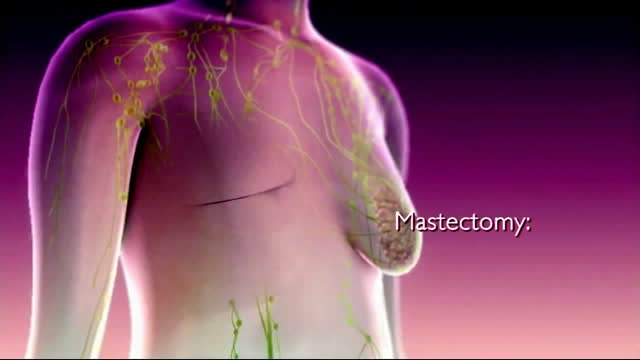
For both DCIS and invasive cancer, radiation therapy to the remaining breast tissue is generally recommended after surgery. A lumpectomy may also be called breast-conserving surgery, a partial mastectomy, quadrantectomy, or a segmental mastectomy. A mastectomy is the surgical removal of the entire breast.
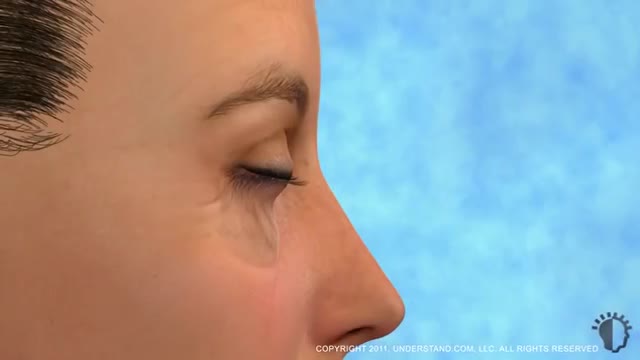
Eyelid surgery, or blepharoplasty, is a surgical procedure to improve the appearance of the eyelids. Surgery can be performed on either the upper and lower lids, or both. Whether you want to improve your appearance or are experiencing functional problems with your eyelids, eyelid surgery can rejuvenate the area surrounding your eyes.
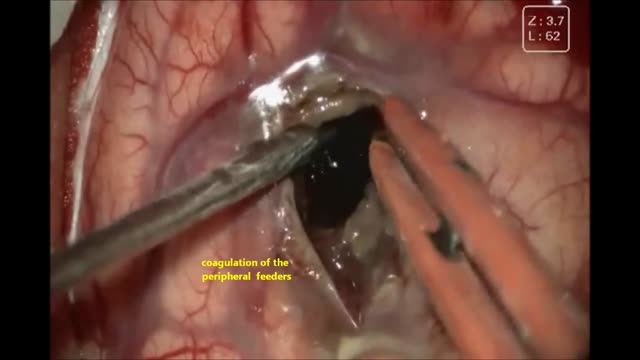
This 13 yrs young girl has had left temporo parietal cavernous angioma ,she came with acute bleed with raised ICT ,aphasia ,right hemiparesis ,leision was excised microsurgically with excellent out come

Sound waves enter the ear canal and make the ear drum vibrate. This action moves the tiny chain of bones (ossicles – malleus, incus, stapes) in the middle ear. The last bone in this chain 'knocks' on the membrane window of the cochlea and makes the fluid in the cochlea move.

Lots of people wonder: does the pull out method work to prevent pregnancy? Pull out method effectiveness depends on whether or not you do it correctly. Learn more about pulling out in this video.

This new blood test can help detect and locate cancer
This animation describes the goals of inflammatory bowel disease (IBD) management and how patients can take an active role in managing their disease.

Breastfeeding attachment Attaching your baby at the breasT
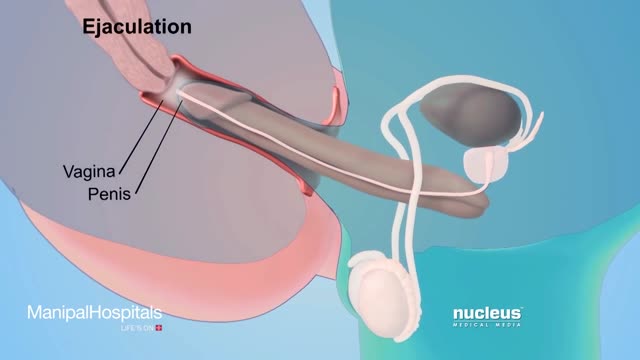
How To Use Male Condom Correctl

Women who have untreated chlamydia might develop pelvic inflammatory disease, which can cause ectopic pregnancies, chronic pelvic pain and infertility. ... The antibiotics used to treat chlamydia are safe in pregnancy and are used in pregnant women for many other types of infections.

Syringomyelia (sih-ring-go-my-E-lee-uh) is the development of a fluid-filled cyst (syrinx) within your spinal cord. Over time, the cyst may enlarge, damaging your spinal cord and causing pain, weakness and stiffness, among other symptoms. Syringomyelia has several possible causes, though the majority of cases are associated with a condition in which brain tissue protrudes into your spinal canal (Chiari malformation). Other causes of syringomyelia include spinal cord tumors, spinal cord injuries and damage caused by inflammation around your spinal cord. If syringomyelia isn't causing any problems, monitoring the condition may be all that's necessary. But if you're bothered by symptoms, you may need surgery.
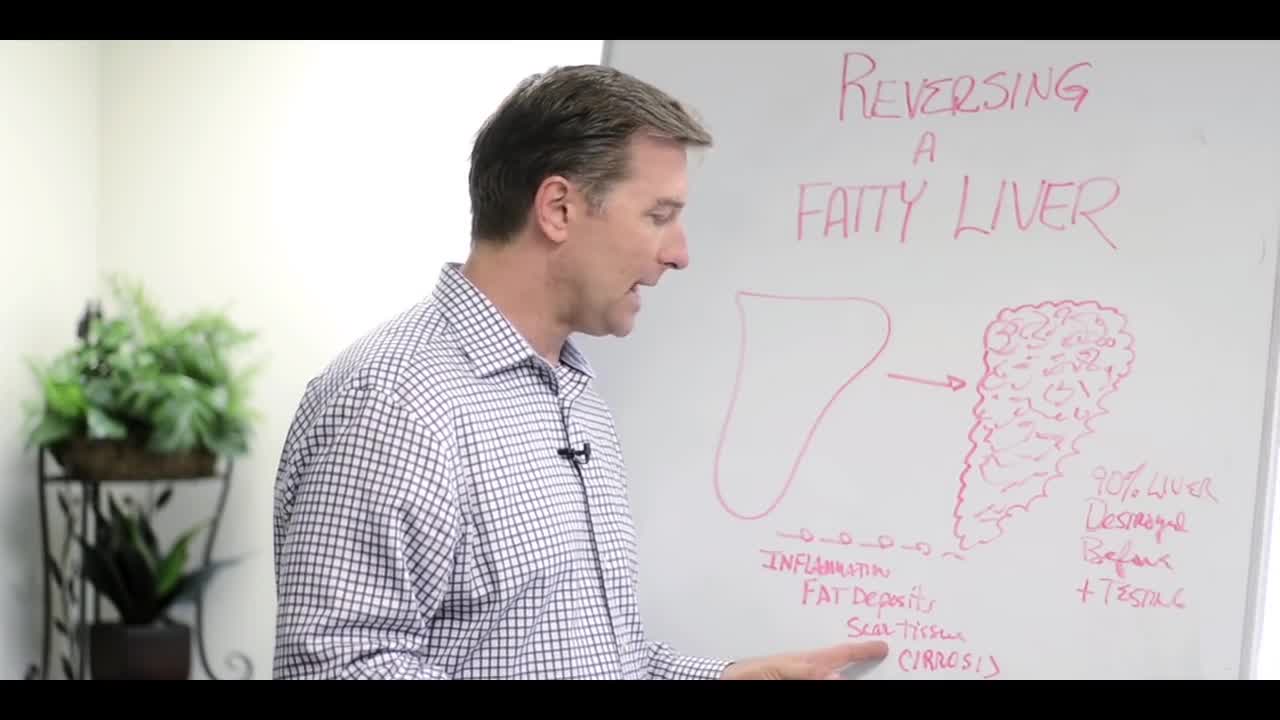
explains about fatty liver symptoms and fatty liver treatment. watch to learn more

What happens when you wear High Heels. SHOW MORE
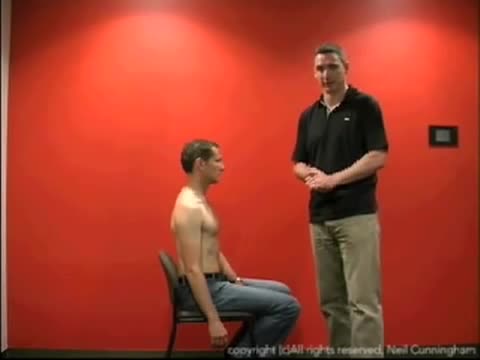
This is a demonstration of the scapula manipulation method of relocating a dislocated shoulder
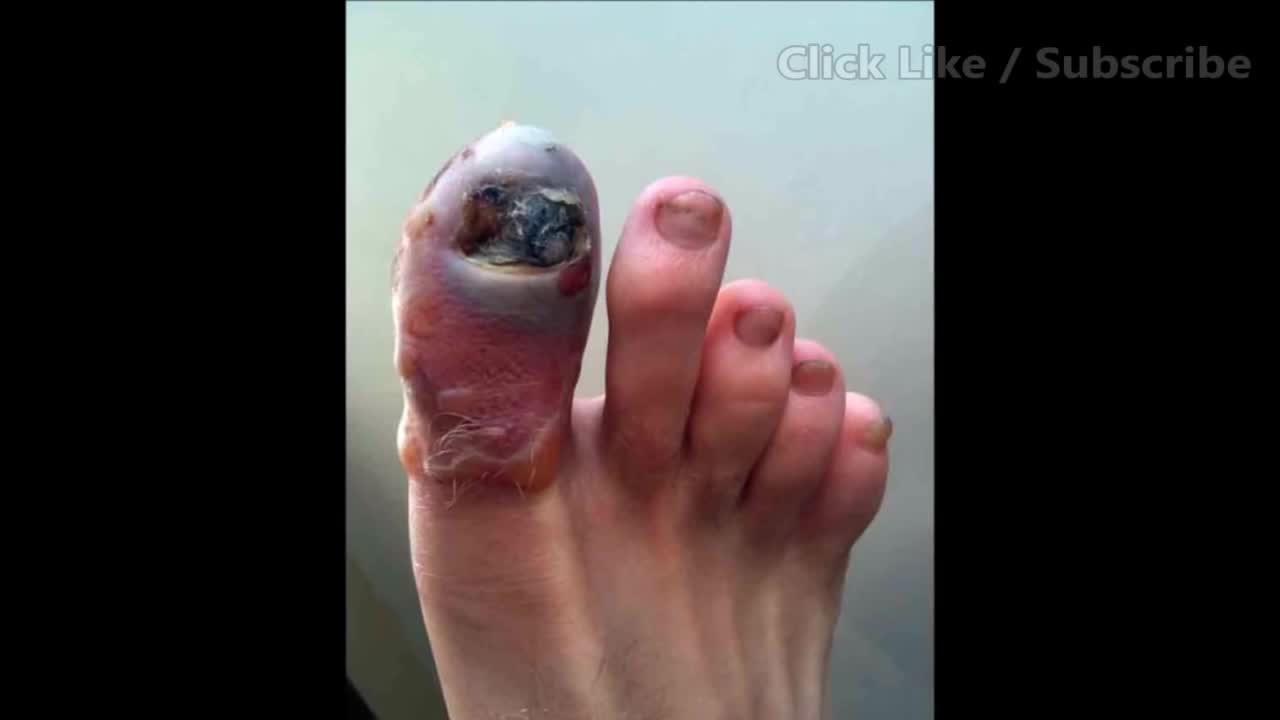
Worst Ingrown Toenail! What Caused It?

- with these 4 moves you can firm, lift and tone.

Exam- COPD Patient
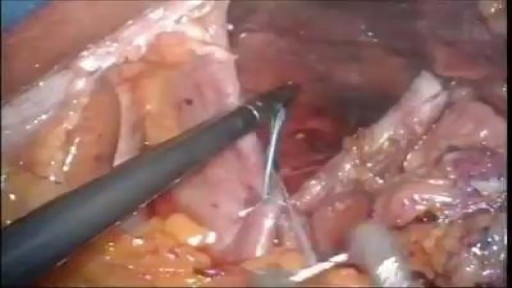
Hiatal hernias occur when contents of the abdominal cavity protrude through the esophageal hiatus of the diaphragm. Factors that contribute to the development of a hiatal hernia include an enlargement of the esophageal hiatus due to developmental defects, an increased abdominal thoracic pressure gradient, and the depletion of elastic fibers in the phrenoesophageal membrane with aging. There are four different types of hiatal hernias and management varies depending on the type. Type I, also known as a sliding hernia, is a simple displacement of the gastroesophageal junction into the thoracic cavity. The stomach remains in the abdominal cavity. This is the most common type of hiatal hernia, accounting for about 95% of all hiatal hernias. Types II-IV are classified as paraesophageal hernias. Type II occurs when the gastroesophageal junction maintains its position but the gastric fundus herniates through the diaphragmatic hiatus. Type III has both the gastroesophageal junction and the stomach herniate above the diaphragm. When more than 30% of the stomach is herniated into the thoracic cavity, it is termed a “giant” paraesophageal hernia. A patient has a type IV hernia when other organs, such as the colon, in addition to the stomach herniate above the diaphragm.
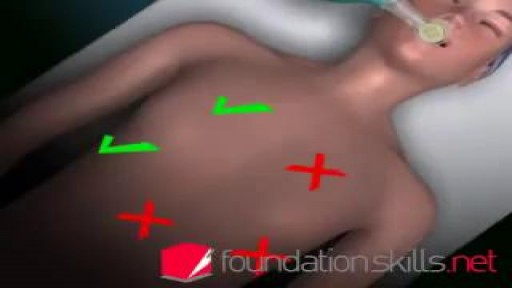
Endotracheal intubation is a medical procedure in which a tube is placed into the windpipe (trachea) through the mouth or nose. In most emergency situations it is placed through the mouth. Whether you are awake (conscious) or not awake (unconscious), you will be given medicine to make it easier to insert the tube. After endotracheal intubation, you will likely be placed on a breathing machine. If you are awake after the procedure, your health care provider may give you medicine to reduce your anxiety or discomfort.