
- Physical Examination
- Surgical Examination
- Ophthalmology
- Clinical Skills
- Orthopedics
- Surgery Videos
- Laparoscopy
- Pediatrics
- Funny Videos
- Cardiothoracic Surgery
- Nursing Videos
- Plastic Surgery
- Otorhinolaryngology
- Histology and Histopathology
- Neurosurgery
- Dermatology
- Pediatric Surgery
- Urology
- Dentistry
- Oncology and Cancers
- Anatomy Videos
- Health and Fitness
- Radiology
- Anaesthesia
- Physical Therapy
- Pharmacology
- Interventional Radiology
- Cardiology
- Endocrinology
- Gynecology
- Emergency Medicine
- Psychiatry and Psychology
- Childbirth Videos
- General Medical Videos
- Nephrology
- Physiology
- Diet and Food Health
- Diabetes Mellitus
- Neurology
- Women Health
- Osteoporosis
- Gastroenterology
- Pulmonology
- Hematology
- Rheumatology
- Toxicology
- Nuclear Medicine
- Infectious Diseases
- Vascular Disease
- Reproductive Health
- Burns and Wound Healing
- Other
Top videos


The importance of being fully informed about serious heart conditions like atrial fibrillation
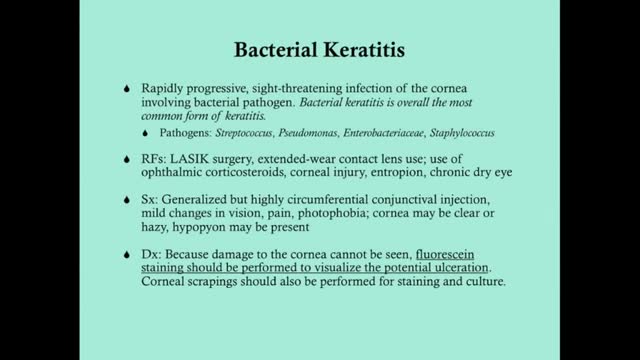
Keratitis is an inflammation of the cornea — the clear, dome-shaped tissue on the front of your eye that covers the pupil and iris. Keratitis is sometimes caused by an infection involving bacteria, viruses, fungi or parasites. Noninfectious keratitis can be caused by a minor injury, wearing your contact lenses too long or other noninfectious diseases. If you have eye redness or other symptoms of keratitis, make an appointment to see your doctor. With prompt attention, mild to moderate cases of keratitis can usually be effectively treated without loss of vision. If left untreated, or if an infection is severe, keratitis can lead to serious complications that may permanently damage your vision.
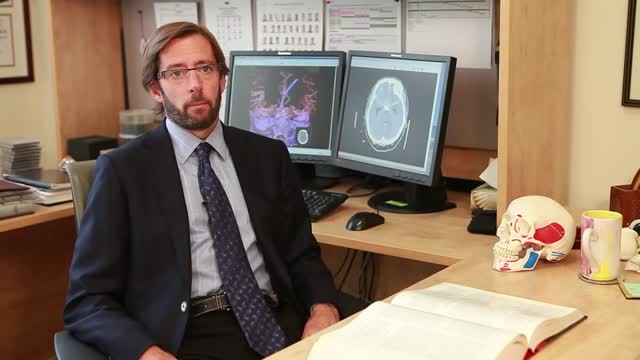
The term subarachnoid hemorrhage (SAH) refers to extravasation of blood into the subarachnoid space between the pial and arachnoid membranes. SAH constitutes half of all spontaneous atraumatic intracranial hemorrhages; the other half consists of bleeding that occurs within the brain parenchyma. Subarachnoid hemorrhage occurs in various clinical contexts, the most common being head trauma. However, the familiar use of the term SAH refers to nontraumatic (or spontaneous) hemorrhage, which usually occurs in the setting of a ruptured cerebral aneurysm or arteriovenous malformation (AVM).
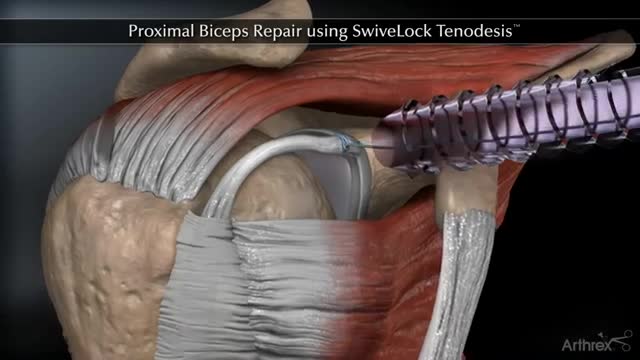
Proximal Biceps Repair using SwiveLock Tenodesis
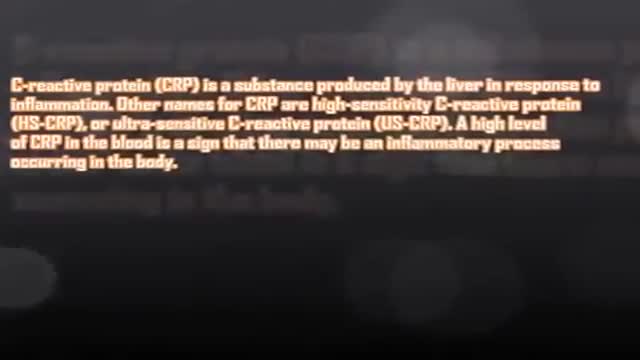
A C-reactive protein (CRP) test is a blood test that measures the amount of a protein called C-reactive protein in your blood. C-reactive protein measures general levels of inflammation in your body. High levels of CRP are caused by infections and many long-term diseases.

The first stage of labor is the longest and involves three phases: Early Labor Phase –The time of the onset of labor until the cervix is dilated to 3 cm. Active Labor Phase – Continues from 3 cm. until the cervix is dilated to 7 cm.
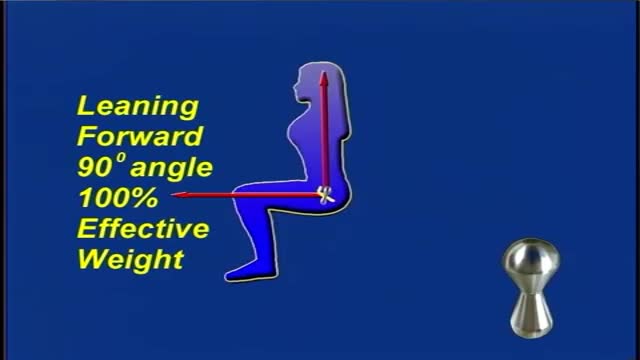
Kegel exercises strengthen the pelvic floor muscles, which support the uterus, bladder, small intestine and rectum. You can do Kegel exercises, also known as pelvic floor muscle training, just about anytime. Start by understanding what Kegel exercises can do for you — then follow step-by-step instructions for contracting and relaxing your pelvic floor muscles.

Appareil Pour La Cellulite, Creme Anti Cellulite Efficace, Anti Cellulite Maison, Café Cellulite--- http://perdre-sa-cellulite.plus101.com --- Cellulite Des Cuisses, Que Faire? Comment Eliminer Vite Sa Cellulite Des Cuisses Avec Des Exercices et L'alimentation cellulite-cuissesMême si la plupart des gens se mettent continuellement à la chasse de la cellulite, jusqu’à ce jour, il n’y a pas encore eu de remèdes miracles. Elle est particulièrement causée par le manque d’activités physiques et une alimentation non équilibrée. Elle apparaît souvent sur les fesses, les hanches et principalement sur les cuisses. Ainsi, pour se débarrasser de la cellulite surtout celle des cuisses, il est important d’avoir une alimentation équilibrée et de pratiquer des exercices sportifs. Il vous suffit de suivre les recommandations dans la vidéo ci-dessous qui vous aideront à tonifier vos jambes de manière efficaces, ainsi réduisant la présence de la cellulite sur les fesses, hanches et cuisses pour une silhouette plus attirante.CLIQUEZ ICI: http://perdre-sa-cellulite.plus101.com
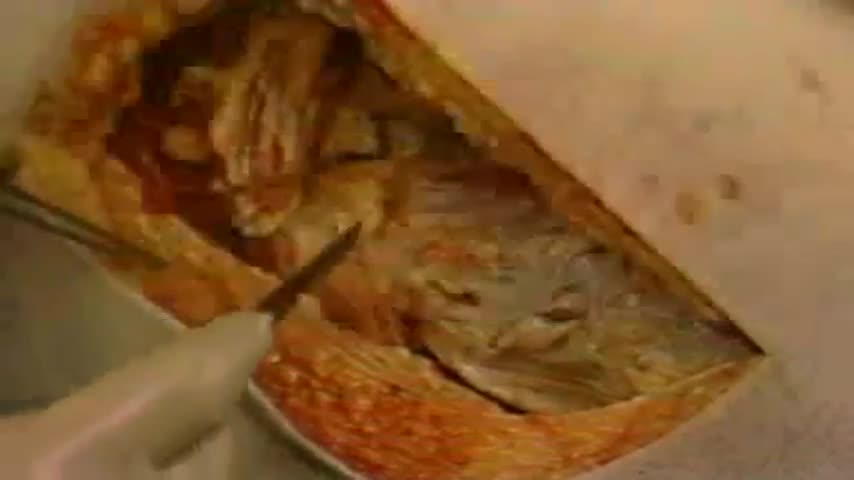
The lateral approach is used for insertion of fixation devices after closed reduction of a proximal femoral fracture. Reduction of a displaced fracture is usually done with a fracture table, or alternatively a large distractor spanning the hip joint. After satisfactory reduction is confirmed by image intensifier, the lateral approach can be used for insertion of a sliding hip screw or multiple screws. The approach provides limited access to the lateral surface of the femur sufficient for hardware placement. The incision can be extended proximally to accommodate a trochanteric stabilizing plate (TSP), or even anteriorly so that it becomes an anterolateral approach with direct, although limited, access to the femoral neck.
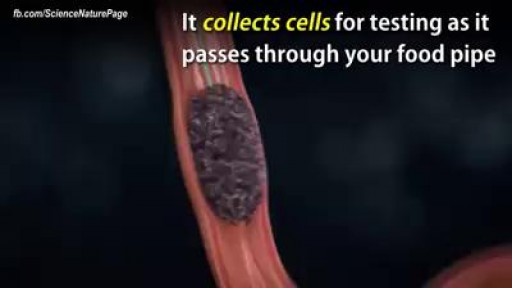
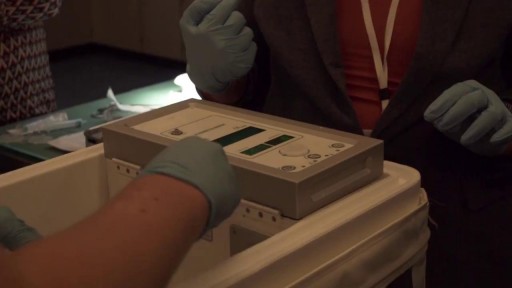
No Need For An Endoscopy With This Cancer-Detecting Sponge.
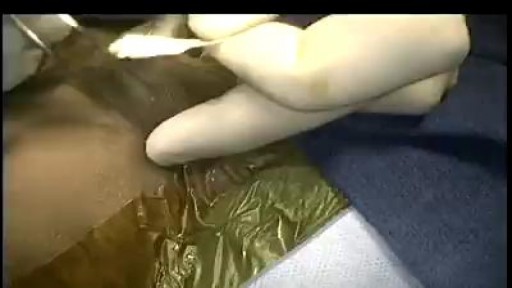
Minimally invasive surgery has been shown to be feasible and safe in pediatric patients since 1975 when laparoscopic surgery was first used to treat a small bowel obstruction. Laparoscopy is an option for surgical repair of inguinal hernias in addition to the traditional open approach.
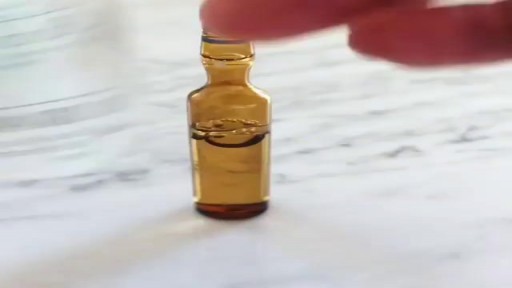
How to open a glass ampoule

Diverticula are small, bulging pouches that can form in the lining of your digestive system. They are found most often in the lower part of the large intestine (colon). Diverticula are common, especially after age 40, and seldom cause problems. Sometimes, however, one or more of the pouches become inflamed or infected. That condition is known as diverticulitis (die-vur-tik-yoo-LIE-tis). Diverticulitis can cause severe abdominal pain, fever, nausea and a marked change in your bowel habits. Mild diverticulitis can be treated with rest, changes in your diet and antibiotics. Severe or recurring diverticulitis may require surgery.
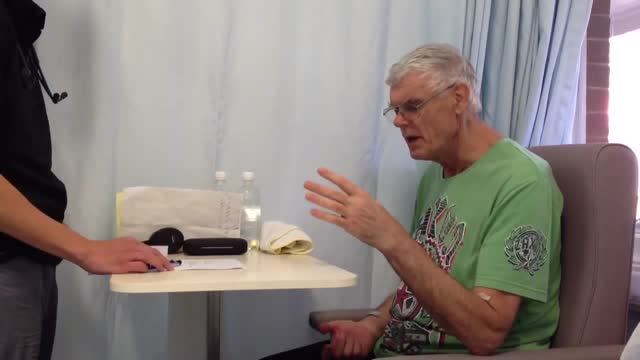
Testing for the four features of Gerstmann Syndrome in this patient with two separate left sided strokes (left frontoparietal ischaemic stroke followed by left posterior parietal haemorrhagic stroke). He exhibits (i) acalculia, (ii) agraphia, (iii) left-right disorientation, and (iv) finger agnosia. Complicating the issue is his obvious nonfluent aphasia (expressive dysphasia) with paraphasic errors (replacing words with associated words (e.g. says 'fork' instead of 'spoon')) and some comprehension issues.
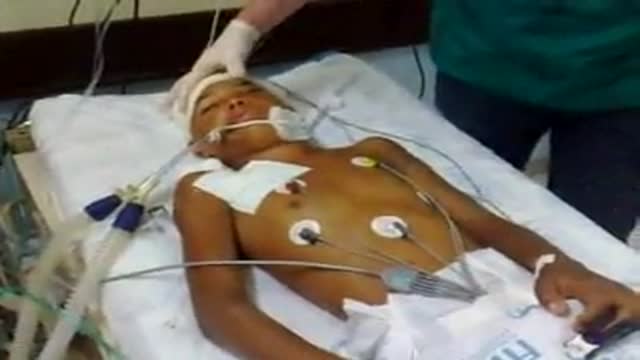
Male 19 y. age victim of penetrating brain injury. All the criteria for the encephalic death diagnosis were present. The presence of this complex spinal reflex doesn't exclude the brain death diagnosis and must be known and understood by the professionals involved in this very important diagnosis
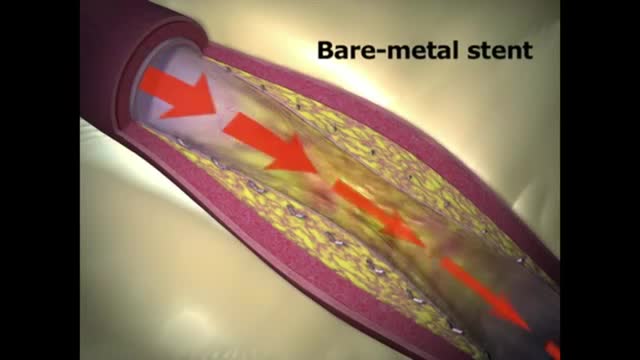
INDICATIONS The Absorb GT1 Bioresorbable Vascular Scaffold (BVS) is a temporary scaffold that will fully resorb over time and is indicated for improving coronary luminal diameter in patients with ischemic heart disease due to de novo native coronary artery lesions (length ≤ 24 mm) with a reference vessel diameter of ≥ 2.5 mm and ≤ 3.75 mm WHAT ARE THE POTENTIAL RISKS AND COMPLICATIONS? Treatment options for CAD have become increasingly common but, as with any invasive procedure, there are potential risk factors and complications. Serious complications do not occur often, and research is ongoing to make these procedures even safer and more effective. The risk of complications from percutaneous treatment methods may be higher for individuals: 75 years of age and older Who are women Who have kidney disease or diabetes Who have serious heart disease Who have had prior cardiac interventions
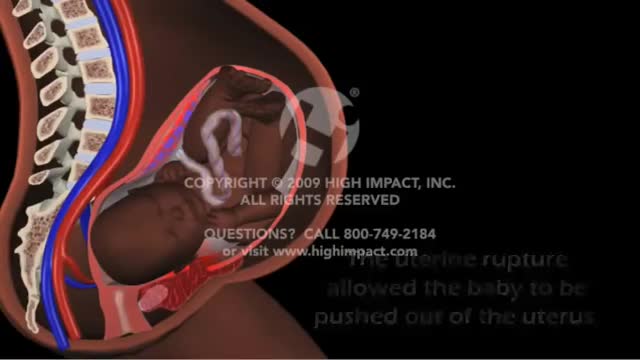
Uterine rupture is usually when the scar from your previous caesarean section tears open. Though it's uncommon, you should be aware of this risk, particularly if you're thinking about giving birth vaginally next time. It's possible for your scar to gape slightly while you're pregnant (scar dehiscence).
Paget's disease of the breast or Paget disease of the breast (/ˈpædʒᵻt/, rhymes with "gadget") (also known as Paget's disease of the nipple) is a malignant condition that outwardly may have the appearance of eczema, with skin changes involving the nipple of the breast.
