
- Physical Examination
- Surgical Examination
- Ophthalmology
- Clinical Skills
- Orthopedics
- Surgery Videos
- Laparoscopy
- Pediatrics
- Funny Videos
- Cardiothoracic Surgery
- Nursing Videos
- Plastic Surgery
- Otorhinolaryngology
- Histology and Histopathology
- Neurosurgery
- Dermatology
- Pediatric Surgery
- Urology
- Dentistry
- Oncology and Cancers
- Anatomy Videos
- Health and Fitness
- Radiology
- Anaesthesia
- Physical Therapy
- Pharmacology
- Interventional Radiology
- Cardiology
- Endocrinology
- Gynecology
- Emergency Medicine
- Psychiatry and Psychology
- Childbirth Videos
- General Medical Videos
- Nephrology
- Physiology
- Diet and Food Health
- Diabetes Mellitus
- Neurology
- Women Health
- Osteoporosis
- Gastroenterology
- Pulmonology
- Hematology
- Rheumatology
- Toxicology
- Nuclear Medicine
- Infectious Diseases
- Vascular Disease
- Reproductive Health
- Burns and Wound Healing
- Other
Top videos


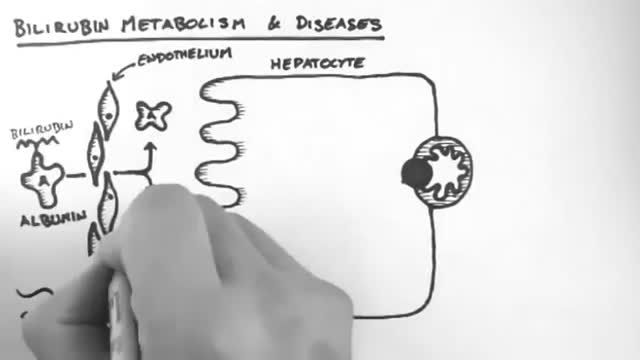
Bilirubin In Urine: Bilirubin and Bilirubin Levels

Cervical cancer can often be found early, and sometimes even prevented entirely, by having regular Pap tests. If detected early, cervical cancer is one of the most successfully treatable cancers.
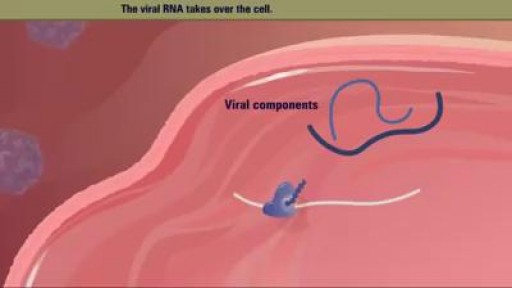
Polio virus

دكتور مصطفى ياقوت بحث عن علاج جديد للارق من زيت بذر الخس Lettuce Seed Oil for Insomnia By Dr. Mostafa Yakoot
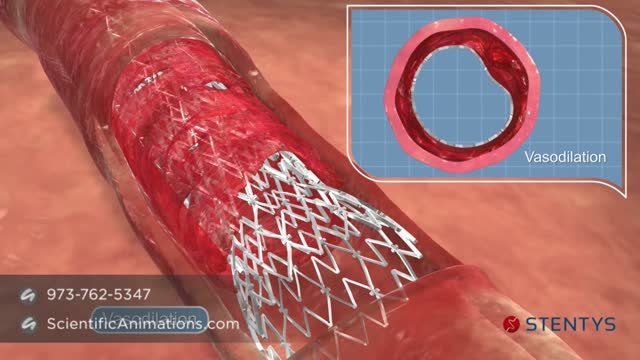
Before the angioplasty procedure begins, you will receive some pain medicine. You may also be given medicine that relaxes you, and blood thinning medicines to prevent a blood clot from forming. You will lie on a padded table. Your doctor will insert a flexible tube (catheter) through a surgical cut into an artery. Sometimes the catheter will be placed in your arm or wrist, or in your upper leg or groin area. You will be awake during the procedure. The doctor will use live x-ray pictures to carefully guide the catheter up into your heart and arteries. Dye will be injected into your body to highlight blood flow through the arteries. This helps the doctor see any blockages in the blood vessels that lead to your heart. A guide wire is moved into and across the blockage. A balloon catheter is pushed over the guide wire and into the blockage. The balloon on the end is blown up (inflated). This opens the blocked vessel and restores proper blood flow to the heart. A wire mesh tube (stent) may then be placed in this blocked area. The stent is inserted along with the balloon catheter. It expands when the balloon is inflated. The stent is left there to help keep the artery open
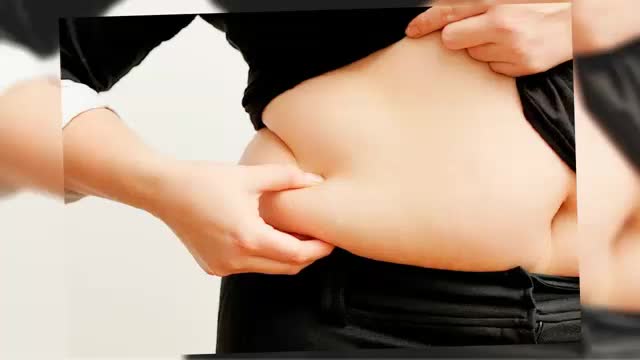
Abnehmen Schnell, Bauchfett Weg, Fettabbau, Schnell Abnehmen Tipps, Schnell Und Gesund Abnehmen
http://fettverbrennung.good-info.co
Einfache Tipps mit denen Sie Fett abnehmen können
Es sollte nicht so schwer sein Fett abzunehmen, wie andere Leute es hinstellen. Die Leute, die verzweifelt versuchen Fett abzunehmen, sind meistens dazu geneigt, mehr Risiko einzugehen(genau das versuche ich bei Ihnen zu vermeiden).
Die Wahrheit ist, dass Sie mit einigen einfachen Regeln, ernsthaft damit vorankommen können, Fett abzunehmen, ohne viel Anstrengung. Patienten kommen ganz oft zu mir und fragen mich nach einigen Tipps, mit denen man ganz schnell abnehmen kann.
Klicken Sie auf den Link unten, um es auszuprobieren
http://fettverbrennung.good-info.co
Abonnieren Sie unseren Kanal
https://www.youtube.com/watch?v=cF5gy-IrGrg
Abnehmen Schnell, Bauchfett Weg, Fettabbau, Schnell Abnehmen Tipps, Schnell Und Gesund Abnehmen,
tricks zum abnehmen,
abnehmen wie die stars,
2 kilo abnehmen,
sportübungen zum abnehmen,
nahrungsergänzungsmittel zum abnehmen,
aminosäuren zum abnehmen,
ohne sport abnehmen,
die abnehm lösung,
shake zum abnehmen,
die besten abnehmtipps,
abnehmen tee,
schnell 10 kg abnehmen,
extrem schnell abnehmen,
bauchumfang verlieren,

Liposuction surgery is used to reduce the extra fat from your body with the very safe surgical process but you must consult with your Surgeon first when deciding about using this surgery to meet your body fat needs.
Vaser Lipo was Rs. 65000 per region. Now at Rs. 50,000 per Region
Offer valid till 31st March only
Vaser Liposuction technology helps to reduce the healing time and increase effective skin contraction, giving you smooth, slim results. With Liposuction there are no stitches, only a single 1cm small incision giving you permanent large result.
For further information, are available visit our website:
http://www.imageclinic.org/liposuction.html
Your Query for Chat and call +91-9818369662, 9958221983 (WhatsApp)
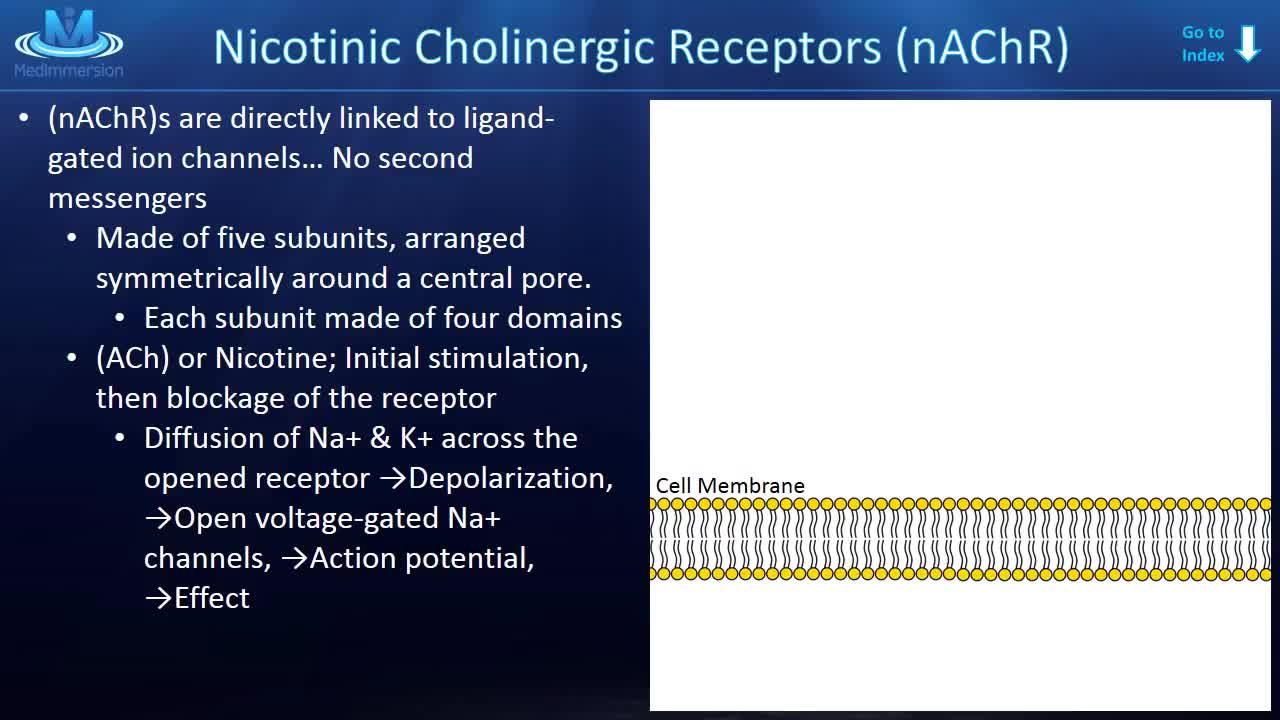
Understand the cholinergic receptors once and for all!
Hirsutism is stiff and pigmented body hair, appearing on the body where women don't commonly have hair — primarily the face, chest and back. When excessively high androgen levels cause hirsutism, other signs may develop over time, a process called virilization. Signs of virilization may include: Deepening voice Balding Acne Decrease in breast size Enlargement of the clitoris

Neuropathic pain: often difficult to treat. Palmitoylethanolamide (PEA) is a very special molecule, produced in our own body, against pain and chronic inflammation. PEA is available as supplement and as cream, and as dietfood for medical purposes in Italy and Spain. It has been explored since 1957 and has a clear analgesic and anti-inflammatory efficacy, and virtually no side effects. Meanwhile within the context of clinical trials 5000 patients have been using PEA, and its efficacy and safety has been documented in more than 400 scientific papers: http://palmitoylethanolamide4pain.com/about-2/ a website containing 400+ scientific articles on PEA in 6 different languages. The PEA datapool.
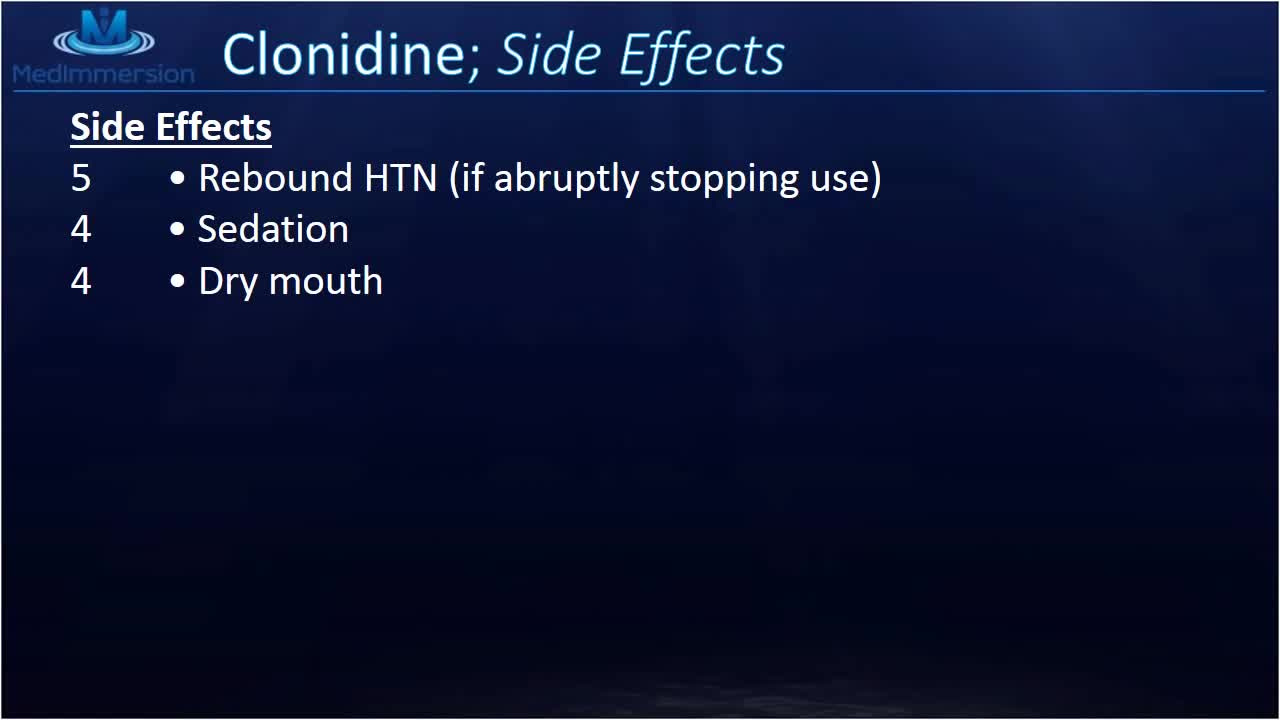
Clonidine lowers blood pressure by decreasing the levels of certain chemicals in your blood. This allows your blood vessels to relax and your heart to beat more slowly and easily. The Catapres brand of clonidine is used to treat hypertension (high blood pressure). The Kapvay brand is used to treat attention deficit hyperactivity disorder (ADHD). Clonidine is sometimes given with other medications

Anemia is a condition in which the body does not have enough healthy red blood cells. Red blood cells provide oxygen to body tissues. There are many types of anemia. Pernicious anemia is a decrease in red blood cells that occurs when the intestines cannot properly absorb vitamin B12.
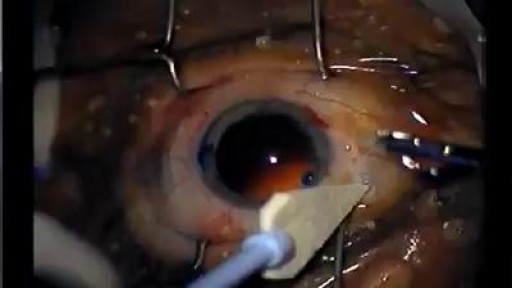
A cataract is a cloudiness of the normally transparent lens that is situated behind the iris. The lens focuses light rays on the retina at the back of the eye to produce a sharp image of what we see. When the lens becomes cloudy, the light rays cannot pass easily through it, and the image becomes blurry. It would be equivalent to having the lens in your camera becoming murky.

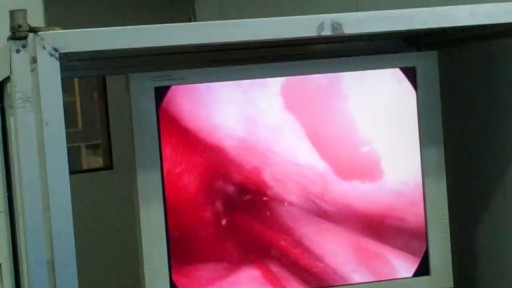
Causes are chronic inflammation due to infection, allergies, drug sensitivity, or immune disorders. Symptoms may include a runny nose, stuffiness, or post-nasal drip. In some cases, there may be no symptoms. The condition can be treated with corticosteroids, other medications, or surgery.
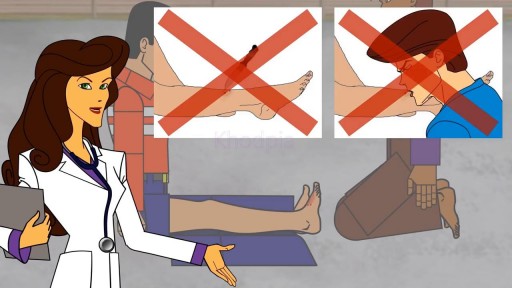
This Animation is strictly made in accordance to Snake Bite Treatment Guidelines and Protocols
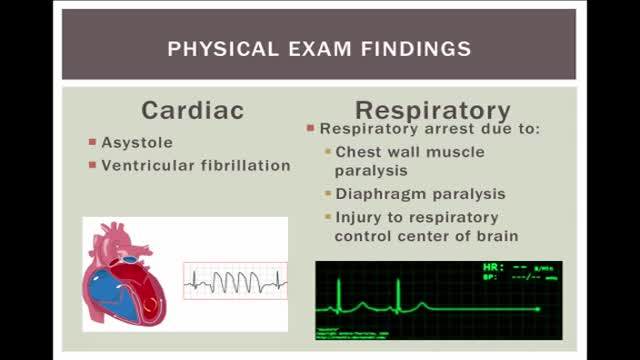
Electrical injuries can present with a variety of problems, including cardiac or respiratory arrest, coma, blunt trauma, and severe burns of several types. It is important to establish the type of exposure (high or low voltage), duration of contact, and concurrent trauma. Low-voltage AC injury without loss of consciousness and/or arrest These injuries are exposures of less than 1000V and usually occur in the home or office setting. Typically, children with electrical injuries present after biting or chewing on an electrical cord and suffer oral burns. Adults working on home appliances or electrical circuits can also experience these electrical injuries. Low-voltage AC may result in significant injury if there is prolonged, tetanic muscle contraction. Low-voltage AC injury with loss of consciousness and/or arrest In respiratory arrest or ventricular fibrillation that is not witnessed, an electrical exposure may be difficult to diagnose. All unwitnessed arrests should include this possibility in the differential diagnosis. Query EMS personnel, family, and coworkers about this possibility. Inquire if a scream was heard before the patient’s collapse; this may be due to involuntary contraction of chest wall muscles from electrical current. High-voltage AC injury without loss of consciousness and/or arrest Usually high-voltage injuries do not cause loss of consciousness but instead cause devastating thermal burns. In occupational exposures, details of voltage can be obtained from the local power company. High-voltage AC injury with loss of consciousness and/or arrest This is an unusual presentation of high-voltage AC injuries, which do not often cause loss of consciousness. History may need to come from bystanders or EMS personnel. Direct current (DC) injury These injuries typically cause a single muscle contraction that throws the victim away from the source. They are rarely associated with loss of consciousness unless there is severe head trauma, and victims can often provide their own history. Conducted electrical devices Conducted electrical weapons (CEWs) such as tasers are weapons used by law enforcement that deliver high-voltage current that is neither true AC or DC but is most like a series of low-amplitude DC shocks.[16] They can deliver 50,000 V in a 5-second pulse, with an average current of 2.1 mA.[17] Though they have been temporally associated with deaths in the law enforcement setting, conducted electrical devices (CEDs) in healthy volunteers have been shown to be safe without evidence of delayed arrhythmia or cardiac damage as measured by troponin I.[18, 17] One study of their use in 1201 law enforcement incidents showed mostly superficial puncture wounds from the device probes, and significant injuries only from trauma subsequent to shock, not from the device itself. Of 2 deaths in custody, neither was related to CEW exposure.[19]

Anemia is a condition in which you don't have enough healthy red blood cells to carry adequate oxygen to the body's tissues. Having anemia may make you feel tired and weak. There are many forms of anemia, each with its own cause. Anemia can be temporary or long term, and it can range from mild to severe. See your doctor if you suspect you have anemia because it can be a warning sign of serious illness. Treatments for anemia range from taking supplements to undergoing medical procedures. You may be able to prevent some types of anemia by eating a healthy, varied diet.

Haemorrhoids is one of the most common problems seen in surgical OPD. Open haemorrhoidectomy has remained the gold standard for a long time with a high post-operative morbidity. The quest for a better understanding of the pathology of haemorrhoids resulted in the evolvement of stapler haemorrhoidopexy. Our aim is to study the efficacy of stapler haemorrhoidopexy with regards to role of immediate post-operative morbidity. A prospective study of 50 patients (n = 50) with the second- and third-degree symptomatic haemorrhoids was done. The mean age of the patients was 44.1 years. Fourteen patients had co-morbid conditions. The average duration of the operation was 29 min. Patients with the second-degree haemorrhoids had higher rate of complication. The complication rate was 32%. Three patients had urinary retention. Two patients had minor bleeding, and one patient experienced transient discharge. The mean analgesic requirement was 2.4 tramadol, 50 mg injections. Ten patients had significant post-operative pain. Average length of hospital stay was 2.7 days. There were no symptomatic recurrences till date.
