- Physical Examination
- Surgical Examination
- Ophthalmology
- Clinical Skills
- Orthopedics
- Surgery Videos
- Laparoscopy
- Pediatrics
- Funny Videos
- Cardiothoracic Surgery
- Nursing Videos
- Plastic Surgery
- Otorhinolaryngology
- Histology and Histopathology
- Neurosurgery
- Dermatology
- Pediatric Surgery
- Urology
- Dentistry
- Oncology and Cancers
- Anatomy Videos
- Health and Fitness
- Radiology
- Anaesthesia
- Physical Therapy
- Pharmacology
- Interventional Radiology
- Cardiology
- Endocrinology
- Gynecology
- Emergency Medicine
- Psychiatry and Psychology
- Childbirth Videos
- General Medical Videos
- Nephrology
- Physiology
- Diet and Food Health
- Diabetes Mellitus
- Neurology
- Women Health
- Osteoporosis
- Gastroenterology
- Pulmonology
- Hematology
- Rheumatology
- Toxicology
- Nuclear Medicine
- Infectious Diseases
- Vascular Disease
- Reproductive Health
- Burns and Wound Healing
- Other
Top videos

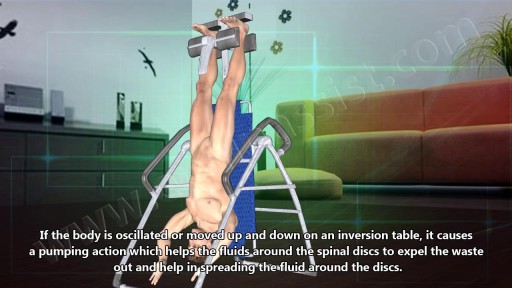
Many people report that inversion table therapy is a great way to stretch muscles and ligaments, reduce muscle spasms, and improve circulation. Stretching stimulates the lymph glands to increase the flow of lymphatic fluids; part of the body's waste disposal system. Similarly, cellular health depends on good blood circulation to deliver nourishment and remove waste. Inversion table therapy also helps to relieve motion sickness and stress. In addition, the body becomes more aware of its spatial orientation and balance when the inner ear is stimulated during inversion. Plus, it is not necessary for the body to be positioned completely upside down to gain benefits from inversion therapy! Unlike antigravity boots used with an inversion rack, an adjustable inversion table offers the flexibility to choose the most comfortable angle. Dialogue with Your Doctor Like anything that can affect your health, talk to your doctor before you start using an inversion table. This is important because certain medications and health conditions may make using an inversion table unsafe. Your doctor may recommend against inversion table therapy if you have obesity, a detached retina, fracture, glaucoma, heart condition (circulatory problem), hernia, implanted device, middle ear or eye infection, osteoporosis, are pregnant, or have a spinal injury. There may be other medical conditions not listed that your doctor may view as a contraindication.
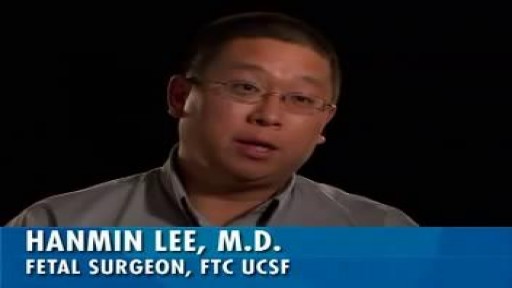
Sacrococcygeal teratoma (SCT) is an unusual tumor that, in the newborn, is located at the base of the tailbone (coccyx). This birth defect is more common in female than in male babies. Although the tumors can grow very large, they are usually not malignant (that is, cancerous).
Symptoms of liver failure include vomiting, diarrhea and fatigue as well as the symptoms from stage 3. While the progression from cirrhosis to failure can take years, the damage is irreversible and leads to eventual death. The key to treating liver disease is to diagnose the condition as early as possible.

To get started, you need to find your pelvic floor muscles by stopping urination in midstream. If you succeed, you have located the right muscles. Once you have located your pelvic floor muscles, tighten the contraction for about 5 seconds, before relaxing for another 5 seconds.
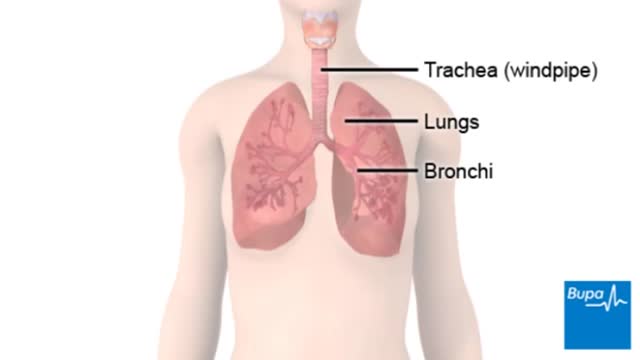
Pathologic changes in chronic obstructive pulmonary disease (COPD) occur in the large (central) airways, the small (peripheral) bronchioles, and the lung parenchyma. Most cases of COPD are the result of exposure to noxious stimuli, most often cigarette smoke. The normal inflammatory response is amplified in persons prone to COPD development. The pathogenic mechanisms are not clear but are most likely diverse. Increased numbers of activated polymorphonuclear leukocytes and macrophages release elastases in a manner that cannot be counteracted effectively by antiproteases, resulting in lung destruction. The primary offender has been found to be human leukocyte elastase, with synergistic roles suggested for proteinase-3 and macrophage-derived matrix metalloproteinases (MMPs), cysteine proteinases, and a plasminogen activator. Additionally, increased oxidative stress caused by free radicals in cigarette smoke, the oxidants released by phagocytes, and polymorphonuclear leukocytes all may lead to apoptosis or necrosis of exposed cells. Accelerated aging and autoimmune mechanisms have also been proposed as having roles in the pathogenesis of COPD.[5, 6] Cigarette smoke causes neutrophil influx, which is required for the secretion of MMPs; this suggests, therefore, that neutrophils and macrophages are required for the development of emphysema. Studies have also shown that in addition to macrophages, T lymphocytes, particularly CD8+, play an important role in the pathogenesis of smoking-induced airflow limitation. To support the inflammation hypothesis further, a stepwise increase in alveolar inflammation has been found in surgical specimens from patients without COPD versus patients with mild or severe emphysema. Indeed, mounting evidence supports the concept that dysregulation of apoptosis and defective clearance of apoptotic cells by macrophages play a prominent role in airway inflammation, particularly in emphysema.[7] Azithromycin (Zithromax) has been shown to improve this macrophage clearance function, providing a possible future treatment modality.[8] In patients with stable COPD without known cardiovascular disease, there is a high prevalence of microalbuminuria, which is associated with hypoxemia independent of other risk factors.[9] Chronic bronchitis Mucous gland hyperplasia (as seen in the images below) is the histologic hallmark of chronic bronchitis. Airway structural changes include atrophy, focal squamous metaplasia, ciliary abnormalities, variable amounts of airway smooth muscle hyperplasia, inflammation, and bronchial wall thickening.

http://angularcheilitis-end.cbwin1.com Corner Of Mouth Cracked, Angular Cheilitis, Home Remedies For Angular Cheilitis, Angular Cheilitis How to Treat Angular Cheilitis Effectively Thousands or even millions of people are searching every year for an effective treatment that will get them rid for good of Angular Cheilitis. Some manage to relieve themselves from the pains this skin conditions causes, while others continue to struggle for months with this terrible skin condition. For those who are still trying to get rid of Angular Cheilitis but still have not yet found a good result, here are some tips which may make your fight easier. As you probably know, the first thing you have to do when the first signs of Angular Cheilitis appear is to discover the cause which determined the apparition of this skin condition. You can make an examination of the area and see if there have been folds where moisture could be retained. If you have had some teeth pulled out or if you are wearing dentures, such folds may appear in time. If this is the issue, you should fix that by making an appointment to your dentist. Also, some blood tests will show you if your body has all the nutrients and vitamins it needs to function properly. In most of the cases, the Angular Cheilitis is triggered by malnutrition and anemia, thus making these tests will help you see whether this is your case, too. Once you know the results of the blood tests you should know if you should take vitamin supplements or your Angular Cheilitis was only a surface problem, caused by excessive moisture in the corners of your mouth. Apart from addressing the problem from the interior to the exterior, you will also have to apply some creams or ointments which will alleviate your suffering and at the same time will actively work on the sores. What most Angular Cheilitis treatments do is create a dry environment in which the bacteria cannot develop and trap them between the layer of cream and the layer of skin, thus killing them. Hydrocortisone, Mycolog II cream (which contains triamcinolone acetonide and nystatin) and Miconazole are the most popular medications prescribed by dermatologists in such conditions.
Enchondroma (Cartilage) benign tumor of the finger.
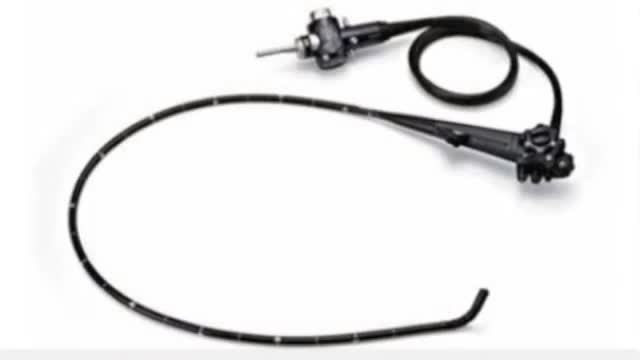
Peptic ulcers are open sores that develop on the inside lining of your stomach and the upper portion of your small intestine. The most common symptom of a peptic ulcer is stomach pain. Peptic ulcers include: Gastric ulcers that occur on the inside of the stomach Duodenal ulcers that occur on the inside of the upper portion of your small intestine (duodenum) The most common causes of peptic ulcers are infection with the bacterium Helicobacter pylori (H. pylori) and long-term use of aspirin and certain other painkillers, such as ibuprofen (Advil, Motrin, others) and naproxen sodium (Aleve, Anaprox, others). Stress and spicy foods do not cause peptic ulcers. However, they can make your symptoms worse.
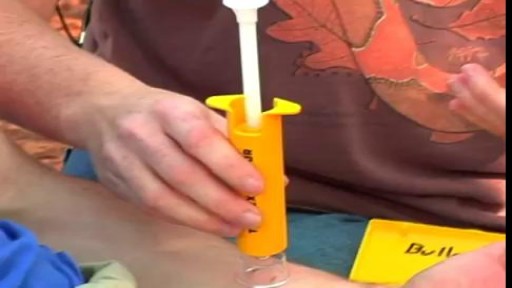
There is any chance that the snake is venomous The person has difficulty breathing There is loss of consciousness If you know the snake is not venomous, treat as a puncture wound. 1. Note the Snake's Appearance Be ready to describe the snake to emergency staff. 2. Protect the Person While waiting for medical help: Move the person beyond striking distance of the snake. Have the person lie down with wound below the heart. Keep the person calm and at rest, remaining as still as possible to keep venom from spreading. Cover the wound with loose, sterile bandage. Remove any jewelry from the area that was bitten. Remove shoes if the leg or foot was bitten. Do not: Cut a bite wound Attempt to suck out venom Apply tourniquet, ice, or water Give the person alcohol or caffeinated drinks or any other medications
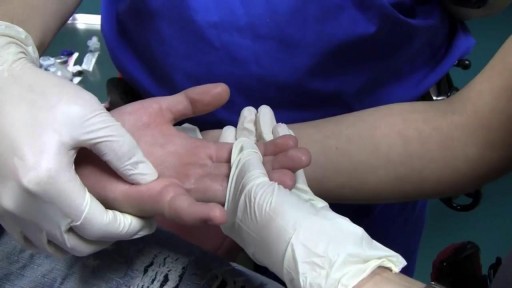
Finger metacarpophalangeal (MCP) joint collateral ligament sprains should not be overtreated. First-degree sprains may require a brief period of protection, usually consisting of buddy taping for 2-3 weeks. Second-degree sprains are immobilized in mid flexion for 3 weeks. Finger MCP joint hyperextension injuries may be treated by gently flexing the proximal phalanx and immobilizing the MCP joint in 30° of flexion for 2-3 weeks. A dorsal extension-block splint protects the healing volar plate while allowing active flexion of the finger. Early protected motion minimizes postinjury stiffness. Thumb MCP joint hyperextension injuries ("locked MCP joint") are immobilized in 20° MCP joint flexion for 3 weeks.
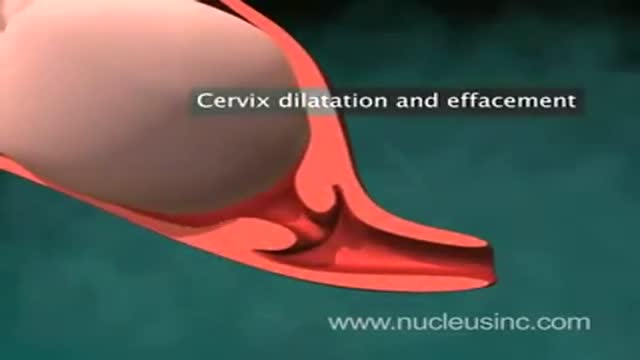
An animation showing vaginal childbirth (delivery)
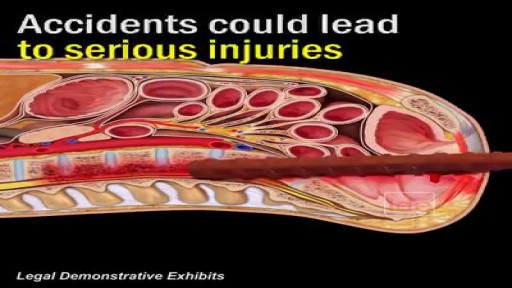
Always remember: safety first. (Warning: Graphic)
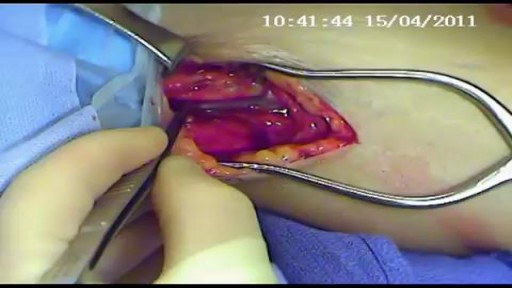
An AV fistula is a connection, made by a vascular surgeon, of an artery to a vein.Vascular surgeons specialize in blood vessel surgery. The surgeon usually places an AV fistula in the forearm or upper arm. An AV fistula causes extra pressure and extra blood to flow into the vein, making it grow large and strong.
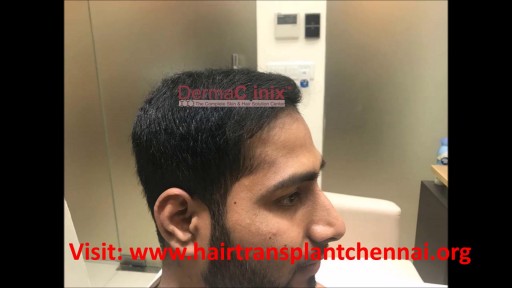
4000 Grafts Hair Transplant Surgery Result after 7months by Dr. Ariganesh Chandrasegaran (MD, PGI Chandigarh) at DermaClinix. DermaClinix is known for the best hair transplant in Chennai as well as across India. Dramatic transformation by our flagship patented procedure B.E.S.T. (Bio-Enhanced Simultaneous Transplant Technique) FUE which helps in achieving almost complete survival with early and natural looking results. Book Your Free Consultation: +91 8939636222, 04428282606. More at https://www.hairtransplantchennai.org
Uterine fibroids are noncancerous growths of the uterus that often appear during childbearing years. Also called leiomyomas (lie-o-my-O-muhs) or myomas, uterine fibroids aren't associated with an increased risk of uterine cancer and almost never develop into cancer. Fibroids range in size from seedlings, undetectable by the human eye, to bulky masses that can distort and enlarge the uterus. You can have a single fibroid or multiple ones. In extreme cases, multiple fibroids can expand the uterus so much that it reaches the rib cage. Many women have uterine fibroids sometime during their lives. But most women don't know they have uterine fibroids because they often cause no symptoms. Your doctor may discover fibroids incidentally during a pelvic exam or prenatal ultrasound.

Cervical cancer can often be found early, and sometimes even prevented entirely, by having regular Pap tests. If detected early, cervical cancer is one of the most successfully treatable cancers.