- Physical Examination
- Surgical Examination
- Ophthalmology
- Clinical Skills
- Orthopedics
- Surgery Videos
- Laparoscopy
- Pediatrics
- Funny Videos
- Cardiothoracic Surgery
- Nursing Videos
- Plastic Surgery
- Otorhinolaryngology
- Histology and Histopathology
- Neurosurgery
- Dermatology
- Pediatric Surgery
- Urology
- Dentistry
- Oncology and Cancers
- Anatomy Videos
- Health and Fitness
- Radiology
- Anaesthesia
- Physical Therapy
- Pharmacology
- Interventional Radiology
- Cardiology
- Endocrinology
- Gynecology
- Emergency Medicine
- Psychiatry and Psychology
- Childbirth Videos
- General Medical Videos
- Nephrology
- Physiology
- Diet and Food Health
- Diabetes Mellitus
- Neurology
- Women Health
- Osteoporosis
- Gastroenterology
- Pulmonology
- Hematology
- Rheumatology
- Toxicology
- Nuclear Medicine
- Infectious Diseases
- Vascular Disease
- Reproductive Health
- Burns and Wound Healing
- Kidney Zone Podcast
- Other
Top videos


- with these 4 moves you can firm, lift and tone.

Acute kidney failure occurs when your kidneys suddenly become unable to filter waste products from your blood. When your kidneys lose their filtering ability, dangerous levels of wastes may accumulate, and your blood's chemical makeup may get out of balance. Acute kidney failure — also called acute renal failure or acute kidney injury — develops rapidly over a few hours or a few days. Acute kidney failure is most common in people who are already hospitalized, particularly in critically ill people who need intensive care. Acute kidney failure can be fatal and requires intensive treatment. However, acute kidney failure may be reversible. If you're otherwise in good health, you may recover normal or nearly normal kidney function.
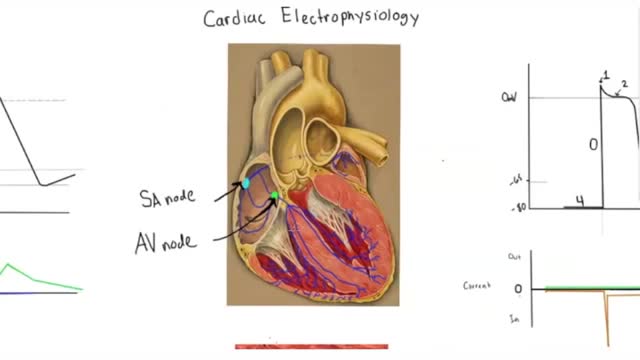
Electrophysiology studies test the electrical activity of your heart to find where an arrhythmia (abnormal heartbeat) is coming from. These results can help you and your doctor decide whether you need medicine, a pacemaker, an implantable cardioverter defibrillator (ICD), cardiac ablation or surgery.

10 Horrifying Things Found Living Inside a Human Body
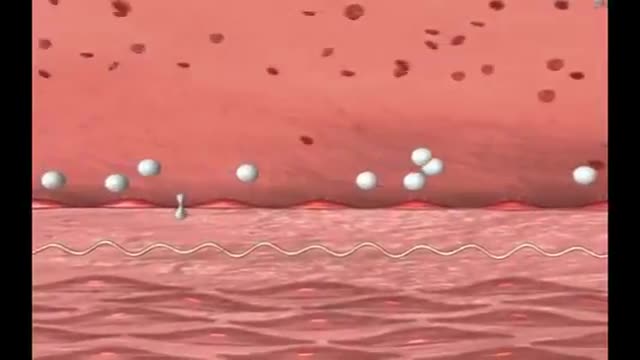
Kawasaki disease is a condition that causes inflammation in the walls of medium-sized arteries throughout the body, including the coronary arteries, which supply blood to the heart muscle. Kawasaki disease is also called mucocutaneous lymph node syndrome because it also affects lymph nodes, skin, and the mucous membranes inside the mouth, nose and throat. Signs of Kawasaki disease, such as a high fever and peeling skin, can be frightening. The good news is that Kawasaki disease is usually treatable, and most children recover from Kawasaki disease without serious problems.

Generic minoxidil is known to treat hair-fall issues in men and women, it is best for hair growth, hair re-development, etc. it is available in the strength of 5mg and easily available at online pharmacy store. For more information visit to http://www.medstorerx.com/generic-minoxidil.aspx
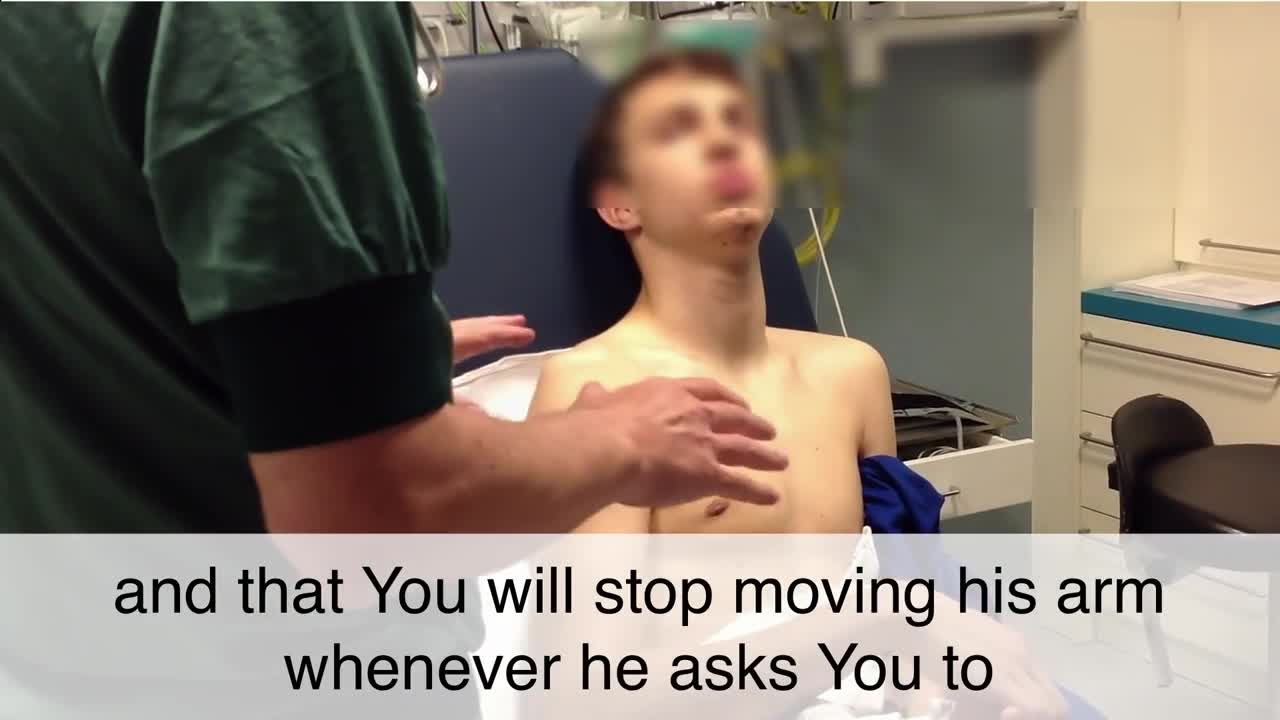
Reduction techniques can vary in terms of required force, time, equipment, and staff. [7] No single reduction method is successful in every instance; therefore, the clinician should be familiar with several reduction techniques. Techniques commonly used to reduce anterior shoulder dislocations include the following [35, 36, 37, 38, 39] : Stimson maneuver Scapular manipulation External rotation Milch technique Spaso technique Traction-countertraction
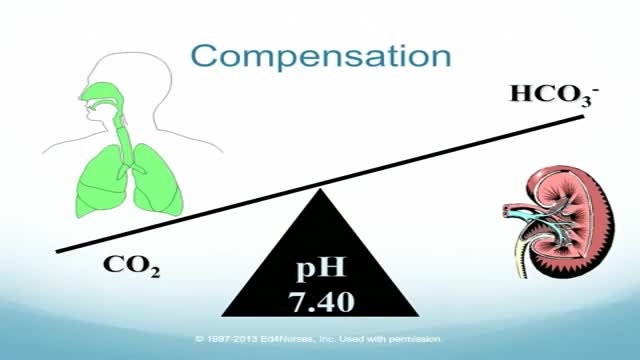
Four-Step Guide to ABG Analysis Is the pH normal, acidotic or alkalotic? Are the pCO2 or HCO3 abnormal? Which one appears to influence the pH? If both the pCO2 and HCO3 are abnormal, the one which deviates most from the norm is most likely causing an abnormal pH. Check the pO2. Is the patient hypoxic?

DermaClinix, The world's leading hair Transplantation and aesthetic dermatology clinic that offers the best hair transplant in Chennai. The clinic is fully equipped with infrastructure and the ultra-modern devices in the field of cosmetology and hair restoration. At DermaClinx Chennai offers a number of treatments including chemical peels for acne, pigmentation treatment, glow facials, hair growth therapies and many more. Hair transplant Doctors at DermaClinix Nungambakkam, Chennai have more than 12 years of experience in this field & holds the International accreditations and member of ISHRS (USA). Visit us today to know more about the hair growth treatments. https://www.dermatologistchennai.in/hair-transplant-surgeon-in-chennai.php Address: No:19 1st Floor TMA Tower Dr.Thirumurthy Nagar main road, Nungambakkam, Chennai, Tamil Nadu 600034 Call us at - +918939636222, +91 89398 81919 For more: Website - https://www.hairtransplantchennai.org/ Email - [email protected]

Kidney failure and transplant options One of the most serious complications of polycystic kidney disease is kidney failure. This is when the kidneys are no longer able to filter waste products, maintain fluid balance, and maintain blood pressure on their own. When this occurs, your doctor will discuss options with you that may include a kidney transplant or dialysis treatments to act as artificial kidneys. If your doctor does place you on a kidney transplant list, there are several factors that determine your placement. These include your overall health, expected survival, and time you have been on dialysis. It’s also possible that a friend or relative could donate a kidney to you. Because people can live with only one kidney with relatively few complications, this can be an option for families who have a willing donor. The decision to undergo a kidney transplant or donate a kidney to a person with kidney disease can be a difficult one. Speaking to your nephrologist can help you weigh your options. You can also ask what medications and treatments can help you live as well as possible in the meantime. According to the University of Iowa, the average kidney transplant will allow kidney function from 10 to 12 years.

http://123-paleo.info-pro.co Gesunde Ernährung, Ernährung Umstellen, Marcumar Ernährung, Paleo Lebensmittel, Paleo Rezept. Wahrscheinlich wirst du dich als Paleo-Anhänger schon einmal gefragt haben, warum die Steinzeiternährung Getreide meidet wie die Pest. Gut, die Begründung, dass Menschen vor Tausenden von Jahren ebenfalls kein Getreide hatten, ist ja schön. Aber das kann ja nicht alles sein. Ist es auch nicht. Wie immer liegt der Teufel im Detail. Hauptverantwortlich für die große „Angst“ vor Getreideprodukten sind vor allem Gluten, sogenannte Anti-Nährstoffe. Bereits dieser Name ist angsteinflößend. Und das durchaus zu Recht. Denn Gluten besitzen nur wenige positive, dafür jedoch umso mehr negative Eigenschaften, die sich längerfristig schlecht auf deine Gesundheit auswirken können. Was ist Gluten und welche Lebensmittel enthalten Gluten? Gluten ist ein Eiweiß mit besonders starken Klebeeigenschaften. Dies ist auch der Grund, weswegen beispielsweise Brotteig so gut zusammenklebt. Gluten findet sich hauptsächlich in Getreide, beispielsweise ein Roggen oder Gerste, Dinkel oder Weizen und Hafer. Hieraus ergibt sich zwangsläufig, dass auch viele Lebensmittel des täglichen Lebens jede Menge Gluten enthalten. Hierzu gehören nicht nur Schokolade oder Bier, Reis oder Nudeln, sondern auch Pommes oder Milcherzeugnisse. Auch in den meisten Fertiggerichten ist Gluten vorzufinden.
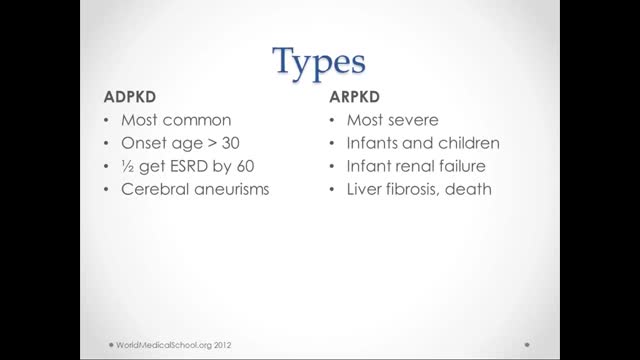
What is polycystic kidney disease? Polycystic kidney disease (also called PKD) causes numerous cysts to grow in the kidneys. These cysts are filled with fluid. If too many cysts grow or if they get too big, the kidneys can become damaged. PKD cysts can slowly replace much of the kidneys, reducing kidney function and leading to kidney failure. How common is PKD? In the United States about 600,000 people have PKD. It is the fourth leading cause of kidney failure. It is found in all races and occurs equally in men and women. It causes about 5% of all kidney failure. What other organs besides the kidney are affected by PKD? PKD can affect other organs besides the kidney. People with PKD may have cysts in their liver, pancreas, spleen, ovaries, and large bowel. Cysts in these organs usually do not cause serious problems, but can in some people. PKD can also affect the brain or heart. If PKD affects the brain, it can cause an aneurysm. An aneurysm is a bulging blood vessel that can burst, resulting in a stroke or even death. If PKD affects the heart, the valves can become floppy, resulting in a heart murmur in some patients. What are the clues that someone has PKD? Most people do not develop symptoms until they are 30 to 40 years old. The first noticeable signs and symptoms may include: Back or side pain An increase in the size of the abdomen Blood in the urine Frequent bladder or kidney infections High blood pressure High blood pressure is the most common sign of PKD. Occasionally, patients may develop headaches related to high blood pressure or their doctors may detect high blood pressure during a routine physical exam. Because high blood pressure can cause kidney damage, it is very important to treat it. In fact, treatment of high blood pressure can help slow or even prevent kidney failure. Fluttering or pounding in the chest About 25% of PKD patients have a so-called floppy valve in the heart, and may experience a fluttering or pounding in the chest as well as chest pain. These symptoms almost always disappear on their own but may be the first hint that someone has PKD. How is PKD diagnosed? Ultrasound is the most reliable, inexpensive and non-invasive way to diagnose PKD. If someone at risk for PKD is older than 40 years and has a normal ultrasound of the kidneys, he or she probably does not have PKD. Occasionally, a CT scan (computed tomography scan) and MRI (magnetic resonance imaging) may detect smaller cysts that cannot be found by an ultrasound. MRI is used to measure and monitor volume and growth of kidneys and cysts. In some situations, genetic testing might also be done. This involves a blood test that checks for abnormal genes that cause the disease. Genetic testing is not recommended for everyone. The test is costly, and it also fails to detect PKD in about 15% of people who have it. However, genetic testing can be useful when a person: has an uncertain diagnosis based on imaging tests has a family history of PKD and wants to donate a kidney is younger than 30-years old with a family history of PKD and a negative ultrasound, and is planning to start a family

Dehydration is a condition that occurs when the loss of body fluids, mostly water, exceeds the amount that is taken in. With dehydration, more water is moving out of our cells and bodies than what we take in through drinking. We lose water every day in the form of water vapor in the breath we exhale and in our excreted sweat, urine, and stool. Along with the water, small amounts of salts are also lost.

د.أحمد عزوعبد الله- د.حسين الحمود- د.حازم العجيلي- د.حسان الضويحي- د.أحمد العيسى
[email protected]
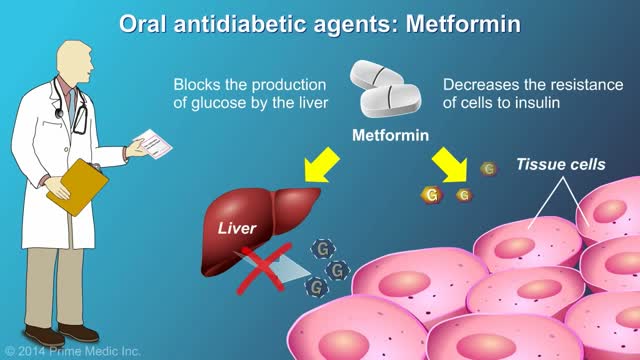
protecting the body from damage caused by hyperglycemia cannot be overstated. In the United States, 57.9% of diabetic patients have one or more diabetes complications, and 14.3% have three or more.1 Strict glycemic control is the primary method of reducing the development and progression of microvascular complications, such as retinopathy, nephropathy, and neuropathy. Aggressive treatment of dyslipidemia and hypertension decreases macrovascular complications.2-4 Glycemic Control There are two primary techniques available for physicians to assess the quality of a patient’s glycemic control: self-monitoring of blood glucose (SMBG) and interval measurement of hemoglobin A1c (HbA1c).
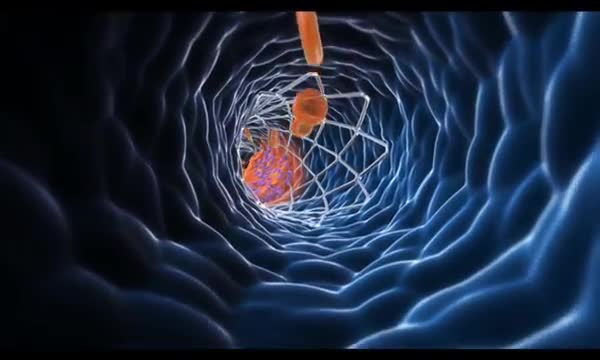
This video describes the effects of heart disease and explains how stents are used to treat damaged arteries.
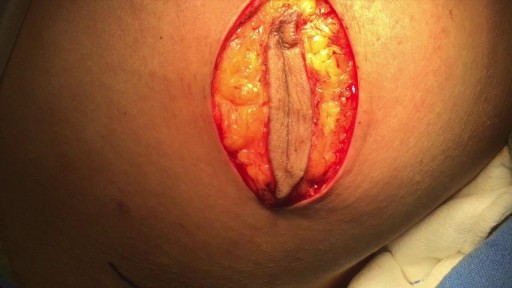
Video demonstrating Breast Conservation Surgery with Type 1 Oncoplasty for an Early Breast Cancer.

nkylosing spondylitis (pronounced ank-kih-low-sing spon-dill-eye-tiss), or AS, is a form of arthritis that primarily affects the spine, although other joints can become involved. It causes inflammation of the spinal joints (vertebrae) that can lead to severe, chronic pain and discomfort

The easy experimental answer to this question is 264 hours (about 11 days). In 1965, Randy Gardner, a 17-year-old high school student, set this apparent world-record for a science fair. Several other normal research subjects have remained awake for eight to 10 days in carefully monitored experiments. None of these individuals experienced serious medical, neurological, physiological or psychiatric problems. On the other hand, all of them showed progressive and significant deficits in concentration, motivation, perception and other higher mental processes as the duration of sleep deprivation increased. Nevertheless, all experimental subjects recovered to relative normality within one or two nights of recovery sleep. Other anecdotal reports describe soldiers staying awake for four days in battle, or unmedicated patients with mania going without sleep for three to four days.