
- Physical Examination
- Surgical Examination
- Ophthalmology
- Clinical Skills
- Orthopedics
- Surgery Videos
- Laparoscopy
- Pediatrics
- Funny Videos
- Cardiothoracic Surgery
- Nursing Videos
- Plastic Surgery
- Otorhinolaryngology
- Histology and Histopathology
- Neurosurgery
- Dermatology
- Pediatric Surgery
- Urology
- Dentistry
- Oncology and Cancers
- Anatomy Videos
- Health and Fitness
- Radiology
- Anaesthesia
- Physical Therapy
- Pharmacology
- Interventional Radiology
- Cardiology
- Endocrinology
- Gynecology
- Emergency Medicine
- Psychiatry and Psychology
- Childbirth Videos
- General Medical Videos
- Nephrology
- Physiology
- Diet and Food Health
- Diabetes Mellitus
- Neurology
- Women Health
- Osteoporosis
- Gastroenterology
- Pulmonology
- Hematology
- Rheumatology
- Toxicology
- Nuclear Medicine
- Infectious Diseases
- Vascular Disease
- Reproductive Health
- Burns and Wound Healing
- Other
Top videos
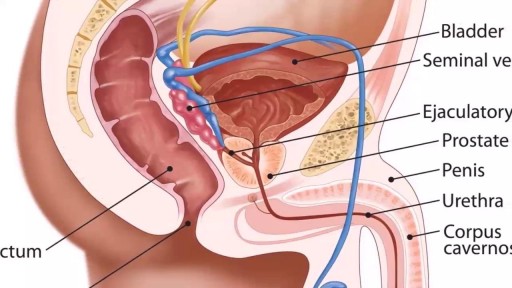

As more couples explore anal sex, understanding the risks, rewards, and proper strategy is important. Here's what you need to know about safety and more.
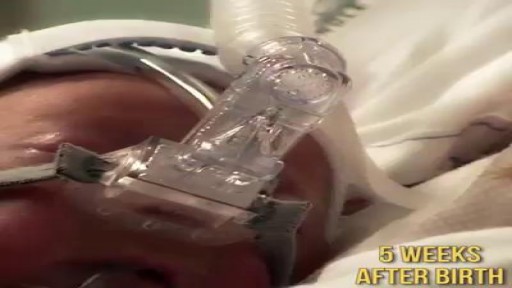
Meet Toby, the baby who was born premature at 24 weeks. He may be small, but he's definitely a fighter! Share his story.
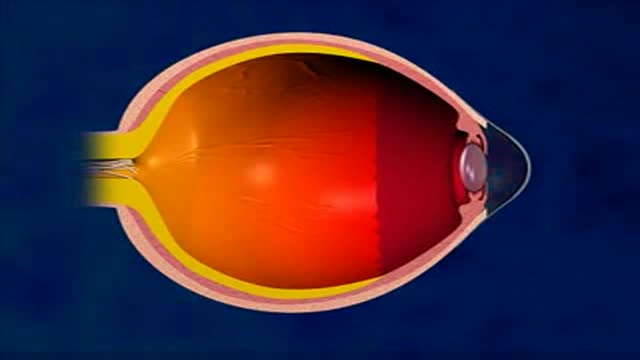
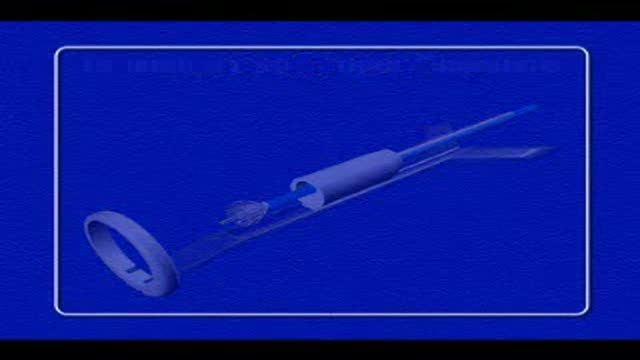
LASIK or Laser-Assisted In Situ Keratomileusis is a surgical procedure intended to reduce a person's dependency on glasses or contact lenses.
LASIK surgery is most commonly performed as a cure for myopia (nearsightedness), but can also be used to cure hyperopia (farsightedness) or astigmatism (corneal irregularities).
LASIK is a procedure that permanently changes the shape of the cornea using a special laser and thus focusing the light rays exactly on the retina.
The steps of the procedure are as follows:
A suction ring is placed on the eye to stabilize and check the eye pressure.
The microkeratome, a cutting instrument, is attached to the suction ring.
The blade of the microkeratome is used to cut a flap in the cornea.
The exposed inner layer of the cornea is then reshaped with an excimer laser.
The corneal flap is returned to its original position.
LASIK is an ambulatory procedure; the patient can walk into the surgery center, have the procedure and walk out again and is awake the whole time. Occasionally, the doctor may administer a mild oral sedative.

A video showing the romberg reflex test
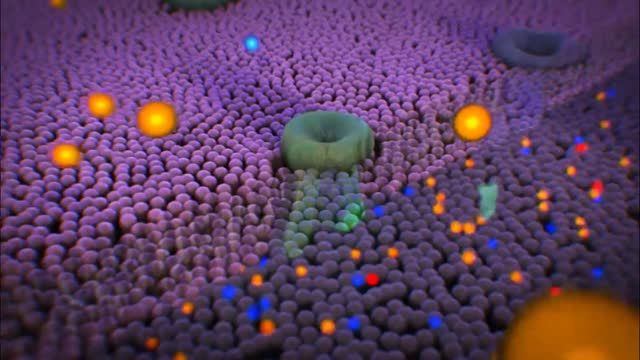
Digoxin is derived from the leaves of a digitalis plant. Digoxin helps make the heart beat stronger and with a more regular rhythm. Digoxin is also used to treat atrial fibrillation, a heart rhythm disorder of the atria (the upper chambers of the heart that allow blood to flow into the heart).
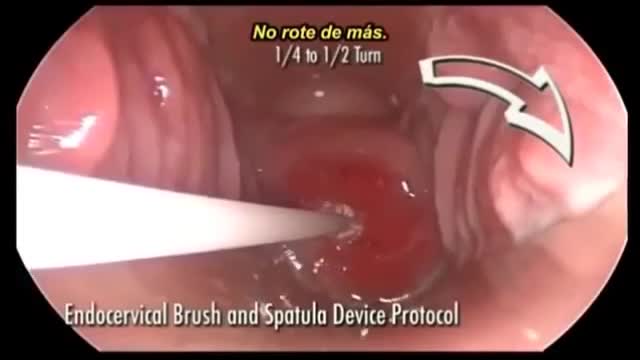
In patients age ;::25, HPV DNA testing is the preferred next step in management if the initial cytology shows ASC-US. In this method, samples are collected for both cytology and reflex HPV DNA. If cytology results are positive, HPV DNA testing is performed. If cytology results are negative, the sample for HPV DNA is discarded. HPV DNA testing along with Pap smear at 3 years is recommended if initial cytology shows ASC-US but HPV DNA testing is negative
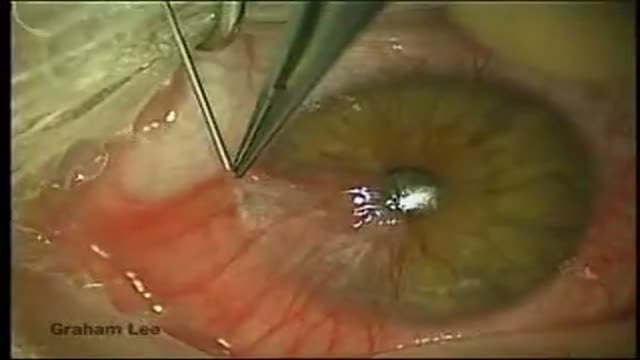
Pterygium Surgery with Auto-Conjunctival Graft
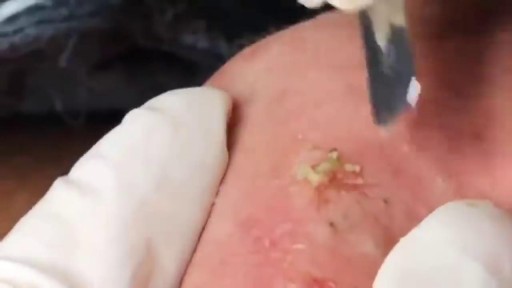
Follow these steps for a successful home extraction: Clean your hands. Wash your hands with soap and warm water. ... Clean your face. Wash and gently exfoliate your face. ... Sterilize your tools. ... Sterilize the pimple. ... Pierce the pimple. ... Create a small tear. ... Release the pus. ... Apply drying lotion

All you need to know about the Anal Intercourse Health Risks

Short video of tension free repair of indirect inguinal hernia using a prolene mesh after herniotomy
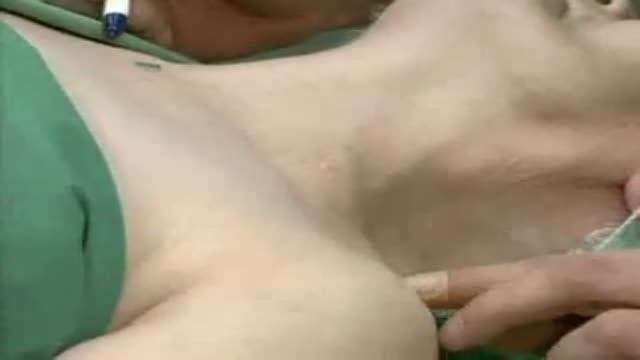
A video showing the process of brachial plexus blockage
Genipap. A home pap smear product demo.
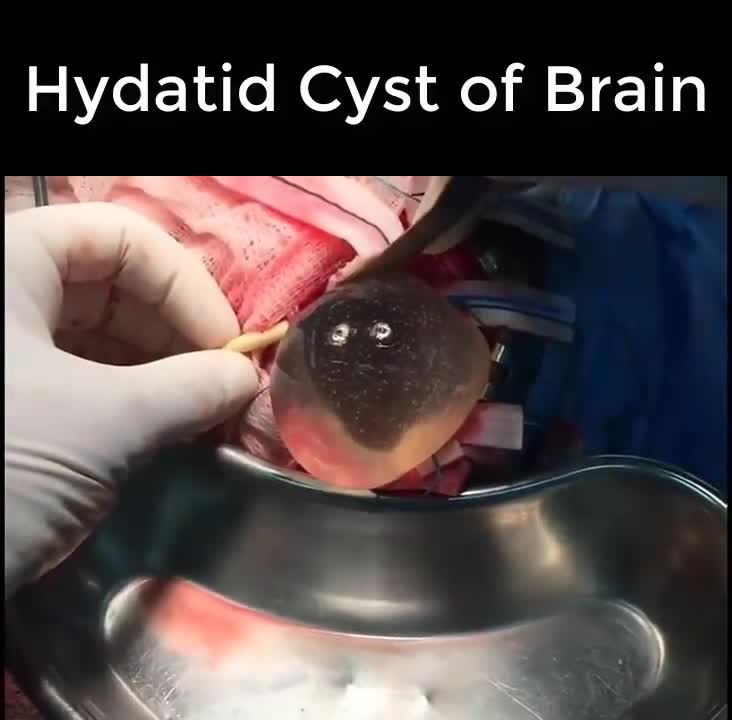
Cerebral hydatid disease (neurohydatidosis) is caused by Echinococcus granulosus or less commonly E. alveolaris or E. multilocularis. The larval stage is the cause of hydatid disease in humans 1. Epidemiology Cerebral hydatid disease is a rare parasitic infestation and accounts for 1-2 % of all cystic echinococcosis. Hydatid disease is endemic in the Mediterranean region, the Middle East, Africa, eastern part of Turkey, Australia and parts of South America 2. Clinical presentation Symptoms and signs include: focal neurological deficits headaches increased intracranial pressure hydrocephalus papilloedema and loss of vision altered mental status seizures (rare)

Watch that video of Horrifying Creatures Found Living Inside Human Body
Central Venous Line Placement in the subclavian vein
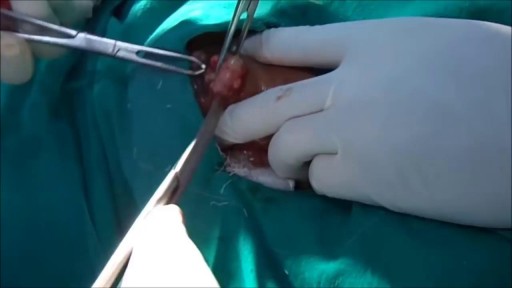
Watch that Big Fibrodenoma Removal Under Local Anesthesia
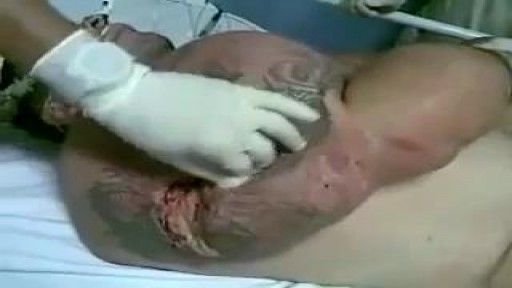
Watch that video of a Man's Arm Exploded Due to Illegal Muscles Injections

If your body makes too little melanin, your skin gets lighter. Vitiligo is a condition that causes patches of light skin. Albinism is a genetic condition affecting a person's skin. A person with albinism may have no color, lighter than normal skin color, or patchy missing skin color.
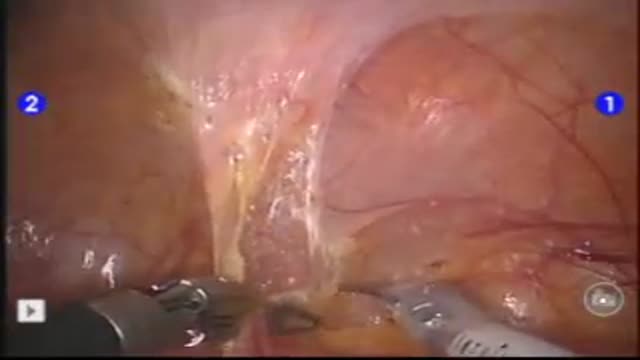
PURPOSE: Laparoscopic partial nephrectomy (LPN) is an alternative modality of treatment for small sized renal cell carcinoma. Robot assisted laparoscopic partial nephrectomy (RLPN) has also been performed with an advantage in repairing resected surface after tumor resection. We compare the periopera...
tive data of patients treated with laparoscopic partial nephrectomy with those of RLPN undertaken patients. MATERIAL AND METHOD: From September 2006 to April 2008, 22 patients were treated with LPN and 22 were RLPN. 3 arms were used for RLPN; camera was inserted through the 12mm, umbilical trocar port. The laparoscopic Bulldog clamp was used for the clamping of renal hilum. We retrospectively compared each group about tumor size, operation time, estimated blood loss, warm ischemic time and hospital stay. RESULT: Operation time of LPN was shorter than that of RLPN (p=0.033). Tumor size, estimated blood loss and hospital stay was not significant different in each group. No case had conversion to open surgery. 1 patient of RLPN group, however, had conversion to radical nephrectomy due to severe bleeding. CONCLUSION: RLPN was safe and feasible in small sized renal cell carcinoma. Warm ischemic time was reasonable and morbidity associated with RLPN was also low. RLPN LPN p-value Tumor Size (cm) 2.5 2.1 0.605 Op time (min) 169.3 140.8 0.033 EBL (ml) 243.2 213.2 0.878 Warm Ischemic Time (min) 29.2 26.4 0.237 Transfusion (%) 4.5 4.5 0.756 Hospital stay (day) 4.4 5.5 0.053
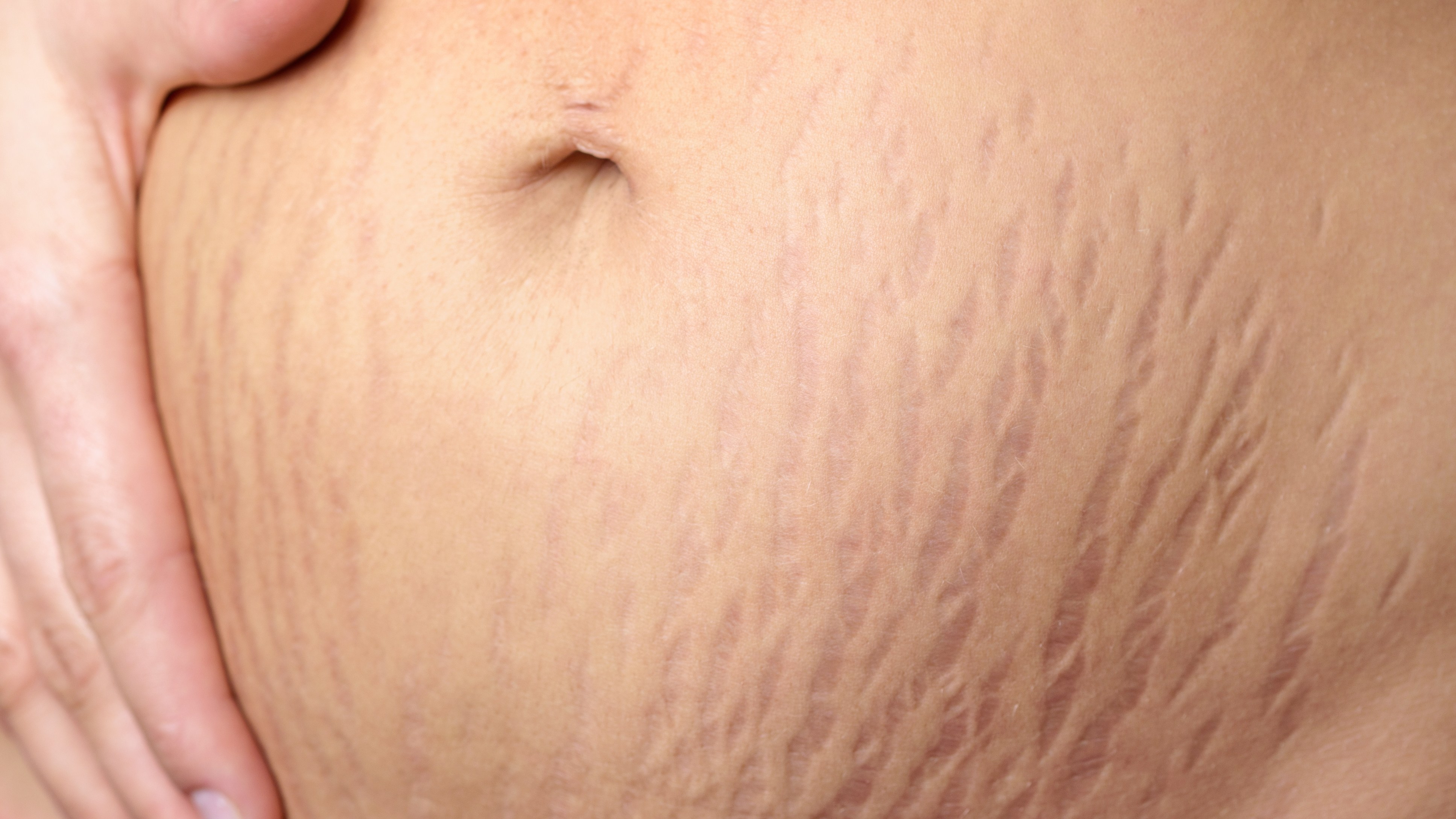
Watch that video to know How to Get Rid of Stretch Marks and Scars Fast
