
- Physical Examination
- Surgical Examination
- Ophthalmology
- Clinical Skills
- Orthopedics
- Surgery Videos
- Laparoscopy
- Pediatrics
- Funny Videos
- Cardiothoracic Surgery
- Nursing Videos
- Plastic Surgery
- Otorhinolaryngology
- Histology and Histopathology
- Neurosurgery
- Dermatology
- Pediatric Surgery
- Urology
- Dentistry
- Oncology and Cancers
- Anatomy Videos
- Health and Fitness
- Radiology
- Anaesthesia
- Physical Therapy
- Pharmacology
- Interventional Radiology
- Cardiology
- Endocrinology
- Gynecology
- Emergency Medicine
- Psychiatry and Psychology
- Childbirth Videos
- General Medical Videos
- Nephrology
- Physiology
- Diet and Food Health
- Diabetes Mellitus
- Neurology
- Women Health
- Osteoporosis
- Gastroenterology
- Pulmonology
- Hematology
- Rheumatology
- Toxicology
- Nuclear Medicine
- Infectious Diseases
- Vascular Disease
- Reproductive Health
- Burns and Wound Healing
- Other
Top videos
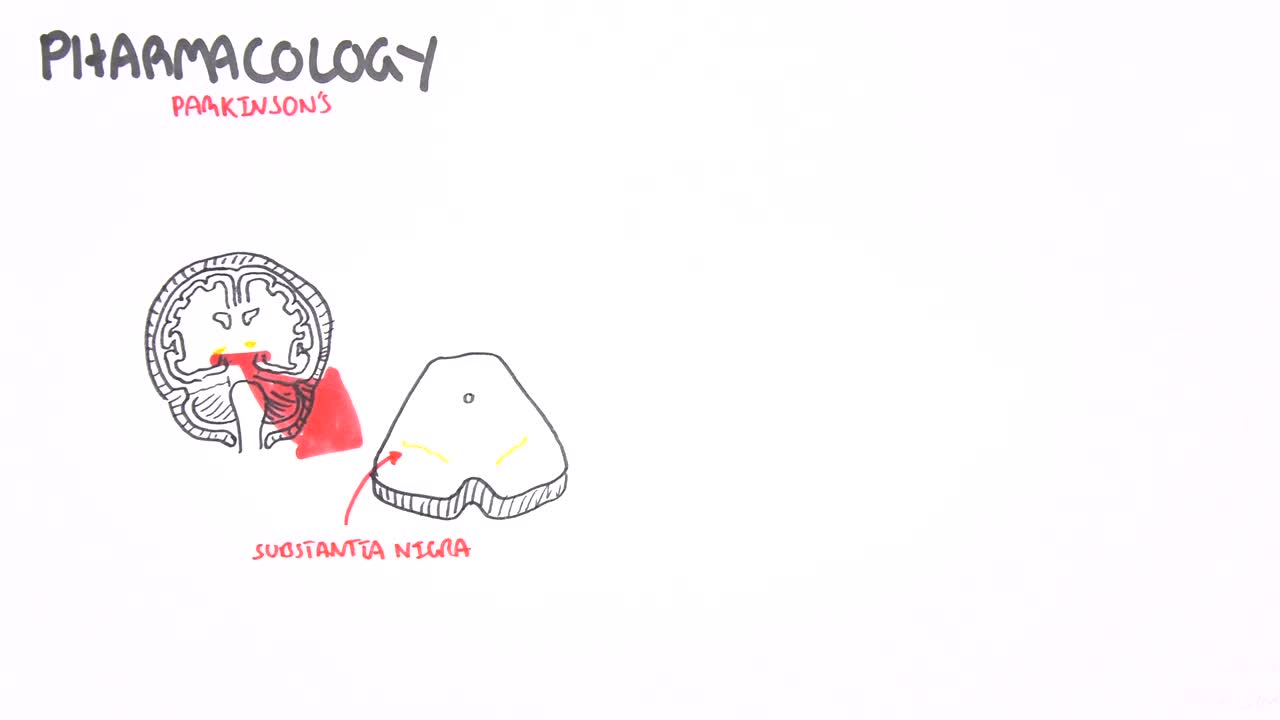

There have been rapid and remarkable changes over the recent past in treating Parkinson's disease. The development of new drugs and an understanding of how best to use them and the older drugs have significantly improved the quality of life of people with the disease. There are two general approaches to the treatment of Parkinson's disease with medication. The first approach attempts to increase the levels of dopamine in the brain and the second approach attempts to improve the symptoms of Parkinson's disease by other means. Most patients with Parkinson's disease can initially be treated with drugs that adequately alleviate their symptoms. If or when medications are not sufficiently effective, new, highly effective and safe surgical treatments are also available.
karnim herbal capsules
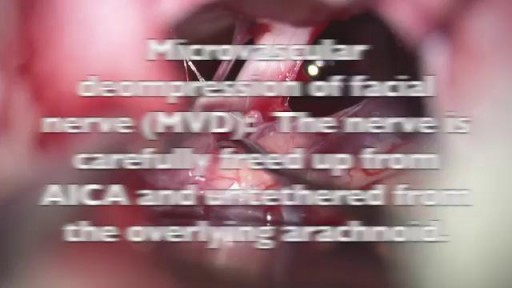
This video shows a surgery of Brain Microvascular Decompression of facial nerve for hemifacial spasm
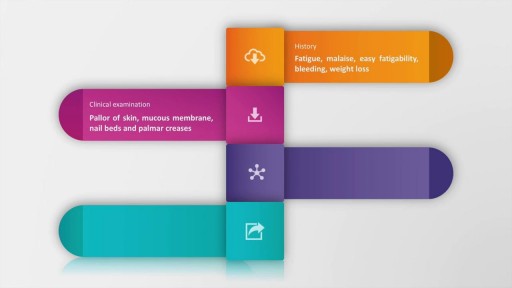
A stepwise approach to the causes and diagnosis of Anaemia in clinical practice. This presentation includes the all important concept of the Reticulocyte production index. Discussion of Hereditary and acquired causes of Anaemia has been included in detail.

Vitiligine News, Vitiligine Foto, Vitiligine Come Si Manifesta, La Vitiligine, Rimedi Vitiligine --- http://vitiligine-cura.good-info.co --- Non Importa Quanto Sia Grave La Tua Vitiligine, Puoi Iniziare A Utilizzare Questo Sistema Potente PROPRIO ORA Per Ottenere La Libertà Dalla Vitiligine Che Hai Sempre Sognato! Funziona In Tutti I Casi Seguenti: Vitiligine Leggera, Moderata O Grave Vitiligine Focale Vitiligine Segmentale Vitiligine Mucoidale Vitiligine acrofacciale Vitiligine vulgaris Vitiligine universale I trattamenti anti-vitiligine che la maggior parte della gente usa NON FUNZIONANO! Il 95% di tutti quelli che trattano la vitiligine finisce peggio di quando ha iniziato! Una Presentazione Video Gratuita Spiega Un Singolare Consiglio Per Eliminare La Vitiligine Per Sempre http://vitiligine-cura.good-info.co
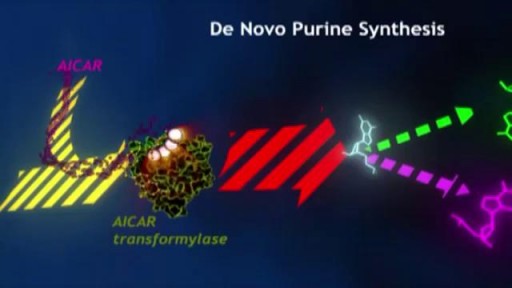
Methotrexate anti-tumor activity is a result of the inhibition of folic acid reductase, leading to inhibition of DNA synthesis and inhibition of cellular replication. The mechanism involved in its activity against rheumatoid arthritis is not known.
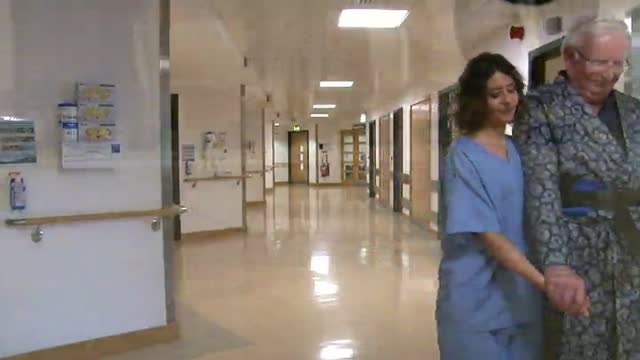
The 30 minute DVD:
introduces moving and handling of people
describes safer people handling practices
features specialist guidance from a chartered physiotherapist
outlines the process for people handling risk assessments
sets out the principles of safer handling
demonstrates the key safer handling techniques:
rolling a person
inserting and removing sliding sheets
repositioning people using sliding sheets
assisting people to stand and walk with handling belts
the use of roll boards in lateral transfers
using hoists
highlights the important role you play in safer people handling
If you have a blocked artery, your doctor may need to open the blockage and restore blood flow using a small mesh tube called a stent. The stent is inserted in your artery during an angioplasty procedure. Until now, stents were permanent. Now there is a fully dissolving stent available to treat blockages.

Buy your new Medical Marijuana Card for $59 & renewals for $45. Chat with our licensed doctors from your place and obtain your card by email in less than 10 minutes. Visit https://www.onlinemmjlosangeles.com/
CMV is a common virus in the same family as herpesvirus, and it can infect anyone. CMV is spread by direct contact of body fluids, such as saliva, blood, urine, semen, vaginal fluids, and breast milk. Thus breastfeeding, blood transfusions, organ transplants, and sexual contact are possible modes of transmission. Most healthy people do not experience any symptoms when infected with CMV, and it does not pose a serious health concern. A majority of adults have antibodies consistent with past infection. Most healthy children and adults who do have symptoms will recover from CMV infection without complications and do not require antiviral treatment. However, in those with a weakened immune system, CMV can cause serious disease (retinitis, hepatitis, colitis, pneumonia, or encephalitis).
Skin cancer is the most common type of cancer. There are three major types of skin cancer — Basal Cell Carcinoma, Squamous Cell Carcinoma and melanoma. Out of these, Melanoma is the deadliest form of skin cancer. Melanoma appears on the skin as a new spot or growth or a change in an already existing mole. It is often fast growing and can spread to other parts of your body, including your bones, liver, and lungs to form a new cancer.
Preventing Sexually Transmitted Diseases A sexually transmitted disease (STD) is an infection that is spread during sexual contact with another person. This includes touching, since some STDs can be spread from skin-to-skin contact. In general, STDs are highly preventable. Almost 20 million new STDs are diagnosed each year in the United States, according to the Centers for Disease Control and Prevention (CDC). However, a large number of those infections could be avoided if people made different decisions about their sexual health. The only guaranteed method to prevent STDs is to abstain from all sexual contact. This may not a practical solution for everyone. Fortunately, there are steps people can take to limit their risk of exposure.
DR.JUE IS SUGAR LAND' S PREMIERE LUMINEERS AND SNAP ON SMILE DENTIST. DR. JUE HAS BEEN FEATURED ON FOX NEWS FOR LUMINEERS! Lumineers . The Den-Mat Corporation has patented a type of porcelain veneer called Lumineer, and we are proud to announce our full certification in Lumineer application. Lumineers work great for fixing gapped teeth, teeth that slope inward, or teeth that are to small. Because there is no drilling, Lumineers are nearly painless to apply.
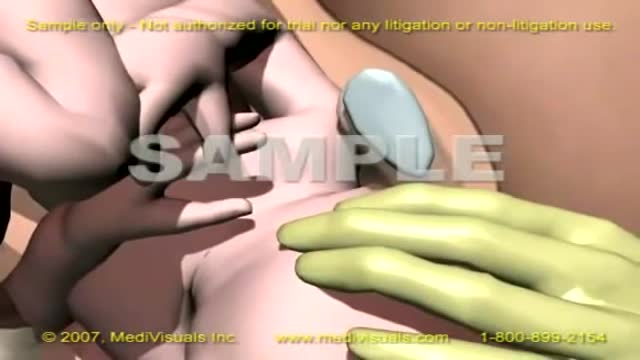
Shoulder dystocia is a rare emergency that can happen during the end of the second stage of labour. It's all to do with how your baby moves down through your vagina and out into the world. Shoulder dystocia happens when your baby's head has been born, but one of her shoulders becomes stuck.

men health,women health,organ devloping ,female problems soultion,
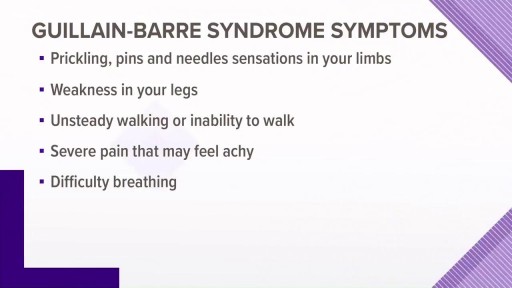

Only about a third of people with lupus get the tell-tale butterfly-shaped rash on their face. What you should know:
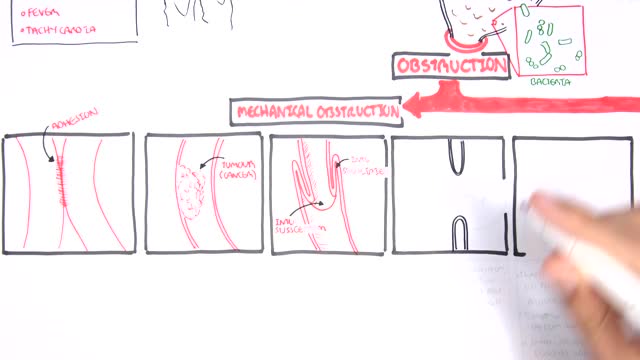
A bowel obstruction happens when either your small or large intestine is partly or completely blocked. The blockage prevents food, fluids, and gas from moving through the intestines in the normal way. The blockage may cause severe pain that comes and goes. This topic covers a blockage caused by tumors, scar tissue, or twisting or narrowing of the intestines. It does not cover ileus, which most commonly happens after surgery on the belly (abdominal surgery). What causes a bowel obstruction? Tumors, scar tissue (adhesions), or twisting or narrowing of the intestines can cause a bowel obstruction. These are called mechanical obstructions . In the small intestine, scar tissue is most often the cause. Other causes include hernias and Crohn's disease, which can twist or narrow the intestine, and tumors, which can block the intestine. A blockage also can happen if one part of the intestine folds like a telescope into another part, which is called intussusception.

The patient has spasticity in the lower extremities greater than the upper extremities. The hips and knees are flexed and adducted with the ankles extended and internally rotated. When the patient walks both lower extremities are circumducted and the upper extremities are held in a mid or low guard position. This type of gait is usually seen with bilateral periventricular lesions. The legs are more affected than the arms because the corticospinal tract axons that are going to the legs are closest to the ventricles.
