
- Physical Examination
- Surgical Examination
- Ophthalmology
- Clinical Skills
- Orthopedics
- Surgery Videos
- Laparoscopy
- Pediatrics
- Funny Videos
- Cardiothoracic Surgery
- Nursing Videos
- Plastic Surgery
- Otorhinolaryngology
- Histology and Histopathology
- Neurosurgery
- Dermatology
- Pediatric Surgery
- Urology
- Dentistry
- Oncology and Cancers
- Anatomy Videos
- Health and Fitness
- Radiology
- Anaesthesia
- Physical Therapy
- Pharmacology
- Interventional Radiology
- Cardiology
- Endocrinology
- Gynecology
- Emergency Medicine
- Psychiatry and Psychology
- Childbirth Videos
- General Medical Videos
- Nephrology
- Physiology
- Diet and Food Health
- Diabetes Mellitus
- Neurology
- Women Health
- Osteoporosis
- Gastroenterology
- Pulmonology
- Hematology
- Rheumatology
- Toxicology
- Nuclear Medicine
- Infectious Diseases
- Vascular Disease
- Reproductive Health
- Burns and Wound Healing
- Other
Top videos
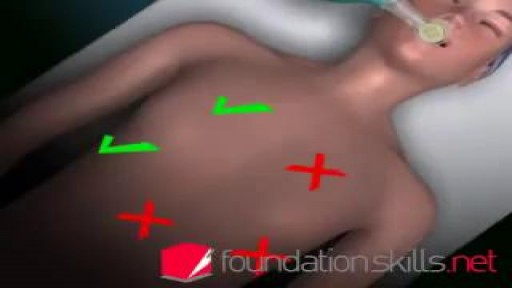

Endotracheal intubation is a medical procedure in which a tube is placed into the windpipe (trachea) through the mouth or nose. In most emergency situations it is placed through the mouth. Whether you are awake (conscious) or not awake (unconscious), you will be given medicine to make it easier to insert the tube. After endotracheal intubation, you will likely be placed on a breathing machine. If you are awake after the procedure, your health care provider may give you medicine to reduce your anxiety or discomfort.
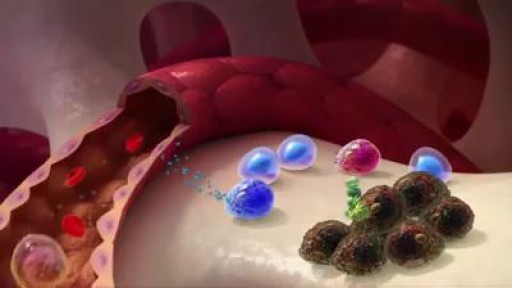
Multiple myeloma is a cancer formed by malignant plasma cells. Normal plasma cells are found in the bone marrow and are an important part of the immune system.
Most of the time when someone with cancer is told they have cancer in the bones, the doctor is talking about a cancer that has spread to the bones from somewhere else. This is called metastatic cancer. It can be seen in many different types of advanced cancer, like breast cancer, prostate cancer, and lung cancer. When these cancers in the bone are looked at under a microscope, they look like the tissue they came from. For example, if someone has lung cancer that has spread to bone, the cells of the cancer in the bone still look and act like lung cancer cells. They do not look or act like bone cancer cells, even though they are in the bones. Since these cancer cells still act like lung cancer cells, they still need to be treated with drugs that are used for lung cancer. For more information about metastatic bone cancer, please see our document called Bone Metastasis, as well as the document on the specific place the cancer started (Breast Cancer, Lung Cancer, Prostate Cancer, etc.). Other kinds of cancers that are sometimes called “bone cancers” start in the blood forming cells of the bone marrow − not in the bone itself. The most common cancer that starts in the bone marrow and causes bone tumors is called multiple myeloma. Another cancer that starts in the bone marrow is leukemia, but it is generally considered a blood cancer rather than a bone cancer. Sometimes lymphomas, which more often start in lymph nodes, can start in bone marrow. Multiple myeloma, lymphoma, and leukemia are not discussed in this document. For more information on these cancers, refer to the individual document for each. A primary bone tumor starts in the bone itself. True (or primary) bone cancers are called sarcomas. Sarcomas are cancers that start in bone, muscle, fibrous tissue, blood vessels, fat tissue, as well as some other tissues. They can develop anywhere in the body. There are several different types of bone tumors. Their names are based on the area of bone or surrounding tissue that is affected and the kind of cells forming the tumor. Some primary bone tumors are benign (not cancerous), and others are malignant (cancerous). Most bone cancers are sarcomas.
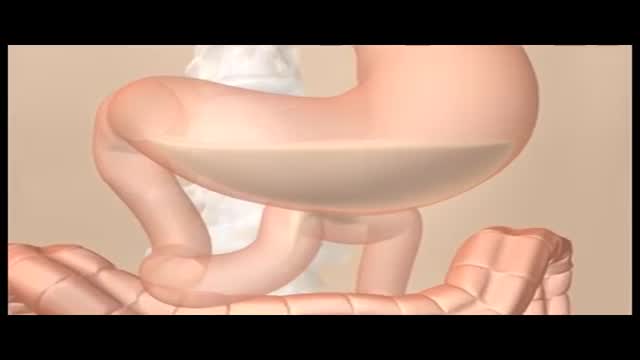
Constipation is a common problem. It means either going to the toilet less often than usual to empty the bowels, or passing hard or painful stools (faeces). Constipation may be caused by not eating enough fibre, or not drinking enough fluids. It can also be a side-effect of certain medicines, or related to an underlying medical condition. In many cases, the cause is not clear. Laxatives are a group of medicines that can treat constipation. Ideally, laxatives should only be used for short periods of time until symptoms ease. Note: there is a separate leaflet on constipation in children. What is constipation? Constipation is common. If you are constipated it causes one or more of the following: Stools (faeces) become hard and difficult or painful to pass. The time between toilet trips increases compared with your usual pattern. (Note: there is a large range of normal bowel habit. Some people normally go to the toilet to pass stools 2-3 times per day. For others, 2-3 times per week is normal. It is a change from your usual pattern that may mean that you are constipated.) Sometimes, crampy pains occur in the lower part of your tummy (abdomen) You may also feel bloated and feel sick if you have severe constipation. What are the causes of constipation? Known causes include the following: Not eating enough fibre (roughage) is a common cause. The average person in the UK eats about 12 g of fibre each day. But, 18 g per day is recommended by the British Nutrition Foundation. Fibre is the part of plant food that is not digested. It remains in your gut. It adds bulk to the stools (faeces) and helps your bowels to work well. Foods high in fibre include fruit, vegetables, cereals and wholemeal bread. Not drinking much may make constipation worse. Stools are usually soft and easily passed if you eat enough fibre and drink enough fluid. However, some people need more fibre and/or fluid than others in order to avoid constipation. Some special slimming diets are low in fibre and may cause constipation. Some medicines can cause constipation as a side-effect. Examples are painkillers (particularly those with codeine, such as co-codamol, or very strong painkillers, such as morphine), some antacids, some antidepressants (including amitriptyline) and iron tablets; however, there are many others. See the list of possible side-effects on the leaflet that comes with any medicine that you may be taking. Tell a doctor if you suspect a medicine is making you constipated. A change of medication may be possible. Various medical conditions can cause constipation. For example, an underactive thyroid gland, irritable bowel syndrome, some gut disorders and conditions that cause poor mobility, particularly in the elderly. Pregnancy. About 1 in 5 pregnant women will become constipated. It is due to the hormonal changes of pregnancy that slow down the gut movements. In later pregnancy, it can simply be due to the baby taking up a lot of room in the tummy and the bowels being pushed to one side.
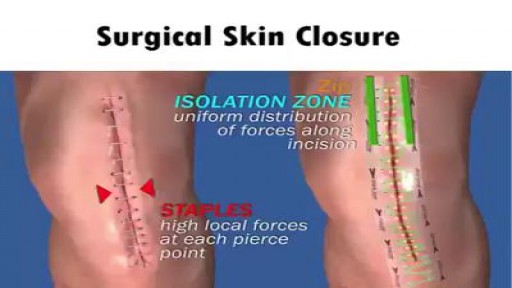
Surgical Skin Closure Procedures
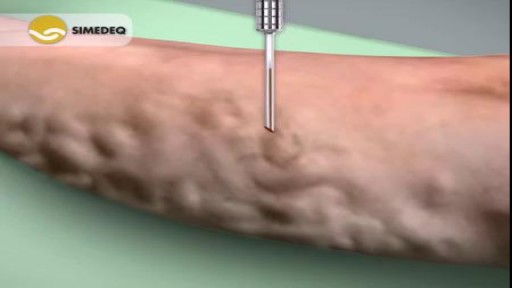
Varicose veins are generally benign. The cause of this condition is not known. For many people, there are no symptoms and varicose veins are simply a cosmetic concern. In some cases, they cause aching pain and discomfort or signal an underlying circulatory problem. Treatment involves compression stockings, exercise, or procedures to close or remove the veins.
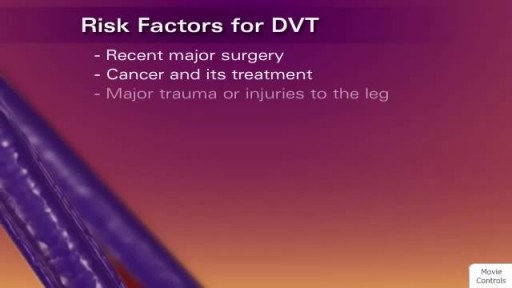
A pulmonary embolism (PE) usually happens when a blood clot called a deep vein thrombosis (DVT), often in your leg, travels to your lungs and blocks a blood vessel. That leads to low oxygen levels in your blood. It can damage the lung and other organs and cause heart failure, too. A PE can be life-threatening, so if you've been diagnosed with DVT, you should be aware of this risk. Follow the treatment plan for your DVT to stop the clot from getting bigger and to keep new clots from forming. Symptoms and Diagnosis PE won't always cause symptoms. You might have: Chest pain, which may get worse with a deep breath Sudden shortness of breath or rapid breathing Fast heartbeat Sudden cough Coughing up blood Lightheadedness or fainting Anxiety Call 911 if you notice these symptoms. They could also be symptoms of a heart attack, pneumonia, or other serious problems.
- elbow dislocations in children are a relatively uncommon; - peak incidence occurs in adolescence between 11-15 years. - posterior dislocations are most common type; - posterior dislocation usually results from fall on outstretched hand w/ forarm supinated & elbow extended or partially flexed; - coronoid process, which nl resists posterior displacement of ulna, is relatively small in children; - anterior capsule of elbow joint is torn by force of the impact transmitted upward thru the ulna and radius

Bipolar disorder, formerly called manic depression, is a mental health condition that causes extreme mood swings that include emotional highs (mania or hypomania) and lows (depression). When you become depressed, you may feel sad or hopeless and lose interest or pleasure in most activities. When your mood shifts to mania or hypomania (less extreme than mania), you may feel euphoric, full of energy or unusually irritable. These mood swings can affect sleep, energy, activity, judgment, behavior and the ability to think clearly. Episodes of mood swings may occur rarely or multiple times a year. While most people will experience some emotional symptoms between episodes, some may not experience any. Although bipolar disorder is a lifelong condition, you can manage your mood swings and other symptoms by following a treatment plan. In most cases, bipolar disorder is treated with medications and psychological counseling (psychotherapy).
A pneumothorax occurs when some of the tiny air sacs (alveoli) in a baby's lung become overinflated and burst. This causes air to leak into the space between the lung and chest wall (pleural space). The most common cause of pneumothorax is respiratory distress syndrome. This is a condition that occurs in babies who are born too early (premature). The baby's lungs lack the slippery substance (surfactant) that helps them stay open. Therefore, the tiny air sacs are not able to expand as easily. If the baby is put on a breathing machine (mechanical ventilator), there is extra pressure on the baby's lungs, which can sometimes burst the air sacs.

Yannas had been studying collagen, a protein found in human skin. Teaming up during the 1970s, the two made a polymer (a chemical compound made of multiple repeating units). Using collagen fibers and a long sugar molecule, they formed a porous (full of small holes) material resembling skin.
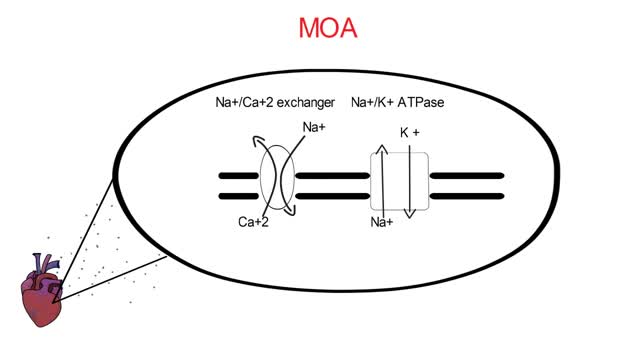
The incidence of digitalis toxicity has declined in recent years, due to decreased use of this drug along with improved technology for monitoring of drug levels and increased awareness of drug interactions. Nevertheless, cardiac glycoside toxicity continues to be a problem in the United States because of the wide use of digoxin (a preparation of digitalis) and its narrow therapeutic window. Digitalis is a plant-derived cardiac glycoside commonly used in the treatment of chronic heart failure (CHF), atrial fibrillation, and reentrant supraventricular tachycardia.[1, 2] Digoxin is the only available preparation of digitalis in the United States. (See Etiology and Epidemiology.) Cardiac glycosides are found in certain flowering plants, such as oleander and lily-of-the-valley. Indigenous people in various parts of the world have used many plant extracts containing cardiac glycosides as arrow and ordeal poisons. The ancient Egyptians used squill (Urginea maritime) as a medicine. The Romans employed it as a diuretic, heart tonic, emetic, and rat poison. Digitalis, or foxglove, was mentioned in the year 1250 in the writings of Welsh physicians. Fuchsius described it botanically 300 years later and named it Digitalis purpurea. William Withering published his classic account of foxglove and some of its medical uses in 1785, remarking upon his experience with digitalis. He recognized many of the signs of digitalis toxicity, noting, "The foxglove, when given in very large and quickly repeated doses, occasions sickness, vomiting, purging, giddiness, confused vision, objects appearing green or yellow; increased secretion of urine, slow pulses, even as low as 35 in a minute, cold sweats, convulsions, syncope, death." (See Presentation and Workup.) During the early 20th century, as a result of the work of Cushny, Mackenzie, Lewis, and others, the drug was gradually recognized as specific for treatment of atrial fibrillation. Only subsequently was the value of digitalis for treatment of CHF established. Cardiac glycosides enhance cardiac contractility and slow conduction through the atrioventricular (AV) junction by increasing vagal tone.[3] (See Etiology.) Cardiac glycoside toxicity has been known to result from ingestion of some plants, including yellow oleander (Thevetia peruviana) and foxglove, and a similar toxidrome has been associated with the use of herbal dietary supplements that contain cardiac glycosides. Digoxin is among the top 50 prescribed drugs in the United States.[4] In 2011, the American Association of Poison Control Centers reported 1601 single exposures to cardiac glycoside drugs.[5] Cardiac glycosides account for 2.6% of toxic plant exposures in the United States.[6, 7] Most of these exposures are in children.[7] (See Epidemiology.) Digoxin-specific fragment antigen-binding (Fab) antibody fragments have contributed significantly to the improved morbidity and mortality of toxic patients since their approval in 1986 by the US Food and Drug Administration (FDA). (See Prognosis, Treatment, and Medication.)

Baby massage for constipation relieving.

Carotid Stenosis and what it means. The detection and treatment of carotid artery disease for the prevention of stroke is one of the most effective treatments in all of medicine.

Chicken Skin, Chicken Skin On Legs, Keratosis Pilaris Treatment Over The Counter, Kp Vitamin A--- http://banishmybumps.plus101.com/ --- What Causes KP? The particular cause of Keratosis Pilaris is unidentified. Usually, it happens when there is a difficulty on the production of the keratin that is called hyper keratinizatinization. Keratosis Pilaris is believed to be inherited partially in origin. About fifty percent up to seventy percent of patients with this type of skin condition have identified genetic predisposition and has a higher rate of affected members of the family. Most people have a solid family history of follicular pilaris. The primary cause may be related partly to hypersensitivity reactions as well as the overall skin dryness. This skin condition is closely related also to dry skin, allergies, asthma, eczema, atopic dermatitis and rhinitis. The red bumps in Keratosis Pilaris seem to rise from the unnecessary build-up of keratin dry skin particles and very small at the hair follicles opening. The skin as observed under the hand held microscope demonstrates mild condensing, plugging and hyperkeratosis of your hair follicle. Your upper skin layers may have a number of dilation of the minor superficial blood vessels. In this manner, it gives the skin a flushed or reddish appearance. Keratosis Pilaris is not infectious, therefore people surrounding you are safe from this irritating skin condition. The condition is worse during winter. Summer season is normally a reprieve as it brings moisture and usually allows the skin condition to smooth up more than normal. The aggravating is associated directly with lower moisture, tight clothes and skin dryness that cause to rub the red bumps all the times. Many people stated that this skin condition worsened during the period of pregnancy before and after child birth. Medical doctors and patients as well, believed that keratosis pilaris is also related to food intake. So, large intakes of spicy foods increase the form of red bumps that make them more visible. In some way, patients that eliminated or reduced milk as well as the derivatives from their balance diet stated the improvement of their condition. Keratosis Pilaris can be difficult to treat, but it is possible to seek permanent relief. New research shows that all-natural treatment systems, such as BanishMyBumps, are successful. You can learn more at http://banishmybumps.plus101.com/

Whether the result of an accident or biting on a piece of food that’s too hard, mouth injuries can cause teeth to become cracked, broken, or knocked out/dislodged. It is important to see a dentist because if left untreated, a dental emergency can lead to serious complications.

The virus was first discovered in 1964 when Sir Michael Anthony Epstein and Ms. Yvonne Barr found it in a Burkitt lymphoma cell line. In 1968, the virus was linked to the disease infectious mononucleosis. Infection with Epstein-Barr virus (EBV) is common and usually occurs in childhood or early adulthood. EBV is the cause of infectious mononucleosis (also termed "mono"), an illness associated with fever, sore throat, swollen lymph nodes in the neck, and sometimes an enlarged spleen. It is also known as human herpes virus 4. Although EBV can cause mononucleosis, not everyone infected with the virus will get mononucleosis. Less commonly, EBV can cause more serious disease. Symptoms caused by EBV are usually mild and self-limited, but the virus persists in the body for life. It can be reactivated quietly without causing symptoms and may contaminate saliva. Thus, otherwise healthy people can spread the virus to uninfected people through kissing or sharing

The Micturition Reflex

Amazing animation: General Dentistry in 3D
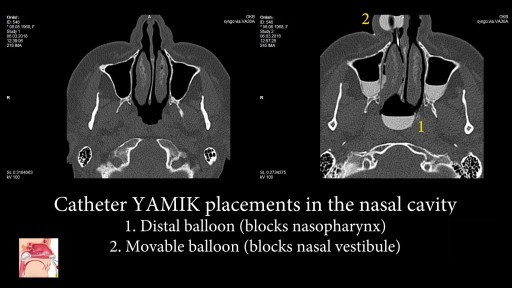
Nasal catheter YAMIK - is a new drug delivery sistem for topical treatment for sinusitis. The introduction of a large volume of the #drugsolution directly into all the paranasal #sinuses - provides new opportunities in the #treatment of #sinusitis! #YamikprocedureNasal catheter YAMIK is a new device for topical sinonasal delivery of medication during rhinosinusitis treatment. Administration of therapeutic solution with YAMIK catheter is called YAMIK procedure. The following features differs YAMIK procedure from all other topical sinonasal delivery techniques: - Medication is delivered into the all paranasal sinuses at one side of nose regardless of their involvement in the inflammatory disease. -Specific position of patient’s head. Patient should lay on the side of of the sinuses, into which solution will be administered. This position is physiological and comfortable for patients, including children and elders. The LHL position was suggested to be the most favorable position for patients to adopt - Therapeutic solutions reliably penetrates into without previous sinus surgery sinuses with natural ostia size. - Paranasal sinuses are filling with medicinal solution by gravity. To accelerate process, it is used small pressure gradient, which created by motion of syringe plunger with amplitude 1 - 2 ml during administration of solution. - It is provided contact of the whole sino-nasal mucosa with medication. - Prolonged time of the contact of sino-nasal mucosa with medicine provides administration of the therapeutically significant dose. Therapeutic solution administered into paranasal sinuses is considered as a STORE. Thanks to affect mucociliary clearance, therapeutic solution is gradually evacuated from sinuses through ostia. Thereby, prolonged nasal irrigation is performed. - Due to extended contact with saline (NaCl 0,9%), viscous colloidal pathological substance filling paranasal sinuses is dissolved. As a result, its viscosity decreases, and substance is removing by mucociliary clearance. Thereby, drainage function of the ostia are returned some time after finish YAMIK method procedure. -The procedure is performing under local anesthesia. - There is no need in active involvement of the patient. Blowing, pronouncing any sounds like “cuckoo”, holding any things and so on is unnecessary. If is performed by a qualified medical professional the procedure is more effective. - Medication contacts only with nasal passages and paranasal sinuses. Thus, it is provided topical drug therapy. - YAMIK procedure is call sinonasal delivery techniques of a therapeutic solution. It differs from nasal techniques, because medicinal solution contacts not only with nasal mucosa, but with mucous membrane of paranasal sinuses. - The only used drug formulation is a solution. - It is possible non-invasive sample extraction from mucosa of paranasal sinuses (for bacteriological, immunological, cytological and a number of others investigation methods).
