
- Physical Examination
- Surgical Examination
- Ophthalmology
- Clinical Skills
- Orthopedics
- Surgery Videos
- Laparoscopy
- Pediatrics
- Funny Videos
- Cardiothoracic Surgery
- Nursing Videos
- Plastic Surgery
- Otorhinolaryngology
- Histology and Histopathology
- Neurosurgery
- Dermatology
- Pediatric Surgery
- Urology
- Dentistry
- Oncology and Cancers
- Anatomy Videos
- Health and Fitness
- Radiology
- Anaesthesia
- Physical Therapy
- Pharmacology
- Interventional Radiology
- Cardiology
- Endocrinology
- Gynecology
- Emergency Medicine
- Psychiatry and Psychology
- Childbirth Videos
- General Medical Videos
- Nephrology
- Physiology
- Diet and Food Health
- Diabetes Mellitus
- Neurology
- Women Health
- Osteoporosis
- Gastroenterology
- Pulmonology
- Hematology
- Rheumatology
- Toxicology
- Nuclear Medicine
- Infectious Diseases
- Vascular Disease
- Reproductive Health
- Burns and Wound Healing
- Other
Top videos
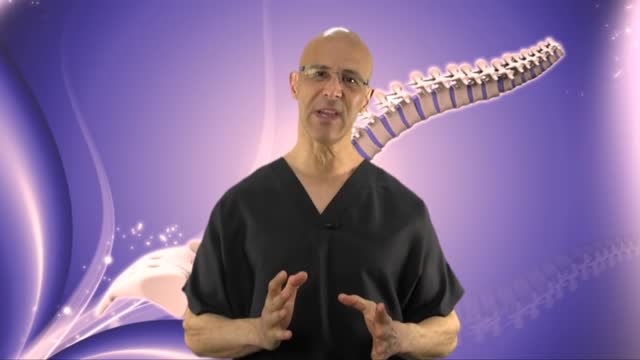

Back pain during pregnancy is a common complaint — and it's no wonder. You're gaining weight, your center of gravity changes, and your hormones are relaxing the ligaments in the joints of your pelvis. Often, however, you can prevent or ease back pain during pregnancy. Consider seven ways to give pregnancy back pain the boot. 1. Practice good posture As your baby grows, your center of gravity shifts forward. To avoid falling forward, you might compensate by leaning back — which can strain the muscles in your lower back and contribute to back pain during pregnancy. Keep these principles of good posture in mind: Stand up straight and tall. Hold your chest high. Keep your shoulders back and relaxed. Don't lock your knees. When you stand, use a comfortably wide stance for the best support. If you must stand for long periods of time, rest one foot on a low step stool — and take time for frequent breaks. Good posture also means sitting with care. Choose a chair that supports your back, or place a small pillow behind your lower back. 2. Get the right gear Wear low-heeled — not flat — shoes with good arch support. Avoid high heels, which can further shift your balance forward and cause you to fall. You might also consider wearing a maternity support belt. Although research on the effectiveness of maternity support belts is limited, some women find the additional support helpful. 3. Lift properly When lifting a small object, squat down and lift with your legs. Don't bend at the waist or lift with your back. It's also important to know your limits. Ask for help if you need it. 4. Sleep on your side Sleep on your side, not your back. Keep one or both knees bent. Consider using pregnancy or support pillows between your bent knees, under your abdomen and behind your back.

Initial symptoms may include: Pain or discomfort in the upper tummy (abdomen), especially after eating. Indigestion. (Note: most people who have indigestion do not have stomach cancer.) Feeling sick, and being off food. ... Weight loss and/or loss of appetite. You may pass blood out with your stools (faeces).

A new report analyzing FDA-approved monoclonal antibodies (mAbs) produced by a select group of leading biotechnology companies shows that clinical development times – specifically the duration of Phase II and Phase III trials – are lengthening, while FDA review times have remained constant. The average time from investigational new drug (IND) filing to market was 6.7 years for 11 mABs approved between 1994 and 2003 but shot up to 8.3 years for 12 mAbs approved between 2004 and March 9, 2011, according to Deloitte Recap LLC’s analysis, Therapeutic Monoclonal Antibodies – Insights, Strategies and Data.
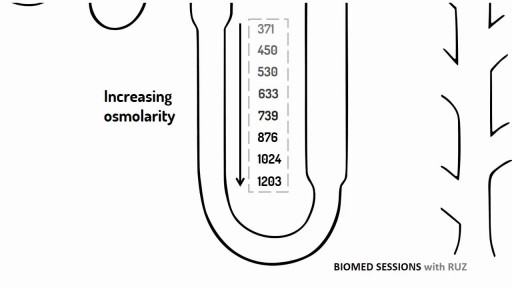
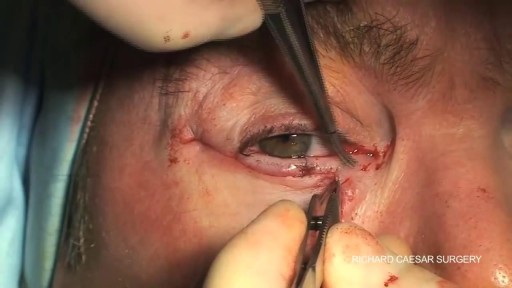
Step by step description of lower eyelid repair via skin flap and wedge resection
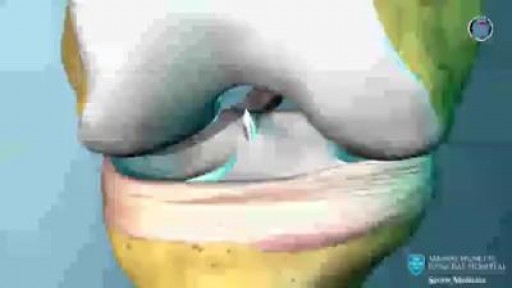
In nonsurgical treatment, progressive physical therapy and rehabilitation can restore the knee to a condition close to its pre-injury state and educate the patient on how to prevent instability.37, 38 This may be supplemented with the use of a hinged knee brace. However, many people who choose not to have surgery may experience secondary injury to the knee due to repetitive instability episodes. Surgical treatment is usually advised in dealing with combined injuries (ACL tears in combination with other injuries in the knee). However, deciding against surgery is reasonable for select patients. Nonsurgical management of isolated ACL tears is likely to be successful or may be indicated in patients:
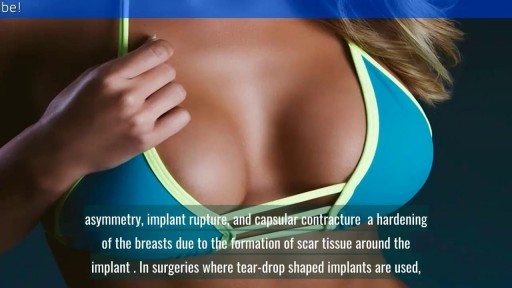
reast Augmentation: From Cost to Complications || Common gynaecological problems in women Breast augmentation (aka augmentation mammaplasty) is one of the most popular cosmetic procedures performed in the U.S. today. Despite controversy over the use of silicone breast implants, women have shown a continuing and growing eagerness to surgically enhance the size and shape of their breasts. If you are a healthy, non-smoking women who are at or near their ideal weight, with enough of their own breast tissue to cover and support an implant adequately, then you are a good candidate for breast augmentation surgery.

6 Weird Things That Happen To Us During Sleep
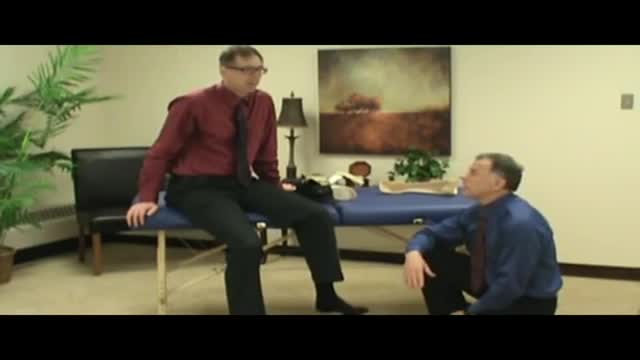
Foot drop is a gait abnormality in which the dropping of the forefoot happens due to weakness, irritation or damage to the common fibular nerve including the sciatic nerve, or paralysis of the muscles in the anterior portion of the lower leg. It is usually a symptom of a greater problem, not a disease in itself.

http://control-blood-sugar.good-info.co Normal Blood Sugar, Normal Blood Glucose, Low Blood Glucose, Foods That Lower Blood Sugar. happy to tell you that all these conditions of your uncontrollable blood sugar can be completely thrown away for good! Without expensive and dangerous surgery. Without leaving embarrassing pricking scars on your fingers. Without spending hundreds or even thousands of dollars on prescription drugs that not only empty your bank account. but leave big pharmaceutical executives richer from preying off your condition. The truth is, all of the blood sugar problems you’re having are completely reversible and curable. All of the frustrations and anxiety that comes with your condition can be a thing of the past. Plus, keep reading and you’ll find out the real truth to why prescription drugs are not helping your body control your blood sugar, but are guaranteed to ruin your body’s functions over time. you how to naturally and safely control your uncontrollable blood sugar in as little as 3 weeks. click here. http://control-blood-sugar.good-info.co

Furosemide is used to reduce extra fluid in the body (edema) caused by conditions such as heart failure, liver disease, and kidney disease. This can lessen symptoms such as shortness of breath and swelling in your arms, legs, and abdomen. This drug is also used to treat high blood pressure. Lowering high blood pressure helps prevent strokes, heart attacks, and kidney problems. Furosemide is a "water pill" (diuretic) that causes you to make more urine. This helps your body get rid of extra water and salt.
مرکز ایمپلنت و زیبایی دندان شیراز دکتر محمد امین دین پرور

-MEN1 syndrome is composed of hyperparathyroidism, gastrinoma (pancreatic tumor) and pituitary tum or(remember the 3 Ps). Hyperparathyroidism in MEN1 is caused by hyperplasia of the parathyroid glands. Removal of 3 1/2 glands or total parathyroidectomy with autotransplantation is necessary.
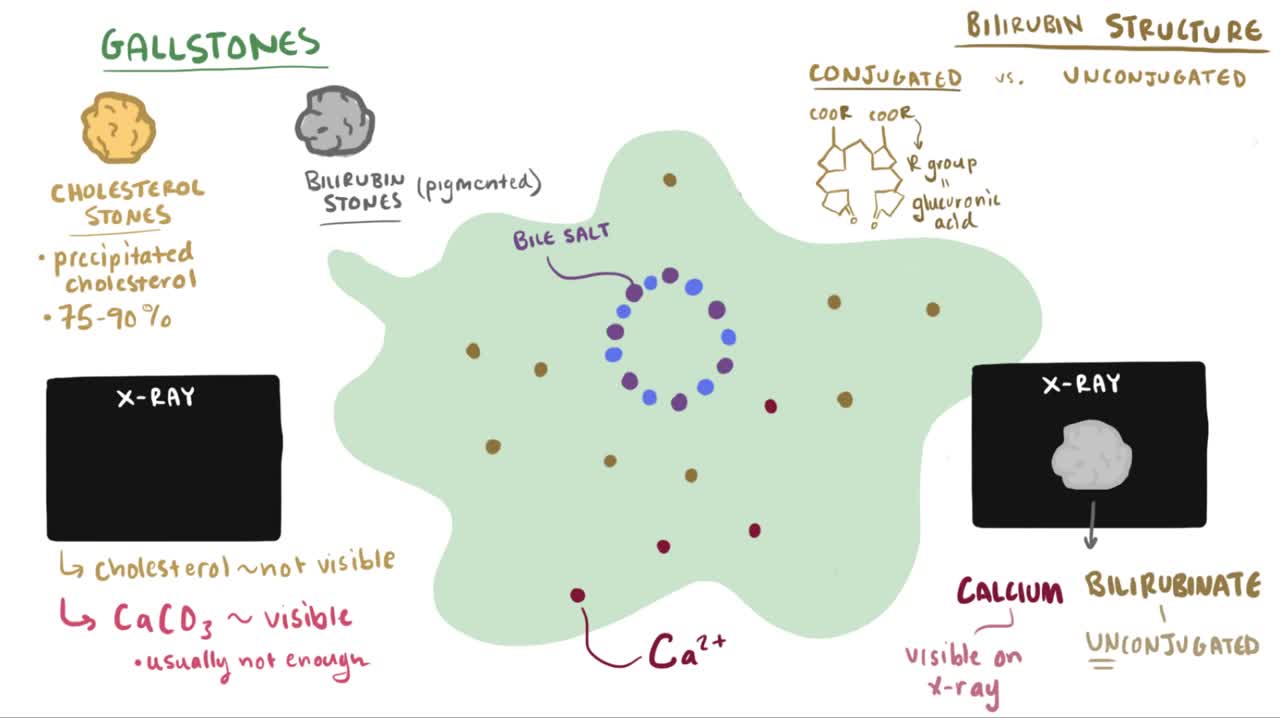
Cholelithiasis involves the presence of gallstones (see the image below), which are concretions that form in the biliary tract, usually in the gallbladder. Choledocholithiasis refers to the presence of 1 or more gallstones in the common bile duct (CBD).
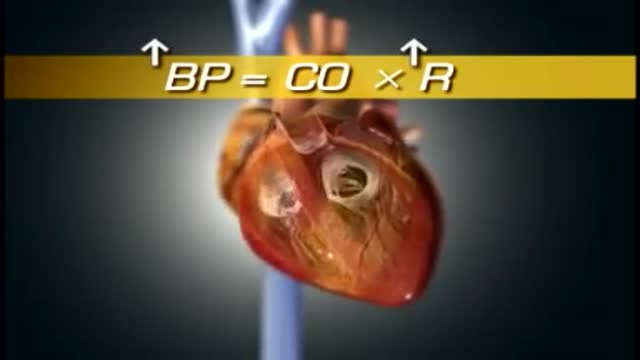
High blood pressure is a common condition in which the long-term force of the blood against your artery walls is high enough that it may eventually cause health problems, such as heart disease. Blood pressure is determined both by the amount of blood your heart pumps and the amount of resistance to blood flow in your arteries. The more blood your heart pumps and the narrower your arteries, the higher your blood pressure. You can have high blood pressure (hypertension) for years without any symptoms. Even without symptoms, damage to blood vessels and your heart continues and can be detected. Uncontrolled high blood pressure increases your risk of serious health problems, including heart attack and stroke. High blood pressure generally develops over many years, and it affects nearly everyone eventually. Fortunately, high blood pressure can be easily detected. And once you know you have high blood pressure, you can work with your doctor to control it.
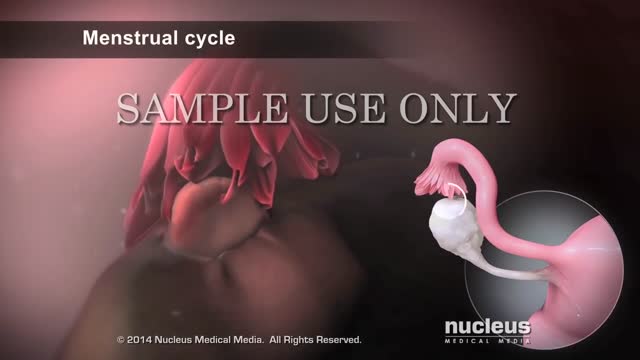
Intrauterine insemination (IUI) is a fertility treatment that involves placing sperm inside a woman's uterus to facilitate fertilization. The goal of IUI is to increase the number of sperm that reach the fallopian tubes and subsequently increase the chance of fertilization.
A small spontaneous pneumothorax may resolve without treatment; a pneumothorax arising as a result of lung disease or injury requires immediate treatment. Treatment may include insertion of a chest tube or aspiration of the free air in the chest cavity.Feb 19, 2016
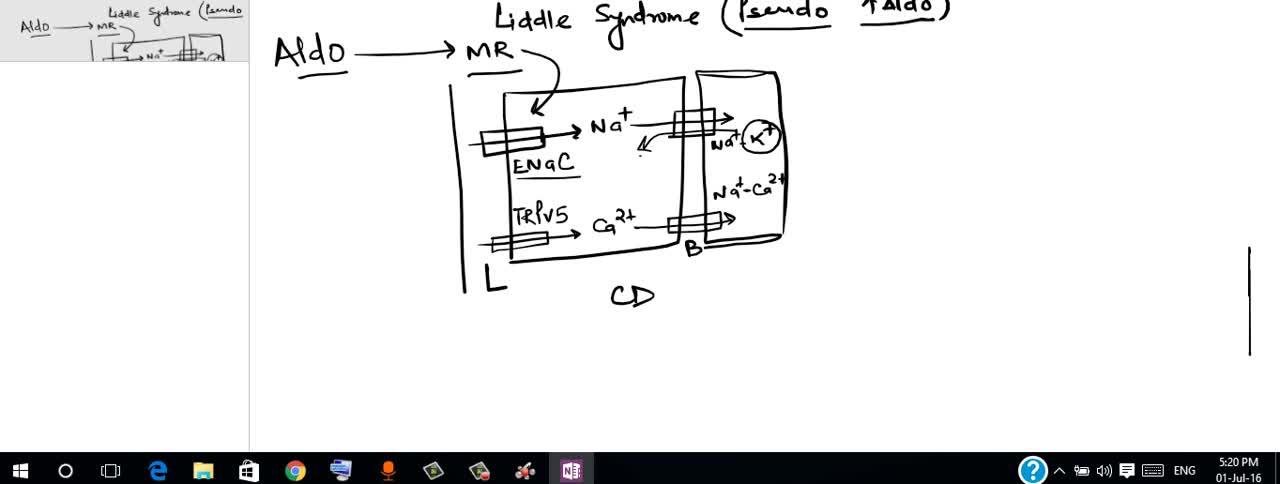
Liddle syndrome is an inherited form of high blood pressure (hypertension). This condition is characterized by severe hypertension that begins unusually early in life, often in childhood, although some affected individuals are not diagnosed until adulthood. Some people with Liddle syndrome have no additional signs or symptoms, especially in childhood. Over time, however, untreated hypertension can lead to heart disease or stroke, which may be fatal.

Acufene Orecchio Sinistro, Fischio Nelle Orecchie Dopo Discoteca, Rumore Nelle Orecchie Da Sdraiati---- http://acufeni-cura.plus101.com/ --- Che cos'è l'acufene? Ti svegli nel mezzo della notte sentendo strani rumori? Sì, può far paura, specialmente se non capisci da dove arrivano. Ora pensa che questi rumori vengono da dentro di te. La maggior parte delle persone rimarrebbe sbalordita di una simile affermazione. Molti di noi non sanno neanche che i nostri organi interni possono produrre rumore. Vediamo se hai effettivamente udito tali rumori oppure no, e se li hai uditi, da dove provengono. Innanzitutto, lasciati dire - si, li hai sentiti. No, non sono il risultato di una mente creativa che si è sognata tutto. Ma detto ciò è anche vero che non c'è una fonte da cui provengono tali rumori. Allora che cos'è? Confuso? E' un classico caso di acufene. Che cos'è l'acufene? Quello che hai vissuto la notte scorsa (o ti sei appena svegliato e hai acceso il computer) è un classico caso di acufene. Si tratta di un disturbo medico in cui la persona sente ogni tipo di strani scricchiolii, ronzii, brusii, fischi o sibili all'orecchio. Ciò che è così preoccupante di questa malattia è che non c'è una sorgente di tali rumori. A peggiorare il tutto è che nessun altro li sente. Francamente queste persone non possono essere biasimate. Se non puoi vedere da dove proviene il suono e continui a sentirlo ti riempi di agitazione. Nell'acufene i suoni uditi dalla persona sono di fatto percezioni. Visto che non c'è una fonte reale sono spesso definiti come "rumori fantasma". Ti aiuta sapere che circa l'8% della popolazione degli USA soffre di acufenis? Forse no, ma almeno sai che non sei l'unico a sentire questi strani rumori. Che cosa causa questi rumori? Sicuramente vuoi sapere perchè senti tali rumori. ma prima di conoscere questo dovresti sapere che l'acufene non è una malattia vera e propria. E' il sintomo di un problema dalla radice profonda da qualche parte nel tuo corpo. L'unico modo per sbarazzarsi per sempre degli acufeni è seguire un approccio di cura olistico. Utilizzando un trattamento multidimensionale per l'acufene, affrontiamo tutti i fattori che lo causano,eliminando alla radice questi elementi scatenanti. Questa è l'unica strada per ottenere una libertà definitiva dall'acufene. inserisci ora: http://acufeni-cura.plus101.com
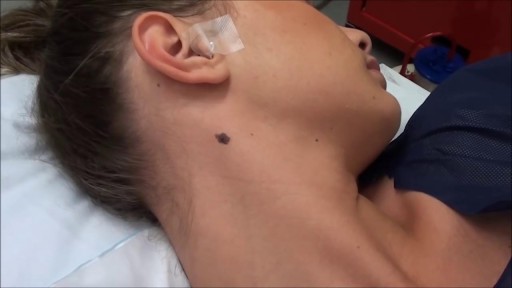
Most people develop several moles (nevi) throughout adulthood. Moles can be found anywhere on the body, usually in sun-exposed areas, and are usually brown, smooth, and slightly raised. In most cases, a nevus is benign and doesn't require treatment. Rarely, they turn into melanoma or other skin cancers. A nevus that changes shape, grows bigger, or darkens should be evaluated for removal.
