
- Physical Examination
- Surgical Examination
- Ophthalmology
- Clinical Skills
- Orthopedics
- Surgery Videos
- Laparoscopy
- Pediatrics
- Funny Videos
- Cardiothoracic Surgery
- Nursing Videos
- Plastic Surgery
- Otorhinolaryngology
- Histology and Histopathology
- Neurosurgery
- Dermatology
- Pediatric Surgery
- Urology
- Dentistry
- Oncology and Cancers
- Anatomy Videos
- Health and Fitness
- Radiology
- Anaesthesia
- Physical Therapy
- Pharmacology
- Interventional Radiology
- Cardiology
- Endocrinology
- Gynecology
- Emergency Medicine
- Psychiatry and Psychology
- Childbirth Videos
- General Medical Videos
- Nephrology
- Physiology
- Diet and Food Health
- Diabetes Mellitus
- Neurology
- Women Health
- Osteoporosis
- Gastroenterology
- Pulmonology
- Hematology
- Rheumatology
- Toxicology
- Nuclear Medicine
- Infectious Diseases
- Vascular Disease
- Reproductive Health
- Burns and Wound Healing
- Other
Top videos


Erectile dysfunction (ED) is the inability to get or keep an erection firm enough for sexual function. It’s a common sexual problem, affecting as many as 30 million men in the United States. Most cases of ED have a physical cause, such as heart disease, diabetes, and obesity. Lifestyle choices like smoking and drinking excessive amounts of alcohol can also lead to ED. But for some men, psychological issues are the root of the problem.
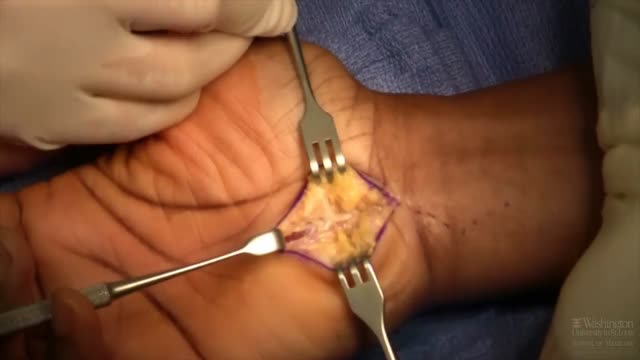
Carpal tunnel syndrome is a hand and arm condition that causes numbness, tingling and other symptoms. Carpal tunnel syndrome is caused by a pinched nerve in your wrist. A number of factors can contribute to carpal tunnel syndrome, including the anatomy of your wrist, certain underlying health problems and possibly patterns of hand use. Bound by bones and ligaments, the carpal tunnel is a narrow passageway located on the palm side of your wrist. This tunnel protects a main nerve to your hand and the nine tendons that bend your fingers. Compression of the nerve produces the numbness, tingling and, eventually, hand weakness that characterize carpal tunnel syndrome.

Body Mass Index (BMI) is a person's weight in kilograms divided by the square of height in meters. A high BMI can be an indicator of high body fatness. BMI can be used to screen for weight categories that may lead to health problems but it is not diagnostic of the body fatness or health of an individual.May 15, 2015
avara plastic surgery center in Cairo Egypt where you can have amazing excellent surgery with very competitive price and at the same time spend your marvelous vacation in charming red sea
مركز افارا لجراحات التجميل في مصر هو مركز متخصص في جراحة التجميل بكافة فروعها تصغير المؤخرة تصغير الارداف تنسيق القوام شد المؤخرة و جراحة الثدي تكبير الثدي تكبير الصدر تجميل الثدي تجميل الصدر شد الثدي شد الصدر تصغير الثدي تصغير الصدر رفع الثدي رفع الصدر شد الترهلات شد الجسم شد البطن شد الارداف شد المؤخرة رفع المؤخرة تجميل الانف تصغير الانف زراعة الشعر شد الجفون تجميل الجفن تجميل العين شد الوجة تجميل الاذن شفط الدهون شفط الشحوم بالليزر تصغير الساق نحت الجسم ازالة الشعر بالليزر علاج الهالات السوداء تجميل الوجة تجميل البشرة تجميل الجسم بدون جراحة حقن الدهون نفخ الوجة حقن السيايكون جقن الفيليرز حقن البوتكس علاج تجاعيد الوجة تقوية الشعر تكبير الخدود تكبير الشفايف

Future Technologies and Medical Advances That Will Change The World

Modified Milch method of relocating a dislocated shoulder
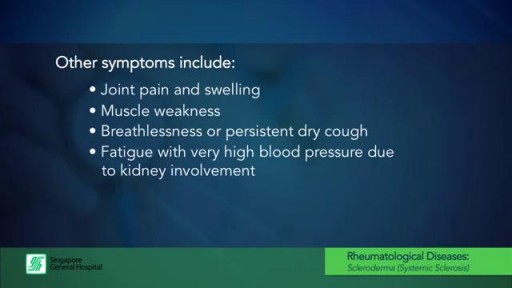
What is Scleroderma? (also known as Systemic Sclerosis)

Difference between first time and the second time getting flu shot

How to Stop Your Period
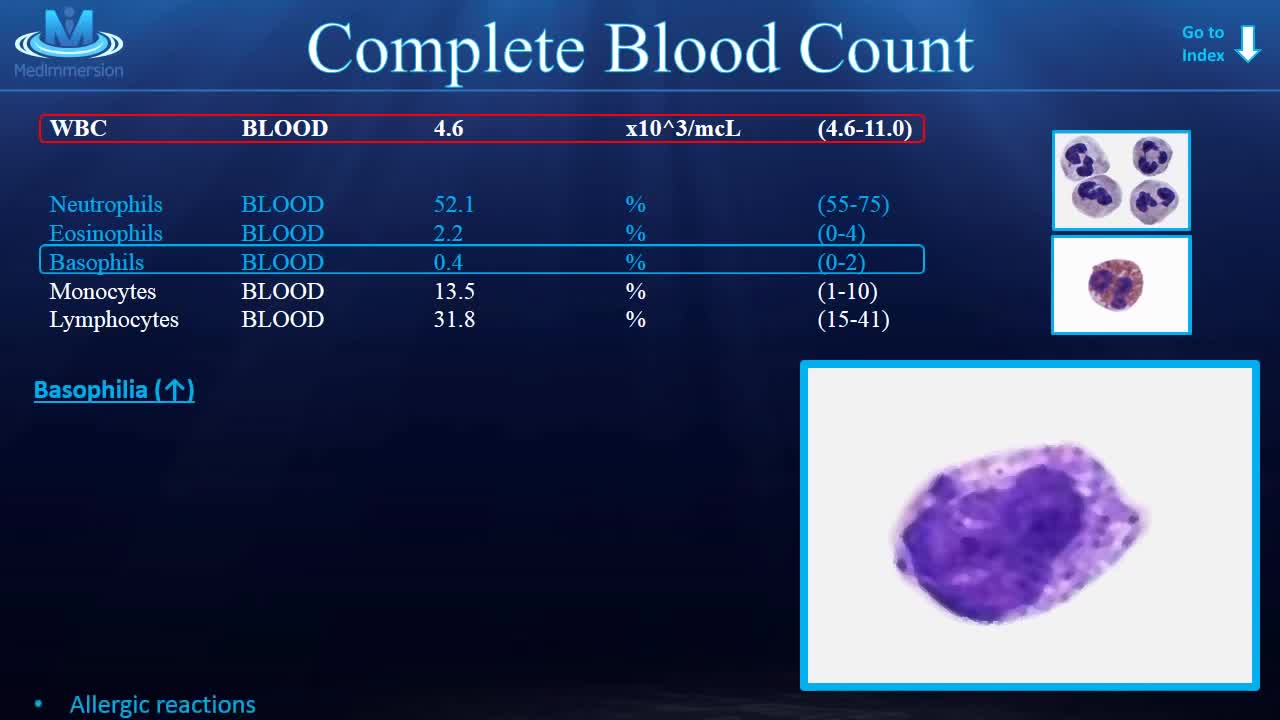
Learn the CBC once and for all!
Pulmonary fibrosis is a condition in which the tissue deep in your lungs becomes scarred over time. This tissue gets thick and stiff. That makes it hard for you to catch your breath, and your blood may not get enough oxygen. Causes of pulmonary fibrosis include environmental pollutants, some medicines, some connective tissue diseases, and interstitial lung disease. Interstitial lung disease is the name for a large group of diseases that inflame or scar the lungs. In most cases, the cause cannot be found. This is called idiopathic pulmonary fibrosis

Nasal polyps are soft, painless, noncancerous growths on the lining of your nasal passages or sinuses. They hang down like teardrops or grapes. They result from chronic inflammation due to asthma, recurring infection, allergies, drug sensitivity or certain immune disorders. Small nasal polyps may not cause symptoms. Larger growths or groups of nasal polyps can block your nasal passages or lead to breathing problems, a lost sense of smell and frequent infections. Nasal polyps can affect anyone, but they're more common in adults. Medications can often shrink or eliminate nasal polyps, but surgery is sometimes needed to remove them. Even after successful treatment, nasal polyps often return.
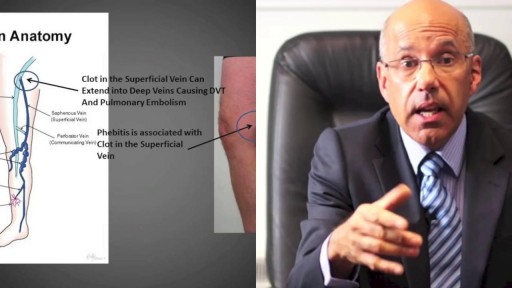
Phlebitis may occur with or without a blood clot. It can affect surface or deep veins. When caused by a blood clot, it's called thrombophlebitis. Trauma to the vein, for instance from an IV catheter, is a possible cause. Symptoms include redness, warmth, and pain in the affected area. Treatments may include a warm compress, anti-inflammatory medication, compression stockings, and blood thinners.
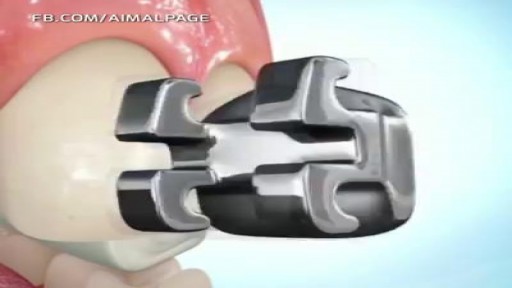
it takes about 1-2 hours. First, the orthodontist will thoroughly clean and dry your teeth. Next, he or she will apply the bonding glue to your teeth and...
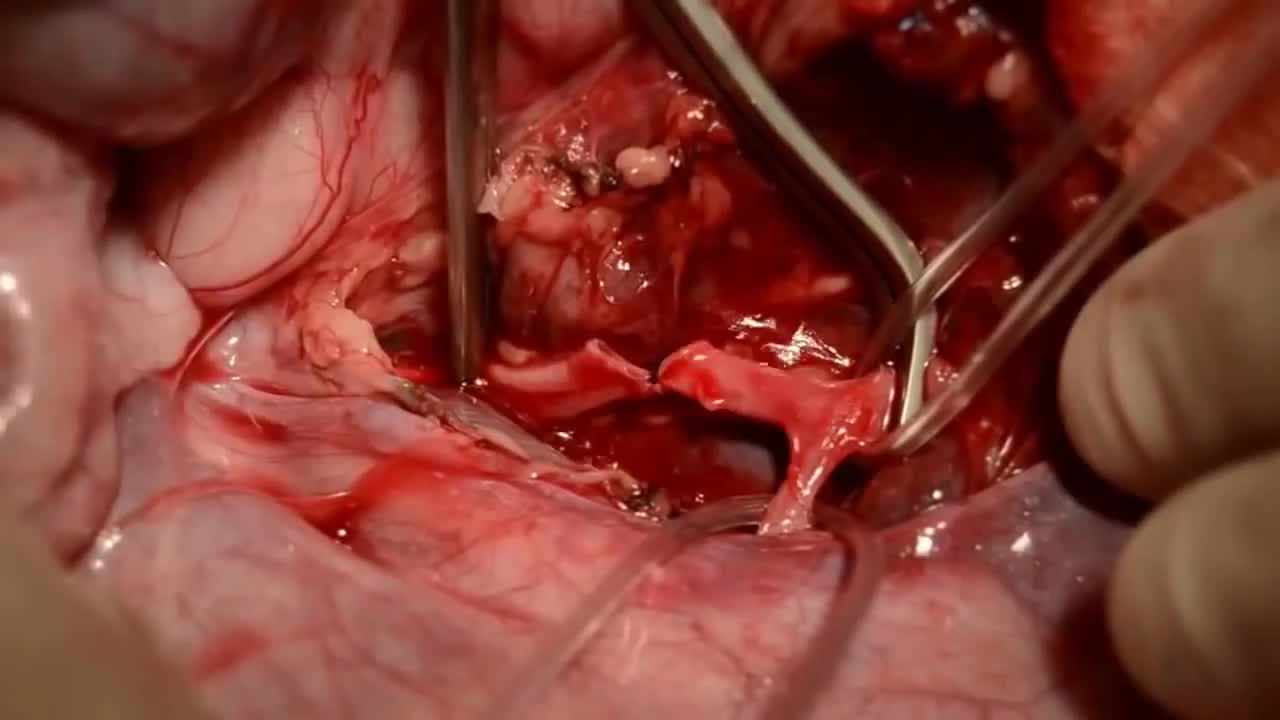
Throughout the body, there are several points at which blood vessels unite. The junctions are termed anastomoses. In the simplest sense, an anastomosis is any connection (made surgically or occurring naturally) between tube-like structures. Naturally occurring arterial anastomoses provide an alternative blood supply to target areas in cases where the primary arterial pathway is obstructed. They are most abundant in regions of the body where the blood supply may can be easily damaged or blocked (such as the joints or intestines). This article focuses on the arterial anastomotic networks of the upper limb.
Encourage your child to drink lots of fluids to prevent dehydration. Milk and water are both fine. However, if your child refuses solids, give your child just milk, rather than water. ... Keep giving your child table foods while he has diarrhea. Diarrhea is most often spread through fecally contaminated food, hands or surfaces touched by objects or hands put into the mouth (fecal-oral route).Water contaminated by human or animal feces (e.g., swimming pools) or trips to sites with animals (e.g., farms, pet stores, petting zoos) are also possible routes of ... The best foods for your child are easily digestible foods, such as rice cereal, pasta, breads, cooked beans, mashed potatoes, cooked carrots, applesauce, and bananas. Pretzels or salty crackers can help your child replace the salt lost from diarrhea. Foods containing large amounts of sugar or fat should be avoided.
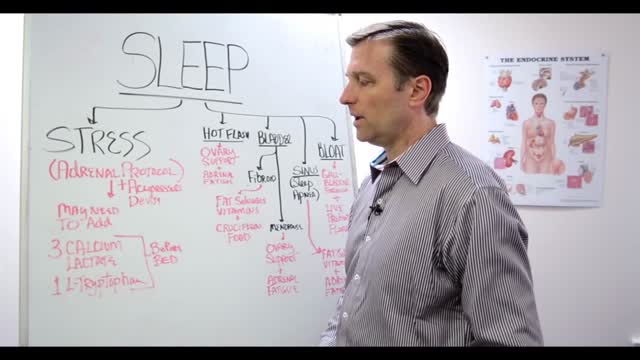
A sleep disorder, or somnipathy, is a medical disorder of the sleep patterns of a person or animal. Some sleep disorders are serious enough to interfere with normal physical, mental, social and emotional functioning. Polysomnography and actigraphy are tests commonly ordered for some sleep disorders.

Think you're supposed to tilt your head to the sky when you have a nosebleed? Not so fast. Follow these steps instead:

Exam- COPD Patient
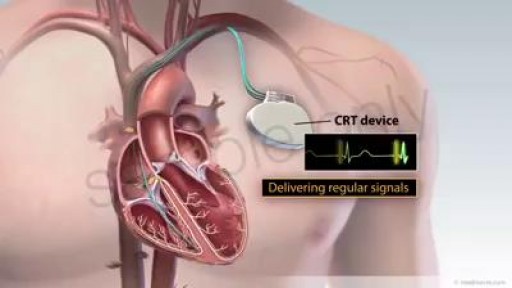
CRT is a clinically proven treatment option for some individuals with heart failure. A CRT device sends small electrical impulses to both lower chambers of the heart to help them beat together in a more synchronized pattern. This may improve the heart’s ability to pump blood and oxygen to your body. A CRT system is made up of two parts. The heart device, which is actually a tiny computer, plus a battery, contained in a small titanium metal case that is about the size of a pocket watch. Insulated wires, called leads, that are implanted to carry information signals from your heart to the heart device and to carry electrical impulses to your heart After the device system is implanted, an external computer, called a programmer, located at your doctor's office or clinic can be used to program the heart device and retrieve information from your heart device that will assist your doctor in your heart failure treatment. Your doctor will schedule periodic monitoring which may be done remotely if physician deems appropriate
