
- Physical Examination
- Surgical Examination
- Ophthalmology
- Clinical Skills
- Orthopedics
- Surgery Videos
- Laparoscopy
- Pediatrics
- Funny Videos
- Cardiothoracic Surgery
- Nursing Videos
- Plastic Surgery
- Otorhinolaryngology
- Histology and Histopathology
- Neurosurgery
- Dermatology
- Pediatric Surgery
- Urology
- Dentistry
- Oncology and Cancers
- Anatomy Videos
- Health and Fitness
- Radiology
- Anaesthesia
- Physical Therapy
- Pharmacology
- Interventional Radiology
- Cardiology
- Endocrinology
- Gynecology
- Emergency Medicine
- Psychiatry and Psychology
- Childbirth Videos
- General Medical Videos
- Nephrology
- Physiology
- Diet and Food Health
- Diabetes Mellitus
- Neurology
- Women Health
- Osteoporosis
- Gastroenterology
- Pulmonology
- Hematology
- Rheumatology
- Toxicology
- Nuclear Medicine
- Infectious Diseases
- Vascular Disease
- Reproductive Health
- Burns and Wound Healing
- Other
Top videos


One of the various variations of trabeculectomy...
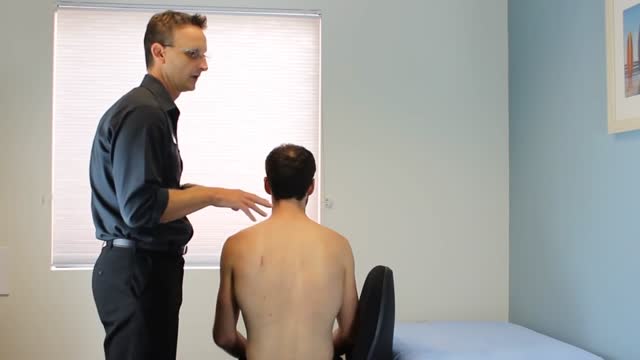
Rhomboid muscle strain and spasm causes upper back pain between the shoulder blades. Some patients describe the muscle spasms and discomfort as knots in the back. Early treatment is important to speed healing and recovery. Ice therapy for the first few days followed by moist heat can help relieve symptoms.Oct 12, 2015
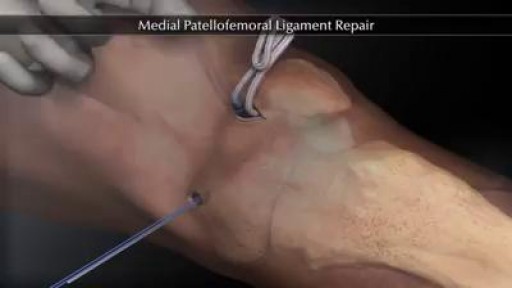
The medial patellofemoral ligament (MPFL) helps to keep the kneecap centered along the front of the knee, so that it tracks well during knee movements. MPFL injuries typically occur during a forceful traumatic kneecap dislocation. This injury is most common among young, active females. Depending on the severity of an MPFL injury, treatment may involve surgical reconstruction, followed by physical therapy. Physical therapists design treatment programs for individuals with MPFL injuries to help them gently restore their knee strength and function.

Teaching Phonics To Children, How To Teach Phonics And Reading, How To Read Better, Teach Kid Read--- http://children-learning-reading.good-info.co --- Teaching phonics to children - How to Teach Phonics and Reading, Teaching children to read by teaching phonics activities is a lot like doing math, where you have to know what the numbers are, how to count, and you need to learn to add and subtract before learning to multiply and divide. Teaching phonics to children is no different where you follow a step by step approach by first teaching the child the alphabet letters and phonics sounds, and then teaching them the combination of different letters to create different words, and using words to form sentences. It is a very logical and sequential buildup of phonics knowledge and reading ability. Before a child can learn to read, he or she must first learn the alphabet letters, and know the sounds represented by the letters. It's usually easier to teach some consonants and short vowels first before moving on to more complicated things such as consonant digraphs (2 consonants formed to produce one sound, such as "ch" or "ph") and long vowels. As you can see, teaching children to read by the phonics method helps them develop phonemic awareness, and it is also a very logical and straight forward approach. Start off by teaching your child the phonics sounds. You can choose to teach your child in alphabetic order going from A to Z, or you can teach several commonly used consonant sounds and vowels, and go from there. For example, you may start teaching your child /a/, /c/, and /t/ (slashes denote sound of the letters). Once your child has learn to quickly recognize these letters and properly sound out their sounds, you can then teach them to blend /c/, /a/, /t/ to make the words "cat", or "tac", or "at". As you introduce more letters and phonics sounds in your lesson plans, you can generate more words, and slowly introduce short, simple sentences to your reading lessons. Depending on the age of your child, I would suggest keeping the phonics lessons relatively short - around 5 to 10 minutes. Sometimes, just 3 to 5 minutes for a short lesson is plenty, and you can easily teach these short phonics lessons 2 or 3 times each day for a total of 10 to 15 minutes. >> Teach your child to read today using our step-by-step, proven method for teaching young children to read http://children-learning-reading.good-info.co
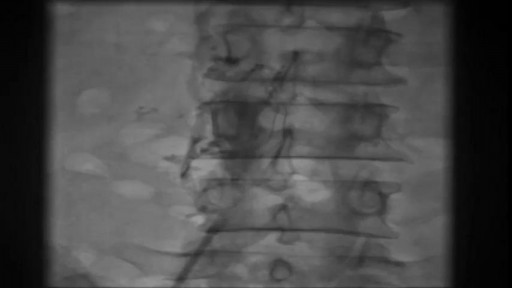
IVC filter is placed to prevent fatal Pulmonary Embolism due to Deep Venous Thrombosis (DVT). This particular patient had extensive DVT of Ilio-Femoral veins leading to massive swelling of left lower limb. The IVC filter was inserted via the Right Femoral Vein. This case was the first IVC filter placement of North Bengal and adjoining areas.
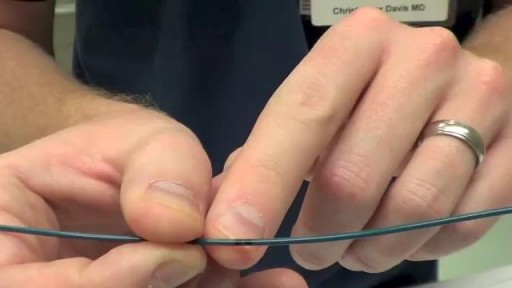
Transvenous cardiac pacing, also called endocardial pacing, is a potentially life saving intervention used primarily to correct profound bradycardia. It can be used to treat symptomatic bradycardias that do not respond to transcutaneous pacing or to drug therapy.
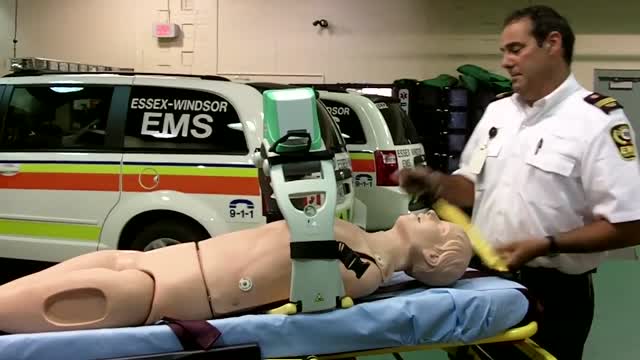
The AutoPulse® Resuscitation System provides high-quality automated CPR to victims of sudden cardiac arrest. Easy to use and battery operated, the AutoPulse squeezes the patient’s entire chest to improve blood flow to the heart and brain.1,2,3 The only device of its kind, the AutoPulse automatically sizes to the patient, and has shown improved outcomes in numerous clinical trials.4,5 Designed for Patient Movement and Transport When the AutoPulse’s stabilizing board is placed on a soft stretcher, rescuers can continue providing high-quality CPR down steep stairwells, around sharp corners, or even in a cramped elevator. Compared with manual CPR, the AutoPulse has been shown to reduce interruptions in compressions during transport by more than 85%.6 The AutoPulse is made for resuscitation on the move.

Stem Cell Hair Regrowth, Hair Regrowth Products For Men, Best Hair Regrowth Method--- http://hairlossblackbook.plus101.com/ --- How Can I Regrow My Hair? Hair recession or baldness is one topic that many would not like to discuss. But closing your eyes to the fact will not make it go away. If you really want to deal with the problem, you will need to face it head on and learn more about the why hair loss occurs and the various ways that you can use to deal with the problem. A deeper understanding will be your key to regrowing your hair and eliminating the fears associated with it. So, want to learn the real answer regarding the question of “how can I regrow my hair?” here are a few things you might want to understand a bit further first. Which type of hair loss are you experiencing? There are many factors that can promote hair loss and while male pattern baldness is indeed the most common reason, the problem is in no way exclusive to men only as there are other factors that can cause hair loss even on women. Some factors that can promote hair loss may include: Damage from too much perming, excessive coloring or bleaching. Severe emotional or mental stress Hormonal changes (in women) Traction alopecia Parasites Autoimmune diseases and others… Finding out exactly which of these problems you’re having will be detrimental to finding the right solution for your problem and will serve as an essential and necessary first step. There are many possible solutions that you can find to regrow your hair as well. The solutions can range from the simplest up to the most technologically advanced methods. Laser therapy, transplants, steroidal injections, Propecia, Minoxidil, etc. – you might already be familiar with some of these products or methods because you might have already tried one or two of them. The problem with this is the fact that not many of them can guarantee you full effects. Some even have damaging side effects that can further worsen the pain that you are feeling. But do not lose hope; there is still another avenue for hair regrowth that you might have missed – the natural route. There are actually many herbal and naturally developed products that have been known to work quite well for individuals experiencing hair loss and it might just be the answer to your question of “How can I Regrow my hair.” If you would like to know more about these types of products, one good guide you can get more information from can be found at http://hairlossblackbook.plus101.com/
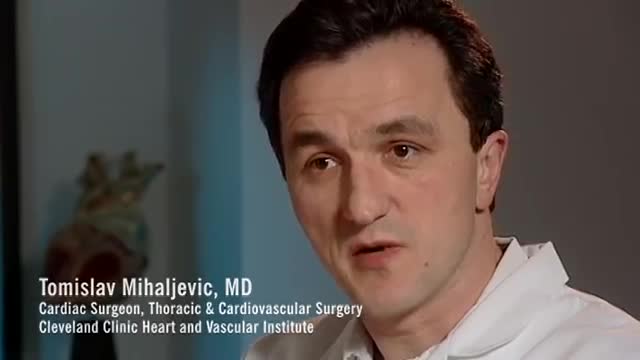
Mitral valve surgery is surgery to either repair or replace the mitral valve in your heart. Blood flows from the lungs and enters a pumping chamber of the heart called the left atrium. The blood then flows into the final pumping chamber of the heart called the left ventricle. The mitral valve is located between these two chambers. It makes sure that the blood keeps moving forward through the heart. You may need surgery on your mitral valve if: The mitral valve is hardened (calcified). This prevents blood from moving forward through the valve. The mitral valve is too loose. Blood tends to flows backward when this occurs. Minimally invasive mitral valve surgery is done through several small cuts. Another type of operation, open mitral valve surgery requires a larger cut.
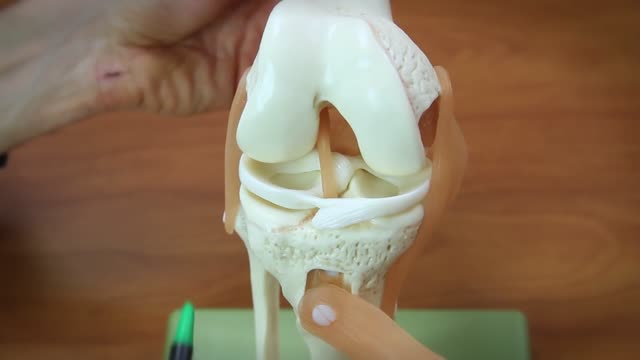
There are many factors that will determine how quickly, or completely you recover from your meniscal tear surgery. Key elements include your age, weight, and activity demands. The older you are, the heavier you are, the longer your recovery will be. The type of surgery you had will also impact upon your recovery. In some cases we only remove the torn piece — in general you will progress faster than someone who had sutures placed to repair the meniscus tear. Whether or not arthritis was found at the time of your meniscus surgery will also significantly influence your recovery from meniscus surgery. If you have arthritis then you are missing some or all of the cartilage on the ends of the bones. Knees with arthritis are prone to being more “cranky” during the recovery process. In those cases, a knee ice compression device can provide relief of pain/swelling. Many patients note they feel better wearing a compression sleeve during recovery. People with arthritis sometimes report improvement in their symptoms with supplements like Glucosamine, Curcumin, or Hyaluronic Acid which they believe (not proven) will smooth out the surface of the joint. Many try Tart Cherry juice because of its natural anti-inflammatory properties.. In the first few months following surgery, a knee compression sleeve does actually help many feel better. Some of the variables affecting your recovery from meniscus surgery are under your surgeon’s control. We can improve your immediate response after surgery with the use of various medications we inject within the knee before the surgery. We can also block a nerve on the side of your leg which will improve your pain for 18-24 hours after surgery. Many of you will purchase a ice compression sleeve to help minimize the pain after the surgery. In general, young, healthy active people with no evidence of osteoarthritis will experience a much more rapid recovery. Typically measured in days or a few weeks. Most people are off crutches in a day, and stop taking pain medicine within a day or two. In contrast, if you are a older, heavier and have arthritis as well as a meniscus tear, then you may take longer to recover — and may not experience a “full” recovery. This group can take weeks to months to improve. To ensure a good response to surgery, we also need to look at your health before surgery. Smoking leads to an increased infection rate and poorer healing. Diabetics with poor sugar control are at higher risk for infection and delays in healing as well. Obesity is a potential problem with anesthesia, the recovery from surgery and it may lead to more rapid progression of arthritis after surgery. The better shape you are in prior to surgery can influence your recovery.
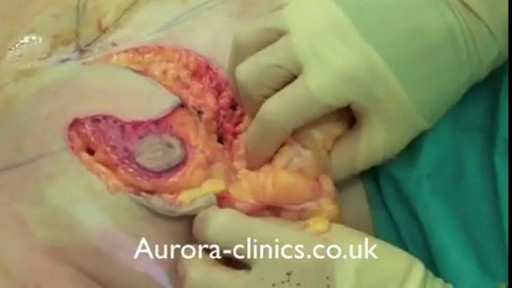
In this video, the 1st Breast Reduction Surgery had been performed 10 years ago which had resulted in asymmetry. In this breast reduction surgery the breast asymmetry was corrected and the large size of both areolas was addressed.
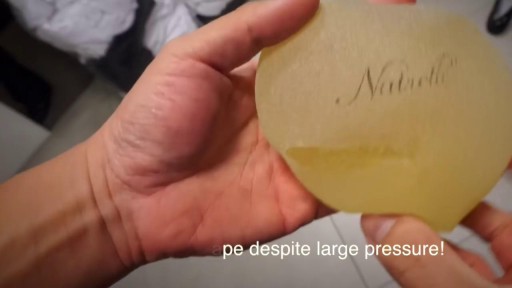
Stories of breast implants exploding onboard airplanes are untrue - Silicone implants today are remarkably safe, and even when ruptured, they have a remarkable ability to retain its shape.

An introduction to using the slitlamp microscope for looking at the eye. Covers the use and looking at anterior structures such as: lashes, conjunctiva, sclera, cornea, anterior chamber, iris, lens, and vitreous.
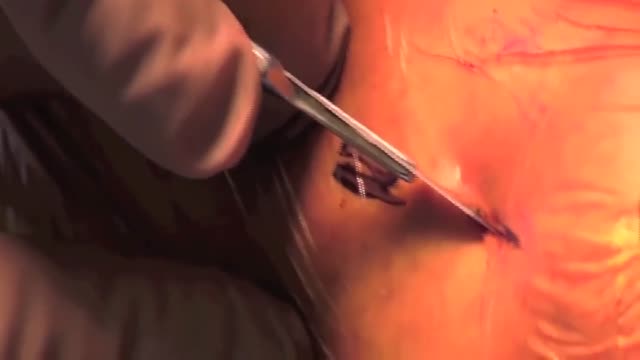
Removal of a Broken Intramedullary Nail and Exchange Nailing for Tibial Nonunion
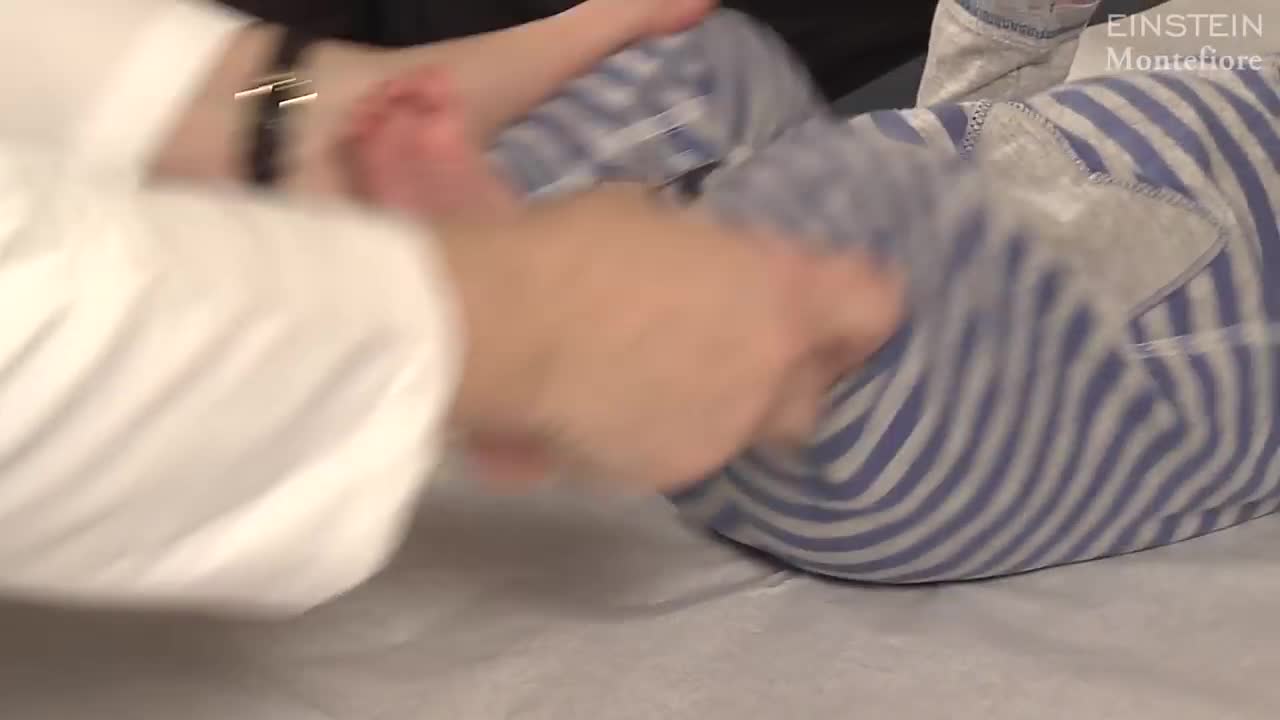
the motor milestones expected in typically developing babies, from head control to walking and what pediatricians look for during a well-baby visit. She also explains the specific types of motor control a baby must master before the next milestone can be achieved
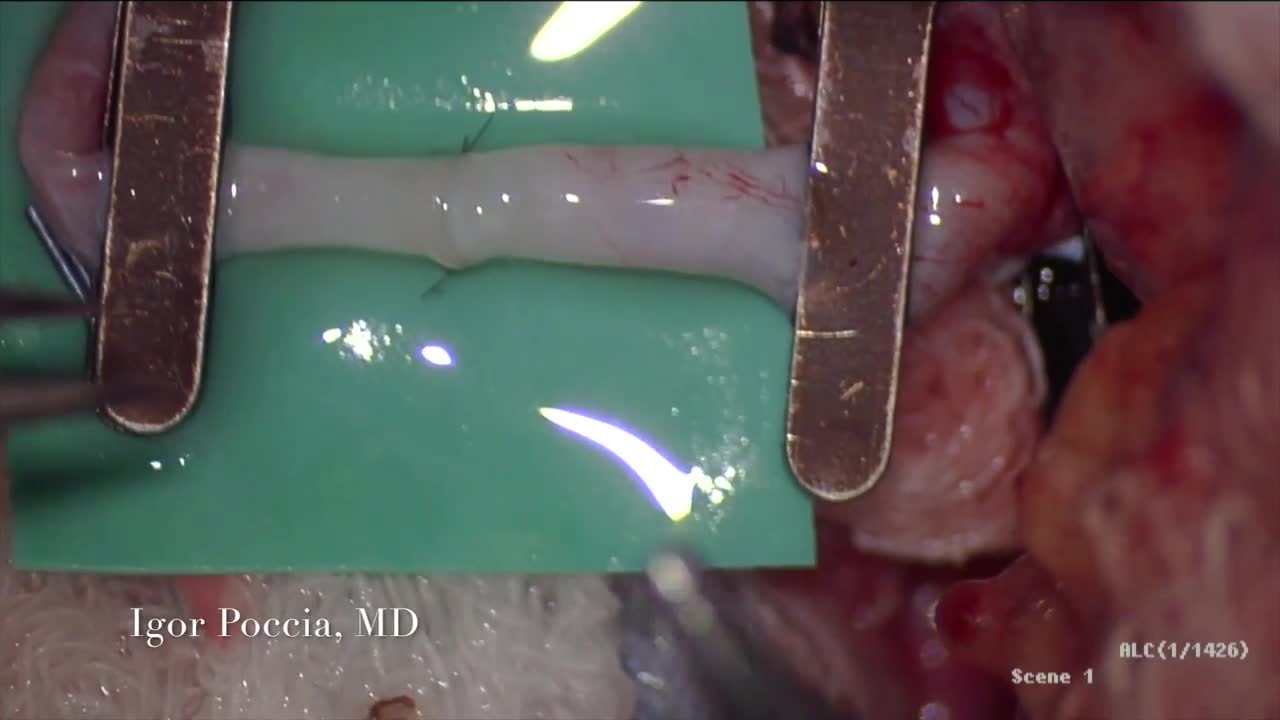
A circulatory anastomosis is a connection (an anastomosis) between two blood vessels, such as between arteries (arterio-arterial anastomosis), between veins (veno-venous anastomosis) or between an artery and a vein (arterio-venous anastomosis). An end artery (or terminal artery) is an artery that is the only supply of oxygenated blood to a portion of tissue. Examples of an end artery include the splenic artery that supplies the spleen and the renal artery that supplies the kidneys.

Retro-sigmoid craniotomy (often called "keyhole" craniotomy) is a minimally-invasive surgical procedure performed to remove brain tumors. This procedure allows for the removal of skull base tumors through a small incision behind the ear, providing access to the cerebellum and brainstem. Neurosurgeons may use this approach to reach certain tumors, such as meningiomas and acoustic neuromas (vestibular schwannomas).
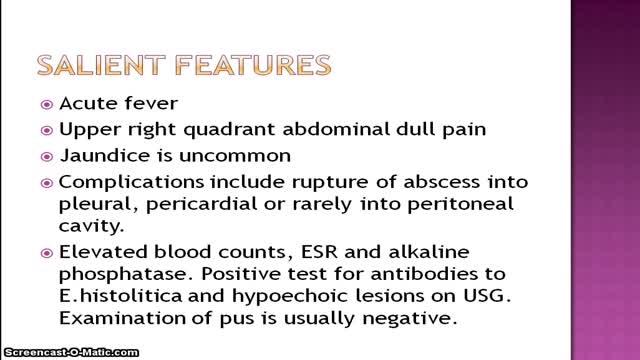
Bacterial abscess of the liver is relatively rare; however, it has been described since the time of Hippocrates (400 BCE), with the first published review by Bright appearing in 1936. In 1938, Ochsner's classic review heralded surgical drainage as the definitive therapy; however, despite the more aggressive approach to treatment, the mortality remained at 60-80%.[1] The development of new radiologic techniques, the improvement in microbiologic identification, and the advancement of drainage techniques, as well as improved supportive care, have reduced mortality to 5-30%; yet, the prevalence of liver abscess has remained relatively unchanged. Untreated, this infection remains uniformly fatal. The three major forms of liver abscess, classified by etiology, are as follows: Pyogenic abscess, which is most often polymicrobial, accounts for 80% of hepatic abscess cases in the United States Amebic abscess due to Entamoeba histolytica accounts for 10% of cases [2] Fungal abscess, most often due to Candida species, accounts for fewer than 10% of cases
There can be a number of psychological triggers that cause nightmares in adults. For example, anxiety and depression can cause adult nightmares. Post-traumatic stress disorder (PTSD) also commonly causes people to experience chronic, recurrent nightmares. Nightmares in adults can be caused by certain sleep disorders
Primary spontaneous pneumothorax is an abnormal accumulation of air in the space between the lungs and the chest cavity (called the pleural space) that can result in the partial or complete collapse of a lung. This type of pneumothorax is described as primary because it occurs in the absence of lung disease such as emphysema. Spontaneous means the pneumothorax was not caused by an injury such as a rib fracture. Primary spontaneous pneumothorax is likely due to the formation of small sacs of air (blebs) in lung tissue that rupture, causing air to leak into the pleural space. Air in the pleural space creates pressure on the lung and can lead to its collapse. A person with this condition may feel chest pain on the side of the collapsed lung and shortness of breath.
