
- Physical Examination
- Surgical Examination
- Ophthalmology
- Clinical Skills
- Orthopedics
- Surgery Videos
- Laparoscopy
- Pediatrics
- Funny Videos
- Cardiothoracic Surgery
- Nursing Videos
- Plastic Surgery
- Otorhinolaryngology
- Histology and Histopathology
- Neurosurgery
- Dermatology
- Pediatric Surgery
- Urology
- Dentistry
- Oncology and Cancers
- Anatomy Videos
- Health and Fitness
- Radiology
- Anaesthesia
- Physical Therapy
- Pharmacology
- Interventional Radiology
- Cardiology
- Endocrinology
- Gynecology
- Emergency Medicine
- Psychiatry and Psychology
- Childbirth Videos
- General Medical Videos
- Nephrology
- Physiology
- Diet and Food Health
- Diabetes Mellitus
- Neurology
- Women Health
- Osteoporosis
- Gastroenterology
- Pulmonology
- Hematology
- Rheumatology
- Toxicology
- Nuclear Medicine
- Infectious Diseases
- Vascular Disease
- Reproductive Health
- Burns and Wound Healing
- Other
Top videos
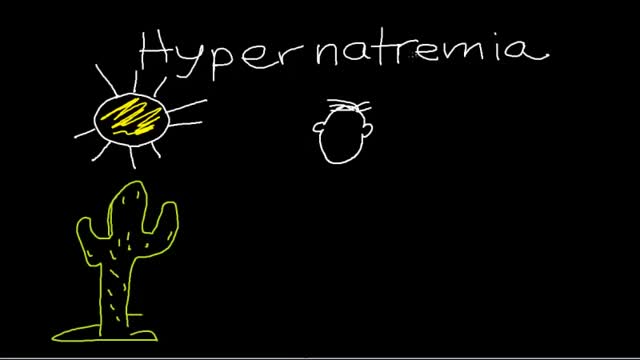

Sodium levels are tightly controlled in a healthy individual by regulation of urine concentration and an intact thirst mechanism. Hypernatremia (defined as a serum sodium level >145 mEq/L) is rare in patients with preserved thirst mechanism. When hypernatremia does occur, it is associated with a high mortality rate (>50% in most studies). Given this high mortality rate, the emergency physician must be able to recognize and treat this condition. This article discusses the patients in whom hypernatremia should be suspected and how to initiate workup and administer appropriate treatment. In general, hypernatremia can be caused by derangement of the thirst response or altered behavioral response thereto (primarily psychiatric patients, and elderly patients who are institutionalized), impaired renal concentrating mechanism (diabetes insipidus [DI]) secondary to kidney pathology (nephrogenic DI) or difficulty with the neurohormonal control of this concentrating mechanism (central DI), or by losses of free water from other sources.

10 YOUNGEST Moms Of All Time
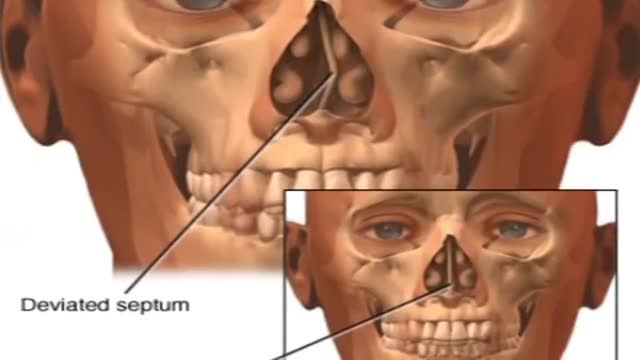
Nosebleeds are common. Most often they are a nuisance and not a true medical problem. But they can be both. Nosebleed care Sit upright and lean forward. By remaining upright, you reduce blood pressure in the veins of your nose. This discourages further bleeding. Sitting forward will help you avoid swallowing blood, which can irritate your stomach. Pinch your nose. Use your thumb and index finger to pinch your nostrils shut. Breathe through your mouth. Continue to pinch for five to 10 minutes. Pinching sends pressure to the bleeding point on the nasal septum and often stops the flow of blood. To prevent re-bleeding, don't pick or blow your nose and don't bend down for several hours after the bleeding episode. During this time remember to keep your head higher than the level of your heart. If re-bleeding occurs, blow out forcefully to clear your nose of blood clots and spray both sides of your nose with a decongestant nasal spray containing oxymetazoline (Afrin, Mucinex Moisture Smart, others). Pinch your nose again as described above and call your doctor. When to seek emergency care The bleeding lasts for more than 20 minutes The nosebleed follows an accident, a fall or an injury to your head, including a punch in the face that may have broken your nose
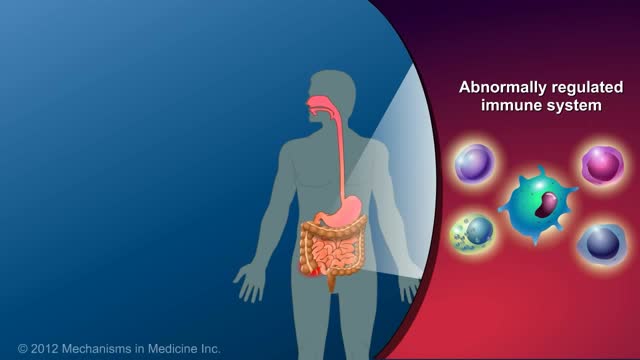
Crohn's disease is an inflammatory bowel disease (IBD). It causes inflammation of the lining of your digestive tract, which can lead to abdominal pain, severe diarrhea, fatigue, weight loss and malnutrition. Inflammation caused by Crohn's disease can involve different areas of the digestive tract in different people. The inflammation caused by Crohn's disease often spreads deep into the layers of affected bowel tissue. Crohn's disease can be both painful and debilitating, and sometimes may lead to life-threatening complications. While there's no known cure for Crohn's disease, therapies can greatly reduce its signs and symptoms and even bring about long-term remission. With treatment, many people with Crohn's disease are able to function well.
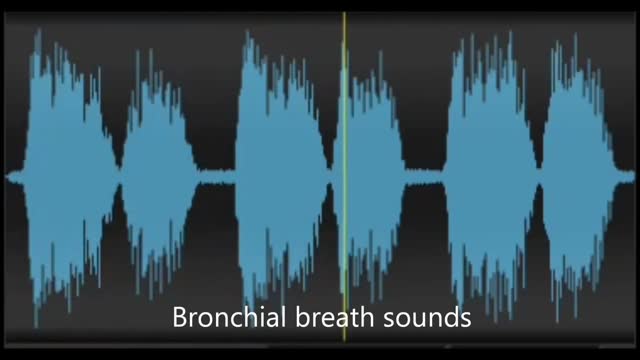
Physiological & pathological breath sounds
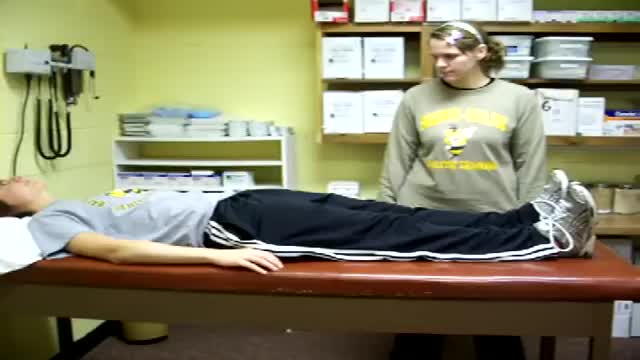
Hoover's sign of leg paresis is one of two signs named for Charles Franklin Hoover. It is a maneuver aimed to separate organic from non-organic paresis of the leg. The sign relies on the principle of synergistic contraction. ... Feeling this would indicate an organic cause of the paresis.
If you and your partner are struggling to have a baby, you're not alone. Ten to 15 percent of couples in the United States are infertile. Infertility is defined as not being able to get pregnant despite having frequent, unprotected sex for at least a year for most couples. Infertility may result from an issue with either you or your partner, or a combination of factors that interfere with pregnancy. Fortunately, there are many safe and effective therapies that significantly improve your chances of getting pregnant
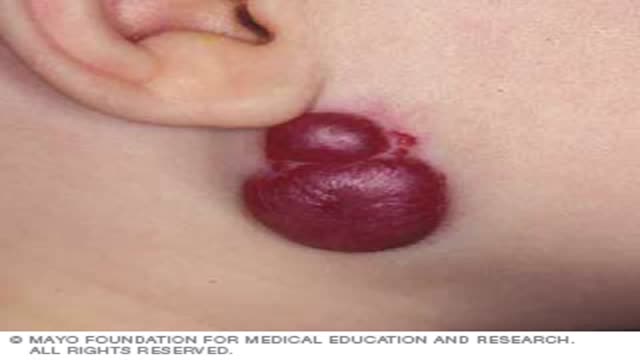
Infantile hemangiomas are benign vascular neoplasms that have a characteristic clinical course marked by early proliferation and followed by spontaneous involution. Hemangiomas are the most common tumors of infancy and usually are medically insignificant. See the image below
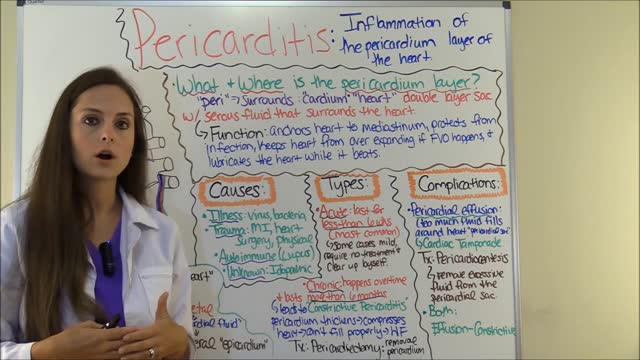
Pericarditis is an inflammation of the lining surrounding the heart (the pericardial sac). Pericardial effusion is a collection of fluid in the pericardial sac. This fluid may be produced by inflammation. The cause of pericarditis in most individuals is unknown but is likely due to viral infection.
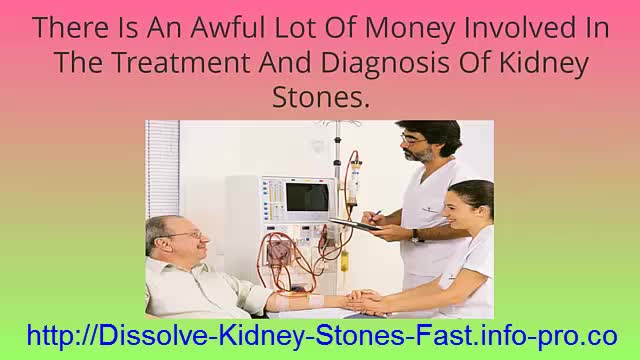
http://dissolve-kidney-stones-fast.info-pro.co/ No-one knows better than me the physical pain and heartache that’s caused by kidney stones. and for many years I was a fellow sufferer of this nasty affliction. I know that many of you are experiencing an attack right now. Let me tell you -I’ve been there lots of times myself. I know what it’s like: the shooting abdominal pain that can last for hours, the nausea, the burning sensation and the constant water infections. Even when you get some temporary relief, you can never really relax. You’re always looking over your shoulder, waiting for those tell tale signs which signify another kidney stone attack on the horizon. You want to just get on with your life. But you can’t. If you’re anything like I was, you’d do anything for a cure. I decided to utilise my research skills to get to the bottom of the problem. This led me on a mission to find a safe, natural and effective method of defeating kidney stones. The good news: I found it. You too can share in this discovery and rid yourself of kidney stones – the natural way. natural remedy brings instant relief finally a permanent cure for kidney stones. click here. http://dissolve-kidney-stones-fast.info-pro.co/
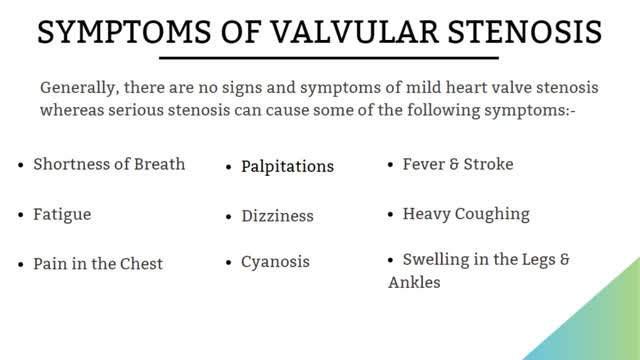
Valvular stenosis occurs when one or more heart valves are narrowed, stiffened, thickened or blocked. A variety of treatment options are available for this disorder. Learn more about the treatments on: bit.ly/2g6Mh8f
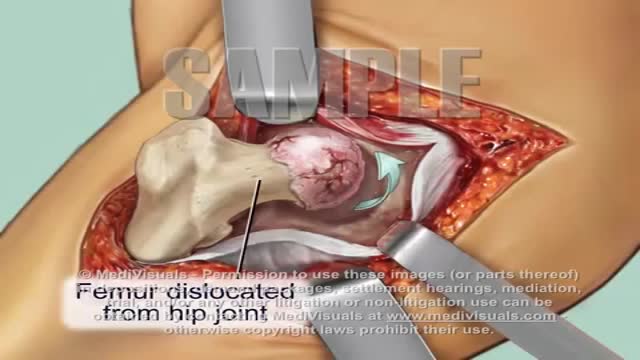
Whether you have just begun exploring treatment options or have already decided to undergo hip replacement surgery, this information will help you understand the benefits and limitations of total hip replacement. This article describes how a normal hip works, the causes of hip pain, what to expect from hip replacement surgery, and what exercises and activities will help restore your mobility and strength, and enable you to return to everyday activities. If your hip has been damaged by arthritis, a fracture, or other conditions, common activities such as walking or getting in and out of a chair may be painful and difficult. Your hip may be stiff, and it may be hard to put on your shoes and socks. You may even feel uncomfortable while resting. If medications, changes in your everyday activities, and the use of walking supports do not adequately help your symptoms, you may consider hip replacement surgery. Hip replacement surgery is a safe and effective procedure that can relieve your pain, increase motion, and help you get back to enjoying normal, everyday activities. First performed in 1960, hip replacement surgery is one of the most successful operations in all of medicine. Since 1960, improvements in joint replacement surgical techniques and technology have greatly increased the effectiveness of total hip replacement. According to the Agency for Healthcare Research and Quality, more than 300,000 total hip replacements are performed each year in the United States.
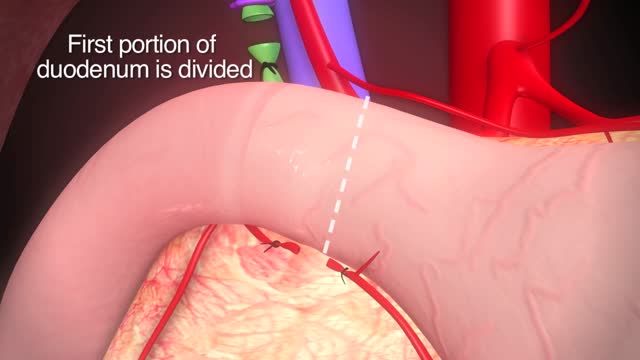
Our specialists treat conditions that are recurrent and hard to treat. Simply put, TPIAT a procedure that lets surgeons remove the pancreas, take out islet cells – the cells in the pancreas that make insulin – and put those islet cells into the liver. Patients then take pancreatic enzymes to help them digest food.
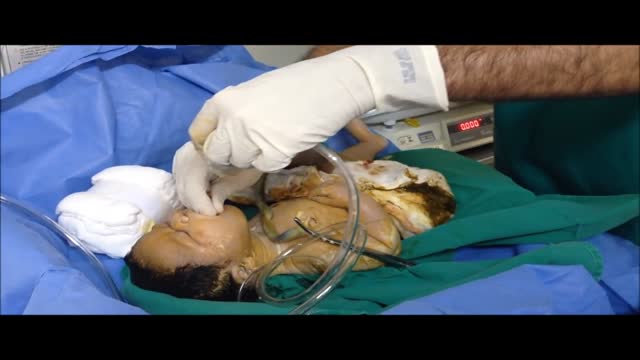
The following guidelines are an interpretation of the evidence presented in the 2010 International Consensus on Cardiopulmonary Resuscitation and Emergency Cardiovascular Care Science With Treatment Recommendations1). They apply primarily to newly born infants undergoing transition from intrauterine to extrauterine life, but the recommendations are also applicable to neonates who have completed perinatal transition and require resuscitation during the first few weeks to months following birth. Practitioners who resuscitate infants at birth or at any time during the initial hospital admission should consider following these guidelines. For the purposes of these guidelines, the terms newborn and neonate are intended to apply to any infant during the initial hospitalization. The term newly born is intended to apply specifically to an infant at the time of birth.
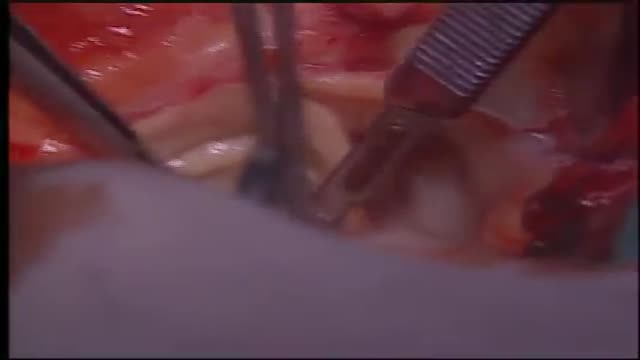
Surgery to replace an aortic valve is done for aortic valve stenosis and aortic valve regurgitation. During this surgery, the damaged valve is removed and replaced with an artificial valve. The valve replacement is typically an open-heart surgery.
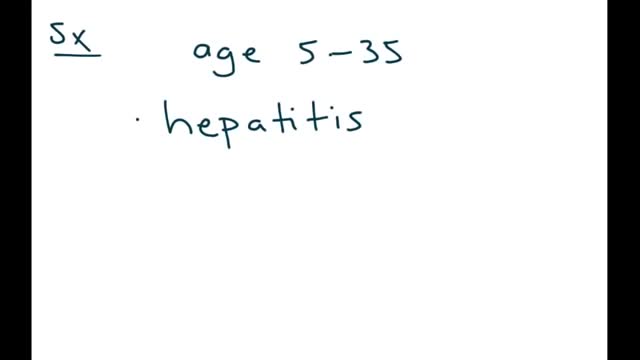
Wilson's disease is a rare inherited disorder that causes too much copper to accumulate in your liver, brain and other vital organs. Symptoms typically begin between the ages of 12 and 23. Copper plays a key role in the development of healthy nerves, bones, collagen and the skin pigment melanin. Normally, copper is absorbed from your food, and any excess is excreted through bile — a substance produced in your liver.

Migraine headaches are recurrent throbbing or pulsatile headaches often associated with a prodrome, nausea, vomiting, photophobia, and phonophobia. When they occur, the prodromes are characterized by visual scintillations, scotomas, dizziness, or tinnitus

Developmental Delay at Age 3 | Child Development

St. John's wort (Hypericum perforatum) is an over-the-counter herbal supplement used for its antidepressant, anti-inflammatory, and wound-healing properties. Although it has been prescribed in Europe for mild to moderate depression, negative clinical trials and multiple reports of adverse drug interactions have raised concern about its use. St. John's wort induces various P450 isozymes (CYP 1A2, 2C19, 2C9, and 3A4) and P-glycoprotein systems. Drug interactions with the herbal product can lead to treatment failures with many medications, including hormonal contraceptives, antiretrovirals, immunosuppressive agents, narcotics, anticoagulants, and antifungals. There is also a risk for serotonin syndrome when St. John's wort is used in combination with other serotonergic antidepressants. The lack of strict regulation of herbal products that results in variable quality and content (unknown toxic ingredients or inactive ingredients) is also a concern.

Meet Toby, the baby who was born premature at 24 weeks. He may be small, but he's definitely a fighter! Share his story
