
- Physical Examination
- Surgical Examination
- Ophthalmology
- Clinical Skills
- Orthopedics
- Surgery Videos
- Laparoscopy
- Pediatrics
- Funny Videos
- Cardiothoracic Surgery
- Nursing Videos
- Plastic Surgery
- Otorhinolaryngology
- Histology and Histopathology
- Neurosurgery
- Dermatology
- Pediatric Surgery
- Urology
- Dentistry
- Oncology and Cancers
- Anatomy Videos
- Health and Fitness
- Radiology
- Anaesthesia
- Physical Therapy
- Pharmacology
- Interventional Radiology
- Cardiology
- Endocrinology
- Gynecology
- Emergency Medicine
- Psychiatry and Psychology
- Childbirth Videos
- General Medical Videos
- Nephrology
- Physiology
- Diet and Food Health
- Diabetes Mellitus
- Neurology
- Women Health
- Osteoporosis
- Gastroenterology
- Pulmonology
- Hematology
- Rheumatology
- Toxicology
- Nuclear Medicine
- Infectious Diseases
- Vascular Disease
- Reproductive Health
- Burns and Wound Healing
- Other
Top videos
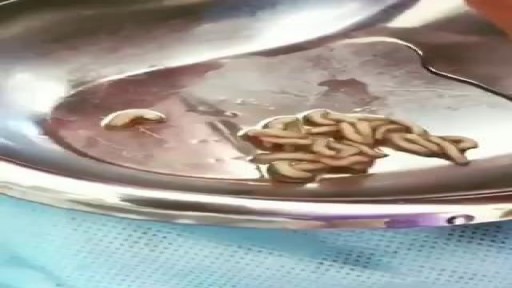

why you should keep your ears clean.

Bell's palsy is a form of temporary facial paralysis resulting from damage or trauma to the facial nerves. The facial nerve-also called the 7th cranial nerve-travels through a narrow, bony canal (called the Fallopian canal) in the skull, beneath the ear, to the muscles on each side of the face. For most of its journey, the nerve is encased in this bony shell. Each facial nerve directs the muscles on one side of the face, including those that control eye blinking and closing, and facial expressions such as smiling and frowning. Additionally, the facial nerve carries nerve impulses to the lacrimal or tear glands, the saliva glands, and the muscles of a small bone in the middle of the ear called the stapes. The facial nerve also transmits taste sensations from the tongue. When Bell's palsy occurs, the function of the facial nerve is disrupted, causing an interruption in the messages the brain sends to the facial muscles. This interruption results in facial weakness or paralysis. Bell's palsy is named for Sir Charles Bell, a 19th century Scottish surgeon who described the facial nerve and its connection to the condition. The disorder, which is not related to stroke, is the most common cause of facial paralysis. Generally, Bell's palsy affects only one of the paired facial nerves and one side of the face, however, in rare cases, it can affect both sides.

It may be reassuring to know spotting or bleeding after sex is common and can come from the vagina, cervix, or urinary tract. It occurs most commonly in women 20 to 40 years old. Cervical Cancer: A very rare cause of spotting. ... Vaginal Dryness: Often caused by inadequate foreplay or vaginal lubrication.

You can decrease your risk of getting Lyme disease with some simple precautions: Cover up. ... Use insect repellents. ... Do your best to tick-proof your yard. ... Check yourself, your children and your pets for ticks. ... Don't assume you're immune. ... Remove a tick as soon as possible with tweezers.
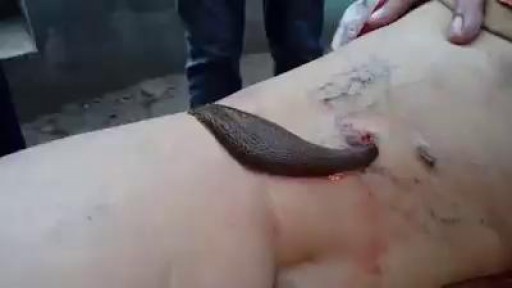
Leech therapy is the use of leeches in the treatment of disease conditions. Medicinal leeches are bloodsucking worms that they live in both aquatic and terrestrial environments.

Chronic myeloid leukaemia is a common malignancy worldwide. We have come a long way from the limited treatment options and survival in this condition. Today, CML is a treatable malignancy with more than 80% patients surviving beyond 10 years after diagnosis, in absence of complications. This presentation deals with the definition, diagnostic criteria of chronic phase, accelerated and blastic phase (MD Anderson cancer centre, International bone marrow transplant registry and the WHO for the latter two) and management (first and second generation tyrosine kinase inhibitors) of this condition. Finally, a stepwise approach to chronic myeloid leukaemia is also presented including the definitive modality of treatment, allogeneic stem cell transplantation.

Removal of spinal cord tumor (meningioma): Spine Tumor Surgery
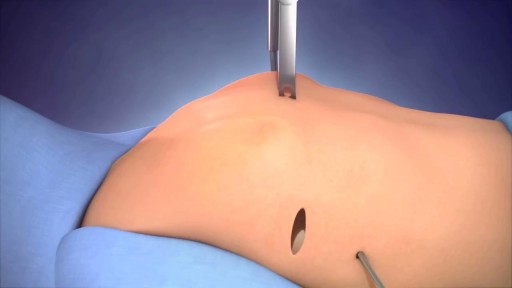
Surgical Repair of Pectus Excavatum. Pectus excavatum is a condition in which a person's breastbone is sunken into his or her chest.

Spina bifida is a condition that affects the spine and is usually apparent at birth. It is a type of neural tube defect (NTD). Spina bifida can happen anywhere along the spine if the neural tube does not close all the way. When the neural tube doesn’t close all the way, the backbone that protects the spinal cord doesn’t form and close as it should. This often results in damage to the spinal cord and nerves. Spina bifida might cause physical and intellectual disabilities that range from mild to severe. The severity depends on: The size and location of the opening in the spine. Whether part of the spinal cord and nerves are affected.

Instead, try these natural solutions and lifestyle changes, which may help you stop snoring. Change Your Sleep Position. ... Lose Weight. ... Avoid Alcohol. ... Practice Good Sleep Hygiene. ... Open Nasal Passages. ... Change Your Pillows. ... Stay Well Hydrated.

http://vitiligo-home-remedies.plus101.com ---- white spots on skin, small white spots on face, what causes white spots on skin, vitiligo. The Link Between Vitiligo and Auto Immune Disorders. If you suffer with Vitiligo, a condition that strips your skin of its natural pigment or coloring, the odds are good that you are also battling some sort of autoimmune disorder. It took years for doctors to connect the two disorders, but recent research shows that at least 20 percent of Vitiligo suffers also get autoimmune thyroid disease, and that's juts the beginning. Many more suffer a multitude of other disorders. Until recently, the link between the Vitiligo and autoimmune problems were not clear. Doctors seemed to see a link, but nothing substantial could be proven. Until now. In march 2013, The National Institute's of Health's National Institute of Arthritis and Musculoskeletal and Skin Diseases (NIAMS) announced an amazing discovery: a connection between a specific gene named NALP1, Vitiligo and a host of autoimmune diseases including thyroid disease, pernicious anemia, rheumatoid arthritis, lupus and Addison's Disease. According to lead researcher, Richard Spritz M.D., the discovery of this gene may make newer, more effective Vitiligo treatments possible within the next few years. But that's not all. It will also be able to help treat certain auto immune disorders. By finding ways to block the inflammatory response of the NALP1 gene, doctors may some day be able to cure certain autoimmune disorders. A long-term solution for vitiligo should address the internal causes of vitiligo by tackling all vitiligo contributing factors. Only by controlling the nutritional, hormonal, psychological and environmental triggers of vitiligo, using a multidimensional and holistic approach to healing you can reverse the "internal vitiligo environment"- the only, safe, natural and effective way you could ever achieve lasting vitiligo freedom. More Info: http://vitiligo-home-remedies.plus101.com
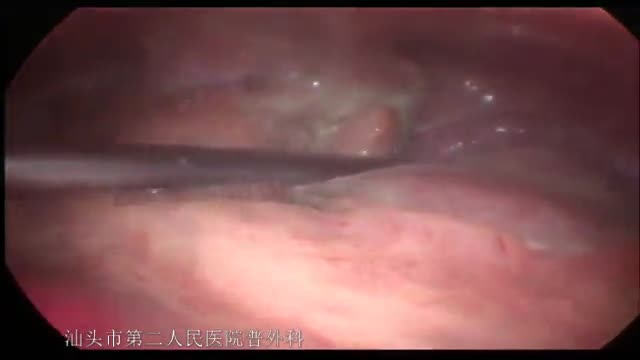
急性坏疽性阑尾炎的手术治疗
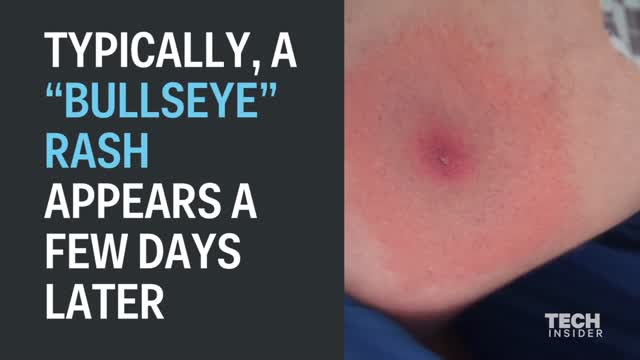
Lyme disease is a bacterial infection primarily transmitted by Ixodes ticks, also known as deer ticks, and on the West Coast, black-legged ticks. These tiny arachnids are typically found in wooded and grassy areas. Although people may think of Lyme as an East Coast disease, it is found throughout the United States, as well as in more than sixty other countries. The Centers for Disease Control and Prevention estimate that 300,000 people are diagnosed with Lyme disease in the US every year. That’s 1.5 times the number of women diagnosed with breast cancer, and six times the number of people diagnosed with HIV/AIDS each year in the US. However, because diagnosing Lyme can be difficult, many people who actually have Lyme may be misdiagnosed with other conditions. Many experts believe the true number of cases is much higher. Lyme disease affects people of all ages. The CDC notes that it is most common in children, older adults, and others such as firefighters and park rangers who spend time in outdoor activities and have higher exposure to ticks. LymeDisease.org has developed a Lyme disease symptom checklist to help you document your exposure to Lyme disease and common symptoms for your healthcare provider. You will receive a report that you can print out and take with you to your next doctor’s appointment.

How to Get Rid of Acne Overnight
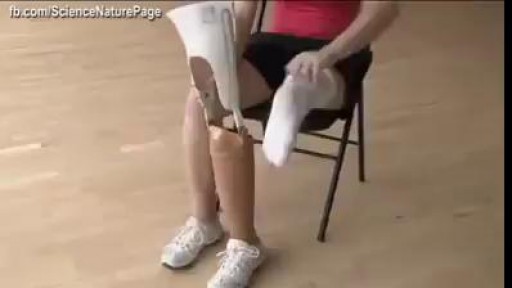
This surgical procedure helps children defeat bone cancer.
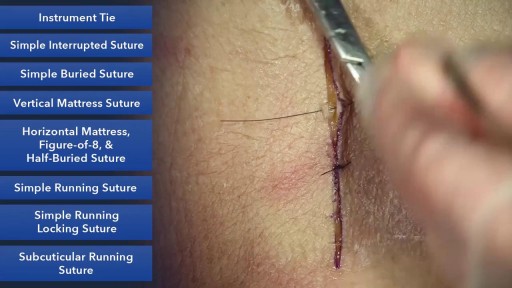

Types of Spinal Cord Injuries 1) Anterior cord syndrome 2) Central cord syndrome 3) Brown-Sequard syndrome 4) Tetraplegia 5) Paraplegia 6) Triplegia

Prevent Stretch Marks During Pregnancy

Why You’re Attracted To Certain People

Croup refers to an infection of the upper airway, which obstructs breathing and causes a characteristic barking cough. The cough and other symptoms of croup are the result of swelling around the vocal cords (larynx), windpipe (trachea) and bronchial tubes (bronchi). When a cough forces air through this narrowed passage, the swollen vocal cords produce a noise similar to a seal barking. Likewise, taking a breath often produces a high-pitched whistling sound (stridor). Croup typically occurs in younger children. Croup usually isn't serious and most cases can be treated at home.
