
- Physical Examination
- Surgical Examination
- Ophthalmology
- Clinical Skills
- Orthopedics
- Surgery Videos
- Laparoscopy
- Pediatrics
- Funny Videos
- Cardiothoracic Surgery
- Nursing Videos
- Plastic Surgery
- Otorhinolaryngology
- Histology and Histopathology
- Neurosurgery
- Dermatology
- Pediatric Surgery
- Urology
- Dentistry
- Oncology and Cancers
- Anatomy Videos
- Health and Fitness
- Radiology
- Anaesthesia
- Physical Therapy
- Pharmacology
- Interventional Radiology
- Cardiology
- Endocrinology
- Gynecology
- Emergency Medicine
- Psychiatry and Psychology
- Childbirth Videos
- General Medical Videos
- Nephrology
- Physiology
- Diet and Food Health
- Diabetes Mellitus
- Neurology
- Women Health
- Osteoporosis
- Gastroenterology
- Pulmonology
- Hematology
- Rheumatology
- Toxicology
- Nuclear Medicine
- Infectious Diseases
- Vascular Disease
- Reproductive Health
- Burns and Wound Healing
- Kidney Zone Podcast
- Other
Top videos


The Irish Thoracic Society explain the Active Cycle of Breathing Technique for patients with acute and chronic respiratory illnesses and diseases and respiratory distress
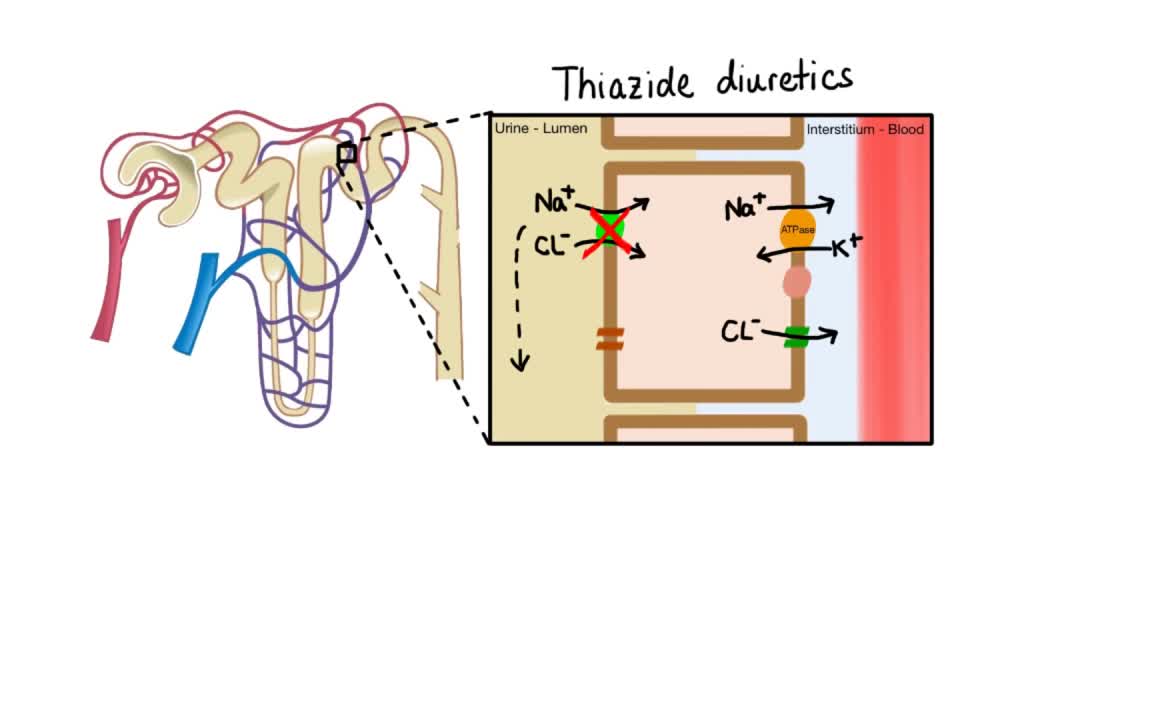
Diuretics, sometimes called water pills, help rid your body of salt (sodium) and water. Most work by making your kidneys release more sodium into your urine. The sodium then takes water with it from your blood. That decreases the amount of fluid flowing through your blood vessels, which reduces pressure on your vessel walls.

Gestational diabetes develops during pregnancy (gestation). Like other types of diabetes, gestational diabetes affects how your cells use sugar (glucose). Gestational diabetes causes high blood sugar that can affect your pregnancy and your baby's health. Any pregnancy complication is concerning, but there's good news. Expectant moms can help control gestational diabetes by eating healthy foods, exercising and, if necessary, taking medication. Controlling blood sugar can prevent a difficult birth and keep you and your baby healthy. In gestational diabetes, blood sugar usually returns to normal soon after delivery. But if you've had gestational diabetes, you're at risk for type 2 diabetes. You'll continue working with your health care team to monitor and manage your blood sugar.
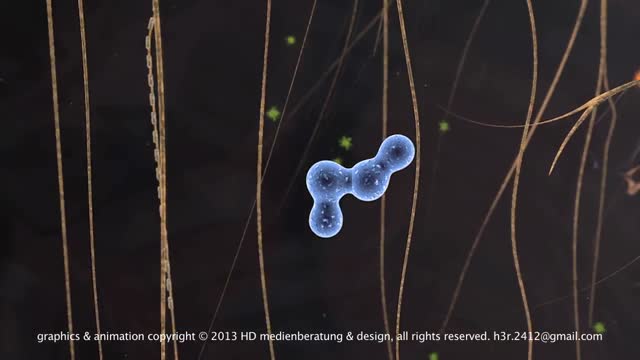
Human

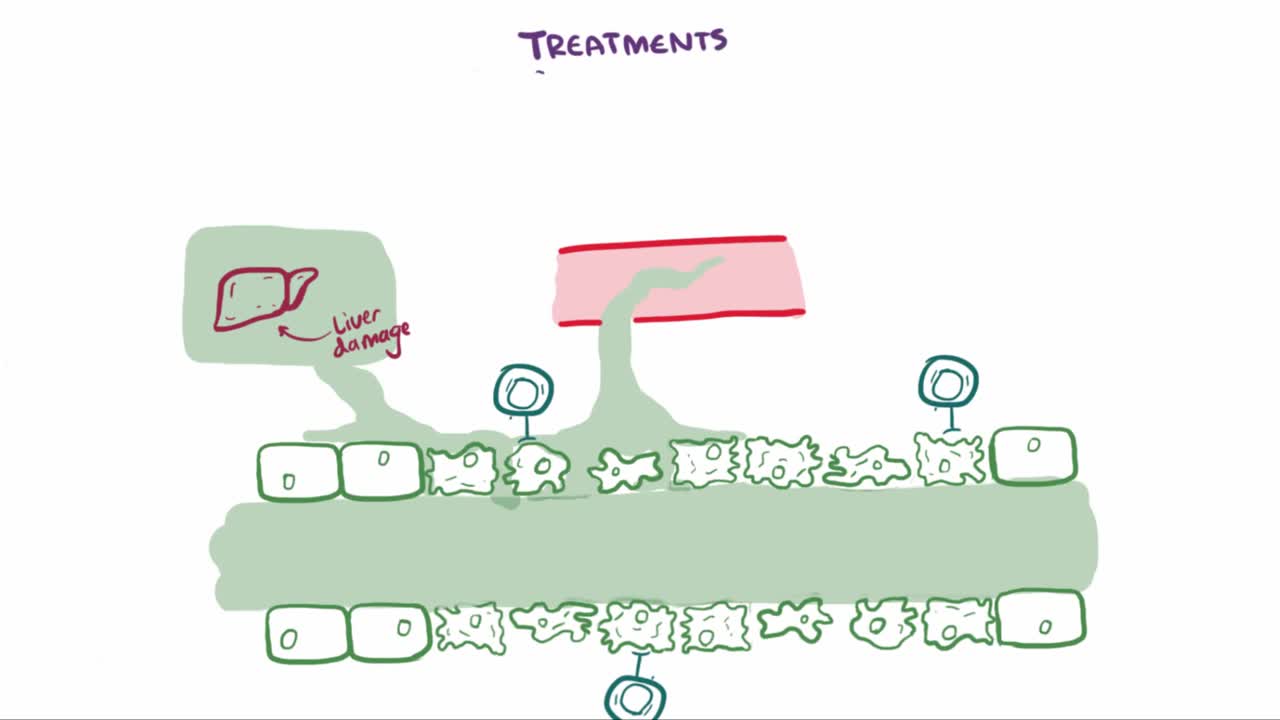
Primary biliary cholangitis (PBC), formerly known as primary biliary cirrhosis, is a chronic liver disease resulting from progressive destruction of the bile ducts in the liver – called the intrahepatic bile ducts. Bile produced in your liver travels via these ducts to your small intestine where it aids in the digestion of fat and fat-soluble vitamins (A, D, E and K). When the ducts are destroyed, bile builds up in the liver contributing to inflammation and scarring (fibrosis). Eventually this can lead to cirrhosis and its associated complications, as scar tissue replaces healthy liver tissue and liver function becomes increasingly impaired.
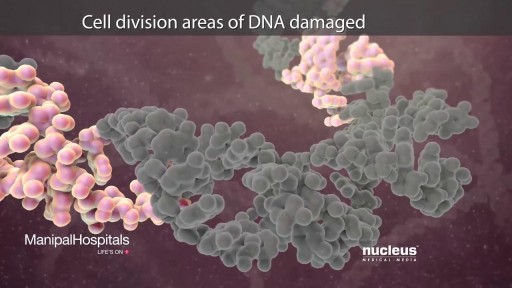
The drugs known as targeted therapy help stop cancer from growing and spreading. They work by targeting specific genes or proteins. These genes and proteins are found in cancer cells or in cells related to cancer growth, like blood vessel cells. Doctors often use targeted therapy with chemotherapy and other treatments.
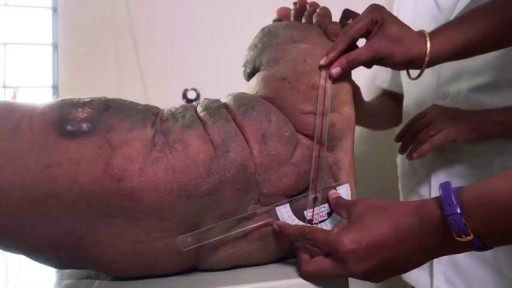
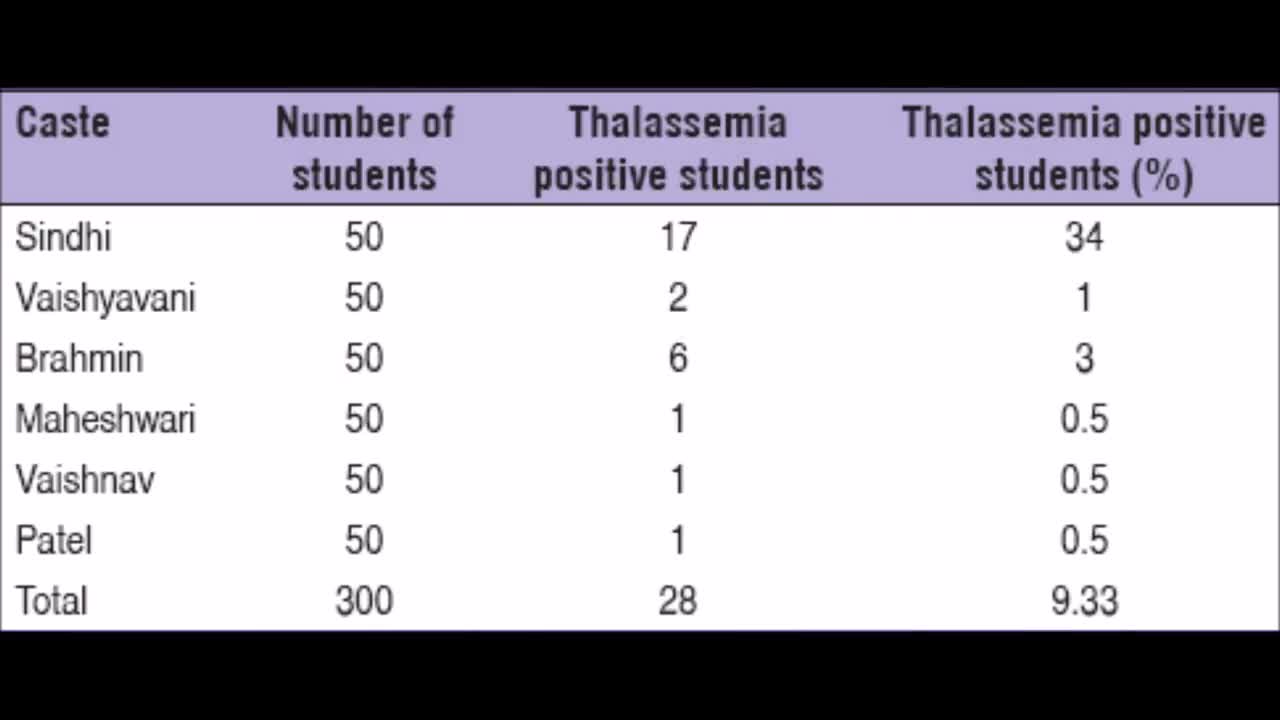
Thalassemia is a genetic blood disorder. People with Thalassemia disease are not able to make enough hemoglobin, which causes severe anemia. Hemoglobin is found in red blood cells and carries oxygen to all parts of the body. When there is not enough hemoglobin in the red blood cells, oxygen cannot get to all parts of the body. Organs then become starved for oxygen and are unable to function properly.
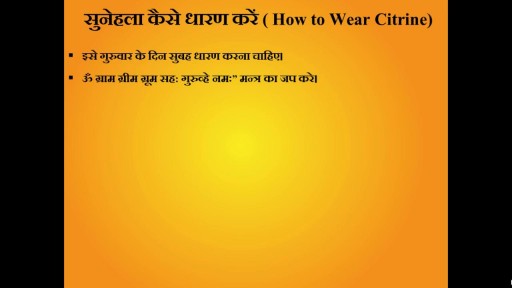
Buy Natural Certified Original Gem stones, Rashi based gemes stone, Semi-Precious-Stone, Pooja Article Like Sulemani Hakik, Onyx, Ruby, Manik, Hakik, Amethyst, Pukhraj, Neelam, Panna, Gomed, Moti, Moonga, Manik, Cat'seye, Citrine, Lajaward, Moonstone. Topaz, Yemeni, etc. You can also buy yantra line Shree Yantra, Parad, Etc. This Ramzan celebrates with Certified Original Sulemani Hakik Stone.
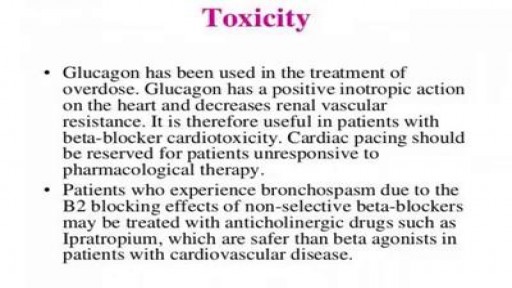
Beta-blockers, also known as beta antagonists, beta-adrenergic blocking agents, or beta-adrenergic antagonists, are drugs that are prescribed to treat several different types of conditions, including hypertension (high blood pressure), angina, some abnormal heart rhythms, heart attack (myocardial infarction), anxiety, migraine, glaucoma, and overactive thyroid symptoms.
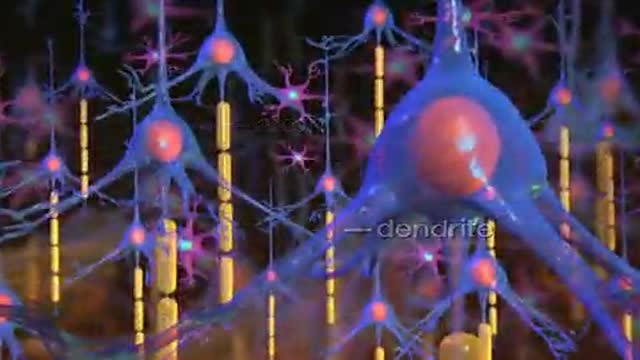
Alzheimer Disease Effects

Women Health Tips: Importance of getting a pap smear, breast exam, and mammogram
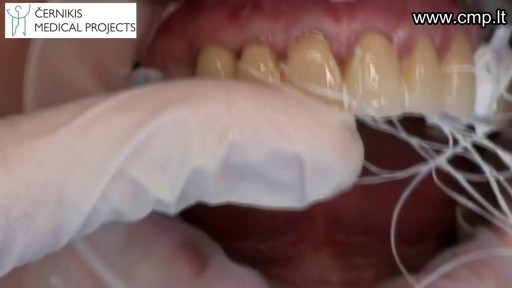
Tooth preparation for All-ceramic crown
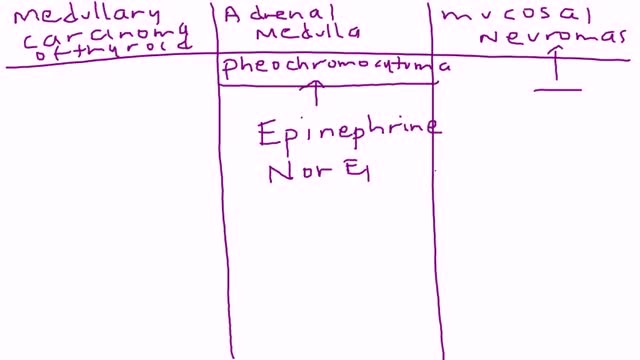
Multiple endocrine neoplasia type 2 (MEN2) is a hereditary condition associated with three primary types of tumors: medullary thyroid cancer, parathyroid tumors, and pheochromocytoma. MEN2 is classified into three subtypes based on clinical features. MEN2A, which affects 60% to 90% of MEN2 families Medullary thyroid cancer: 98% to 100% with MEN2A are affected Pheochromocytoma, a typically benign (noncancerous) tumor of the adrenal glands: 50% with MEN2A affected Parathyroid adenoma (benign tumor) or hyperplasia, meaning increased size, of the parathyroid gland: 5% to 10% with MEN2A affected MEN2B, which affects 5% of MEN2 families Medullary thyroid cancer: 98% to 100% with MEN2B affected Pheochromocytoma: 50% with MEN2B affected Mucosal neuromas, which is a benign tumor of nerve tissue on the tongue, lips and throughout the gastrointestinal tract: 95% to 98% affected Digestive problems caused by disordered nerves in the gastrointestinal tract: 75% to 90% affected Muscle, joint, and spinal problems: 95% affected Typical facial features, including swollen lips and thick eyelids: 75% to 90% affected Familial medullary thyroid cancer (FMTC), which affects 5% to 35% of MEN2 families Medullary thyroid carcinoma only Sources: Gagel RF, Marx SJ. “Multiple endocrine neoplasia.” Williams Textbook of Endocrinology, Chapter 40, 11th ed., Philadelphia, 2008, and Eng C, Clayton D, et al. Grubbs EG, Gagel RF. My, How Things Have Changed in Multiple Endocrine Neoplasia Type 2A! J Clin Endocrinol Metab 100(7):2532-5, 7/2015. PMID: 26151398. What causes MEN2? MEN2 is a genetic condition. This means that the cancer risk and other features of MEN2 can be passed from generation to generation in a family. The gene associated with MEN2 is called RET. A mutation (alteration) in the RET gene gives a person an increased risk of developing medullary thyroid cancer and other tumors associated with MEN2.
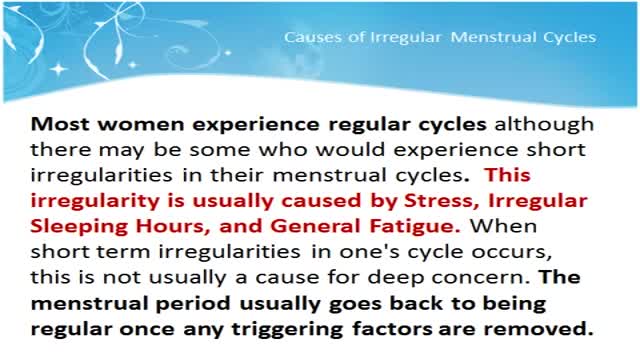
Menstruation is the time of month when the womb (uterus) sheds its lining and vaginal bleeding occurs. This is known as a menstrual period. Periods vary widely from woman to woman. Some periods are punctual, some are unpredictable. On average, a woman gets her period every 24 to 38 days. A period usually lasts about two to eight days. Irregular periods may require treatment. What Are Irregular Periods? You may have irregular periods if: The time between each period starts to change. You are losing more or less blood during a period than usual. The number of days that your period lasts varies significantly. There are different terms for different types of irregular periods: Irregular Menstrual Bleeding (IrregMB): Bleeding of more than 20 days in individual cycle lengths over a period of one year. Absent Menstrual Bleeding (amenorrhea): No bleeding in a 90-day period. Heavy Menstrual Bleeding (HMB): Excessive menstrual blood loss that interferes with the woman’s physical, emotional, social, and material quality of life and can occur alone or in combination with other symptoms. Heavy and Prolonged Menstrual Bleeding (HPMB): Less common than HMB. It is important to make a distinction from HMB given they may have different etiologies and respond to different therapies. Light Menstrual Bleeding: Based on patient complaint, rarely related to pathology.
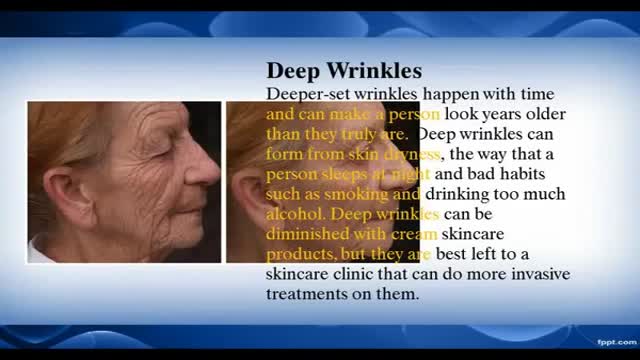
Skin changes are among the most visible signs of aging. Evidence of increasing age includes wrinkles and sagging skin. Whitening or graying of the hair is another obvious sign of aging. Your skin does many things. It: Contains nerve receptors that allow you to feel touch, pain, and pressure Helps control fluid and electrolyte balance Helps control your body temperature Protects you from the environment Although skin has many layers, it can generally be divided into three main parts: The outer part (epidermis) contains skin cells, pigment, and proteins. The middle part (dermis) contains blood vessels, nerves, hair follicles, and oil glands. The dermis provides nutrients to the epidermis. The inner layer under the dermis (the subcutaneous layer) contains sweat glands, some hair follicles, blood vessels, and fat. Each layer also contains connective tissue with collagen fibers to give support and elastin fibers to provide flexibility and strength.

Sclerotherapy is a medical procedure used to eliminate varicose veins and spider veins. Sclerotherapy involves an injection of a solution (generally a salt solution) directly into the vein. The solution irritates the lining of the blood vessel, causing it to collapse and stick together and the blood to clot.
If you're pregnant or might become pregnant, it's critically important to get enough folic acid, the synthetic form of vitamin B9, also known as folate. Folic acid helps prevent neural tube defects (NTDs) – serious birth defects of the spinal cord (such as spina bifida) and the brain (such as anencephaly).