
- Physical Examination
- Surgical Examination
- Ophthalmology
- Clinical Skills
- Orthopedics
- Surgery Videos
- Laparoscopy
- Pediatrics
- Funny Videos
- Cardiothoracic Surgery
- Nursing Videos
- Plastic Surgery
- Otorhinolaryngology
- Histology and Histopathology
- Neurosurgery
- Dermatology
- Pediatric Surgery
- Urology
- Dentistry
- Oncology and Cancers
- Anatomy Videos
- Health and Fitness
- Radiology
- Anaesthesia
- Physical Therapy
- Pharmacology
- Interventional Radiology
- Cardiology
- Endocrinology
- Gynecology
- Emergency Medicine
- Psychiatry and Psychology
- Childbirth Videos
- General Medical Videos
- Nephrology
- Physiology
- Diet and Food Health
- Diabetes Mellitus
- Neurology
- Women Health
- Osteoporosis
- Gastroenterology
- Pulmonology
- Hematology
- Rheumatology
- Toxicology
- Nuclear Medicine
- Infectious Diseases
- Vascular Disease
- Reproductive Health
- Burns and Wound Healing
- Other
Top videos
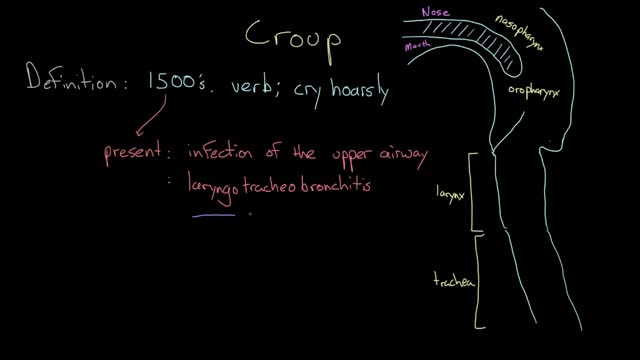

Croup refers to an infection of the upper airway, which obstructs breathing and causes a characteristic barking cough. The cough and other symptoms of croup are the result of swelling around the vocal cords (larynx), windpipe (trachea) and bronchial tubes (bronchi). When a cough forces air through this narrowed passage, the swollen vocal cords produce a noise similar to a seal barking. Likewise, taking a breath often produces a high-pitched whistling sound (stridor). Croup typically occurs in younger children. Croup usually isn't serious and most cases can be treated at home.

Why You’re Attracted To Certain People
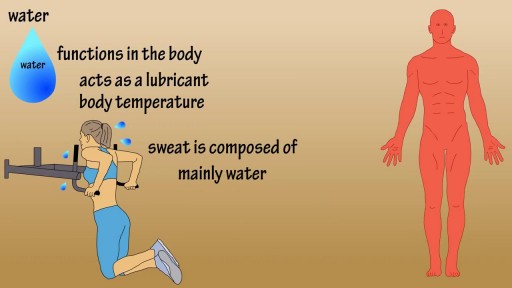
Water is an essential nutrient for the body, as the body loses water through perspiration, breathing, bowel movements, and in urine. Water must be consumed regularly to maintain a sufficient level. Water has many vital functions in the body, including… Serving as a lubricant. Water is a main component of saliva, which helps moisten food making it easier to swallow. Water also helps lubricate joints, reducing friction and inflammation. Water is important in body temperature regulation. When body heat rises, such as during strenuous activities, the body starts to sweat to cool itself. And sweat is made up almost entirely of water.
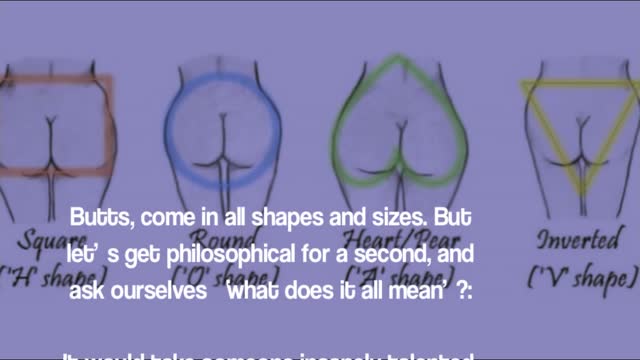
This Is What The SHAPE OF YOUR BUTT Has To Say About Your Health. AMAZING!!


Most blisters caused by friction or minor burns do not require a doctor's care. New skin will form underneath the affected area and the fluid is simply absorbed. Do not puncture a blister unless it is large, painful, or likely to be further irritated. The fluid-filled blister keeps the underlying skin clean, which prevents infection and promotes healing.
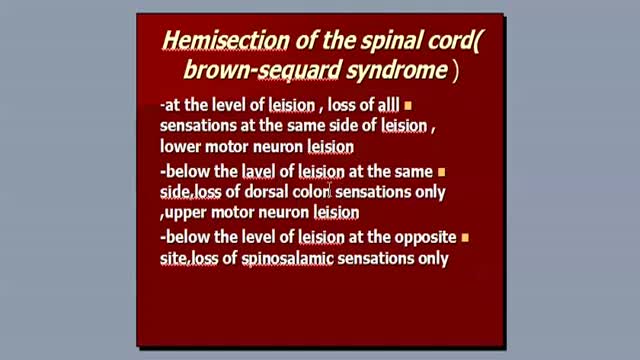
Brown-Séquard syndrome is an incomplete spinal cord lesion characterized by a clinical picture reflecting hemisection injury of the spinal cord, often in the cervical cord region. (See Presentation.) Patients with Brown-Séquard syndrome suffer from ipsilateral upper motor neuron paralysis and loss of proprioception, as well as contralateral loss of pain and temperature sensation. A zone of partial preservation or segmental ipsilateral lower motor neuron weakness and analgesia may be noted. Loss of ipsilateral autonomic function can result in Horner syndrome. (See Etiology, Presentation, and Workup.) As an incomplete spinal cord syndrome, the clinical presentation of Brown-Séquard syndrome may range from mild to severe neurologic deficit. (See Presentation.) Brown-Séquard–plus syndrome The pure Brown-Séquard syndrome reflecting hemisection of the cord is not often observed. A clinical picture composed of fragments of the syndrome or of the hemisection syndrome plus additional symptoms and signs is more common. These less-pure forms of the disorder are often referred to as Brown-Séquard–plus syndrome.[1] Interruption of the lateral corticospinal tracts, the lateral spinal thalamic tract, and at times the posterior columns produces a picture of a spastic, weak leg with brisk reflexes and a strong leg with loss of pain and temperature sensation. Note that spasticity and hyperactive reflexes may not be present with an acute lesion.

Réduire La Cellulite, Meilleure Creme Anti Cellulite, Programme Anti Cellulite, Cuisse Cellulite http://perdre-sa-cellulite.plus101.com Une Bonne Alimentation Pour Lutter Contre la Cellulite. Certains aliments ont des composants naturels antioxydants et draineurs qui éliminent naturellement la cellulite. Parmi eux se trouvent le céleri branche. Il s’agit d’un légume un peu amère mais qui aide beaucoup à accélérer le métabolisme des graisses afin de débarrasser la cellulite. Coupé en bâtonnet, il peut être consommé en apéro ou en plat de crudités. Le poireau figure également dans la liste des meilleurs aliments anticellulite. Légume anti-rétention d’eau, il chasse les toxines tout en luttant contre la cellulite. Enfin, n’oubliez pas de consommer de l’ananas si vous voulez combattre votre cellulite. Il a pour principal mission de réduire la rétention d’eau. Selon des experts en physiologie, les femmes ont 90 muscles dans les membres inférieurs et en les stimulant doucement, ces muscles des fesses, jambes, hanches et cuisses, 76,3% des femmes peuvent inverser la cause de la peau d’orange et des capitons pour avoir une peau tonifiée et lisse. CLIQUEZ ICI: http://perdre-sa-cellulite.plus101.com

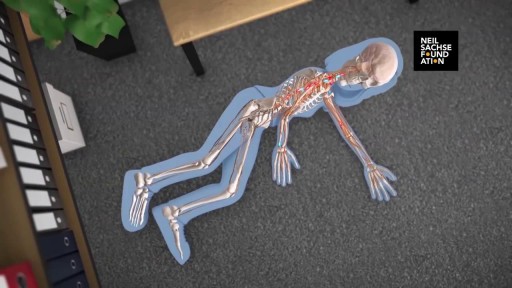
A detailed animation video explaining a spinal cord injury.
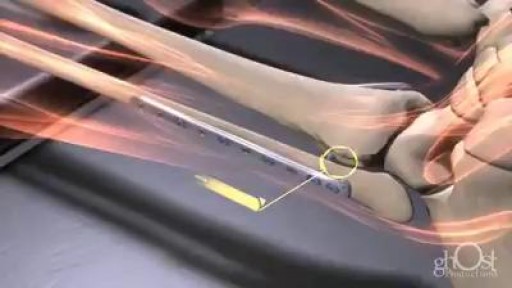
How Bone Fractures Are Repaired
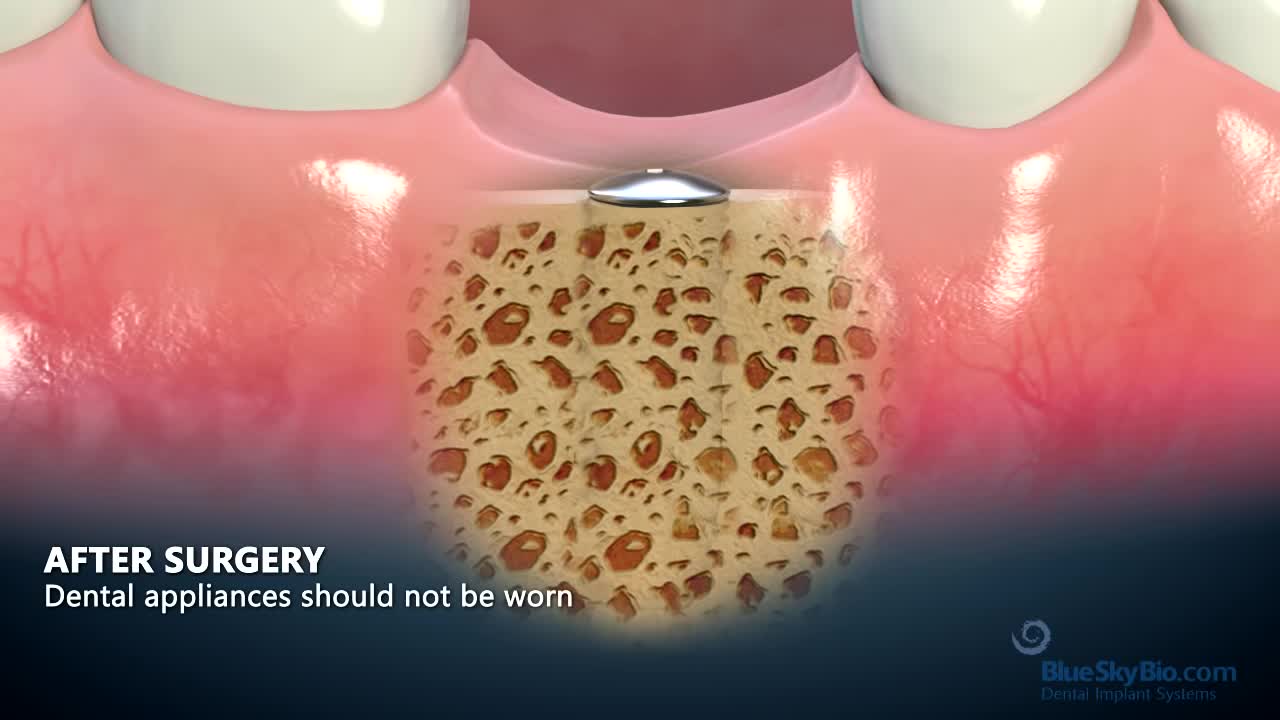
The dental implant, usually a cylindrical and/or tapered post made of titanium, is placed surgically into the jawbone. As you heal, your implant will osseointegrate, or fuse with, your natural jawbone, with the two growing together to form a strong and long-lasting foundation for your replacement teeth.

A Hundred Orgasms A Day follow the story of 3 women who were tormented every hour of everyday with the need to have orgasm. This documentary explain how Persistent Sexual Arousal Syndrome or PSAS causes this unusual condition. PSAS is a little know neurological disorder where women have symptoms of continuous uncontrollable genital arousal. This condition is unrelated to any kind of sensations of sexual desire. PSAS was initially documented by Doctor Sandra Leiblum in mid 2001, just recently recognized as a unique syndrome in medical science which has a comparable equivalent progressively more claimed by men. A few physicians makes use of the name Persistent Sexual Arousal Syndrome to reference the disorder in women; some others look at the syndrome of priapism in adult males to be a similar disorder. Most importantly, it is really not connected with hyper-sexuality, also known as nymphomania. Both hyper-sexuality, and nymphomania are not known diagnosable health conditions. Not only is it very rare, the disorder is also seldom reported by affected individual who may think it is embarrassing.
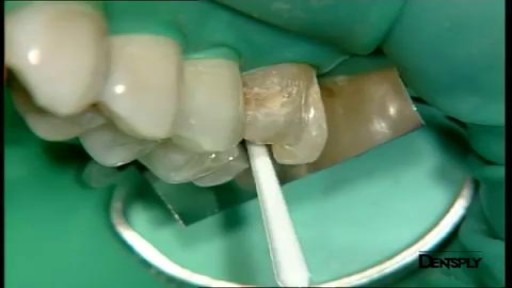
Art restoration of anterior teeth
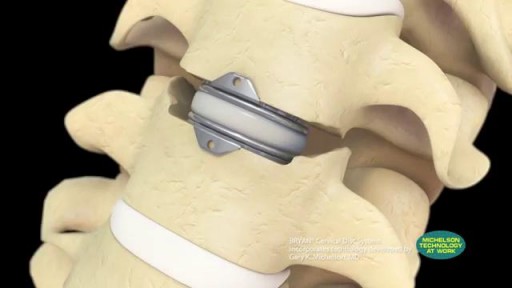
Cervical artificial disc replacement using the BRYAN Disc, a trusted product of Medtronic. Spine care offices are located in New Jersey, New York, and Florida. Are you experiencing neck pain? Do you think you may have a herniate disc? Learn more about our doctors' 97% success rate for performing BRYAN disc replacement:
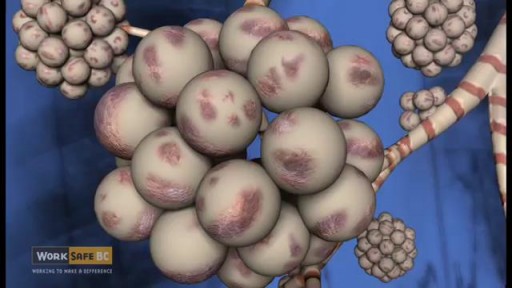
Asbestosis is linked to chrysotile fibers. Chrysotile is one of the six known types of asbestos. Exposure occurs when someone breathes in the dangerous fibers. Extended exposure can lead to an accumulation of the fibers in lung tissues, setting the stage for long-term fibrosis (scarring). Over time, lung tissues thicken, causing pain and restricting breathing. Symptoms include labored breathing during routine tasks and exercise, chest pain and coughing. Doctors prescribe breathing treatments, prescription medication and sometimes surgery for people with asbestosis.
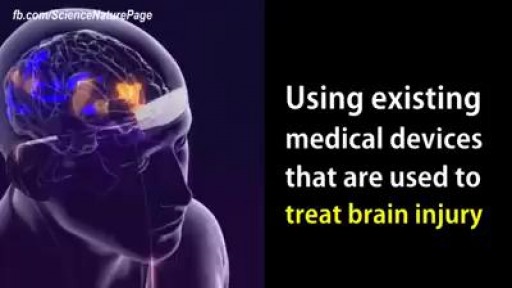
Researchers have received approval to bring 20 brain-dead humans back to life
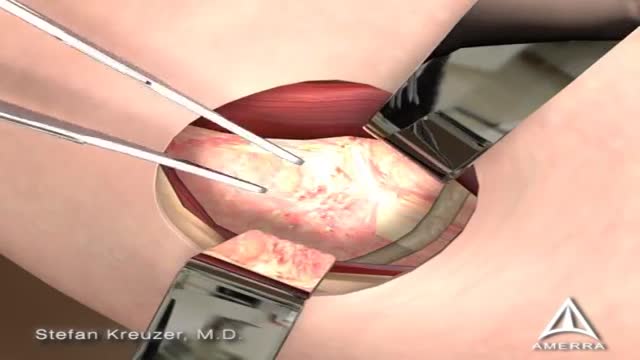
Femoroacetabular impingement (FAI) is a condition in which extra bone grows along one or both of the bones that form the hip joint — giving the bones an irregular shape. Because they do not fit together perfectly, the bones rub against each other during movement. Over time this friction can damage the joint, causing pain and limiting activity.
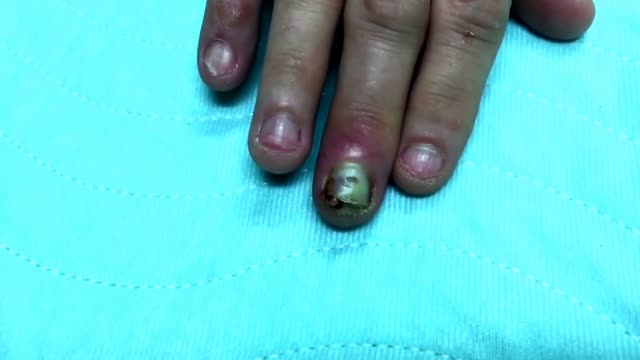
Finger infection Drainage
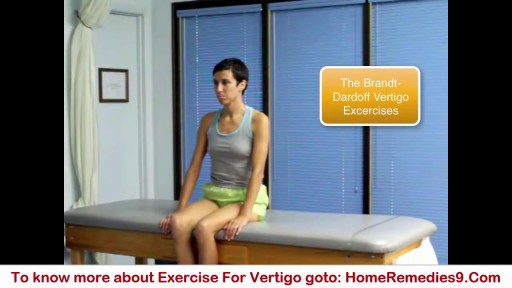
Vertigo is a sense of rotation, rocking, or the world spinning, experienced even when someone is perfectly still. Many children attempt to create a sense of vertigo by spinning around for a time; this type of induced vertigo lasts for a few moments and then disappears. In comparison, when vertigo occurs spontaneously or as a result of an injury it tends to last for many hours or even days before resolving.
