
- Physical Examination
- Surgical Examination
- Ophthalmology
- Clinical Skills
- Orthopedics
- Surgery Videos
- Laparoscopy
- Pediatrics
- Funny Videos
- Cardiothoracic Surgery
- Nursing Videos
- Plastic Surgery
- Otorhinolaryngology
- Histology and Histopathology
- Neurosurgery
- Dermatology
- Pediatric Surgery
- Urology
- Dentistry
- Oncology and Cancers
- Anatomy Videos
- Health and Fitness
- Radiology
- Anaesthesia
- Physical Therapy
- Pharmacology
- Interventional Radiology
- Cardiology
- Endocrinology
- Gynecology
- Emergency Medicine
- Psychiatry and Psychology
- Childbirth Videos
- General Medical Videos
- Nephrology
- Physiology
- Diet and Food Health
- Diabetes Mellitus
- Neurology
- Women Health
- Osteoporosis
- Gastroenterology
- Pulmonology
- Hematology
- Rheumatology
- Toxicology
- Nuclear Medicine
- Infectious Diseases
- Vascular Disease
- Reproductive Health
- Burns and Wound Healing
- Other
Top videos

Extremely funny, and very in-depth look at all the parts and pieces of your blood.
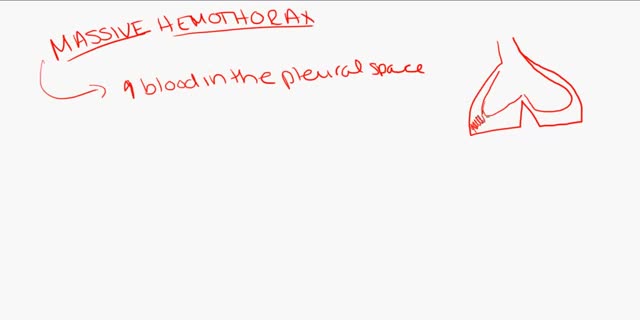
Hemothorax is the presence of blood in the pleural space. The source of blood may be the chest wall, lung parenchyma, heart, or great vessels. Although some authors state that a hematocrit value of at least 50% is necessary to differentiate a hemothorax from a bloody pleural effusion, most do not agree on any specific distinction. Hemothorax is usually a consequence of blunt or penetrating trauma. Much less commonly, it may be a complication of disease, may be iatrogenically induced, [1] or may develop spontaneously. [2] Prompt identification and treatment of traumatic hemothorax is an essential part of the care of the injured patient. The upright chest radiograph is the ideal primary diagnostic study in the evaluation of hemothorax (see Workup). In cases of hemothorax unrelated to trauma, a careful investigation for the underlying source must be performed while treatment is provided.
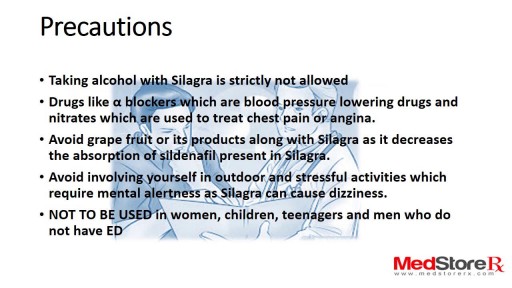
Silagra For Mens ED, medicine approved by FDA, and for more information kindly visit to http://www.medstorerx.com/silagra.aspx
For strong lungs, chew 3 to 5 peppermint leaves each day. To treat congestion, add a few drops of peppermint oil to a pot of hot water and inhale the steam. You can also drink 2 cups of peppermint tea daily. To make the tea, add 1 teaspoon of dried peppermint leaves to a cup of hot water.
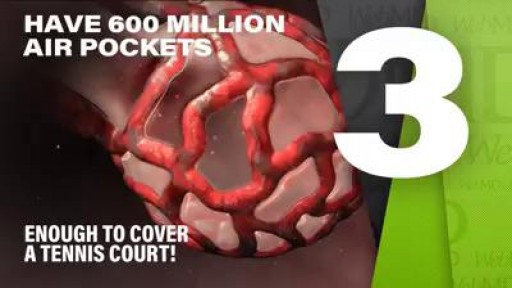
Your lungs are have 600 million air pockets -- enough to cover a tennis court.
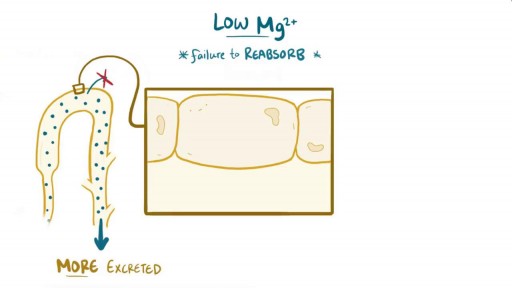
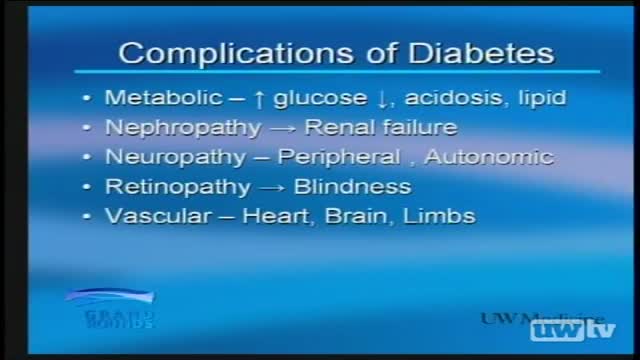
A pancreas transplant is a surgical procedure to place a healthy pancreas from a deceased donor into a person whose pancreas no longer functions properly. Your pancreas is an organ that lies behind the lower part of your stomach. One of its main functions is to make insulin, a hormone that regulates the absorption of sugar (glucose) into your cells. If your pancreas doesn't make enough insulin, blood sugar levels can rise to unhealthy levels, resulting in type 1 diabetes. Most pancreas transplants are done to treat type 1 diabetes. A pancreas transplant offers a potential cure for this condition. But it is typically reserved for those with serious diabetes complications, because the side effects of a pancreas transplant are significant. In some cases, pancreas transplants may also treat type 2 diabetes. Rarely, pancreas transplants may be used in the treatment of pancreatic, bile duct or other cancers. A pancreas transplant is often done in conjunction with a kidney transplant in people whose kidneys have been
Shingles is a viral infection that causes a painful rash. Although shingles can occur anywhere on your body, it most often appears as a single stripe of blisters that wraps around either the left or the right side of your torso. Shingles is caused by the varicella-zoster virus — the same virus that causes chickenpox. After you've had chickenpox, the virus lies inactive in nerve tissue near your spinal cord and brain. Years later, the virus may reactivate as shingles. While it isn't a life-threatening condition, shingles can be very painful. Vaccines can help reduce the risk of shingles, while early treatment can help shorten a shingles infection and lessen the chance of complications.
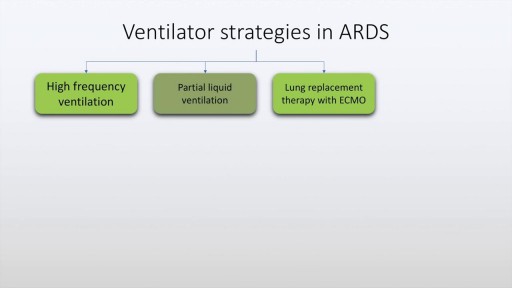
Acute respiratory distress syndrome is characterised by rapid onset dyspnea, bilateral infiltrates on chest x-ray and respiratory failure. This may be due to conditions which directly affect the lung such as pneumonia, aspiration and near drowning. It may also be due to indirect lung injury, as in conditions like sepsis, pancreatitis, trauma and poisoning. The diagnostic criteria of ARDS, often described as the Berlin criteria is discussed in this presentation along with various management aspects of ARDS including ventilation strategies and use of antibiotics and diuretics. Finally prognostic features and alternative strategies are also discussed.
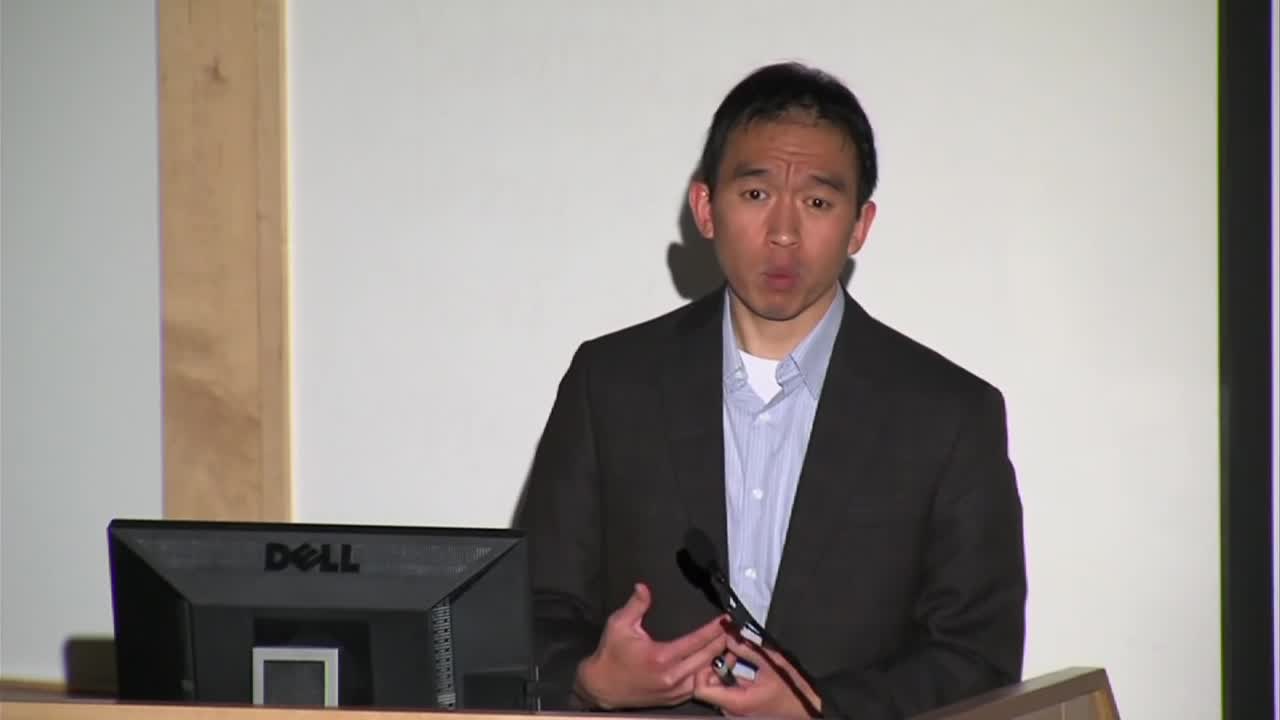
Comprehensive Cancer Center, provides definitions and terms used in cancer diagnosis and treatment. He explores the process of diagnosis from biopsies to imaging and how staging is established. He also discusses the multimodality approach to treatment which typically includes surgical oncology, medical oncology and radiation oncology. Series: "UCSF Osher Center for Integrative Medicine presents Mini Medical School for the Public
Homemade Body Wraps For Weight Loss, Cheap Body Wraps That Work, Body Wraps To Lose Weight ---- http://do-body-wraps-work.plus101.com -- Cellulite and loose and flabby skin can often drain your confidence. You have maybe considered plastic surgery, but the risks and costs are just not reasonable. Fortunately, there are body wraps, which can offer alternative to plastic surgery. Getting a body wrap at a salon can be very expensive - multiple sessions can cost hundreds of dollars. The WrapYourselfSlim ebook shows readers how to get rid of their flabby stomaches and cellulite through the recipes made in the home kitchen. Which recipe is the best when wanting to seek drastic results? What Is The Best Body Wrap Recipe? One of the best body wrap recipes contains the ingredients of olive oil, green clay, water, herbs sea salt, and essential oils. You can select the oils and herbs such as lemongrass, sage, rosemary, rose petal powder, neem powder, lavender, ground basil, grapefruit, ginger root powder, alfalfa leaf powder, and rosehip powder. Measure out two tablespoons of olive oil, 1 cup of green clay, 2 cups of water, and a 1/2 cup of sea salt. Boil the water, then thoroughly stir inside of the sea salt until it has dissolved. Add your selected herbs, olive oil, and green clay, then stir til a paste has formed for you to set this mixture aside for cooling. Once the paste has cooled enough for your skin to handle, rub it on to your body, then cover it with sheets or towels cut into strips. Keep it on for one full hour before removing. A great tip that you should keep in mind when wanting to see the best results is to detoxify your body a couple days before applying the wrap on to yourself. Drink plenty of water before you apply the wrap on to yourself so you can see the highest results possible. You will definitely see significant results right after taking the wrap off, as the skin will instantly absorb the nutrients of the ingredients. This is better than the typical weight loss cream that you find today. Use this easy-to-prepare affordable formula to help contour your abs, thighs, hips buttocks, etc ... in less than two weeks! Stop procrastinating! Click Here for instant access to my recipes & start losing inches, detoxifying your body, and improving your skin right away! http://do-body-wraps-work.plus101.com

jbkbkbkbkj
Acid Reflux Home Remedies, Acid Reflux Shortness Of Breath, Heartburn Nausea Fatigue, Acid Reflux. http://heartburn-acid-reflux.info-pro.co --- If you think the worst part about having Acid Reflux is heartburn and mild discomfort… You need to watch this video below IMMEDIATELY. In it, you’ll be shown the much darker side to your acid reflux… Something that over-the-counter and prescription drug manufacturers alike are spending billions to keep hidden from you… But that could soon cost you your LIFE...like it almost did to me. There are even over a dozen forms of cancer that can be traced back to your Acid Reflux, but the situation is not hopeless. Use this link now to see exactly what your biggest risk is…and how a highly unconventional method can rapidly and naturally CURE your Acid Reflux forever. Click Here: http://heartburn-acid-reflux.info-pro.co
Pulmonary embolism symptoms can vary greatly, depending on how much of your lung is involved, the size of the clots, and whether you have underlying lung or heart disease. Common signs and symptoms include: Shortness of breath. This symptom typically appears suddenly and always gets worse with exertion. Chest pain. You may feel like you're having a heart attack. The pain may become worse when you breathe deeply (pleurisy), cough, eat, bend or stoop. The pain will get worse with exertion but won't go away when you rest. Cough. The cough may produce bloody or blood-streaked sputum. Other signs and symptoms that can occur with pulmonary embolism include: Leg pain or swelling, or both, usually in the calf Clammy or discolored skin (cyanosis) Fever Excessive sweating Rapid or irregular heartbeat Lightheadedness or dizziness

Squamous cell carcinomas typically appear as persistent, thick, rough, scaly patches that can bleed if bumped, scratched or scraped. They often look like warts and sometimes appear as open sores with a raised border and a crusted surface. In addition to the signs of SCC shown here, any change in a preexisting skin growth, such as an open sore that fails to heal, or the development of a new growth, should prompt an immediate visit to a physician.
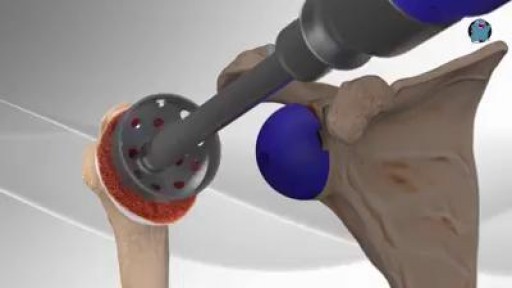
Every year, thousands of conventional total shoulder replacements are successfully done in the United States for patients with shoulder arthritis. This type of surgery, however, is not as beneficial for patients with large rotator cuff tears who have developed a complex type of shoulder arthritis called "cuff tear arthropathy." For these patients, conventional total shoulder replacement may result in pain and limited motion, and reverse total shoulder replacement is a better option.
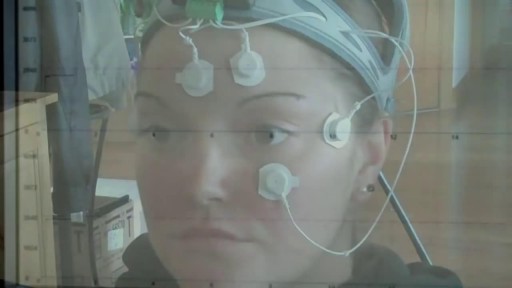
Electronystagmography (ENG) is a diagnostic test to record involuntary movements of the eye caused by a condition known as nystagmus. It can also be used to diagnose the cause of vertigo, dizziness or balance dysfunction by testing the vestibular system.
460-pound Zach lost over 300 pounds, but the extreme weight loss left him with a lot of excess skin.
