
- Physical Examination
- Surgical Examination
- Ophthalmology
- Clinical Skills
- Orthopedics
- Surgery Videos
- Laparoscopy
- Pediatrics
- Funny Videos
- Cardiothoracic Surgery
- Nursing Videos
- Plastic Surgery
- Otorhinolaryngology
- Histology and Histopathology
- Neurosurgery
- Dermatology
- Pediatric Surgery
- Urology
- Dentistry
- Oncology and Cancers
- Anatomy Videos
- Health and Fitness
- Radiology
- Anaesthesia
- Physical Therapy
- Pharmacology
- Interventional Radiology
- Cardiology
- Endocrinology
- Gynecology
- Emergency Medicine
- Psychiatry and Psychology
- Childbirth Videos
- General Medical Videos
- Nephrology
- Physiology
- Diet and Food Health
- Diabetes Mellitus
- Neurology
- Women Health
- Osteoporosis
- Gastroenterology
- Pulmonology
- Hematology
- Rheumatology
- Toxicology
- Nuclear Medicine
- Infectious Diseases
- Vascular Disease
- Reproductive Health
- Burns and Wound Healing
- Kidney Zone Podcast
- Other
Top videos

Evaluación de la microcirculación con SDF (Sidestream dark field) Microscan® como método de monitorización no invasiva en microcirugía.
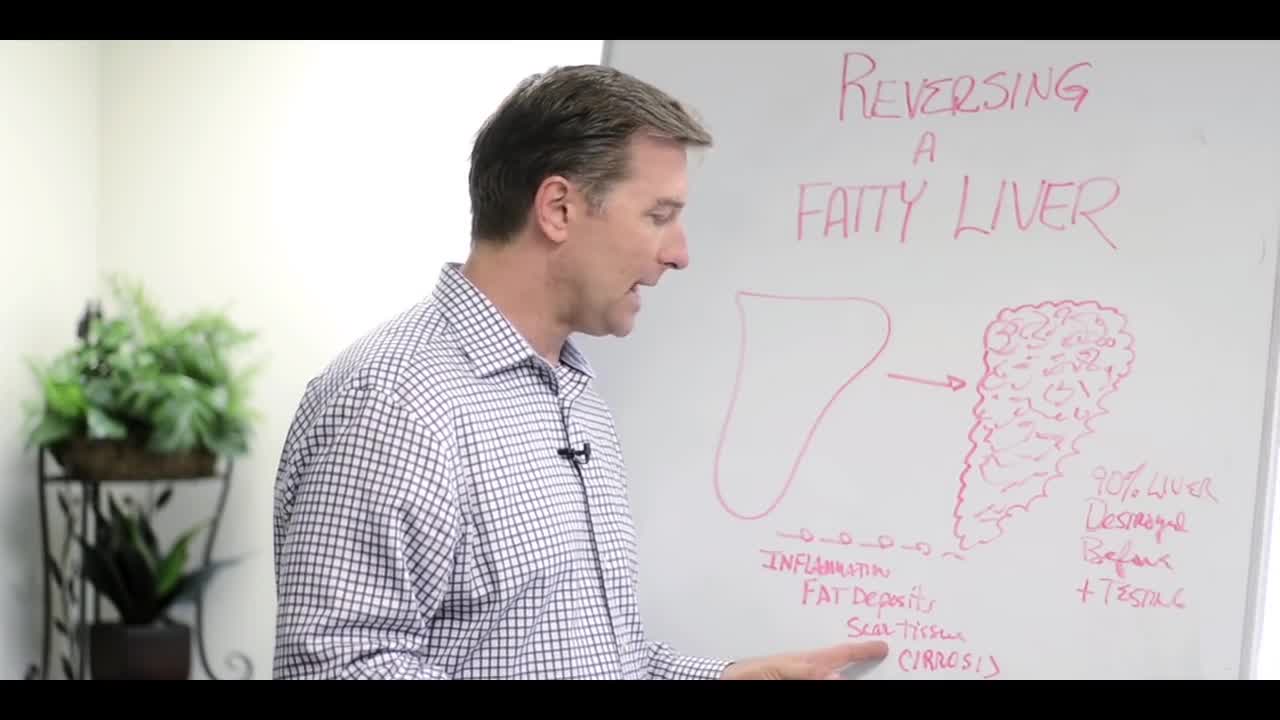
explains about fatty liver symptoms and fatty liver treatment. watch to learn more

VID 20180317 WA0001
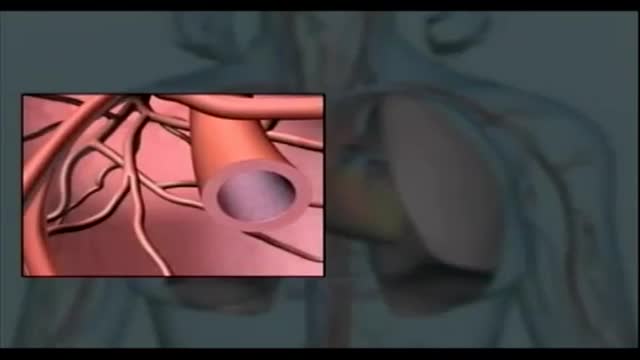
Anaphylaxis is a severe, potentially life-threatening allergic reaction. It can occur within seconds or minutes of exposure to something you're allergic to, such as a peanut or the venom from a bee sting. The flood of chemicals released by your immune system during anaphylaxis can cause you to go into shock; your blood pressure drops suddenly and your airways narrow, blocking normal breathing. Signs and symptoms of anaphylaxis include a rapid, weak pulse, a skin rash, and nausea and vomiting. Common triggers of anaphylaxis include certain foods, some medications, insect venom and latex. Anaphylaxis requires an immediate trip to the emergency department and an injection of epinephrine. If anaphylaxis isn't treated right away, it can lead to unconsciousness or even death.
Ringworm On Chin, Best Way To Treat Ringworm, How Do I Get Rid Of Ringworm, How To Stop Ringworm --- http://ringworm-cure.plus101.com ---- I'm going to share with you how to cure Ringworm in less than 3 days by using these proven methods that have worked for thousands of people around the world with Ringworm. Not only that, but these same methods work for children, as well as adults, and even pets. Whether you have athlete's foot or jock it, this will work for you, as those are both types of Ringworm. This fungal infection can be cured without drugs or medications. It's important to understand that. In fact, there are many home remedies for Ringworm that have worked for thousands of years for treating many ailments and skin conditions. Below I will list a few. First, understand there are 3 primary methods to cure Ringworm. You must do all 3 if you want to know how to cure Ringworm as fast as possible. Over the 5 years I've spent studying and learning about Ringworm, I've tried almost every treatment and home remedy available. I've found this to be the most effective and fastest way to cure Ringworm. 1) Treat the rash with home remedies and treatments. There are many home remedies for Ringworm available, as well as natural treatments, that are good for the skin and can promote healing rapidly. Not only do they get rid of the itchiness, pain or discomfort, but they also heal the rash and prevent it from coming back again. 2) Use bathing procedures. Bathing procedures are a powerful way to cure Ringworm, especially when you add home remedies and ingredients to the bath. This again, promotes healing, and helps get rid of all symptoms associated with Ringworm. 3) Consume the right foods and supplements. A proper diet is important to cure Ringworm. Treating Ringworm externally is not enough - you need to provide the body with what it needs to fight off the infection and boost the immune system, so you never have to worry about it again. Nutrition, hydration, rest, and supplementation are all equally important. Follow these 3 methods and you will be cured from Ringworm within days. If you sit and wait, and do nothing, it will only get worse and you will suffer much longer than you need to. To find out more on how to cure Ringworm in 3 days or less, check out the Fast Ringworm Cure e-book program that goes into all the ways to cure Ringworm fast, along with a list of home remedies and treatments that you can apply right away. William Oliver is a nutritionist, medical researcher, and author of the Fast Ringworm Cure e-book. To find out how to cure Ringworm in 3 days or less, click below: http://ringworm-cure.plus101.com
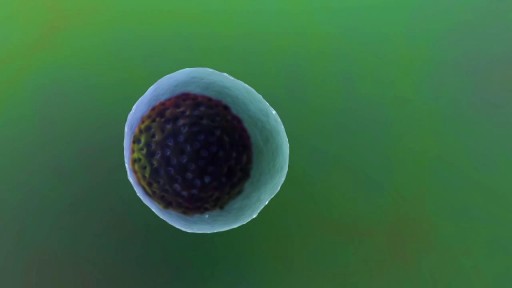
Myeloma is a cancer of the plasma cell, a type of white blood cell that is part of the immune system. This animation explains how a plasma cell can become cancerous and turn into a myeloma cell.
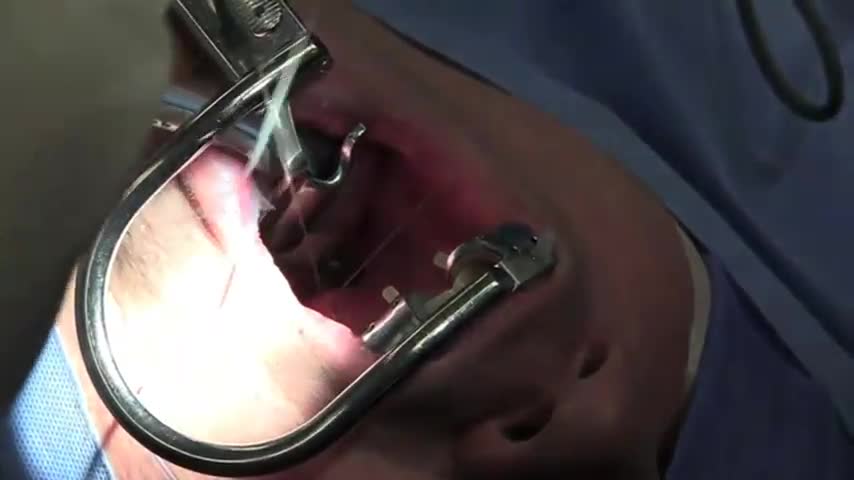
This procedure, and other types of soft palate surgery, targets the back of the roof of your mouth. It involves removing and repositioning excess tissue in the throat to make the airway wider. The surgeon can trim down your soft palate and uvula, remove your tonsils, and reposition some of the muscles of the soft palate. UPPP and other soft palate procedures are the most common type of surgery for sleep apnea. But UPPP alone is unlikely to cure moderate to severe sleep apnea. It may be combined with surgeries that target other sites in the upper airway.

Body Restoration Physiotherapy has successfully been serving the area of St. Albert and Edmonton for over 23 years. They offer services such as; vestibular rehabilitation, physiotherapy, registered massage therapy, acupuncture, radial shockwave therapy, and IMS therapy. Many individuals come to Body Restoration when in need of any physical therapy services.
Niemann-Pick disease is a condition that affects many body systems. It has a wide range of symptoms that vary in severity. Niemann-Pick disease is divided into four main types: type A, type B, type C1, and type C2. These types are classified on the basis of genetic cause and the signs and symptoms of the condition. Infants with Niemann-Pick disease type A usually develop an enlarged liver and spleen (hepatosplenomegaly) by age 3 months and fail to gain weight and grow at the expected rate (failure to thrive). The affected children develop normally until around age 1 year when they experience a progressive loss of mental abilities and movement (psychomotor regression). Children with Niemann-Pick disease type A also develop widespread lung damage (interstitial lung disease) that can cause recurrent lung infections and eventually lead to respiratory failure. All affected children have an eye abnormality called a cherry-red spot, which can be identified with an eye examination. Children with Niemann-Pick disease type A generally do not survive past early childhood.

Cytomegalovirus is a genus of viruses in the order Herpesvirales, in the family Herpesviridae, in the subfamily Betaherpesvirinae. Humans and monkeys serve as natural hosts.

An enlarged spleen may cause: No symptoms in some cases. Pain or fullness in the left upper abdomen that may spread to the left shoulder. Feeling full without eating or after eating only a small amount from the enlarged spleen pressing on your stomach. Anemia. Fatigue. Frequent infections. Easy bleeding.

Cytomegalovirus (CMV) is a common virus that can infect almost anyone. Most people don't know they have CMV because it rarely causes symptoms. However, if you're pregnant or have a weakened immune system, CMV is cause for concern. Once infected with CMV, your body retains the virus for life. However, CMV usually remains dormant if you're healthy. CMV spreads from person to person through body fluids, such as blood, saliva, urine, semen and breast milk. CMV spread through breast milk usually doesn't make the baby sick. However, if you are pregnant and develop an active infection, you can pass the virus to your baby.
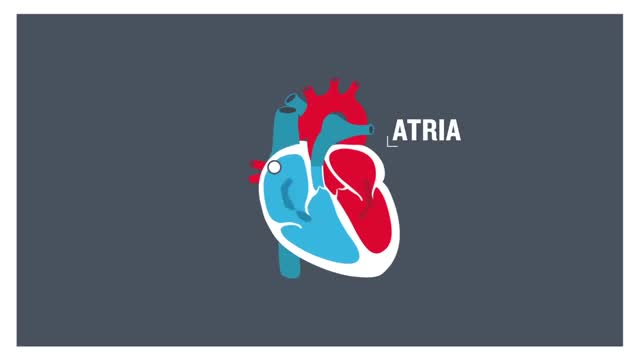
Atrial flutter (AFL) is a type of abnormal heart rate, or arrhythmia. It occurs when the upper chambers of your heart beat too fast. When the chambers in the top of your heart (atria) beat faster than the bottom ones (ventricles), it complicates your heart rhythm

Panic attacks involve sudden feelings of terror that strike without warning. These episodes can occur at any time, even during sleep. People experiencing a panic attack may believe they are having a heart attack or they are dying or going crazy. The fear and terror that a person experiences during a panic attack are not in proportion to the true situation and may be unrelated to what is happening around them. Most people with panic attacks experience several of the following symptoms:

Top 10 Shocking Before And After Drug Use Photos

Hepatitis C is an infection caused by the hepatitis C virus (HCV) that attacks the liver and leads to inflammation. The World Health Organization (WHO) estimates that about 3% of the world’s population has been infected with HCV and that there are more than 170 million chronic carriers who are at risk of developing liver cirrhosis and/or liver cancer. The image below depicts the HCV genome.
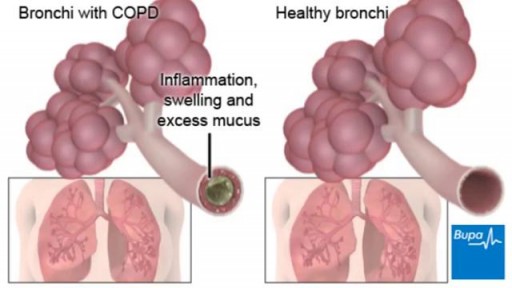
COPD (chronic obstructive pulmonary disease) makes it hard for you to breathe. The two main types are chronic bronchitis and emphysema. The main cause of COPD is long-term exposure to substances that irritate and damage the lungs. This is usually cigarette smoke. Air pollution, chemical fumes, or dust can also cause it. At first, COPD may cause no symptoms or only mild symptoms. As the disease gets worse, symptoms usually become more severe. They include A cough that produces a lot of mucus Shortness of breath, especially with physical activity Wheezing Chest tightness Doctors use lung function tests, imaging tests, and blood tests to diagnose COPD. There is no cure. Treatments may relieve symptoms. They include medicines, oxygen therapy, surgery, or a lung transplant. Quitting smoking is the most important step you can take to treat COPD.

Baby Mucus Removal - Is This Right Way???
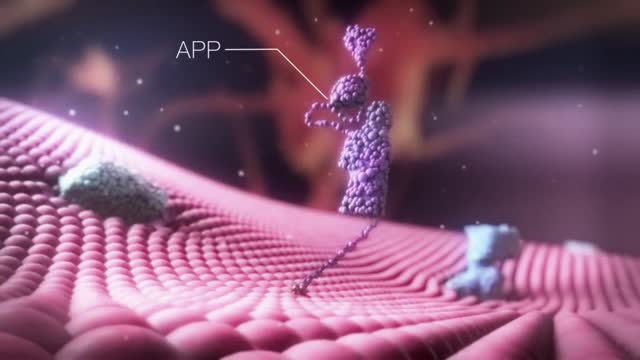
Alzheimer's is the most common form of dementia, a general term for memory loss and other intellectual abilities serious enough to interfere with daily life. Alzheimer's disease accounts for 60 to 80 percent of dementia cases. Alzheimer's is not a normal part of aging, although the greatest known risk factor is increasing age, and the majority of people with Alzheimer's are 65 and older. But Alzheimer's is not just a disease of old age. Up to 5 percent of people with the disease have early onset Alzheimer's (also known as younger-onset), which often appears when someone is in their 40s or 50s.
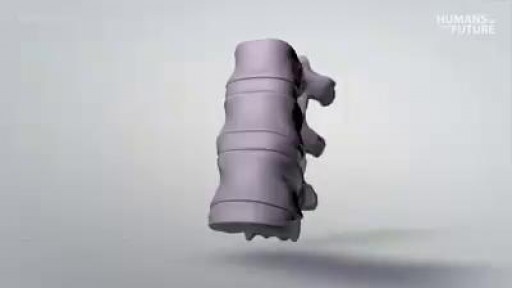
3D printing a titanium vertebrae