- Physical Examination
- Surgical Examination
- Ophthalmology
- Clinical Skills
- Orthopedics
- Surgery Videos
- Laparoscopy
- Pediatrics
- Funny Videos
- Cardiothoracic Surgery
- Nursing Videos
- Plastic Surgery
- Otorhinolaryngology
- Histology and Histopathology
- Neurosurgery
- Dermatology
- Pediatric Surgery
- Urology
- Dentistry
- Oncology and Cancers
- Anatomy Videos
- Health and Fitness
- Radiology
- Anaesthesia
- Physical Therapy
- Pharmacology
- Interventional Radiology
- Cardiology
- Endocrinology
- Gynecology
- Emergency Medicine
- Psychiatry and Psychology
- Childbirth Videos
- General Medical Videos
- Nephrology
- Physiology
- Diet and Food Health
- Diabetes Mellitus
- Neurology
- Women Health
- Osteoporosis
- Gastroenterology
- Pulmonology
- Hematology
- Rheumatology
- Toxicology
- Nuclear Medicine
- Infectious Diseases
- Vascular Disease
- Reproductive Health
- Burns and Wound Healing
- Other
Top videos


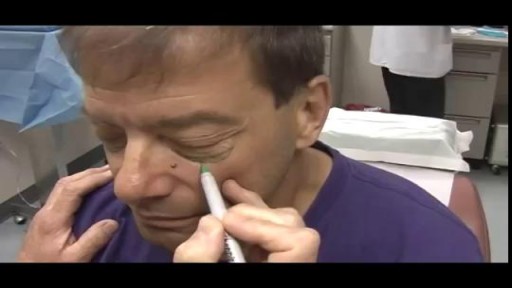
Blepharoplasty
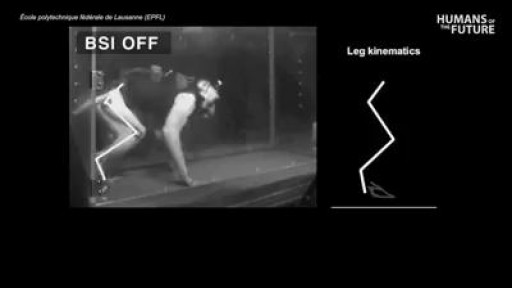
Watch as this wireless brain implant allows a paralyzed monkey to walk again

You might not notice signs or symptoms of Hashimoto's disease at first, or you may notice a swelling at the front of your throat (goiter). Hashimoto's disease typically progresses slowly over years and causes chronic thyroid damage, leading to a drop in thyroid hormone levels in your blood. The signs and symptoms are mainly those of an underactive thyroid gland (hypothyroidism). Signs and symptoms of hypothyroidism include: Fatigue and sluggishness Increased sensitivity to cold Constipation Pale, dry skin A puffy face Hoarse voice Unexplained weight gain — occurring infrequently and rarely exceeding 10 to 20 pounds, most of which is fluid Muscle aches, tenderness and stiffness, especially in your shoulders and hips Pain and stiffness in your joints and swelling in your knees or the small joints in your hands and feet Muscle weakness, especially in your lower extremities Excessive or prolonged menstrual bleeding (menorrhagia) Depression
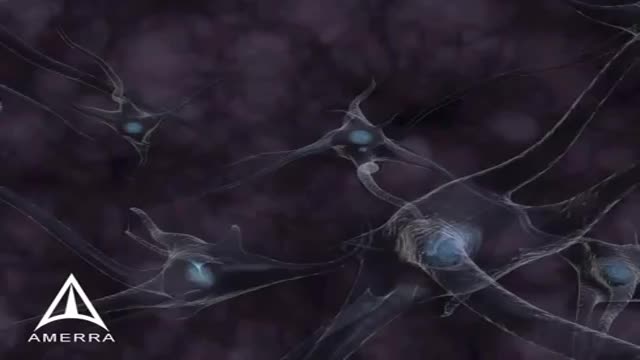
Ca2+ binds with the membrane of the synaptic vesicles, which causes the vesicles to break and release the neurotransmitter into the synaptic cleft. After the neurotransmitters are released, they diffuse across the synaptic cleft and interact with receptors on the postsynaptic membrane. When the action potential reaches the presynaptic terminal, it provokes the release of a small quantity of neurotransmitter molecules, which bind to chemical receptor molecules located in the membrane of another neuron, the postsynaptic neuron, on the opposite side of the synaptic cleft.
Plasma cell dyscrasias are disorders of the plasma cells. Plasma cell dyscrasias are produced as a result of abnormal proliferation of a monoclonal population of plasma cells that may or may not secrete detectable levels of a monoclonal immunoglobulin or immunoglobulin fragment (paraprotein or M protein).

There are several types of hematomas and they are often described based on their location. Examples of hematomas include subdural, spinal, under the finger or toenail bed (subungual), ear, and liver (hepatic).

In this video I discuss sexual function for people with a spinal cord injury. The amount of feeling and function can vary drastically depending on the level and severity of the injury to the spinal cord.

Tongue and lip-tie are common causes of nipple pain, uneven breast drainage, slow weight gain and low milk supply. Many physicians do not properly assess for tongue or lip-tie or recognize their impact on the breastfeeding relationship, leaving babies vulnerable to early weaning. Ultrasound studies have shown that the tongue movements used by tongue-tied babies are qualitatively different from those used by by babies who are not tongue-tied. These movements are not as effective at removing milk from the breast and can cause significant pain and nipple damage. In these studies, tongue-tied babies also did not draw the nipple as deeply into the mouth as babies who were not tongue-tied.
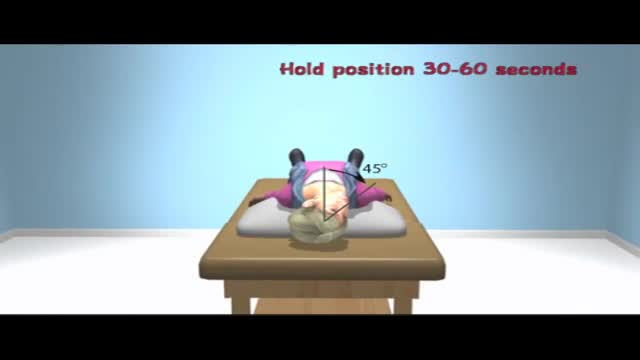
Benign paroxysmal positional vertigo (BPPV) is one of the most common causes of vertigo — the sudden sensation that you're spinning or that the inside of your head is spinning. Benign paroxysmal positional vertigo causes brief episodes of mild to intense dizziness. Benign paroxysmal positional vertigo is usually triggered by specific changes in the position of your head. This might occur when you tip your head up or down, when you lie down, or when you turn over or sit up in bed. Although benign paroxysmal positional vertigo can be a bothersome problem, it's rarely serious except when it increases the chance of falls. You can receive effective treatment for benign paroxysmal positional vertigo during a doctor's office visit

What is idiopathic intracranial hypertension??? Idiopathic intracranial hypertension (IIH) is a disorder that results from an increase in the pressure of the Cerebro-Spinal Fluid (CSF) that cushions and protects the brain and spinal cord. The CSF is constantly produced in the brain and reabsorbed back into the bloodstream at a fairly constant rate. This allows the fluid pressure around the brain to remain constant. What are the symptoms of idiopathic intracranial hypertension? Headaches that are generally nonspecific in location, type and frequency and can be associated with nausea and vomiting. Pulsatile tinnitus is a rhythmic or pulsating ringing heard in one or both ears. Horizontal double vision can be a sign of pressure on the 6th cranial nerve(s). Nonspecific radiating pain in the arms or legs (radicular pain). Transient obscurations of vision (TOV), which are temporary dimming or complete blacking out of vision. Visual field defects. These defects can occur in the central as well as the peripheral vision. Loss of color vision. What causes idiopathic intracranial hypertension? The cause is usually not known. A common explanation for increased pressure is a problem with the reabsorption of this fluid back into the body, which causes the pressure to increase. Sometimes the cause is determined and is referred to as “secondary” intracranial hypertension.

http://plantar-fasciitis-solution.info-pro.co Pain In Arch Of Foot, Severe Heel Pain, Best Running Shoes For Plantar Fasciitis, Foot Pain Heel Know the Symptoms of Plantar Fasciitis An injury to the plantar fascia can manifest in different ways. Initially, it may be a gradual pain that can progressively become worse, especially if the injured foot remains in active use. Sometimes, the pain from plantar fasciitis can be quite severe and seem like the stab of a knife of a sharp and sudden cut. The pain of plantar fasciitis may also occur more frequently after injured feet have been at rest for a while. For instance, after a person wakes up and tries to use his or her feet, pain may be experienced. It can be dangerous to ignore pain that is associated with the feet or any pain felt in the body. Sometimes, symptoms of plantar fasciitis include more subtle pain that may appear as a throbbing sensation which may be radial in nature or isolated to a particular part of the foot. If the pain from plantar fasciitis starts off mildly and is ignored, continued use of the affected foot or feet will cause further damage. The pain from plantar fasciitis is debilitating and it is essential that treatment is sought immediately. get instant plantar fasciitis pain relief in just 5 minutes! click here. http://plantar-fasciitis-solution.info-pro.co

Functional endoscopic sinus surgery is a minimally invasive surgical treatment which uses nasal endoscopes to enlarge the nasal drainage pathways of the paranasal sinuses to improve sinus ventilation.
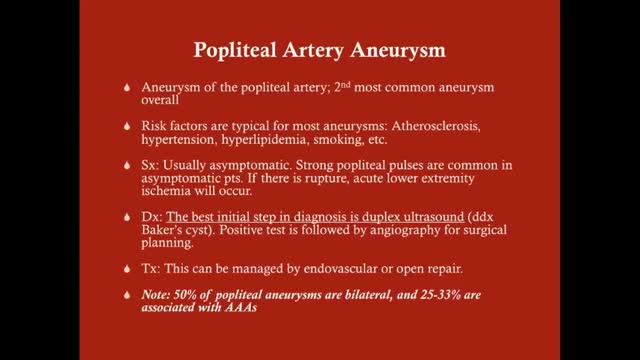
What is a brain aneurysm? A brain (cerebral) aneurysm is a bulging, weak area in the wall of an artery that supplies blood to the brain. In most cases, a brain aneurysm causes no symptoms and goes unnoticed. In rare cases, the brain aneurysm ruptures, releasing blood into the skull and causing a stroke. When a brain aneurysm ruptures, the result is called a subarachnoid hemorrhage. Depending on the severity of the hemorrhage, brain damage or death may result.

A 29 years old man lost his left wrist in car turn over in 2014. this video is taken 1 year after replantation. You can see another videos in my site: https://drliaghatclinic.com, https://instagram.com/liaghatclinic, https://t.me/liaghatclinic
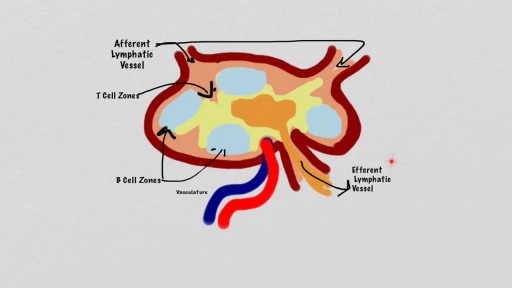
The spleen is one of the most overlooked organs. Rarely does it get attention unless there is some kind of accident or trauma. However, I find spleen dysfunction to be very prevalent. This video talks about some of the symptoms.
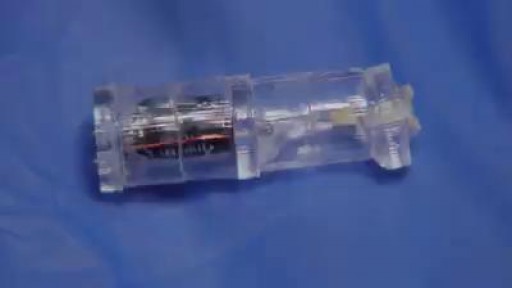
This is the future of medicine

http://combatir-la-ansiedad.good-info.co/ --- Como Calmar La Ansiedad, Ataque De Ansiedad Que Hacer, Remedios Naturales Para La Ansiedad. Como ir curando tu ansiedad... ¿De seguro te sientes desesperado por no poder saber como poder curar tu ansiedad cierto? No te preocupes, esto se puede solucionar. Muchas veces probamos todo tipo de tratamientos que al final muchas veces hace que todo se haga mucho mas dificil. Tanto que inclusive al final sentimos que hemos empeorado todo ¿cierto? Sin la guia adecuada, parece como si nunca fueras encontrar el metodo correcto para poder vivir una vida libre de ansiedad. Afortunadamente actualmente existe una guia la cual te ahorrara el camino dificil y asi podras ir eliminando todos esos sintomas que te hace sentir miedo y ansiedad. para que asi puedas vivir una vida en paz y llena de alegria. Si quieres conocer más tan solo visita este enlace. http://combatir-la-ansiedad.good-info.co