
- Physical Examination
- Surgical Examination
- Ophthalmology
- Clinical Skills
- Orthopedics
- Surgery Videos
- Laparoscopy
- Pediatrics
- Funny Videos
- Cardiothoracic Surgery
- Nursing Videos
- Plastic Surgery
- Otorhinolaryngology
- Histology and Histopathology
- Neurosurgery
- Dermatology
- Pediatric Surgery
- Urology
- Dentistry
- Oncology and Cancers
- Anatomy Videos
- Health and Fitness
- Radiology
- Anaesthesia
- Physical Therapy
- Pharmacology
- Interventional Radiology
- Cardiology
- Endocrinology
- Gynecology
- Emergency Medicine
- Psychiatry and Psychology
- Childbirth Videos
- General Medical Videos
- Nephrology
- Physiology
- Diet and Food Health
- Diabetes Mellitus
- Neurology
- Women Health
- Osteoporosis
- Gastroenterology
- Pulmonology
- Hematology
- Rheumatology
- Toxicology
- Nuclear Medicine
- Infectious Diseases
- Vascular Disease
- Reproductive Health
- Burns and Wound Healing
- Kidney Zone Podcast
- Other
Top videos
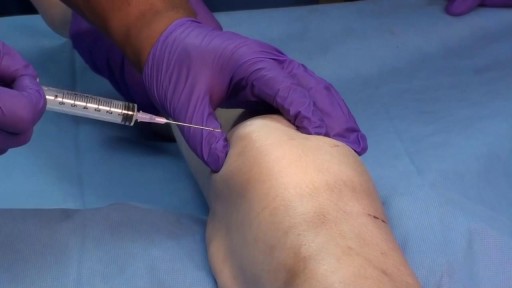

The clinician performing the procedure should be familiar with the anatomy of the specific joint and cognizant of the relevant landmarks in order to avoid puncture of tendons, blood vessels, and nerves (see the images below).

460-pound Zach lost over 300 pounds, but the extreme weight loss left him with a lot of excess skin.

Lasic in 10 years old girl for Myopia
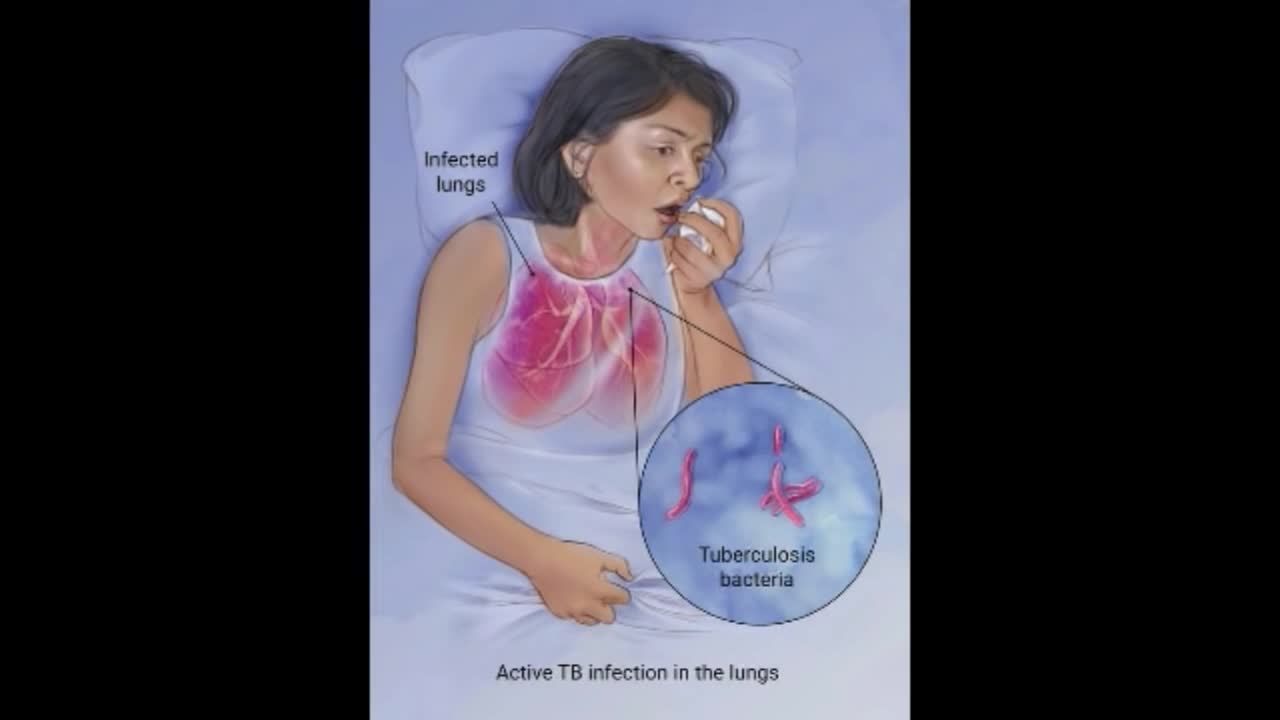
Although your body may harbor the bacteria that cause tuberculosis, your immune system usually can prevent you from becoming sick. For this reason, doctors make a distinction between: Latent TB. In this condition, you have a TB infection, but the bacteria remain in your body in an inactive state and cause no symptoms. Latent TB, also called inactive TB or TB infection, isn't contagious. It can turn into active TB, so treatment is important for the person with latent TB and to help control the spread of TB. An estimated 2 billion people have latent TB. Active TB. This condition makes you sick and can spread to others. It can occur in the first few weeks after infection with the TB bacteria, or it might occur years later. Signs and symptoms of active TB include: Coughing that lasts three or more weeks Coughing up blood Chest pain, or pain with breathing or coughing Unintentional weight loss Fatigue Fever Night sweats

This medication is used to treat certain types of serious (possibly fatal) irregular heartbeat (such as persistent ventricular fibrillation/tachycardia). It is used to restore normal heart rhythm and maintain a regular, steady heartbeat. Amiodarone is known as an anti-arrhythmic drug. It works by blocking certain electrical signals in the heart that can cause an irregular heartbeat.

Have you ever wondered if your toothbrush bristles are too hard or soft or whether or not it even mattered? Contrary to popular belief, the extra soft or soft bristle option is the best choice you can make when it comes to selecting your bristle. The soft bristles are gentler on the gums and because of their delicate nature, it’s easier for them to glide in between teeth. Using hard or medium bristles increases your risk of receding gums and also heightens tooth sensitivity, since you are wearing down the enamel on your teeth with the rough nature. Schedule a dental appointment now to learn more! visit : https://www.urbndental.com/

Actual Footage of Cell Division (Kidney Cells) see more http://www.kidneymy.com/

The most detailed explanation you'll ever hear on what makes some people's feet stink. (Not yours, obviously.)

This device can freeze breast cancer.
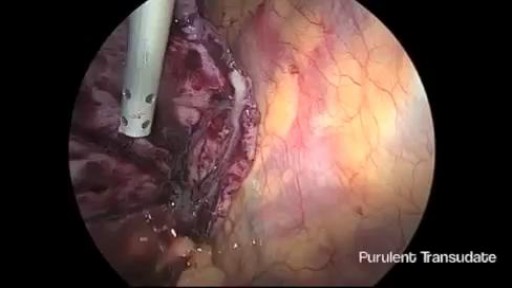
Thoracoscopic Management of Lung Abscess Before Empyema
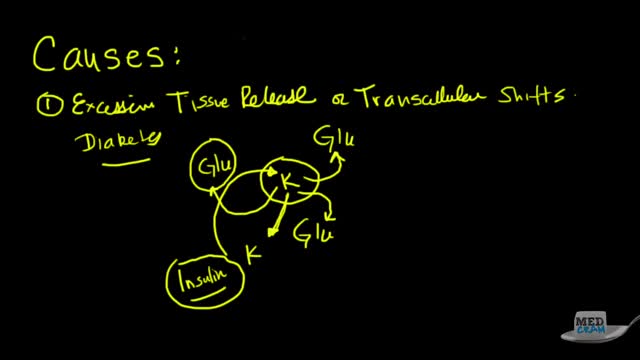
Hyperkalemia is defined as a serum potassium concentration higher than the upper limit of the normal range; the range in infants and children is age-dependent, whereas the range for adults is approximately 3.5-5.5 mEq/L. The upper limit may be considerably higher in young or premature infants, as high as 6.5 mEq/L.[5] Degrees of hyperkalemia are defined as follows[6] : 5.5-6.0 mEq/L – Mild 6.1-7.0 mEq/L – Moderate ≥7.0 mEq/L – Severe levels higher than 7 mEq/L can lead to significant hemodynamic and neurologic consequences. levels exceeding 8.5 mEq/L can cause respiratory paralysis or cardiac arrest and can quickly be fatal. Because of a paucity of distinctive signs and symptoms, hyperkalemia can be difficult to diagnose. Indeed, it is frequently discovered as an incidental laboratory finding. The physician must be quick to consider hyperkalemia in patients who are at risk for this disease process. (See Etiology.) However, any single laboratory study demonstrating hyperkalemia must be repeated to confirm the diagnosis, especially if the patient has no changes on electrocardiography (ECG). Because hyperkalemia can lead to sudden death from cardiac arrhythmias, any suggestion of hyperkalemia requires an immediate ECG to ascertain whether ECG signs of electrolyte imbalance are present (see Workup). Continuous ECG monitoring is essential if hyperkalemia is confirmed. Other testing is directed toward uncovering the condition or conditions that led to the hyperkalemia (see Workup). The aggressiveness of therapy for hyperkalemia is directly related to the rapidity with which the condition has developed, the absolute level of serum potassium, and the evidence of toxicity. The faster the rise of the potassium level, the higher it has reached, and the greater the evidence of cardiotoxicity, the more aggressive therapy should be. In severe cases, treatment focuses on immediate stabilization of the myocardial cell membrane, rapid shifting of potassium to the intracellular space, and total body potassium elimination. In addition, all sources of exogenous potassium should be immediately discontinued. (See Treatment.)
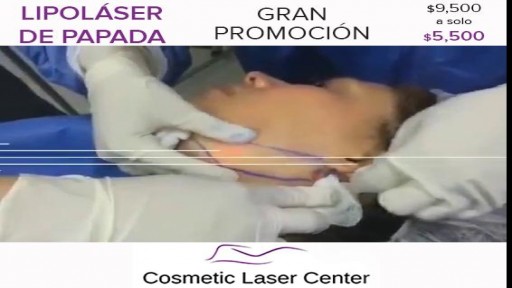
LIPO LASER PAPADA COSMETIC LASER CENTER
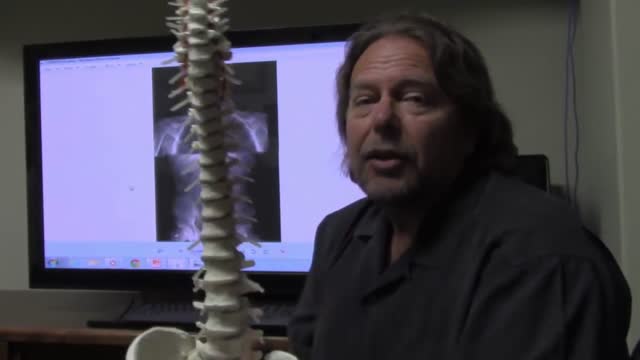
The primary goal of treatment for each patient is to help relieve pain and other symptoms resulting from the herniated disc. To achieve this goal, each patient’s treatment plan should be individualized based on the source of the pain, the severity of pain and the specific symptoms that the patient exhibits.
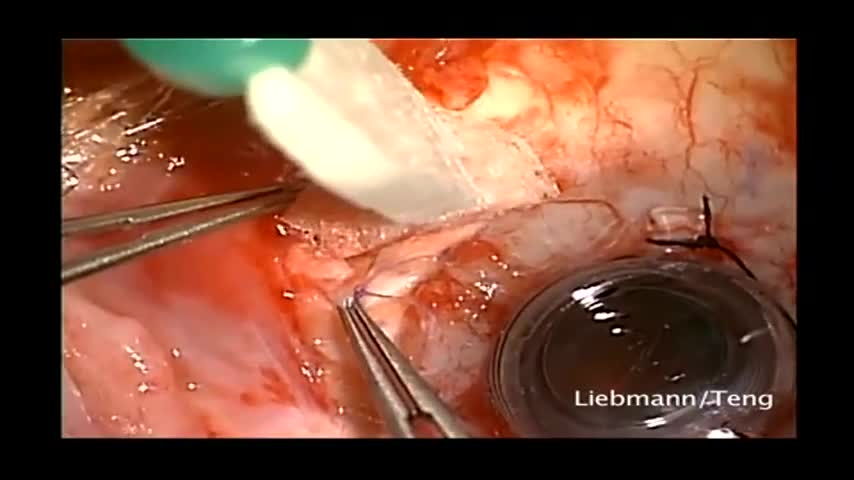
This patient had a history of herpes and had a previous corneal transplant that subsequently became opacified. There was also a previous Baerveldt implant placed into the anterior chamber. This surgery consists of Baerveldt tube being moved from the anterior chamber to posterior chamber, removal of failed graft, placement of temporary keratoprosthesis, pars plana vitectomy and corneal transplant. Jeffrey Liebmann, MD. Mark Speaker, MD. Uri Shabto, MD. Christopher Teng, MD.

Mouth ulcers are sores that appear in the mouth, often on the inside of the cheeks. Mouth ulcers, also known as aphthous ulcers, can be painful when eating, drinking or brushing teeth. Occasional mouth ulcers are usually harmless and clear up on their own. Seek medical advice if they last longer than 3 weeks or keep coming back. Mouth ulcers cannot be caught from someone else. Up to 1 in 5 people get recurrent mouth ulcers.
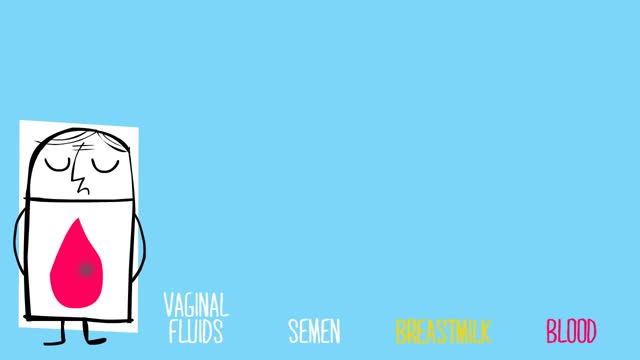
-Almost all the cases of occupational transmission of HIV have been due to transmission via exposure to blood and certain body fluids. The body fluids wherein standard precautions have been recommended include semen, vaginal secretions, and any other body fluid containing visible blood. Other standard precautions, according to the Center for Disease Control and Prevention (CDC), also apply to cerebrospinal, peritoneal, pleural, pericardia!, synovial fluid, or any other tissue, even though the epidemiologic data regarding the risk of HIV transmission from these fluids is insufficient. Standard precautions do not apply to urine, sweat, tears, sputum, vomitus, and nasal secretions or feces, as long as there is no gross visible blood. The occupational transmission of HIV has never been documented from the above sources.

If you have gestational diabetes, your baby may be at increased risk of: Excessive birth weight. Extra glucose in your bloodstream crosses the placenta, which triggers your baby's pancreas to make extra insulin. This can cause your baby to grow too large (macrosomia).

http://healthy-weight-loss.good-info.co ------- How To Lose Belly Fat, Fat Burning Workouts, How To Lose Belly Fat Fast For Men, Women. What kind of belly fat do you have? John has got something that just blew me away. It’s all about belly fat. You’ve probably heard and seen every ad talking about “one weird food” that causes belly fat. But this is totally different. And that’s probably why it’s so effective in making belly fat disappear. I’m talking MASSIVE fat loss. And in the most difficult area of our body. There are actually different KINDS of belly fat. 6 kinds, to be exact. And it’s different for men than women. Why? Because men and women use hormones differently. And hormones are one of the MAIN causes of belly fat. In SOME cases, what we think is fat. actually ISN’T. Take this strange but TRUE, “Finger Test” Click Here for the FREE Belly TEST. http://healthy-weight-loss.good-info.co
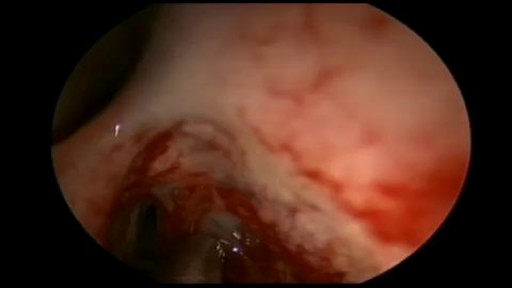
Step-by-step process of performing endoscopic sinus surgery.