
- Physical Examination
- Surgical Examination
- Ophthalmology
- Clinical Skills
- Orthopedics
- Surgery Videos
- Laparoscopy
- Pediatrics
- Funny Videos
- Cardiothoracic Surgery
- Nursing Videos
- Plastic Surgery
- Otorhinolaryngology
- Histology and Histopathology
- Neurosurgery
- Dermatology
- Pediatric Surgery
- Urology
- Dentistry
- Oncology and Cancers
- Anatomy Videos
- Health and Fitness
- Radiology
- Anaesthesia
- Physical Therapy
- Pharmacology
- Interventional Radiology
- Cardiology
- Endocrinology
- Gynecology
- Emergency Medicine
- Psychiatry and Psychology
- Childbirth Videos
- General Medical Videos
- Nephrology
- Physiology
- Diet and Food Health
- Diabetes Mellitus
- Neurology
- Women Health
- Osteoporosis
- Gastroenterology
- Pulmonology
- Hematology
- Rheumatology
- Toxicology
- Nuclear Medicine
- Infectious Diseases
- Vascular Disease
- Reproductive Health
- Burns and Wound Healing
- Other
Top videos
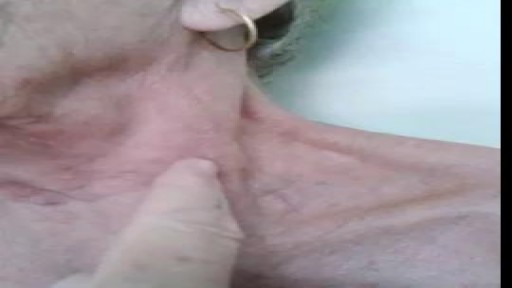

The superior vena cava is a major vein in a person's body. It carries blood from the head, neck, upper chest, and arms to the heart. Superior vena cava syndrome (SVCS) occurs when a person's superior vena cava is partially blocked or compressed. Cancer is usually the main cause of SVCS.

http://milagroparaelacne.plus101.com
---Como Quitar Acne Cara. Existe una CAUSA PRINCIPAL DEL ACNÉ. Y no siempre un producto para el acné ataca esta causa. Esto significa que, si bien podrías obtener un beneficio de lociones, u otros productos o terapias, nunca curarás tu acné con ellos.
Es un poco como tener un techo con goteras y "solucionarlo" poniendo recipientes para recoger el agua de lluvia que cae del techo. Para solucionar adecuadamente el techo con goteras, se debe corregir la causa de raíz, que es el agujero en el techo.
Entonces... ¿Cuál Es La Principal
Causa Del ACNE?
La causa del acné es un DESEQUILIBRIO HORMONAL. Esto es algo que las empresas del acné nunca te dirán...
... Sin embargo, saber la causa del acné es una cosa. Descubrir la forma de eliminar eficazmente esta causa es otra cosa...
Como, Quitar, Acne, Cara, manchas de acne, quitar el acne, cicatrices de acne, como quitar granos, como quitar espinillas, cicatrices de acne, eliminar el acne, como eliminar barros, eliminar los barros,
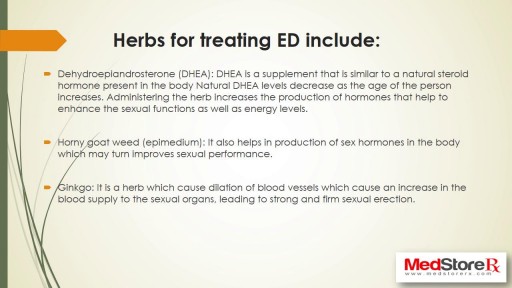
Forzest is the erectile dysfunction tablet meant for treating mens ED disorder, it is approved by FDA and comes in strenght dose 20mg. For more information kindly visit to http://www.medstorerx.com/forzest.aspx

bbmmbmbmbm
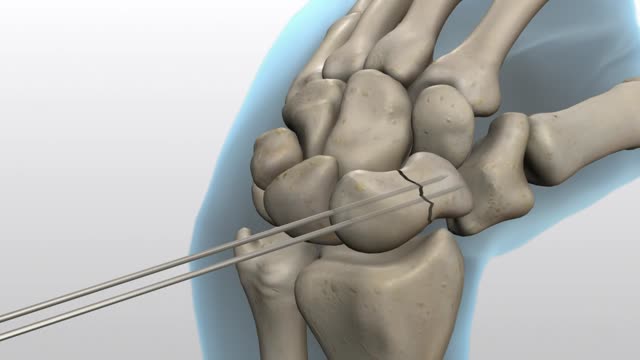
An animation for Acumed demonstrating their new line of screws for fixing fractures. This one is focused on a Scaphoid fracture in the hand.
Hepatitis A signs and symptoms, which typically don't appear until you've had the virus for a few weeks, may include: Fatigue Nausea and vomiting Abdominal pain or discomfort, especially in the area of your liver on your right side beneath your lower ribs Clay-colored bowel movements Loss of appetite Low-grade fever Dark urine Joint pain Yellowing of the skin and eyes (jaundice) If you have hepatitis A, you may have a mild illness that lasts a few weeks or a severe illness that lasts several months. Not everyone with hepatitis A develops signs or symptoms.
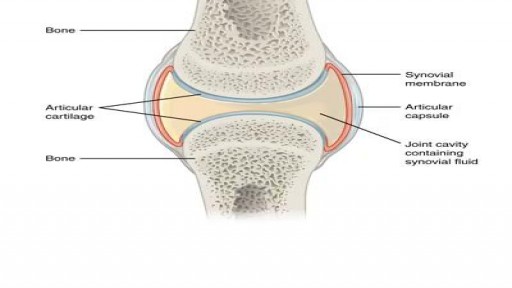
What happens when you crack your joints?
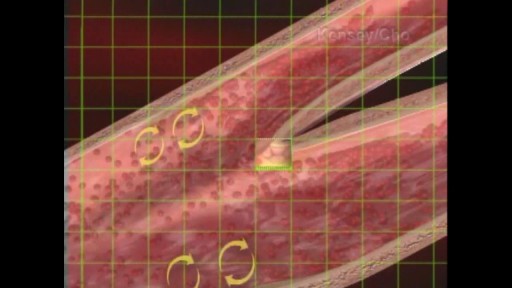
When the hematocrit rises to 60 or 70%, which it often does in polycythemia, the blood viscosity can become as great as 10 times that of water, and its flow through blood vessels is greatly retarded because of increased resistance to flow. This will lead to decreased oxygen delivery.
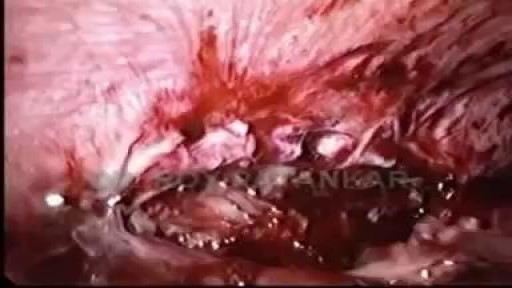
Bacterial abscess of the liver is relatively rare; however, it has been described since the time of Hippocrates (400 BCE), with the first published review by Bright appearing in 1936. In 1938, Ochsner's classic review heralded surgical drainage as the definitive therapy; however, despite the more aggressive approach to treatment, the mortality remained at 60-80%. [1] The development of new radiologic techniques, the improvement in microbiologic identification, and the advancement of drainage techniques, as well as improved supportive care, have reduced mortality to 5-30%; yet, the prevalence of liver abscess has remained relatively unchanged. Untreated, this infection remains uniformly fatal.
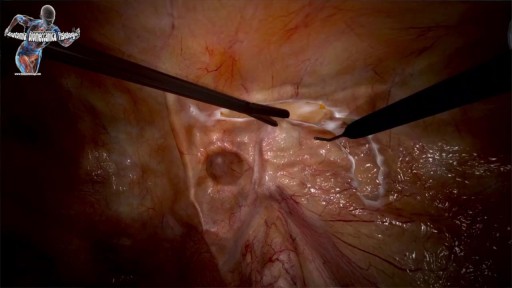
The future of Medicine - Il futuro della medicina - Die Zukunft der Medizin: High Tech, Robots, VR ⚡️Anatomia Biomeccanica Fisiologia by Ticinosthetics: tutto gira attorno alla palestra ©️2017 - www.ticinostheticsgs.com
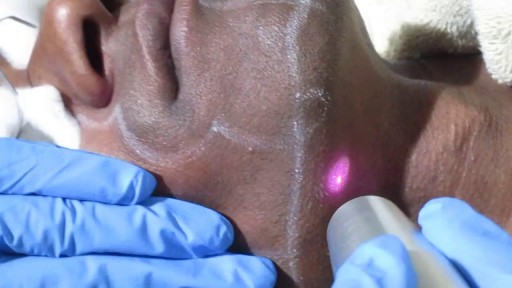
Skin Whitening in Delhi ! Skin Lightening By Best Dermatologist in Delhi
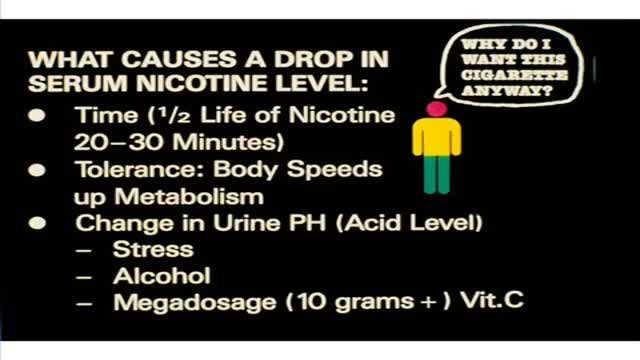
Most people start smoking when they are in their teens and are addicted by the time they reach adulthood. Some have tried to quit but have returned to cigarettes because smoking is such a strong addiction. It is a habit that is very difficult to break. There are many different reasons why people smoke.
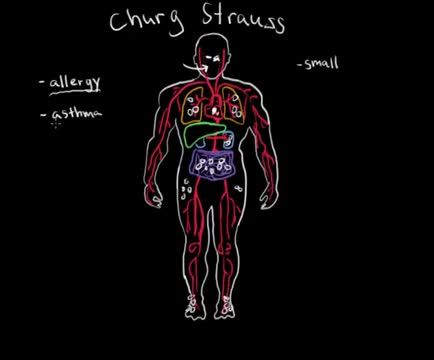
Eosinophilic granulomatosis with polyangiitis (EGPA)—or, as it was traditionally termed, Churg-Strauss syndrome—is a rare systemic necrotizing vasculitis that affects small-to-medium-sized vessels and is associated with severe asthma and blood and tissue eosinophilia. [1] Like granulomatosis with polyangiitis (Wegener granulomatosis), and the microscopic form of periarteritis (ie, microscopic polyangiitis), EGPA is an antineutrophil cytoplasmic antibody (ANCA)–associated vasculitide. [2, 3, 4, 5] In 1951, Churg and Strauss first described the syndrome in 13 patients who had asthma, eosinophilia, granulomatous inflammation, necrotizing systemic vasculitis, and necrotizing glomerulonephritis. [3] In 1990, the American College of Rheumatology (ACR) proposed the following six criteria for the diagnosis of Churg-Strauss syndrome [6] : Asthma (wheezing, expiratory rhonchi) Eosinophilia of more than 10% in peripheral blood Paranasal sinusitis Pulmonary infiltrates (may be transient) Histological proof of vasculitis with extravascular eosinophils Mononeuritis multiplex or polyneuropathy
Biliary atresia is a rare disease of the liver and bile ducts that occurs in infants. Symptoms of the disease appear or develop about two to eight weeks after birth. Cells within the liver produce liquid called bile. Bile helps to digest fat.
The cell membrane is selectively permeable to ions and organic molecules and controls the movement of substances in and out of cells. The basic function of the cell membrane is to protect the cell from its surroundings. It consists of the phospholipid bilayer with embedded proteins.

Fainting occurs when the blood supply to your brain is momentarily inadequate, causing you to lose consciousness. This loss of consciousness is usually brief. Fainting can have no medical significance, or the cause can be a serious disorder. Therefore, treat loss of consciousness as a medical emergency until the signs and symptoms are relieved and the cause is known. Discuss recurrent fainting spells with your doctor. If you feel faint Lie down or sit down. To reduce the chance of fainting again, don't get up too quickly. Place your head between your knees if you sit down. If someone else faints Position the person on his or her back. If the person is breathing, restore blood flow to the brain by raising the person's legs above heart level — about 12 inches (30 centimeters) — if possible. Loosen belts, collars or other constrictive clothing. To reduce the chance of fainting again, don't get the person up too quickly. If the person doesn't regain consciousness within one minute, call 911 or your local emergency number. Check the person's airway to be sure it's clear. Watch for vomiting. Check for signs of circulation (breathing, coughing or movement). If absent, begin CPR. Call 911 or your local emergency number. Continue CPR until help arrives or the person responds and begins to breathe.
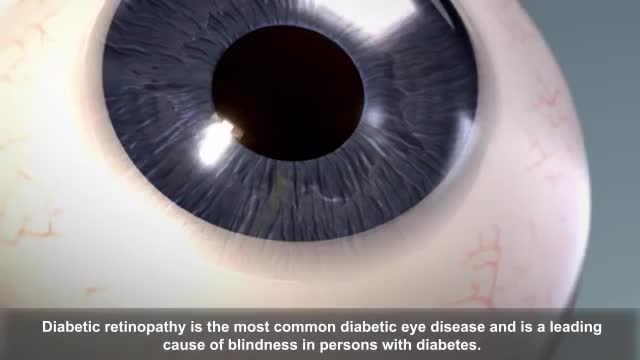
Diabetic retinopathy (die-uh-BET-ik ret-ih-NOP-uh-thee) is a diabetes complication that affects eyes. It's caused by damage to the blood vessels of the light-sensitive tissue at the back of the eye (retina). At first, diabetic retinopathy may cause no symptoms or only mild vision problems. Eventually, it can cause blindness. The condition can develop in anyone who has type 1 or type 2 diabetes. The longer you have diabetes and the less controlled your blood sugar is, the more likely you are to develop this eye complication.

A detailed description of the Hepato-pulmonary syndrome including its definition, pathophysiology, diagnosis and treatment. The pathophysiology includes nitric oxide in the pulmonary vasculature which results in intrapulmonary vasodilatation. This causes the classical and unique symptom of platypnea and orthodeoxia.
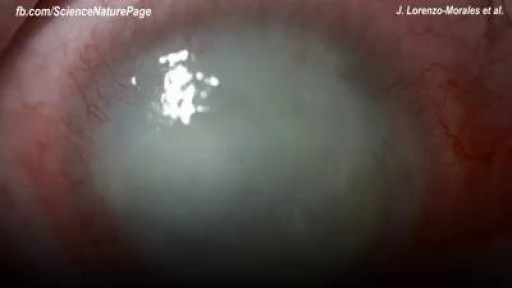
Don't cleanse your contact lenses with tap water.

CRT provides a cost-effective measure for industry to reduce workplace injuries before they occur. CRT uses the latest Isokinetic Testing technology and equipment to match the physical capability of the worker with the physical demands of the job.
