
- Physical Examination
- Surgical Examination
- Ophthalmology
- Clinical Skills
- Orthopedics
- Surgery Videos
- Laparoscopy
- Pediatrics
- Funny Videos
- Cardiothoracic Surgery
- Nursing Videos
- Plastic Surgery
- Otorhinolaryngology
- Histology and Histopathology
- Neurosurgery
- Dermatology
- Pediatric Surgery
- Urology
- Dentistry
- Oncology and Cancers
- Anatomy Videos
- Health and Fitness
- Radiology
- Anaesthesia
- Physical Therapy
- Pharmacology
- Interventional Radiology
- Cardiology
- Endocrinology
- Gynecology
- Emergency Medicine
- Psychiatry and Psychology
- Childbirth Videos
- General Medical Videos
- Nephrology
- Physiology
- Diet and Food Health
- Diabetes Mellitus
- Neurology
- Women Health
- Osteoporosis
- Gastroenterology
- Pulmonology
- Hematology
- Rheumatology
- Toxicology
- Nuclear Medicine
- Infectious Diseases
- Vascular Disease
- Reproductive Health
- Burns and Wound Healing
- Other
Top videos
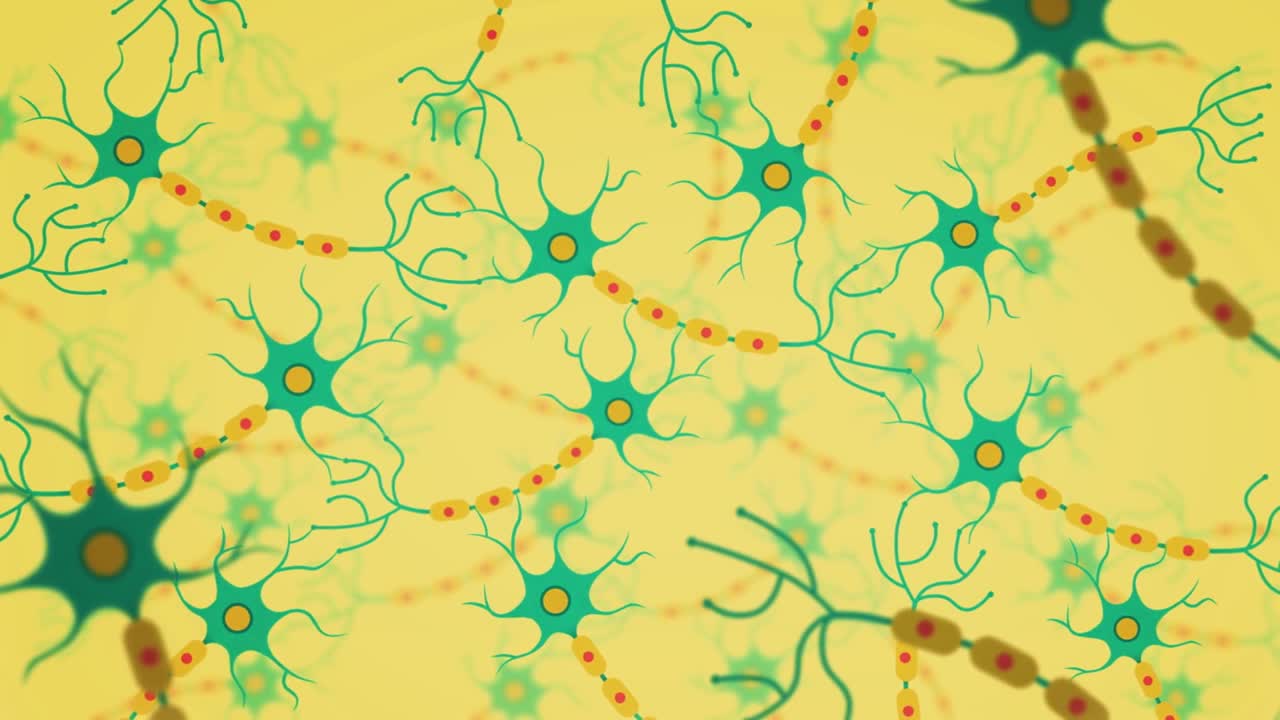

The brain is made up of billions of nerve cells that are specially designed to communicate with each other. They form many connections with one another, creating an intricate network between cells.
A good starting point for any scientist in any field is to recognize that there is much we do not know. We do not know, for example, why there is more matter than antimatter in the universe. We do not know very well how the evolution of the dinosaurs filtered out. And, perhaps most surprising of all is that we do not know very well how many organs the human body has or what all its functions are.

Comment Avoir Un Ventre Plat, Rajeuni, Rajeunir De 10 Ans En 3 Mois, Bruleur De Graisse Musculation --- http://rajeunir-de-10-ans.info-pro.co --- 5 Raisons pourquoi le Cardio Long-Lent n’est PAS bon. En passant à travers les e-mails de clients au cours des derniers jours, j'ai remarqué que beaucoup de gens font encore du cardio longue durée, à faible intensité, beurk! Voici l'affaire: si vous cherchez à obtenir un bénéfice maximal du temps que vous mettez dans vos séances d'entraînement, le cardio de longue durée à faible intensité n'est pas la voie à suivre, et pour de nombreuses raisons. Voici mon top 5: 1. Les calories brûlées minimales: 45 minutes sur le tapis roulant peuvent brûler un énorme 300 calories si vous êtes chanceux, l'équivalent de 50 grammes de graisse. En vous exerçant dix heures par semaine et vous pourriez perdre un demi-kilo! Ce qui m'amène à mon prochain point: 2. Beaucoup trop de temps consacré: Je ne sais pas pour vous, mais je n'ai pas des heures et des heures de mon temps à mettre dans l’entraînement chaque semaine. En fait, je n’ai le temps pour faire que quelques heures d'exercice par semaine, et vous savez quoi? C'est tout ce dont vous avez besoin. En fait, la recherche a montré que plus de 90 minutes par semaine peuvent être nuisibles! (Plus d'infos ici) http://rajeunir-de-10-ans.info-pro.co Au-delà de cela, le cardio à longue durée et faible intensité est: 3. Ennuyeux que diable: Assis sur un vélo d'exercice à regarder le mur en face de moi pendant 45-60 minutes? Non merci. Mais peut-être pire encore est le fait que le cardio de longue durée et à faible intensité ne fournit: Ces 5 étapes Révèlent Les Choses Que Vous Devez ABSOLUMENT ÉVITER Si Vous Voulez Ralentir Le Processus De Vieillissement, Récupérer Votre Santé Et Atteindre Un Corps Idéal. Cliquez Ici: http://rajeunir-de-10-ans.info-pro.co
Honeymoon palsy from another individual sleeping on and compressing one's arm overnight. Saturday night palsy from falling asleep with one's arm hanging over the arm rest of a chair, compressing the radial nerve

The difference between bronchitis and pneumonia is that bronchitis causes an inflammation of the air passages while pneumonia causes fluid in the lungs due to an infection. The common cold however, allows people to remain active and presents itself with a clear runny nose, cough, and a low-grade or no fever.
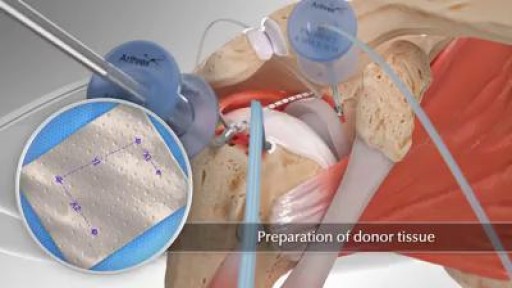
Superior capsule reconstruction (SCR) is a promising alternative treatment for irreparable posterosuperior rotator cuff tears (Figure 1). It utilizes a graft from the superior glenoid to the greater tuberosity to stabilize the humeral head. In a study by Mihata and colleagues of 23 patients who underwent SCR with a fascia lata autograft at a minimum of 2 years follow-up, the American Shoulder and Elbow Surgeons (ASES) score improved significantly from 23.5 preoperatively to 92.9. Postoperative MRI showed 83% of patients had intact reconstructions with no progression of muscle atrophy.
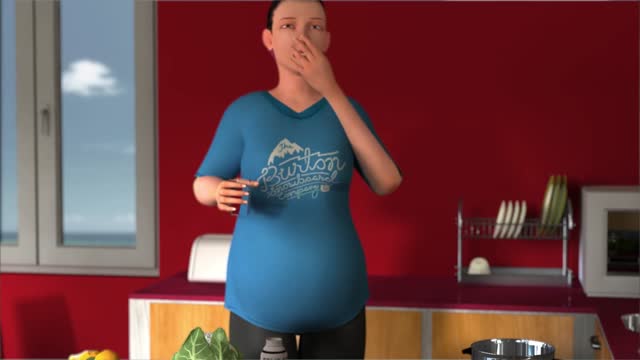
Folic acid, which is also called folate, is a B vitamin. The best food sources of folic acid are fortified cereals. Folic acid plays an important role in the production of red blood cells and helps your baby's neural tube develop into her brain and spinal cord.

-Failure to thrive (FTT) is not a diagnosis in itself; rather, it is a term used to describe failure to gain weight in children younger than two years old. Children categorized as FTT weigh less than the 5th percentile for their age; more severe cases involve a slowing of linear growth and head circumference as well. The three causes of FTT are inadequate calorie intake, inadequate calorie absorption, and increased calorie requirements. Newborn infants need 110 kcal/kg/day, while children up to twelve months need 100

10 Diseases That Will Kill You In A Day
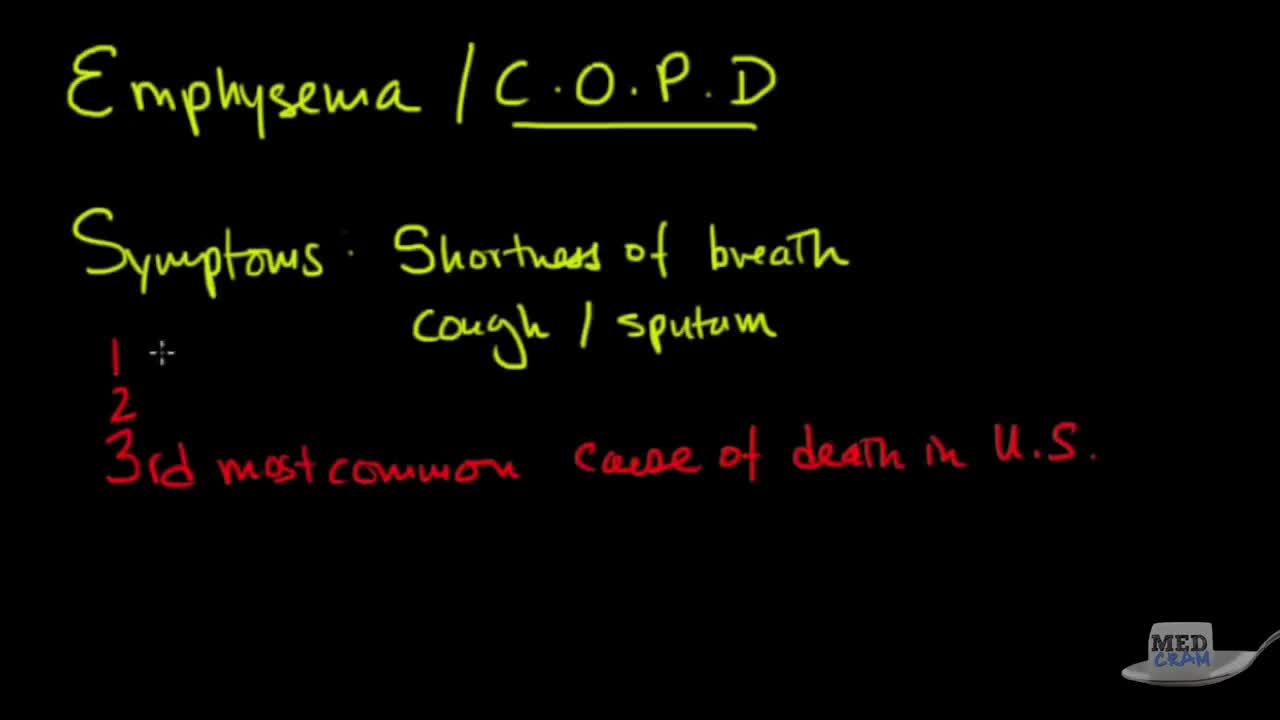
Emphysema, also known as COPD, is a chronic condition with multiple factors that impact survival and life expectancy. Stages of COPD are generally defined using the GOLD criteria (Global Initiative for Chronic Obstructive Lung Disease). It has four levels or stages: mild - or Stage 1.
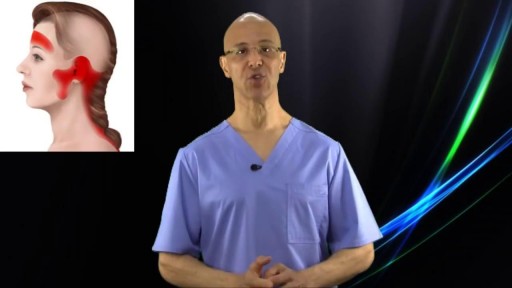
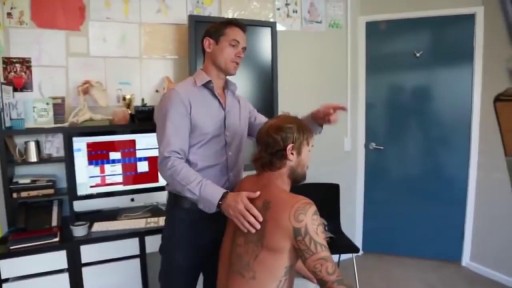
The majority of all headaches are tension related headaches. The blockage of blood circulation along with contraction/shortening of muscles is what causes this condition. This simple technique can take away most tension related headaches in seconds.
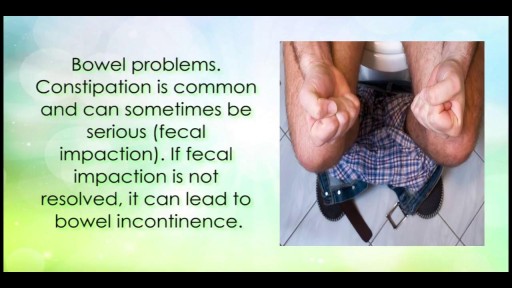
In multiple sclerosis, the immune system attacks the protective sheath called myelin, that covers nerve fibers and causes communication problems between your brain and the rest of your body. Eventually, the disease can cause the nerves to deteriorate or become damaged.
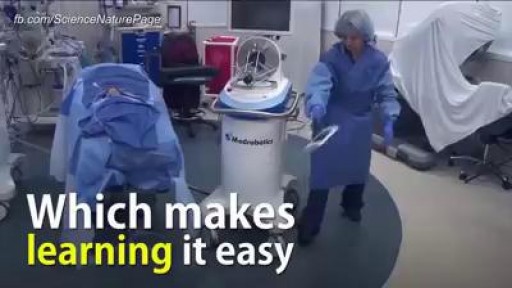
Robotic snakes help surgeons access complex anatomical locations.

Thoracic outlet syndrome is a disorders that occur when blood vessels or nerves in the space between your collarbone and your first rib (thoracic outlet) are compressed. This can cause pain in your shoulders and neck and numbness in your fingers. Common causes of thoracic outlet syndrome include physical trauma from a car accident, repetitive injuries from job- or sports-related activities, certain anatomical defects (such as having an extra rib), and pregnancy. Sometimes doctors can't determine the cause of thoracic outlet syndrome. Treatment for thoracic outlet syndrome usually involves physical therapy and pain relief measures. Most people improve with these approaches. In some cases, however, your doctor may recommend surgery.
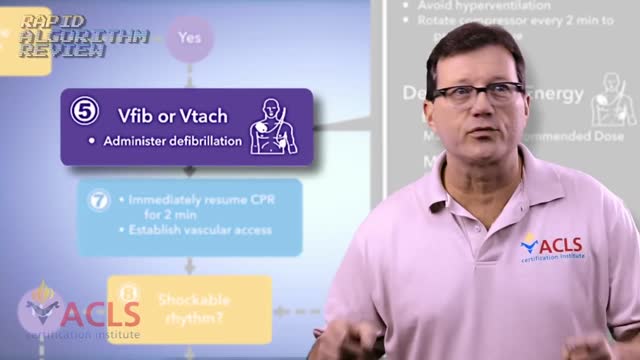
Rapid Algorithm Review Ventricular Fibrillation
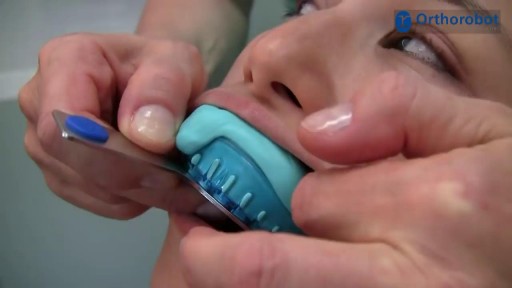
A short introduction on how to take a correction impression. The shown materials are recommended by Orthorobot and have proven to be fully compatible with the Orthorobot lab procedure.

The condition is caused by a blockage in the lymphatic system, part of the immune and circulatory systems. Lymphedema is most commonly caused by lymph node removal or damage due to cancer treatment. The main symptom is swelling in an arm or leg that may be accompanied by pain or discomfort. Exercise, wrapping, massage, and compression can help.
