
Top Videos

Biliary atresia is a rare disease of the liver and bile ducts that occurs in infants. Symptoms of the disease appear or develop about two to eight weeks after birth. Cells within the liver produce liquid called bile. Bile helps to digest fat.
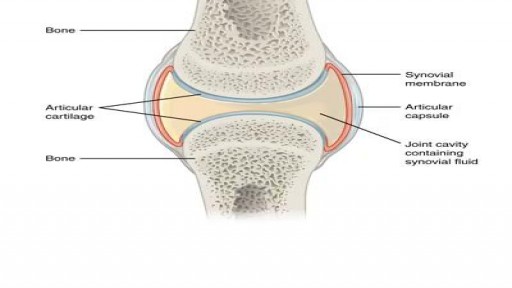
What happens when you crack your joints?
Forzest is the erectile dysfunction tablet meant for treating mens ED disorder, it is approved by FDA and comes in strenght dose 20mg. For more information kindly visit to http://www.medstorerx.com/forzest.aspx

bbmmbmbmbm
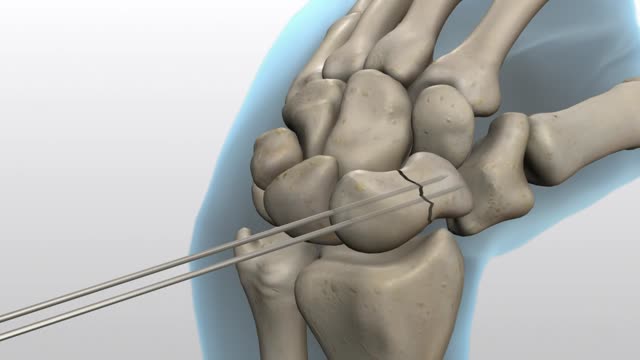
An animation for Acumed demonstrating their new line of screws for fixing fractures. This one is focused on a Scaphoid fracture in the hand.
Pharyngitis is caused by swelling in the back of the throat (pharynx) between the tonsils and the voice box (larynx). Most sore throats are caused by colds, the flu, coxsackie virus or mono (mononucleosis). Bacteria that can cause pharyngitis in some cases: Strep throat is caused by group A streptococcus.
Para El Colon Irritable, Sintomas Del Colon Inflamado, Sindrome Del Intestino Irritable--- http://intestino-irritable-tratamiento.plus101.com --- La Acupuntura y el SII: Los Estudios Clínicos, Hemos investigado directamente sobre el uso de la acupuntura en comparación con la terapia de relajación en pacientes con SII. Esta investigación encontró que la calidad de vida y los síntomas gastrointestinales fueron igualmente satisfactorios en ambos grupos, logrando una reducción significativa en el dolor abdominal. Sin embargo, cuando los pacientes fueron seguidos durante un período de 4 semanas posterior a las pruebas, sólo en el grupo de acupuntura se mantuvo la reducción del dolor. Por otra parte, también se observó también una reducción significativa en la percepción del estrés en el grupo de acupuntura, pero no en el grupo de relajación. La conclusión fue que la acupuntura es una forma efectiva de tratamiento para el SII, sobre todo los síntomas de dolor y el estrés, y que sus beneficios superan a los de los tratamientos de relajación estándar. Podemos concluir que la acupuntura es un tratamiento natural válido para tratar el SII. Hay que encontrar una persona idónea para poder llevar a cabo este proceso y el mismo puede no ser efectivo en el muy corto plazo. Si quiere conocer más acerca de tratamientos naturales para eliminar los dolores causados por el SCI, no deje de visitar el sitio http://intestino-irritable-tratamiento.plus101.com
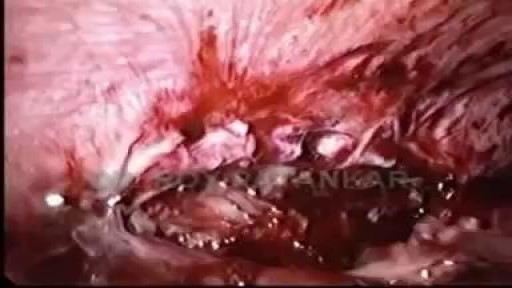
Bacterial abscess of the liver is relatively rare; however, it has been described since the time of Hippocrates (400 BCE), with the first published review by Bright appearing in 1936. In 1938, Ochsner's classic review heralded surgical drainage as the definitive therapy; however, despite the more aggressive approach to treatment, the mortality remained at 60-80%. [1] The development of new radiologic techniques, the improvement in microbiologic identification, and the advancement of drainage techniques, as well as improved supportive care, have reduced mortality to 5-30%; yet, the prevalence of liver abscess has remained relatively unchanged. Untreated, this infection remains uniformly fatal.
http://milagroparaelacne.plus101.com
---Como Quitar Acne Cara. Existe una CAUSA PRINCIPAL DEL ACNÉ. Y no siempre un producto para el acné ataca esta causa. Esto significa que, si bien podrías obtener un beneficio de lociones, u otros productos o terapias, nunca curarás tu acné con ellos.
Es un poco como tener un techo con goteras y "solucionarlo" poniendo recipientes para recoger el agua de lluvia que cae del techo. Para solucionar adecuadamente el techo con goteras, se debe corregir la causa de raíz, que es el agujero en el techo.
Entonces... ¿Cuál Es La Principal
Causa Del ACNE?
La causa del acné es un DESEQUILIBRIO HORMONAL. Esto es algo que las empresas del acné nunca te dirán...
... Sin embargo, saber la causa del acné es una cosa. Descubrir la forma de eliminar eficazmente esta causa es otra cosa...
Como, Quitar, Acne, Cara, manchas de acne, quitar el acne, cicatrices de acne, como quitar granos, como quitar espinillas, cicatrices de acne, eliminar el acne, como eliminar barros, eliminar los barros,
Hepatitis A signs and symptoms, which typically don't appear until you've had the virus for a few weeks, may include: Fatigue Nausea and vomiting Abdominal pain or discomfort, especially in the area of your liver on your right side beneath your lower ribs Clay-colored bowel movements Loss of appetite Low-grade fever Dark urine Joint pain Yellowing of the skin and eyes (jaundice) If you have hepatitis A, you may have a mild illness that lasts a few weeks or a severe illness that lasts several months. Not everyone with hepatitis A develops signs or symptoms.

Chicken Skin Disease, Keratosis Pilaris Lotion, Keratosis Pilaris Laser Treatment, Kp Chicken Skin---- http://banishmybumps.plus101.com/ --- Home Remedies For Keratosis Pilaris. Do you have “chicken skin” that looks like patches on your skin? If yes, you might probably have Keratosis Pilaris. However, do not panic and worry too much. What you should do is to look for the best home remedies for Keratosis Pilaris. But before you proceed with the treatment, you should familiarize yourself on what this skin condition is all about. What is Keratosis Pilaris? Keratosis Pilaris, or KP for short, is an ordinary skin disorder which is characterized by buildup of the tiny bumps in your skin caused by the accretion of keratin inside the follicles of your hair. This benign and non-contagious disorder which can be inherited is also called as “chicken skin”. The Natural Home Cures For Keratosis Pilaris • Regular rubbing of pumice in the inflamed skin part is one from the most efficient natural home cures designed for chicken skin. You could rub a stone when you are already done with foaming. • Use loofah whilst bathing will help you in reducing the visible chicken skin in your body. • Apply an apple cider type of vinegar that is combined with water is also an effective way to get rid of Keratosis Pilaris most especially for children. • Gently rub the granular blend of sugar with two spoonfuls of the sour cream can be used as the simplest herbal home cures for chicken skin. Never use it for children. • Apply yogurt on the inflamed skin and let it stay for 15 until 20 minutes prior to take a shower is also a way on how you can get rid of chicken skin. • You can also use the oil of rose hip or any oil that contains vitamin E and apply it towards the inflamed area. While you are following these home remedies for Keratosis Pilaris, refrain from scrubbing the inflamed skin part vigorously because this can promote irritation on the follicles of your hair. Besides, whenever taking a bath or shower, never use very hot water to avoid drying and roughing of the skin. This could also make the problem worsen. Managing your KP may seem like a winless battle, but there is good news. Recent research has shown that all-natural treatment options, including BanishMyBumps, are successful at stopping keratosis pilaris in its tracks. Learn more at http://banishmybumps.plus101.com/
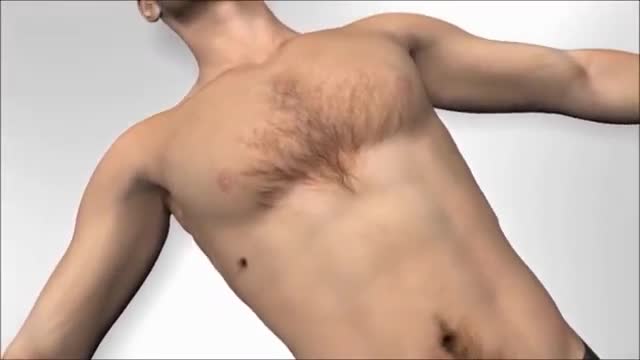
A pneumothorax can be caused by a blunt or penetrating chest injury, certain medical procedures, or damage from underlying lung disease. Or it may occur for no obvious reason. Symptoms usually include sudden chest pain and shortness of breath. On some occasions, a collapsed lung can be a life-threatening event.

http://mylapbandsuccess.plus101.com
---Lap Band Success Stories And Pictures. "My Journey With The Lap Band Has Been Rough... In Fact, I Almost Took Matters Into My Own Hands, And Ended That Journey A few Years Ago...
But the fact that I'm still here today -- slim and happy, is proof that it is possible to overcome, and end your emotional reliance on food, and get the body and life you've always wanted!
Let Me Tell You My Story...
It was the worst week I had since my surgery -- Thanksgiving week. I was at a point where all I was thinking about all day, was food. I had to actually fight to resist my strong cravings...
I just wanted to take one bite of that turkey... just eat one piece of pumpkin pie! I just wanted to be able to taste some of the same things everyone else was eating!
Not Only Was I Still Obese, But I Couldn't Even Enjoy My Own Life!
My cravings were driving me insane, but I did my best to resist the temptation. When I got onto the scales that week, I was dumb-founded - My weight loss had stalled! All the agony and deprivation I'd suffered... was for nothing!
I was so angry at myself for even putting me in such a low, pitiful state in the first place! I was to blame for the way I looked! I was frustrated and... I felt helpless!
My Weight Loss Had Stalled...
Ok, so maybe I needed another refill but nothing could improve my emotional state-of-mind...
I became so disillusioned that I could not remember my reasonsfor wanting to lose weight, and how critical it was for me to resist my favorite foods. All I thought, was that the lap band was not working for me... and I gave in!
I Was Once Too Embarrassed To Share My Story With Anyone, But I'm Telling It To You Today, So You'll Know That You're Not Alone!...
I had lost all hope of losing weight, that I began to out-eat my band, and find ways to cheat it...
One of my favorite foods before the surgery was french fries dipped in a mix of mayonnaise and ketchup. Since I couldn't have it after the lap band, I improvised... and blended it!
I Would Actually Put Fries, Mayo And Ketchup Into A Blender... And Then Drink It!
If you've ever fallen off the wagon then I don't have to tell you about theguilt that sets in after-wards...
I'd drink it, then I'd feel guilty and start to cry...
It would make me sick... but I did it anyway!
I hated myself for doing it... but I did it anyway!
When the scales began to creep back up again, I knew why... but I didn't know what to do about it!
I felt like my life was in a tail-spin. The worst part was that I was just too embarrassed & humiliated to talk to anyone about it!
Have you ever felt that way?
To find out what happened next, scroll down!
In an amazing twist of fate, find out how I found it easier to lose the last 132 lbs than it ever was to lose the first 60 lbs!"
By April Cannon
Lap, Band, Success, Stories, And, Pictures, Laparoscopic, gastric, Banding, costs, stomach, surgery, diet, successfull, Raisa Khan, April Cannon
Find Out More at https://medwayhealthcare.com/
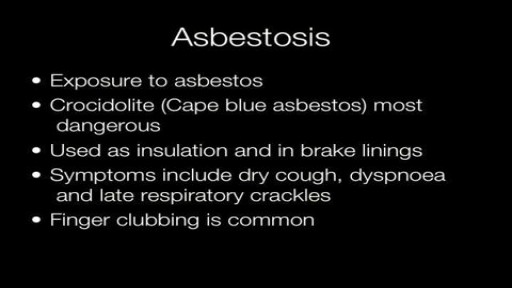
The most common symptoms of pneumoconiosis are cough and shortness of breath. The risk is generally higher when people have been exposed to mineral dusts in high concentrations and/or for long periods of time. Inadequate or inconsistent use of personal protective equipment (PPE) such as respirators (specially fitted protective masks) is another risk factor since preventing dusts from being inhaled will also prevent pneumoconiosis. Pneumoconiosis does not generally occur from environmental (non-workplace) exposures since dust levels in the environment are much lower.
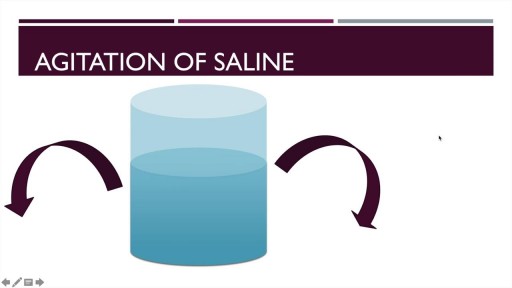
A detailed description of the Hepato-pulmonary syndrome including its definition, pathophysiology, diagnosis and treatment. The pathophysiology includes nitric oxide in the pulmonary vasculature which results in intrapulmonary vasodilatation. This causes the classical and unique symptom of platypnea and orthodeoxia.
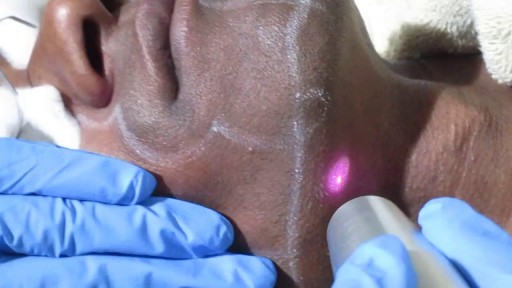
Skin Whitening in Delhi ! Skin Lightening By Best Dermatologist in Delhi
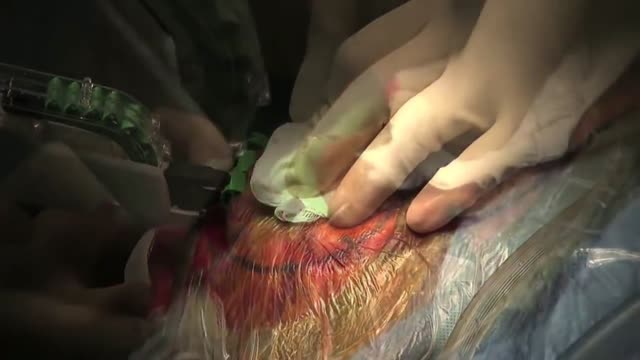
Surgery is an alternative for some people whose seizures cannot be controlled by medications. It has been used for more than a century, but its use dramatically increased in the 1980s and 90s, reflecting its effectiveness as an alternative to seizure medicines. The benefits of surgery should be weighed carefully against its risks, however, because there is no guarantee that it will be successful in controlling seizures. People with partial epilepsy who are considered for surgery have difficult-to-control seizures that have not responded to aggressive treatment with medication. In the past, patients usually tried several medications with poor results for many years, even decades, before being considered for surgery. More recently, surgery is being considered sooner. Studies have shown that the earlier surgery is performed, the better the outcome. Surgery is now being performed on some people whose seizures have been uncontrolled for only 1 or 2 years. At least two single drugs and a combination of two or more drugs should be tried before surgery is considered. Epilepsy surgery can be especially helpful to people who have seizures from structural brain problems (such as benign brain tumors, strokes or malformations of blood vessels).
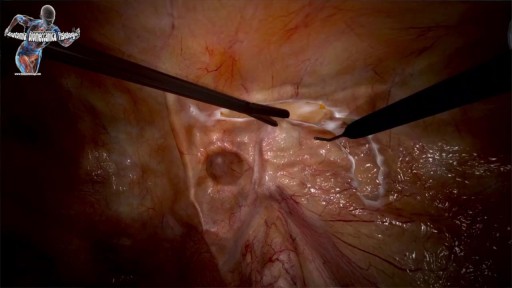
The future of Medicine - Il futuro della medicina - Die Zukunft der Medizin: High Tech, Robots, VR ⚡️Anatomia Biomeccanica Fisiologia by Ticinosthetics: tutto gira attorno alla palestra ©️2017 - www.ticinostheticsgs.com
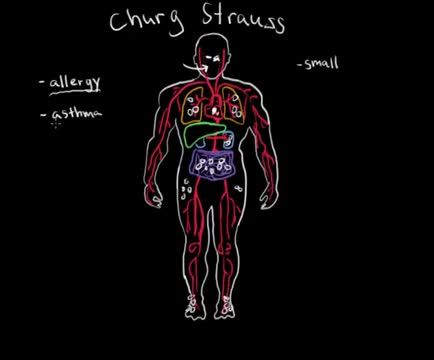
Eosinophilic granulomatosis with polyangiitis (EGPA)—or, as it was traditionally termed, Churg-Strauss syndrome—is a rare systemic necrotizing vasculitis that affects small-to-medium-sized vessels and is associated with severe asthma and blood and tissue eosinophilia. [1] Like granulomatosis with polyangiitis (Wegener granulomatosis), and the microscopic form of periarteritis (ie, microscopic polyangiitis), EGPA is an antineutrophil cytoplasmic antibody (ANCA)–associated vasculitide. [2, 3, 4, 5] In 1951, Churg and Strauss first described the syndrome in 13 patients who had asthma, eosinophilia, granulomatous inflammation, necrotizing systemic vasculitis, and necrotizing glomerulonephritis. [3] In 1990, the American College of Rheumatology (ACR) proposed the following six criteria for the diagnosis of Churg-Strauss syndrome [6] : Asthma (wheezing, expiratory rhonchi) Eosinophilia of more than 10% in peripheral blood Paranasal sinusitis Pulmonary infiltrates (may be transient) Histological proof of vasculitis with extravascular eosinophils Mononeuritis multiplex or polyneuropathy