
- Procedures & Tests
- Symptoms A-Z
- Symptom Checker
- Kidney Diet
- First Aid
- Anatomy Atlas
- Ask MedicalVideos
- Drug Guide
- Lab Values
- Vital Signs
- Muscles A–Z
- Clinical Signs
- Medical Abbreviations
- Medical Terminology
- Physical Examination
- Surgical Examination
- Ophthalmology
- Clinical Skills
- Orthopedics
- Surgery Videos
- Laparoscopy
- Pediatrics
- Medical Humor
- Cardiothoracic Surgery
- Nursing Videos
- Plastic Surgery
- Otorhinolaryngology
- Histology and Histopathology
- Neurosurgery
- Dermatology
- Pediatric Surgery
- Urology
- Dentistry
- Oncology and Cancers
- Anatomy Videos
- Health and Fitness
- Radiology
- Anaesthesia
- Physical Therapy
- Pharmacology
- Interventional Radiology
- Cardiology
- Endocrinology
- Gynecology
- Emergency Medicine
- Psychiatry and Psychology
- Childbirth Videos
- General Medical Videos
- Nephrology
- Physiology
- Diet and Food Health
- Diabetes Mellitus
- Neurology
- Women Health
- Osteoporosis
- Gastroenterology
- Pulmonology
- Hematology
- Rheumatology
- Toxicology
- Nuclear Medicine
- Infectious Diseases
- Vascular Disease
- Reproductive Health
- Burns and Wound Healing
- Kidney Zone Podcast
- Other
Top videos
The most-watched medical videos on MedicalVideos.com — ranked by views from our community of medical students, healthcare professionals, and patients learning how the body works.
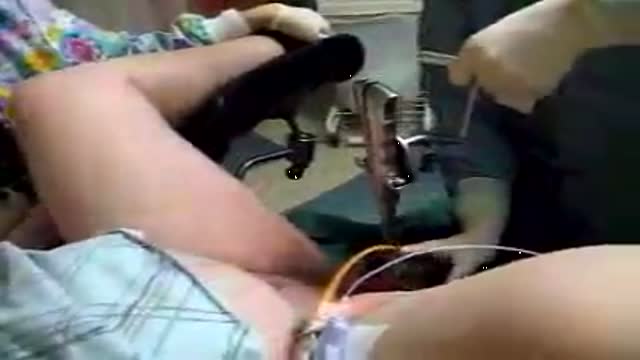

This short video records the final moments of a forceps-assisted delivery in a hospital room, filmed as it happens. The audio is the care team's coaching as the mother pushes, ending with the announcement that the baby is a girl. There is no narration; the recording is a documentary record of an assisted birth.
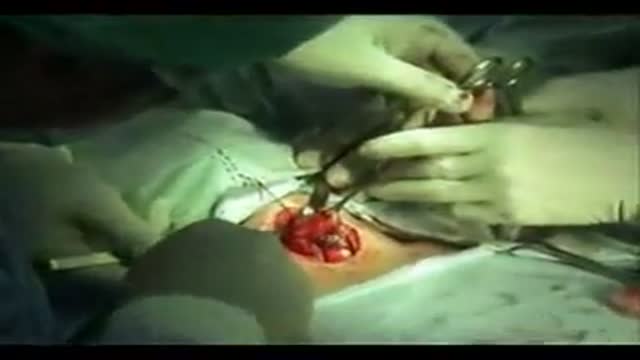
Silent footage shows a thyroidectomy, the surgical removal of the thyroid gland. The recording presents the operation in an operating setting without narration, following the surgical team's work step by step. It is shared for education in endocrine and general surgery and in the operative care of thyroid disease.
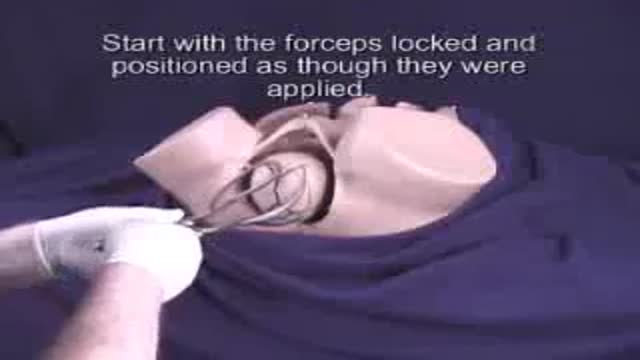

Forceps are used to assist in labor and delivery. Forceps delivery is considered an operative obstetric procedure
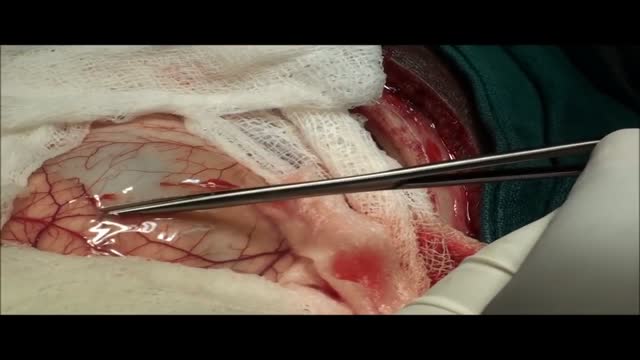
The Hydatid cyst in the video weighed approximately 300gms and had a diameter of 9 cms .

In this video I show the steps to give a woman a full body energy orgasm without even touching her.

Labia minoraplasty is an elective procedure that can reduce the size and reshape the inner vaginal lips. Large or asymmetrical labia minora can leave you feeling self-conscience in tight clothing or during intimacy. Long labia may result in rubbing, irritation or discomfort during intercourse and exercise. Certain skin conditions can cause increased sensitivity or tearing of the labia minora. In some cases, the labia minora may be fused with tissue in the labia majora and require medical correction.
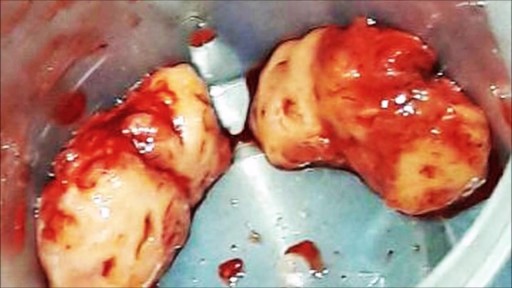
Tonsil stones are hard yellow or white formations that are located on or within the tonsils. It’s common for people with tonsil stones to not even realize they have them. Tonsil stones aren’t always easily visible and they can range from rice- to pea-sized. Tonsil stones rarely cause larger health complications. However, sometimes they can grow into larger tonsilloliths which can cause your tonsils to swell
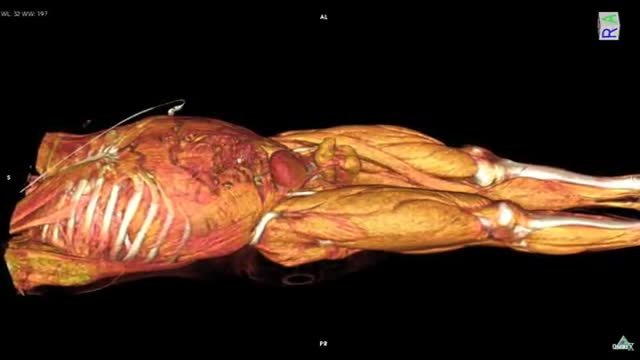
Silent footage presents a whole-body CT scan performed with contrast media in HD. The recording shows the scan images without spoken narration, following the cross-sectional series through the body in sequence. It is a visual reference for radiology and cross-sectional imaging, and runs about two and a half minutes.

aricose veins are gnarled, enlarged veins. Any vein may become varicose, but the veins most commonly affected are those in your legs and feet. That's because standing and walking upright increases the pressure in the veins of your lower body. For many people, varicose veins and spider veins — a common, mild variation of varicose veins — are simply a cosmetic concern. For other people, varicose veins can cause aching pain and discomfort. Sometimes varicose veins lead to more-serious problems.

Watch that video for a Man Survives Steel Pipe Penetrated His Head
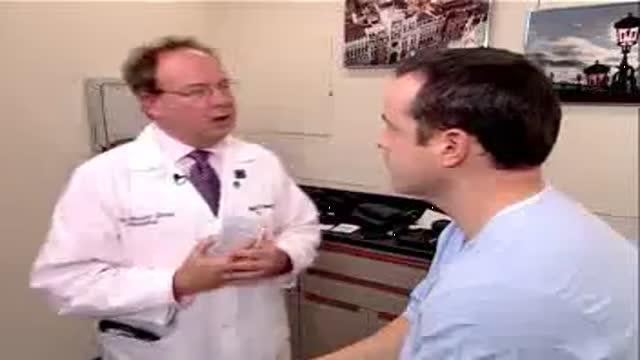
This narrated teaching demonstration shows a complete eye and vision examination on a patient. The examiner tests visual acuity with a pocket Snellen chart, checks eye movements and convergence, and demonstrates ophthalmoscopic examination of the retina with several types of ophthalmoscope. It is a study resource for clinical examination skills.

This silent recording illustrates human embryo and fetal development. The sequence presents the stages of development from embryo to fetus without spoken narration, following the growing structures in turn. It is a visual study aid for embryology and childbirth education.
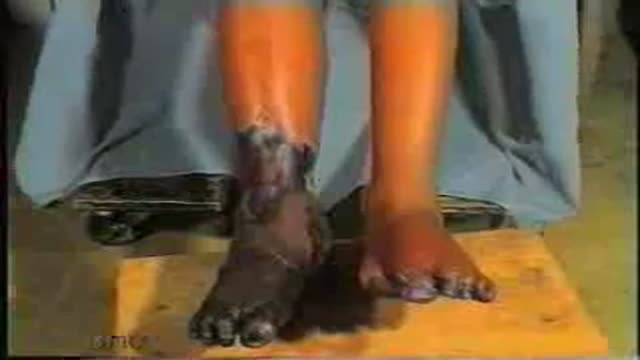
This narrated surgical teaching film demonstrates the examination of a case of peripheral vascular disease. The examiner inspects the ischemic limb, palpates the arterial pulses at several levels and listens for bruits, and performs special tests including Buerger's test, capillary filling time, and Allen's test. It is a comprehensive study resource for surgical examination.
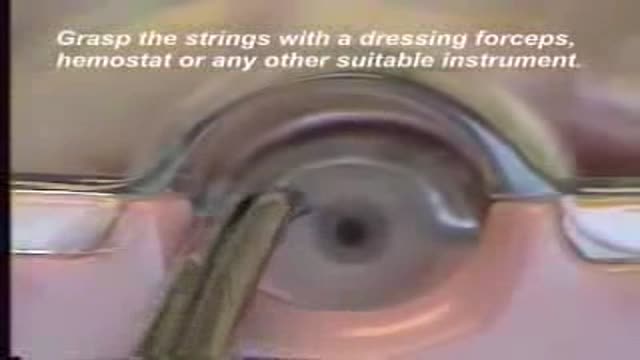
This short instructional recording explains removal of an intrauterine device (IUD). The narration describes identifying the IUD strings at the cervix, grasping them with forceps, and pulling steadily so the flexible device collapses as it passes through the cervical canal. It is a brief clinical-skills reference for contraceptive care.
This narrated teaching video demonstrates the clinical abdominal examination. The examiner works through inspection of contours and symmetry, auscultation for bowel and vascular sounds, percussion and palpation, and checking for costovertebral angle tenderness. It is a detailed study resource for clinical examination skills.
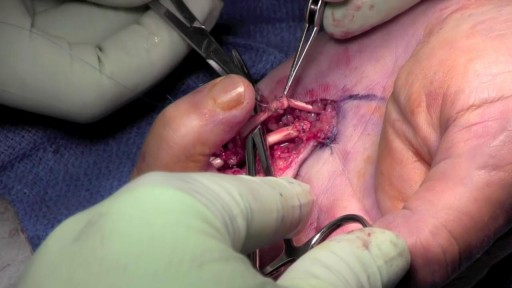
This narrated surgical video shows a zone 2 flexor tendon repair in the little finger after a laceration. The surgeon plans the exposure, repairs the superficialis and profundus tendons, and checks that they glide freely without impinging on the pulley before closure. It is presented for education in hand surgery.

This silent comedy sketch plays on the idea of a caveman encountering modern intermittent catheter use. The recording is a light-hearted promotional skit made by a medical supply company, rather than a clinical demonstration, and it carries no spoken narration. It sits in the site's medical humor collection.
This television-style report follows an eight-year-old girl returning to surgery at Johns Hopkins after her slow-growing brain tumor recurred. Her parents explain why they sought out pediatric neurosurgeon Dr. Ben Carson after other centres declined the risky operation, and Carson reflects on what such cases mean to him. It is a human-interest medical report.

Despite its title, this narrated explainer is about fertility awareness through cervical mucus patterns, not a calculator tool. It explains how mucus changes across the menstrual cycle mark fertile and infertile times, and how recognising the pattern relates to achieving or avoiding pregnancy. It is a reproductive-health education video.
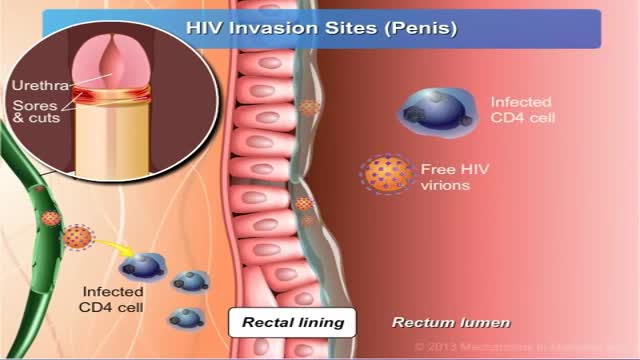
HIV is spread only in certain body fluids from a person infected with HIV. These fluids are blood, semen, pre-seminal fluids, rectal fluids, vaginal fluids, and breast milk. In the United States, HIV is spread mainly by having sex or sharing injection drug equipment, such as needles, with someone who has HIV. To reduce your risk of HIV infection, use condoms correctly every time you have vaginal, oral, or anal sex. Don’t inject drugs. If you do, use only sterile injection equipment and water and never share your equipment with others. Pre-exposure prophylaxis (PrEP) is an HIV prevention option for people who don’t have HIV but who are at high risk of becoming infected with HIV. PrEP involves taking a specific HIV medicine every day. PrEP should always be combined with other prevention options, such as condoms.
Medical Videos
Free medical and surgery videos for patients, students and professionals — trusted since 2007.
Founded by Dr. Mohamed Ibrahim, MD, PhD — physician-scientist.
Follow us on Facebook · Instagram