
- Physical Examination
- Surgical Examination
- Ophthalmology
- Clinical Skills
- Orthopedics
- Surgery Videos
- Laparoscopy
- Pediatrics
- Funny Videos
- Cardiothoracic Surgery
- Nursing Videos
- Plastic Surgery
- Otorhinolaryngology
- Histology and Histopathology
- Neurosurgery
- Dermatology
- Pediatric Surgery
- Urology
- Dentistry
- Oncology and Cancers
- Anatomy Videos
- Health and Fitness
- Radiology
- Anaesthesia
- Physical Therapy
- Pharmacology
- Interventional Radiology
- Cardiology
- Endocrinology
- Gynecology
- Emergency Medicine
- Psychiatry and Psychology
- Childbirth Videos
- General Medical Videos
- Nephrology
- Physiology
- Diet and Food Health
- Diabetes Mellitus
- Neurology
- Women Health
- Osteoporosis
- Gastroenterology
- Pulmonology
- Hematology
- Rheumatology
- Toxicology
- Nuclear Medicine
- Infectious Diseases
- Vascular Disease
- Reproductive Health
- Burns and Wound Healing
- Other
Top videos
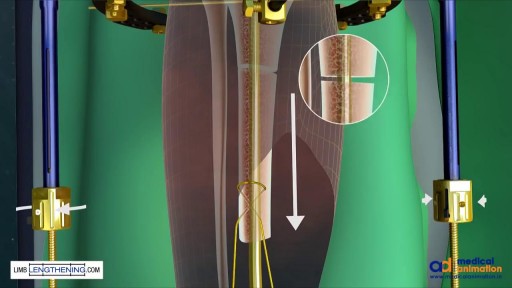


Diabetic Foot Care, Diabetes Care Toronto
How To Stop Hair Loss Naturally, Hair Regrowth Shampoo, Tips For Hair Regrowth, Hair Loss Stop--- http://how-to-regrow-your-hair.info-pro.co/ --- Natural Hair Regrowth Treatment, Looking for ideas on natural hair regrowth treatment? There are actually a lot of safe and effective natural methods that you can try in order to reverse hair loss. So what are those natural methods? Here are some of them: Eat your way to better hair: Hard to believe isn’t it? To think that what you’re actually eating can affect your hair in so many ways, positively and negatively. Want to slow down the process of hair loss and get your hair back to the healthy original state you always remembered it in? Then you might want to start transitioning over to a low fat high fiber diet. Aside from this, you’ll also want to concentrate on foods that contain biotins, which play an essential role in maintaining healthy hair. Fish, cooked eggs, whole milk, and various nuts and fruits – all of these are good sources of biotins so it’s best that you take note of them. Drink plenty of water: It’s not only that gets thirsty, as even your hair requires the moisture that water provides. Dehydration can lead to symptoms like constipation, eczema, thick dandruff, wrinkly skin, foul breath and hair loss. Remember that your body is made up of 98% water and you need to maintain it at optimum levels if you want to keep your hair in place. An easy way to quickly replenish and establish enough water in your body is to routinely drink at least 8 ounces of water immediately after you urinate. You’ll know you’re getting enough water when you observe that you are urinating more frequently. Supplements: The fact that you are experiencing hair loss is a surefire indication that something is amiss in the nutrition department. If you are however looking for a definitive guide on the products that will be available, one useful source you can use will be found at http://how-to-regrow-your-hair.info-pro.co/
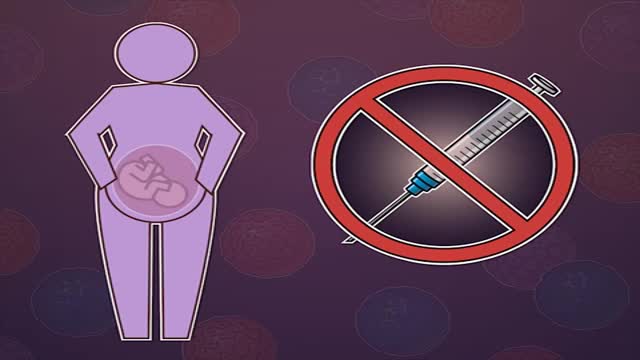
HPV causes genital warts and cervical and other anogenital cancers. The HPV vaccine is recommended for girls and women 9 to 26 years of age to reduce infections, but information on safety in pregnant women is limited.

A blood test to measure calcium, phosphorous and vitamin D levels can usually confirm a diagnosis of rickets, although your child may also have some X-rays or possibly a bone density scan (DEXA scan). This is a type of X-ray that measures the calcium content in bones.
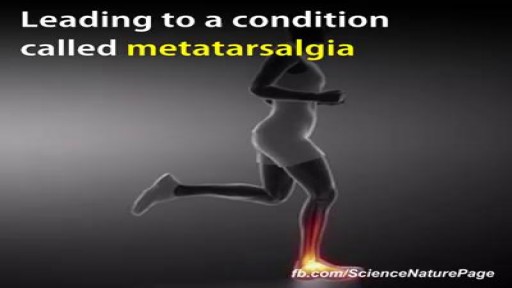
While it is unclear whether high heel shoes may or may not cause back pain, it is common for high heels to exacerbate an already present spinal condition. ... This pain in the back may also result from foot or leg fatigue that results from wearing these shoes and this can affect whole body mechanics.
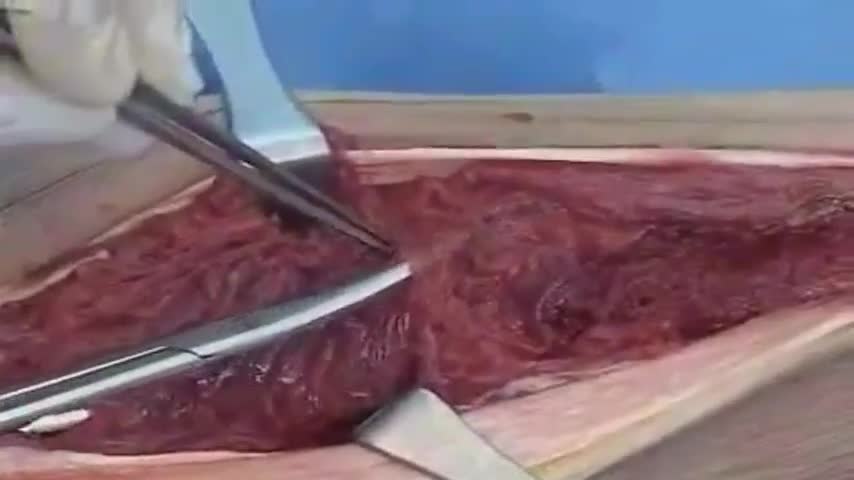
Our results in this study of MIPO treated with conventional plates are comparable to the results of the femoral shaft fractures treated with intramedullary nailing. The technique can be used for all femoral shaft fractures. Although the biomechanics of the plate fixation are less stable compared to the intamedullary nail, the mechanical stability is stable enough for bone healing. Healing was rapid, and postoperative care was simplified. The two major complications were malalignment and screw breakage. We recommend using at least three separated screws in each fragment to prevent stress on the screw and screw breakage. Intraoperative limb length, axial alignment, and rotation must be carefully assessed to prevent malalignment. The limitations of our study include lack of a comparison group, retrospective data collection, and no randomisation in outcome evaluation
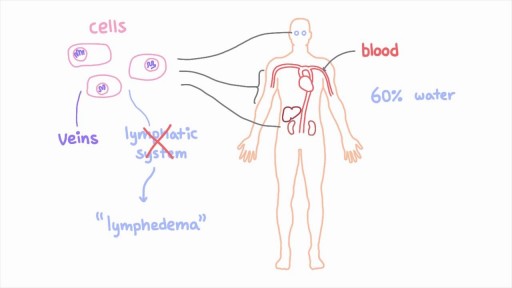
The lymphatic system is a network of specialized vessels (lymph vessels) throughout the body whose purpose is to collect excess lymph fluid with proteins, lipids, and waste products from the tissues. This fluid is then carried to the lymph nodes, which filter waste products and contain infection-fighting cells called lymphocytes. The excess fluid in the lymph vessels is eventually returned to the bloodstream. When the lymph vessels are blocked or unable to carry lymph fluid away from the tissues, localized swelling (lymphedema) is the result.
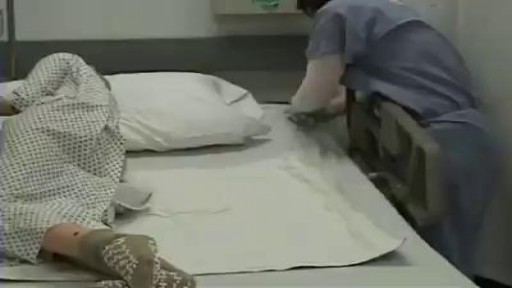
How to change Bed sheet/Bedding of someone Sick or bedridden Elders at home.. Everyone needs it at sometime,
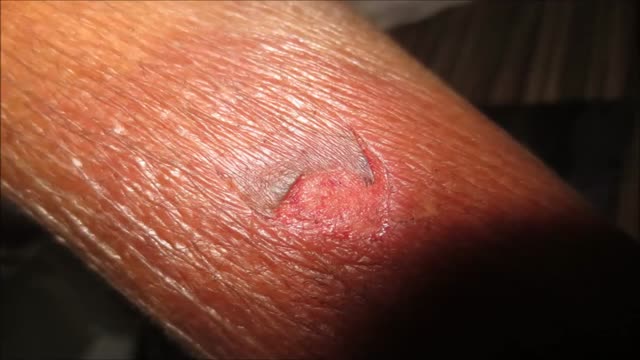
Approximately 10%-15% of human bite wounds become infected owing to multiple factors. The bacterial inoculum of human bite wounds contains as many as 100 million organisms per milliliter and is made up of as many as 190 different species. Many of these are anaerobes that flourish in the low redox environment of tartar that lies between human teeth or in areas of gingivitis. Most injuries due to human bites involve the hands. Hand wounds, regardless of the etiology, have a higher rate of infection than do those in other a locations. (See Pathophysiology and Etiology.) Infections associated with human bites are often far advanced by the time they receive appropriate care. Patients often wait until infection is well established before seeking medical treatment. These wounds are frequently more extensive than estimated on initial examination by the inexperienced observer and are frequently managed inadequately. (See Prognosis, Presentation, Treatment, and Medication.) Human bites have been shown to transmit hepatitis B, hepatitis C, herpes simplex virus (HSV), syphilis, tuberculosis, actinomycosis, and tetanus. Evidence suggests that it is biologically possible, but quite unlikely, to transmit human immunodeficiency virus (HIV) through human bites. (See Pathophysiology, Presentation, and Workup.)
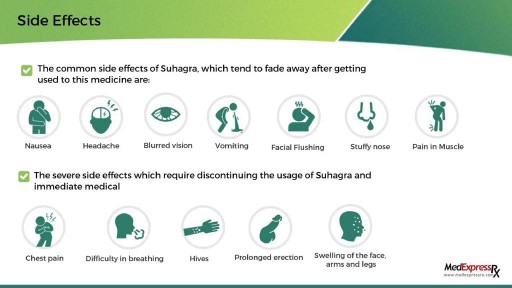
For More Information Kindly Visit : https://www.medexpressrx.com/suhagra.aspx
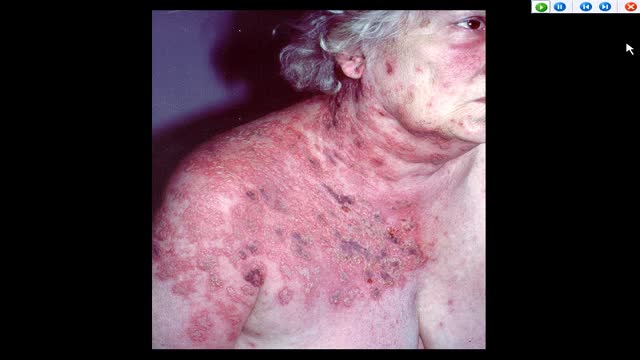
AUTO-HEMOTHERAPY IN HERPES CASES. THE STORY OF A DOCTOR IN FERME-NEUVE. CBC NEWS 1977
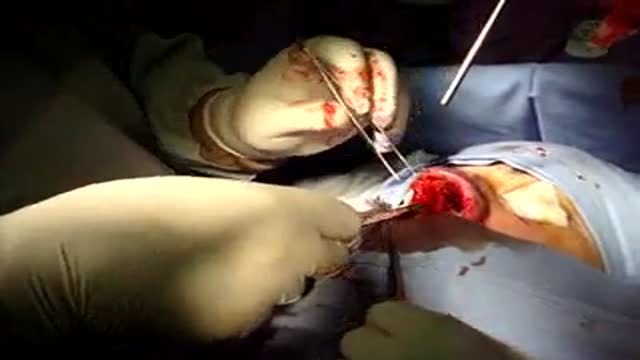
RHINOPLASTY IN QATAR-DUBAI HOSPITAL-QATAR-DOHA AMERICAN BOARD CERTIFICATE AESTHETIC MEDICINE
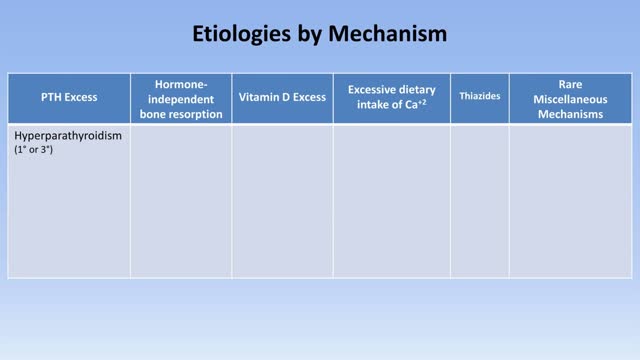
Hypercalcemia is a condition in which the calcium level in your blood is above normal. Too much calcium in your blood can weaken your bones, create kidney stones, and interfere with the way your heart and brain works. Hypercalcemia most commonly results from overactive parathyroid glands. These four tiny glands are each about the size of a grain of rice and are located on or near the thyroid gland. Other causes of hypercalcemia include cancer, certain other medical disorders, some medications, and excessive use of calcium and vitamin D supplements. Signs and symptoms of hypercalcemia may range from nonexistent to severe. Treatment depends on the underlying cause.
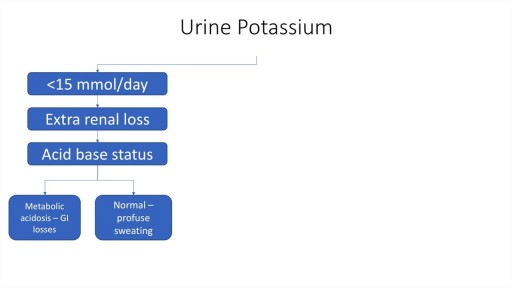
A step by step approach to Hypokalaemia including causes, diagnosis and management.
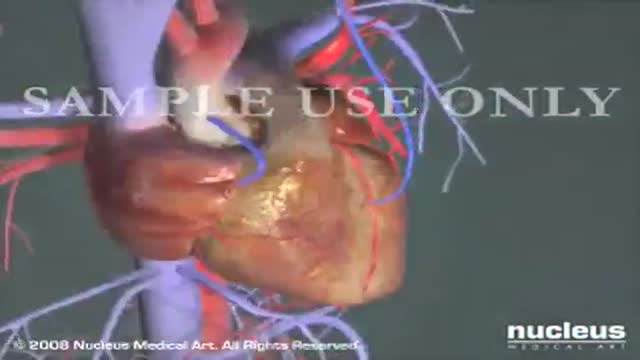
Coronary Artery Bypass Surgery CABG Heart
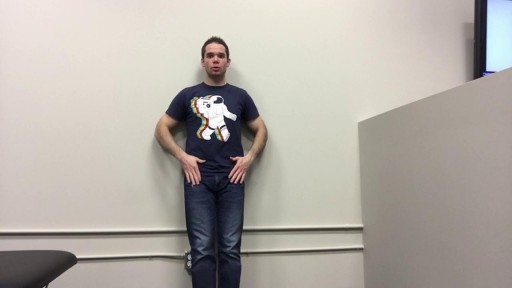
Today, we're going to expand on our past postural work and exercises. We have taken a look at a few variations of this exercise. The next progression is to move into standing against the wall. This exercise hits many different spots including your pecs and mid-back. The key is to breathe and work on it slowly. Stick with it and you'll make some change! Check us out on Social Media! Facebook: https://www.facebook.com/striveptandperformance/ Instagram: https://www.instagram.com/striveptandperf/ Twitter: https://twitter.com/StrivePTandPerf Blog: http://www.strivept.ca/blog
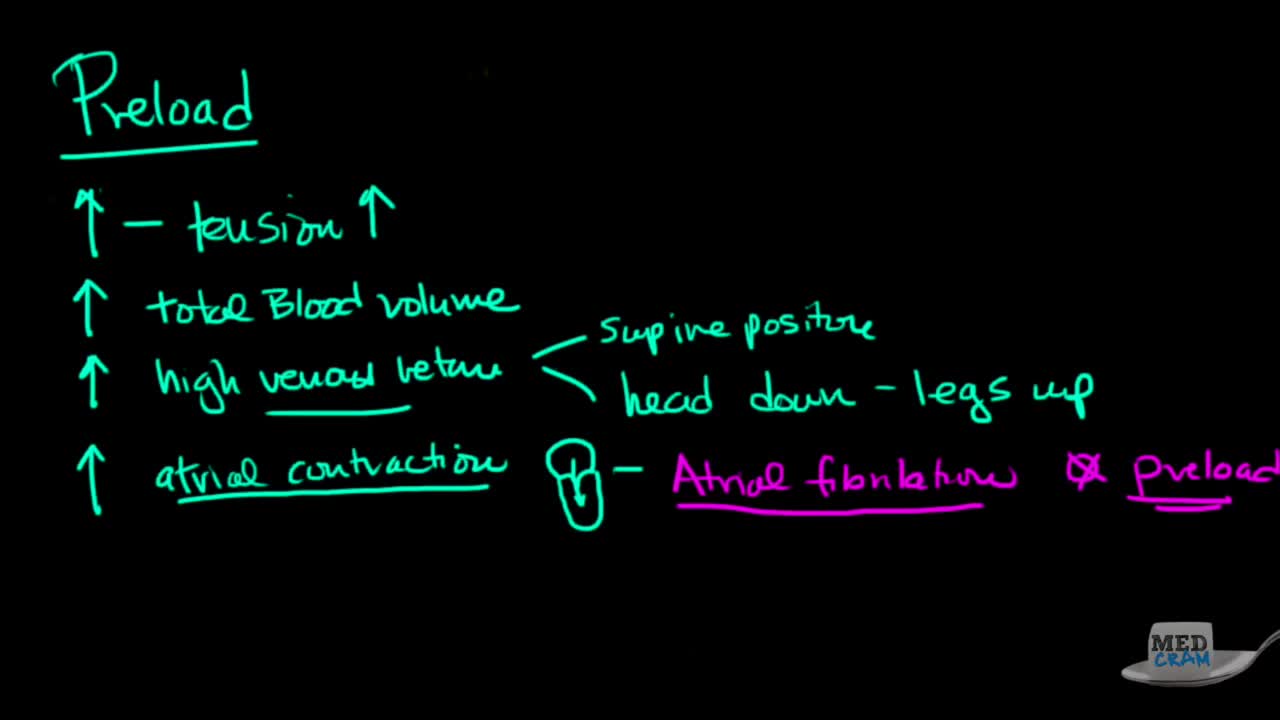
Not all conditions that lead to heart failure can be reversed, but treatments can improve the signs and symptoms of heart failure and help you live longer. Lifestyle changes — such as exercising, reducing salt in your diet, managing stress and losing weight — can improve your quality of life.
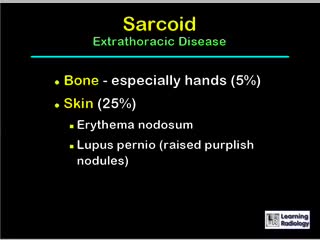
A diagnosis of sarcoidosis is established on the basis of compatible clinical and radiologic findings and histologic evidence of the presence of noncaseous epithelioid cell granulomas in one or more organs and the absence of causative organisms or particulates (16). Granulomas of known causes and local sarcoidlike reactions must be excluded. Granulomatous lesions may result from many conditions, including tuberculosis, berylliosis, leprosy, hypersensitivity pneumonitis, Crohn disease, primary biliary cirrhosis, and fungal disease. Moreover, local sarcoidlike reactions may be seen in lymph nodes that drain a neoplasm or a site of chronic inflammation (19). Such reactions also have been seen in patients who have undergone chemotherapy and radiation therapy (23). If biopsy of lymph nodes or pulmonary or pleural tissue is necessary for diagnosis, one of three techniques may be used: transbronchial biopsy, CT-guided biopsy, or surgical biopsy (24). The use of a surgical technique may be warranted when the results of biopsy with another procedure are not definitive and biopsy of mediastinal lymph nodes, lung, or both is required. This can generally be done with minimally invasive procedures, such as cervical mediastinoscopy, the Chamberlain procedure (a parasternal minithoracotomy for biopsy of the aortopulmonary window or para-aortic nodes), or video-assisted thoracoscopic surgical biopsy (25).
