
- Physical Examination
- Surgical Examination
- Ophthalmology
- Clinical Skills
- Orthopedics
- Surgery Videos
- Laparoscopy
- Pediatrics
- Funny Videos
- Cardiothoracic Surgery
- Nursing Videos
- Plastic Surgery
- Otorhinolaryngology
- Histology and Histopathology
- Neurosurgery
- Dermatology
- Pediatric Surgery
- Urology
- Dentistry
- Oncology and Cancers
- Anatomy Videos
- Health and Fitness
- Radiology
- Anaesthesia
- Physical Therapy
- Pharmacology
- Interventional Radiology
- Cardiology
- Endocrinology
- Gynecology
- Emergency Medicine
- Psychiatry and Psychology
- Childbirth Videos
- General Medical Videos
- Nephrology
- Physiology
- Diet and Food Health
- Diabetes Mellitus
- Neurology
- Women Health
- Osteoporosis
- Gastroenterology
- Pulmonology
- Hematology
- Rheumatology
- Toxicology
- Nuclear Medicine
- Infectious Diseases
- Vascular Disease
- Reproductive Health
- Burns and Wound Healing
- Other
Top videos


How to Tell if Knee Pain is Meniscus or Ligament Injury
Youtube Channel: https://www.youtube.com/user/physicaltherapyvideo
Website: https://bobandbrad.com/
Bob and Brad discuss how to tell if you are having a meniscus or ligament injury. They also include some tests you can try at home to distinguish the two.
Interested in learning about the products mentioned in today's video:
1) Booyah Stik: https://store.bobandbrad.com
This Week's Giveaway:
Giveaway Link: https://bobandbrad.com/bob-and-brad-giveaways
Purchase Link: https://store.bobandbrad.com/
Discount: 15% off your entire purchase using code BOBBRADFAN
This giveaway is open to all of our fans worldwide!!
If you order a grip & forearm strengthener now AND you end up winning the giveaway, we will reimburse your purchase! No need to hold off on purchasing Bob and Brad’s Grip & Forearm Strengthener!
Our videos offer the best "get fit , stay healthy, and pain-free" information directed toward people 0 to 101 years old. Physical Therapists Bob Schrupp and Brad Heineck have over 50 years of combined com/shop/physicaltherapyvideo We try to add a twist of our humor into each video in our quest to be the "Most Famous experience in the physical therapy field. Not only will these videos provide outstanding health information on treating yourself at home, we also do product reviews. For our favorite products on Amazon click on this link. https://www.amazon. Physical Therapists on the Internet" In our opinion of course!!! Subscribe to us now and join the fun.
Visit us on our other social media platforms:
Website: https://bobandbrad.com/
Facebook: https://www.facebook.com/BobandBrad/
Instagram: https://www.instagram.com/officialbobandbrad/
Twitter: https://twitter.com/ptfamous
Bob and Brad’s Products:
Grip and Forearm Strengthener: https://store.bobandbrad.com/
Wall Anchor: https://store.bobandbrad.com/
Booyah Stik: https://store.bobandbrad.com
Knee Glide: https://amzn.to/2WnSPU1
Check out our shirts, mugs, bags and more in our Bob and Brad merchandise shop here:
https://shop.spreadshirt.com/bob-brad
Check out other products Bob and Brad Love:
https://www.amazon.com/shop/physicaltherapyvideo?listId=3581Z1XUVFAFY
Check out The Bob & Brad Crew on YouTube by clicking here:
https://www.youtube.com/c/thebobbradcrew
Want to help translate our videos? We would so love the help!
http://www.youtube.com/timedtext_cs_panel?c=UCmTe0LsfEbpkDpgrxKAWbRA&tab=2
Medical Disclaimer
All information, content, and material of this website is for informational purposes only and are not intended to serve as a substitute for the consultation, diagnosis, and/or medical treatment of a qualified physician or healthcare provider.
Affiliate disclaimer:
Keep in mind that we may receive commissions when you click our links and make purchases. However, this does not impact our reviews and comparisons. We are highly selective in our products and try our best to keep things fair and balanced in order to help you make the best choice for you.


What to expect and how to prepare for your knee replacement surgery

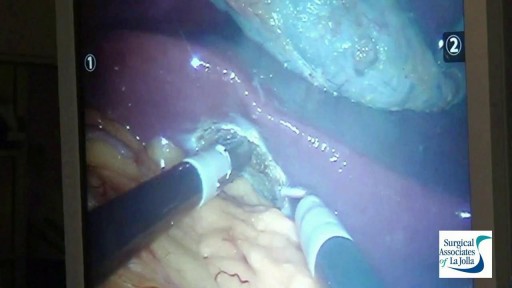
Mr Andrew Clarke, a leading surgeon and expert in laparoscopic techniques, explains how laparoscopic surgery allows a much quicker and less painful recovery than with open surgery.
Make an appointment with Mr Andrew Clarke here: https://www.topdoctors.co.uk/doctor/andrew-clarke
✔ Follow us on Instagram: https://bit.ly/3fSrqXb
✔ Follow us on Facebook: https://bit.ly/3t5kGsW
✔ Follow us on Twitter: https://bit.ly/39TidKh

operation on the stomach
Mitral Valve Chorda Repair
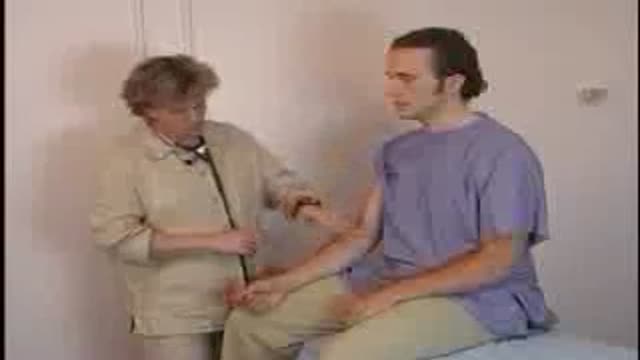
Measurement of pulse and respiratory rate
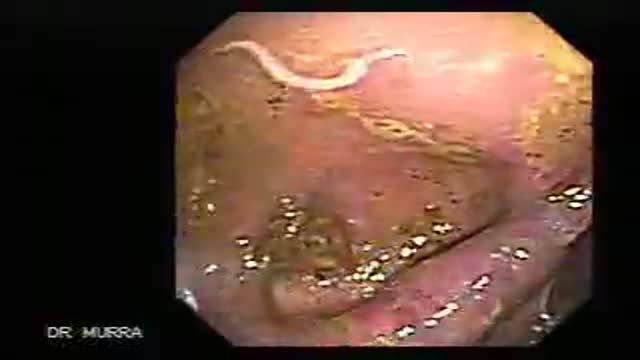
This is a endoscopic video of a worm in the gut/small intestine
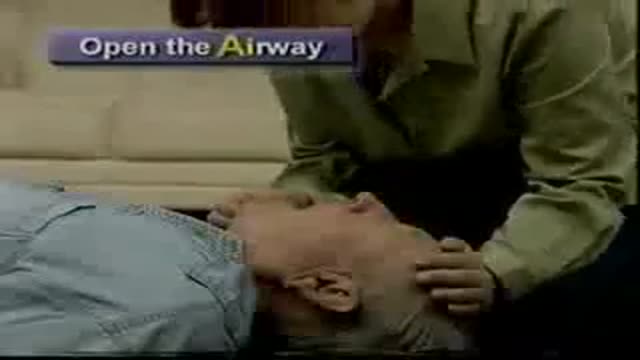
Adult CPR video showing how to perform the Cardio-Pulmonary Resuscitation.
Busa 08 í fs
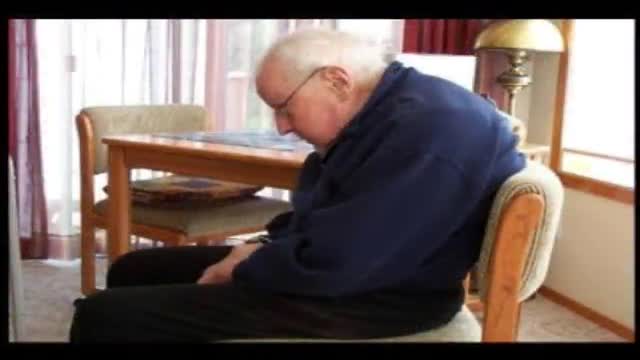
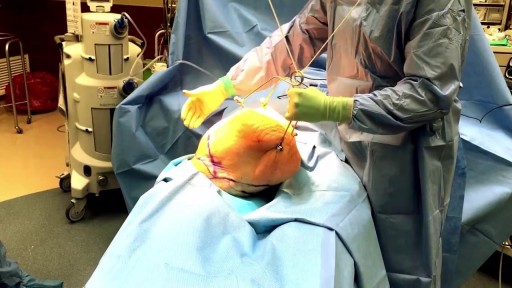
The challenge of position a patient with severe kyphosis for cataract extraction and lens implantation is met with a team effort and ingenuity.

We will present technique of lifting a corneal flap, 10 months post IntraLASIK surgery, after epithelial nest. The nest changed in size and started to grow. The technique is minimal invasive and included partial flap lifting.
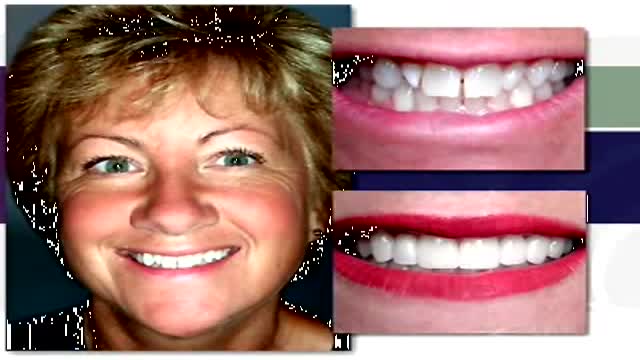
Esthetic Dentistry Today
Mesenteric artery illuminated with luciferase

Combined Spinal-Epidural Obstetric Anesthesia
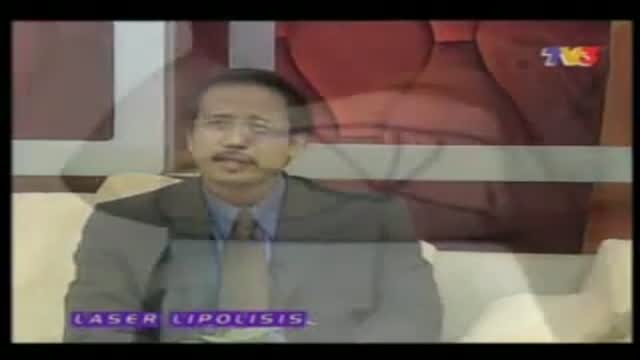
Laser Liposuction for Weight Loss
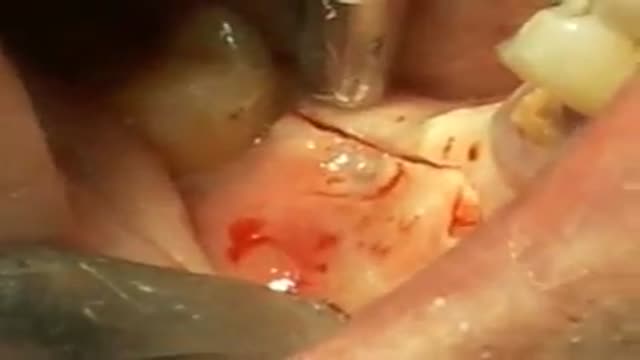
Fractured implant extraction
This involves inserting a tube through the nasal passage, into the stomach
