Top videos

samer kareem
1,755 Views ยท 2 years ago

How to Stop Your Period

samer kareem
1,763 Views ยท 2 years ago

Heartburn is a burning pain in your chest, just behind your breastbone. The pain is often worse when lying down or bending over. Occasional heartburn is common and no cause for alarm. Most people can manage the discomfort of heartburn on their own with lifestyle changes and over-the-counter medications. Heartburn that is more frequent or interferes with your daily routine may be a symptom of a more serious condition that requires medical care

samer kareem
3,764 Views ยท 2 years ago

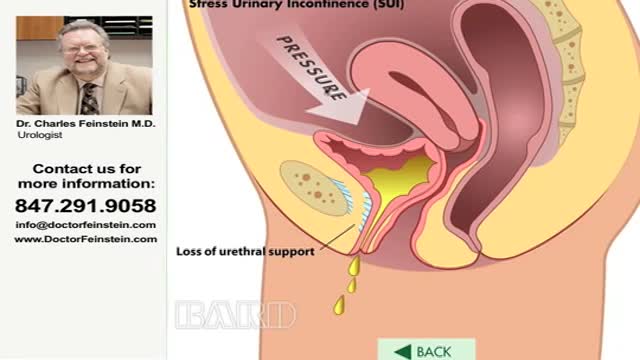
Urinary incontinence is the unintentional loss of urine. Stress incontinence happens when physical movement or activity โ€” such as coughing, sneezing, running or heavy lifting โ€” puts pressure (stress) on your bladder. Stress incontinence is not related to psychological stress. Stress incontinence differs from urge incontinence, which is the unintentional loss of urine caused by the bladder muscle contracting, usually associated with a sense of urgency. Stress incontinence is much more common in women than men. If you have stress incontinence, you may feel embarrassed, isolate yourself, or limit your work and social life, especially exercise and leisure activities. With treatment, you'll likely be able to manage stress incontinence and improve your overall well-being.

samer kareem
7,803 Views ยท 2 years ago

Urinary incontinence isn't a disease, it's a symptom. It can be caused by everyday habits, underlying medical conditions or physical problems. A thorough evaluation by your doctor can help determine what's behind your incontinence. Temporary urinary incontinence Certain drinks, foods and medications can act as diuretics โ€” stimulating your bladder and increasing your volume of urine. They include: Alcohol Caffeine Decaffeinated tea and coffee Carbonated drinks Artificial sweeteners Corn syrup Foods that are high in spice, sugar or acid, especially citrus fruits Heart and blood pressure medications, sedatives, and muscle relaxants Large doses of vitamins B or C Urinary incontinence also may be caused by an easily treatable medical condition, such as: Urinary tract infection. Infections can irritate your bladder, causing you to have strong urges to urinate, and sometimes incontinence. Other signs and symptoms of urinary tract infection include a burning sensation when you urinate and foul-smelling urine. Constipation. The rectum is located near the bladder and shares many of the same nerves. Hard, compacted stool in your rectum causes these nerves to be overactive and increase urinary frequency. Persistent urinary incontinence Urinary incontinence can also be a persistent condition caused by underlying physical problems or changes, including: Pregnancy. Hormonal changes and the increased weight of the uterus can lead to stress incontinence. Childbirth. Vaginal delivery can weaken muscles needed for bladder control and also damage bladder nerves and supportive tissue, leading to a dropped (prolapsed) pelvic floor. With prolapse, the bladder, uterus, rectum or small intestine can get pushed down from the usual position and protrude into the vagina. Such protrusions can be associated with incontinence. Changes with age. Aging of the bladder muscle can decrease the bladder's capacity to store urine. Menopause. After menopause women produce less estrogen, a hormone that helps keep the lining of the bladder and urethra healthy. Deterioration of these tissues can aggravate incontinence. Hysterectomy. In women, the bladder and uterus are supported by many of the same muscles and ligaments. Any surgery that involves a woman's reproductive system, including removal of the uterus, may damage the supporting pelvic floor muscles, which can lead to incontinence. Enlarged prostate. Especially in older men, incontinence often stems from enlargement of the prostate gland, a condition known as benign prostatic hyperplasia. Prostate cancer. In men, stress incontinence or urge incontinence can be associated with untreated prostate cancer. But more often, incontinence is a side effect of treatments for prostate cancer. Obstruction. A tumor anywhere along your urinary tract can block the normal flow of urine, leading to overflow incontinence. Urinary stones โ€” hard, stone-like masses that form in the bladder โ€” sometimes cause urine leakage. Neurological disorders. Multiple sclerosis, Parkinson's disease, stroke, a brain tumor or a spinal injury can interfere with nerve signals involved in bladder control, causing urinary incontinence.

samer kareem
2,323 Views ยท 2 years ago

Atrial fibrillation (also called AFib or AF) is a quivering or irregular heartbeat (arrhythmia) that can lead to blood clots, stroke, heart failure and other heart-related complications. Some people refer to AF as a quivering heart. An estimated 2.7 million Americans are living with AF.

samer kareem
3,057 Views ยท 2 years ago

AFib is caused by abnormal electrical impulses in the atria, which are the upper chambers of the heart. The result is a rapid and irregular pumping of blood through the atria. These chambers fibrillate, or quiver, rapidly.

samer kareem
1,556 Views ยท 2 years ago

Atrial flutter (AFL) is a type of abnormal heart rate, or arrhythmia. It occurs when the upper chambers of your heart beat too fast. When the chambers in the top of your heart (atria) beat faster than the bottom ones (ventricles), it complicates your heart rhythm

samer kareem
9,335 Views ยท 2 years ago

Wound | Suturing Techniques

samer kareem
1,670 Views ยท 2 years ago

Menstruation is the time of month when the womb (uterus) sheds its lining and vaginal bleeding occurs. This is known as a menstrual period. Periods vary widely from woman to woman. Some periods are punctual, some are unpredictable. On average, a woman gets her period every 24 to 38 days. A period usually lasts about two to eight days. Irregular periods may require treatment. What Are Irregular Periods? You may have irregular periods if: The time between each period starts to change. You are losing more or less blood during a period than usual. The number of days that your period lasts varies significantly. There are different terms for different types of irregular periods: Irregular Menstrual Bleeding (IrregMB): Bleeding of more than 20 days in individual cycle lengths over a period of one year. Absent Menstrual Bleeding (amenorrhea): No bleeding in a 90-day period. Heavy Menstrual Bleeding (HMB): Excessive menstrual blood loss that interferes with the womanโ€™s physical, emotional, social, and material quality of life and can occur alone or in combination with other symptoms. Heavy and Prolonged Menstrual Bleeding (HPMB): Less common than HMB. It is important to make a distinction from HMB given they may have different etiologies and respond to different therapies. Light Menstrual Bleeding: Based on patient complaint, rarely related to pathology.

samer kareem
1,960 Views ยท 2 years ago

Polycystic ovary syndrome (PCOS) is a common endocrine system disorder among women of reproductive age. Women with PCOS may have enlarged ovaries that contain small collections of fluid โ€” called follicles โ€” located in each ovary as seen during an ultrasound exam. Infrequent or prolonged menstrual periods, excess hair growth, acne, and obesity can all occur in women with polycystic ovary syndrome. In adolescents, infrequent or absent menstruation may raise suspicion for the condition. The exact cause of polycystic ovary syndrome is unknown. Early diagnosis and treatment along with weight loss may reduce the risk of long-term complications, such as type 2 diabetes and heart disease.

samer kareem
5,925 Views ยท 2 years ago

Choosing not to have sex provides 100 percent protection from HIV, STIs, and pregnancy. For some, this means avoiding vaginal, anal, and oral-genital intercourse altogether. Others may choose to avoid any type of sexual or intimate contact, including hugging and kissing. Choosing not to have sex is often referred to as โ€œabstinence.โ€ WHAT ARE THE ADVANTAGES OF CHOOSING NOT TO HAVE SEX (ABSTINENCE)? Choosing not to have sex is free and available to all. Not having sex is extremely effective at preventing both infection and pregnancy. It is the only 100% effective method of preventing sexually transmitted infections (STIs) and unintended pregnancy. Not having sex can be practiced at any time in one's life. Not having sex may encourage people to build relationships in other ways. Not having sex may be the course of action which you feel is right for you and makes you feel good about yourself.

samer kareem
1,973 Views ยท 2 years ago

ERCP is a procedure that enables your physician to examine the pancreatic and bile ducts. A bendable, lighted tube (endoscope) about the thickness of your index finger is placed through your mouth and into your stomach and first part of the small intestine (duodenum). In the duodenum a small opening is identified (ampulla) and a small plastic tube (cannula) is passed through the endoscope and into this opening. Dye (contrast material) is injected and X-rays are taken to study the ducts of the pancreas and liver.

samer kareem
2,964 Views ยท 2 years ago

ERCP is most commonly performed to diagnose conditions of the pancreas or bile ducts, and is also used to treat those conditions. It is used to evaluate symptoms suggestive of disease in these organs, or to further clarify abnormal results from blood tests or imaging tests such as ultrasound or CT scan. The most common reasons to do ERCP include abdominal pain, weight loss, jaundice (yellowing of the skin), or an ultrasound or CT scan that shows stones or a mass in these organs. ERCP may be used before or after gallbladder surgery to assist in the performance of that operation. Bile duct stones can be diagnosed and removed with an ERCP. Tumors, both cancerous and noncancerous, can be diagnosed and then treated with indwelling plastic tubes that are used to bypass a blockage of the bile duct. Complications from gallbladder surgery can also sometimes be diagnosed and treated with ERCP. In patients with suspected or known pancreatic disease, ERCP will help determine the need for surgery or the best type of surgical procedure to be performed. Occasionally, pancreatic stones can be removed by ERCP.

samer kareem
2,614 Views ยท 2 years ago

The "sunshine" vitamin is a hot topic. You may have recently found out that you are deficient or know someone who is. It's shocking for most people when they have never had a problem before and believe nothing has changed to make it a problem now. The truth is that a lot has changed, and vitamin D deficiency and insufficiency is now a global public-health problem affecting an estimated 1 billion people worldwide. The most well-known consequences to not having enough vitamin D are rickets in children and osteomalacia in adults. These are far from the only problems associated with a vitamin D deficiency.

samer kareem
2,494 Views ยท 2 years ago

Gastroesophageal reflux disease (GERD) is a chronic digestive disease. GERD occurs when stomach acid or, occasionally, stomach content, flows back into your food pipe (esophagus). The backwash (reflux) irritates the lining of your esophagus and causes GERD. Both acid reflux and heartburn are common digestive conditions that many people experience from time to time. When these signs and symptoms occur at least twice each week or interfere with your daily life, or when your doctor can see damage to your esophagus, you may be diagnosed with GERD. Most people can manage the discomfort of GERD with lifestyle changes and over-the-counter medications. But some people with GERD may need stronger medications, or even surgery, to reduce symptoms.

samer kareem
41,958 Views ยท 2 years ago

Autologous arteriovenous access is the key to long-term success with hemodialysis and is strongly supported by the National Kidney Foundation's Dialysis Outcomes Quality Initiative guidelines. Basilic vein transposition (BVT) fulfills the need for a durable conduit with high patency and maturation rates. This retrospective review examines a single group's experience with this procedure. All patients undergoing BVT for hemodialysis with available follow-up data were reviewed. Telephone interviews were used to supplement clinical data where needed. Functional assisted patency was used as the end point for this procedure, and if the access was never used for dialysis, then the patency was considered zero. Secondary interventions performed while the access remained patent and in use were not considered detrimental to the patency reported. One hundred seventy BVTs in 162 patients were performed between November 1992 and October 2001. There were 87 women (53.7%) and 112 black patients (69.1%); hypertension was present in 138 patients (85.2%) and diabetes in 89 patients (54.9%). Each year, an increasing incidence of BVT was performed in our dialysis population. The BVT was performed as the first access in that extremity in 73 of the procedures (42.9%). Functional patency (primary assisted) was achieved in 40.0% at 2 years and 15.2% at 5 years. The mean assisted patency was 14.6 months. To maintain BVT patency, 40 percutaneous secondary interventions (69.0%) and 18 surgical revisions (31.0%) occurred in 32 patients (19.0%). Ligation for swelling was necessary in 4 patients (2.5%), and steal syndrome occurred in 3 patients (1.9%). BVT is a useful autologous procedure for hemodialysis and the preferred access alternative in patients without an adequate cephalic vein. Although patencies remain poor relative to other conventional arterial vascular procedures, BVT is our most durable hemodialysis access procedure and is often the only available autologous conduit for hemodialysis.

samer kareem
2,468 Views ยท 2 years ago

Peripheral artery disease (P.A.D.) is a disease in which plaque builds up in the arteries that carry blood to your head, organs, and limbs. Plaque is made up of fat, cholesterol, calcium, fibrous tissue, and other substances in the blood. When plaque builds up in the body's arteries, the condition is called atherosclerosis. Over time, plaque can harden and narrow the arteries. This limits the flow of oxygen-rich blood to your organs and other parts of your body. P.A.D. usually affects the arteries in the legs, but it also can affect the arteries that carry blood from your heart to your head, arms, kidneys, and stomach. This article focuses on P.A.D. that affects blood flow to the legs.

samer kareem
1,868 Views ยท 2 years ago

Prostatitis is an infection or inflammation of the prostate gland that presents as several syndromes with varying clinical features. The term prostatitis is defined as microscopic inflammation of the tissue of the prostate gland and is a diagnosis that spans a broad range of clinical conditions. The National Institutes of Health (NIH) has recognized and defined a classification system for prostatitis in 1999.[1] The 4 syndromes of prostatitis are as follows: I - Acute bacterial prostatitis II - Chronic bacterial prostatitis III - Chronic prostatitis and chronic pelvic pain syndrome (CPPS; further classified as inflammatory or noninflammatory) IV - Asymptomatic inflammatory prostatitis

samer kareem
1,853 Views ยท 2 years ago

Scientists don't know what causes canker sores. Most believe that there is a problem with the body's immune system. Emotional stress, menstruation or injury to the mouth are common triggers for simple canker sores. Certain foods such as citrus or acidic foods may trigger a canker sore or make one more uncomfortable.

samer kareem
2,401 Views ยท 2 years ago

Endocarditis is an infection of the inner lining of your heart (endocardium). Endocarditis generally occurs when bacteria or other germs from another part of your body, such as your mouth, spread through your bloodstream and attach to damaged areas in your heart. Left untreated, endocarditis can damage or destroy your heart valves and can lead to life-threatening complications. Treatments for endocarditis include antibiotics and, in certain cases, surgery. Endocarditis is uncommon in people with healthy hearts. People at greatest risk of endocarditis have damaged heart valves, artificial heart valves or other heart defects.


Showing 47 out of 117