
- Physical Examination
- Surgical Examination
- Ophthalmology
- Clinical Skills
- Orthopedics
- Surgery Videos
- Laparoscopy
- Pediatrics
- Funny Videos
- Cardiothoracic Surgery
- Nursing Videos
- Plastic Surgery
- Otorhinolaryngology
- Histology and Histopathology
- Neurosurgery
- Dermatology
- Pediatric Surgery
- Urology
- Dentistry
- Oncology and Cancers
- Anatomy Videos
- Health and Fitness
- Radiology
- Anaesthesia
- Physical Therapy
- Pharmacology
- Interventional Radiology
- Cardiology
- Endocrinology
- Gynecology
- Emergency Medicine
- Psychiatry and Psychology
- Childbirth Videos
- General Medical Videos
- Nephrology
- Physiology
- Diet and Food Health
- Diabetes Mellitus
- Neurology
- Women Health
- Osteoporosis
- Gastroenterology
- Pulmonology
- Hematology
- Rheumatology
- Toxicology
- Nuclear Medicine
- Infectious Diseases
- Vascular Disease
- Reproductive Health
- Burns and Wound Healing
- Other
Top videos

Respiratory Examination video
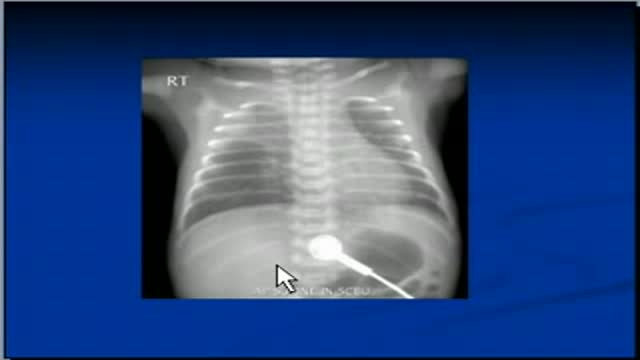
The video will describe the position of ET tube on a chest x-rays. Please see my website for disclaimer.
a video showing the technique of Shave and Punch Skin Biopsies nique of
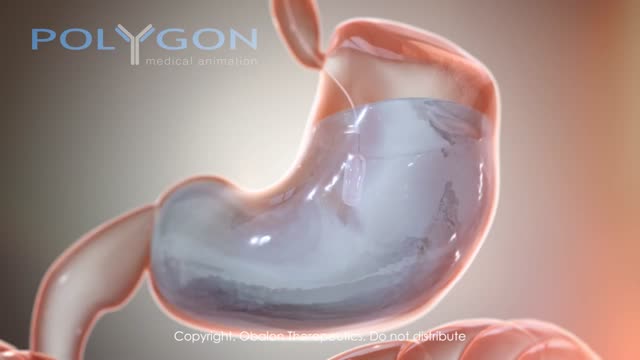
The gastric balloon procedure (endoscopic intragastric balloon) leaves an inflated silicon balloon in the stomach for 6 months, making less room for food. As a result, patients: Feel full sooner while eating and therefore eat less. Lose about 30% of their excess weight in 6 months.
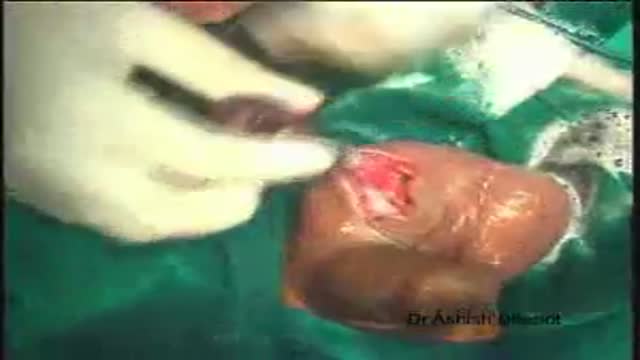
Orchidectomy and Orchidopexy in testis Torsion
Laparoscopic Tubal Ligation using Filshie Clips. Brought to you by http://nursing-resource.com
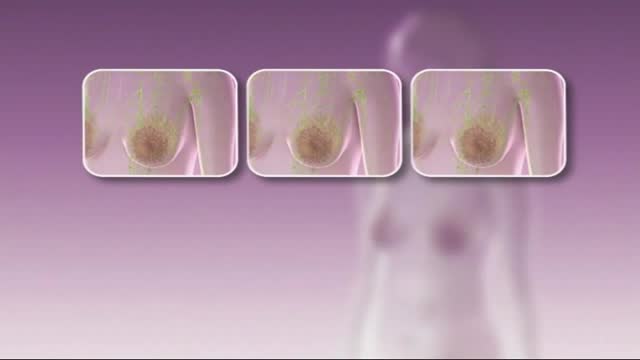
Stages In Breast Cancer
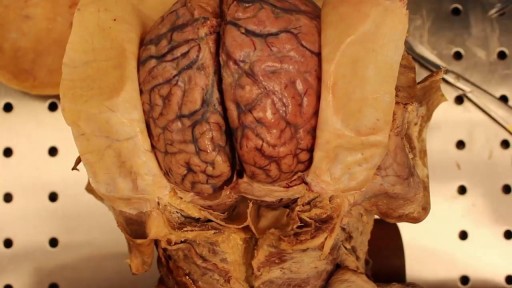
Opening of the Cranium

Thai traditional massage is world renowned to the point of being a global brand

Physical Exam and Sample History
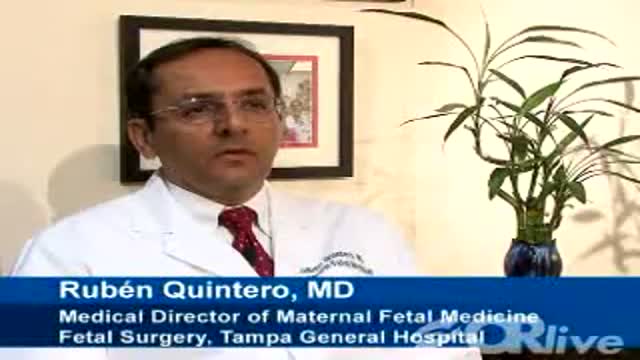
Highlights of a fetal laser surgery for twin-to-twin transfusion syndrome (TTTS) will be shown from Tampa General Hospital
TTTS affects 10 to 15 percent of identical-twin pregnancies and is the result of abnormal blood exchange between identical twins through a common placenta. The larger of the twins, or recipient, is surrounded by too much amniotic fluid and in danger of heart failure as its body tries to pump the overwhelming volume of blood intended for both. The smaller, or donor twin, is encased in a shrinking amniotic sac deprived of blood. Without treatment, both will likely die.
Rubén Quintero, M.D., Medical Director of Maternal Fetal Medicine/Fetal Surgery at Tampa General Hospital and Professor and Director of the Division of Maternal Fetal Medicine, Department of Obstetrics and Gynecology, University of South Florida College of Medicine will narrate the procedure and answer e-mail questions live as taped highlights of the procedure are shown.
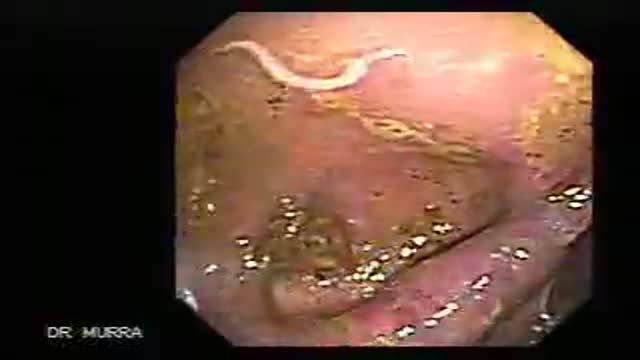
This is a endoscopic video of a worm in the gut/small intestine
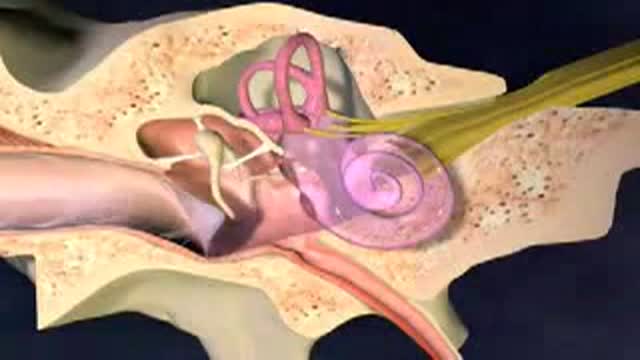
Animated video on otitis media, infection of the middle ear, which is common in children.

DMC Sports Medicine Specialist Dr. Scott Lemos helps a young football start get back in the game after an ACL injury. ~ Detroit Medical Center
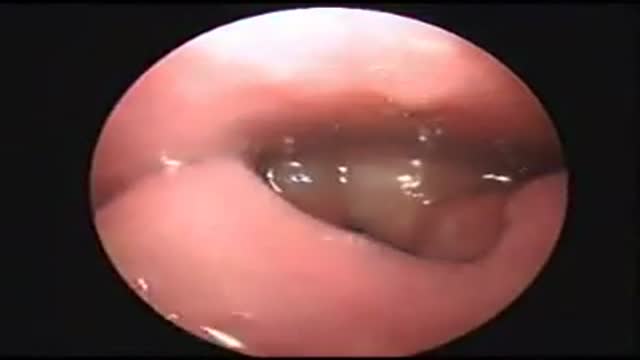
Endoscopic picture of turban epiglottis in patient of epiglottitis
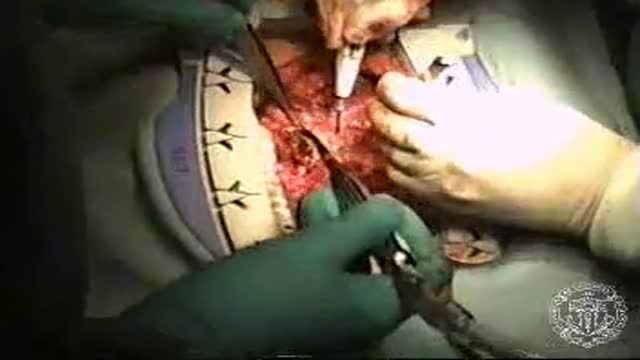
Coronary Artery Bypass Grafting CABG
Fake Sonogram
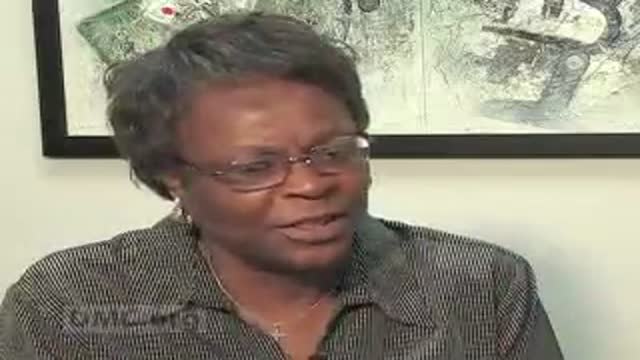
A DMC patient with urinary stress incontinence regains control with less-invasive surgery at DMC Sinai-Grace, performed by DMC Ob/Gyn specialist Dr. Korial Atty. ~ Detroit Medical Center
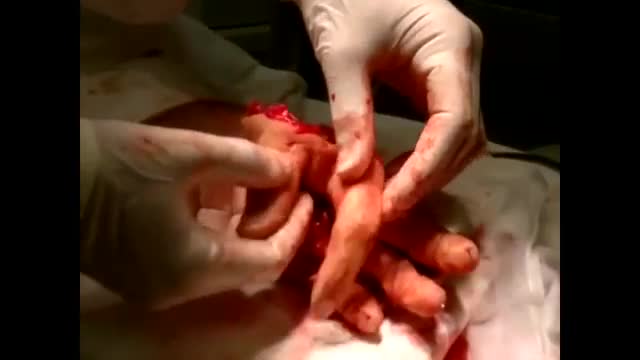
Since the first replant more than 50 years ago, thousands of severed body parts have been reattached, preserving the quality of life for thousands of patients through improved function and appearance that the void remaining after amputation cannot provide. Ronald Malt performed the first replantation on May 23, 1962 at Massachusetts General Hospital on a 12-year-old boy who had his right arm amputated in a train accident. [1, 2] This amputation occurred at the level of the humeral neck.
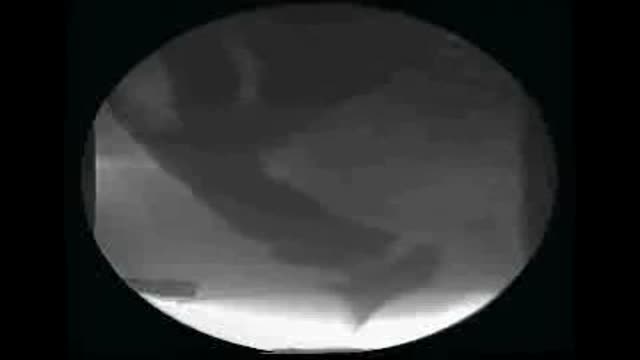
Defecography showing Internal Rectal Prolapse
